The egg-buying pattern retailers watch closely, and why shelves look different week to week
When you walk into a supermarket, the egg case is one of the clearest barometers of how the food system is coping with stress. Prices, package sizes, and even which brands are left at eye level shift from week to week as retailers respond to disease outbreaks, holiday baking, and your own willingness to trade up or walk away. The pattern they watch most closely is simple but powerful: whether you will switch types of eggs when your usual carton is gone, or skip eggs entirely.
That single decision shapes how chains plan promotions, negotiate with suppliers, and decide which labels get the best shelf space. It also explains why one weekend you might see fully stocked rows of standard dozens and the next you are staring at scattered premium cartons and “limit one” signs. Understanding how your behavior fits into that pattern makes those swings feel less random and more like the front line of a finely tuned, if fragile, supply system.
How your “walk‑away” choice drives the egg aisle
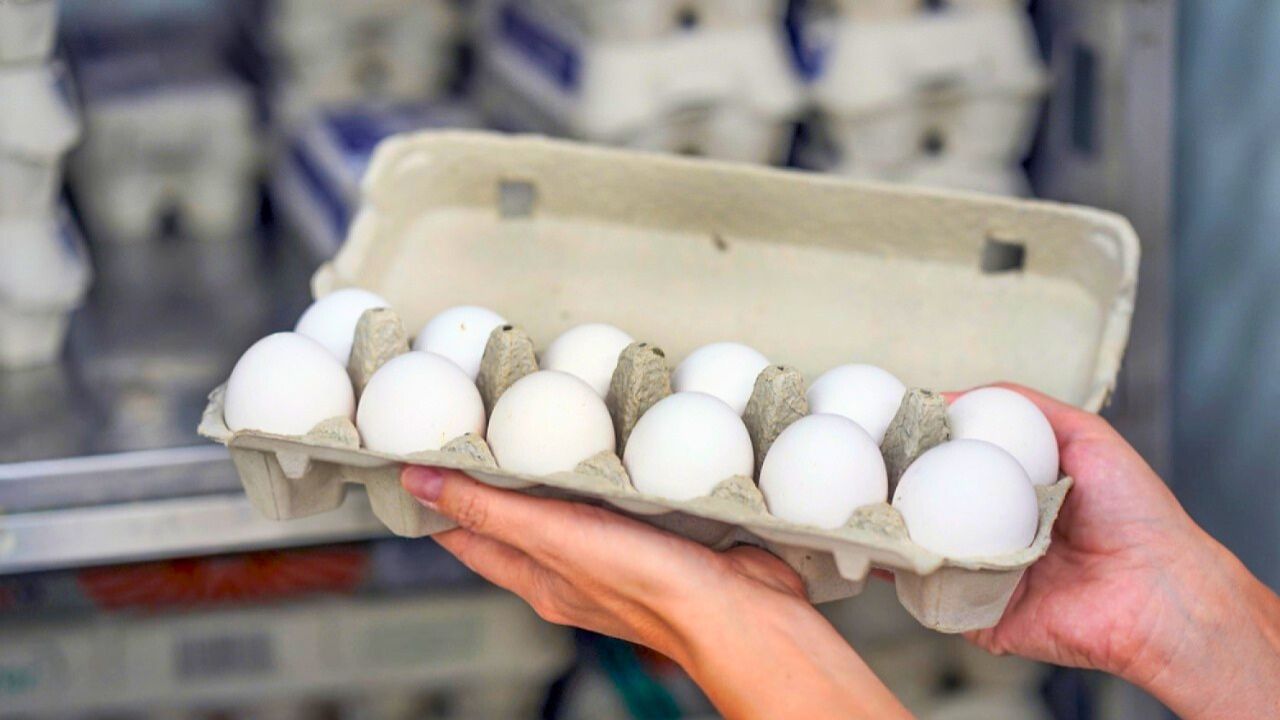
Retailers track one question obsessively: if your usual carton is missing, do you buy something else or leave without eggs. Recent data shows that when standard eggs are out of stock, 46.1% of shoppers now choose not to purchase any eggs at all, a jump of 6.5 points since January. Only 20.7% are willing to switch to premium options, a drop of 5.7 points, which tells grocers that you are increasingly price sensitive and less inclined to “trade up” just to keep eggs in your basket.
That shift is why you often see standard eggs prioritized in limited space, with premium and specialty cartons pushed to the edges. When More shoppers are buying standard eggs and a growing share will simply walk away if those are missing, retailers know that empty slots in the “regular” section translate directly into lost sales, not upgrades. Your refusal to compromise on price or type becomes a signal that shapes how much space each segment gets and which products are allowed to sell out first.
Why a 68% spike did not kill your breakfast
Even before you reach the shelf, retailers are reacting to a price shock that would have broken weaker categories. Despite a 68% year over year spike in egg prices, shoppers have largely kept eggs in their carts, treating them as a staple rather than a luxury. That resilience gives grocers confidence to keep stocking aggressively, but it also forces them to think carefully about how much sticker shock you will tolerate before you start cutting back.
Analysts tracking Shell Shock, How Consumers are Reacting to Egg Shortages and Rising Prices note that eggs behave differently from snack foods or soft drinks when costs jump. You might trade down on cereal or skip a premium yogurt, but you still need eggs for breakfast, baking, and budget friendly protein. Retailers lean on that loyalty, using eggs as a traffic driver even when margins are thin, which is why you sometimes see sharp promotions on a few key SKUs while neighboring items quietly climb in price.
The standard-versus-premium split retailers obsess over
Behind the glass doors, the most important dividing line is not brand, it is standard versus premium. Grocers know that if standard eggs are missing, 46.1% of you will not buy any eggs, while only 20.7% will switch to premium, and those figures have moved by 6.5 and 5.7 points in just a few months. That tells them premium cartons are not a reliable safety valve when supply tightens, which is why they watch standard inventory like a hawk and often cap how many you can buy during crunch periods.
At the same time, they see that the share of shoppers choosing basic cartons has grown while cage free, free range, pasture raised, and organic options have dipped by about four points. Reporting on how consumers’ egg buying behavior has changed since January shows that even as prices fluctuate, demand for eggs overall stays steady, but the mix tilts toward the most affordable choices. For retailers, that means premium lines cannot carry the category when supply is tight, so they design planograms and promotions around protecting the standard segment first.
How Bird Flu keeps rewriting the shelf plan
Even the best merchandising strategy collapses when millions of hens are suddenly taken out of production. The spread of H5N1 Bird Flu has forced producers to cull flocks, disrupt shipping schedules, and rethink how quickly they can rebuild capacity. Industry briefings on Bird Flu, How It Will Affect Egg Supply Chain
On the retail side, that uncertainty shows up as patchy shelves and sudden assortment changes. One week your store might lean heavily on regional brands that still have product, the next it might be dominated by private label as chains divert whatever volume they can secure into their own lines. When Avian Flu Impacts Egg Supply Nationwide and at AFS, Leading to Supply Challenges, buyers are forced to juggle limited truckloads across dozens or hundreds of locations. The result is that your local shelf can look full while a store a few miles away is nearly empty, simply because the math of scarce supply broke in your favor that week.
Holiday baking, Nov shortages, and the power of timing
Seasonality adds another layer of volatility that you feel most acutely around big cooking holidays. In the run up to Thanksgiving, demand for eggs spikes as you and your neighbors stock up for pies, sides, cookies, and cakes, all at once. When that surge collides with constrained supply, you get the kind of scenes captured in reports of an egg shortage leading to empty shelves in several US states, where shoppers found the baking aisle stripped just as they needed it most.
Retailers know those weeks can make or break customer loyalty, so they often pull eggs from promotions, tighten purchase limits, and reallocate inventory from lower volume stores to high traffic locations. Yet even careful planning cannot fully offset the pressure when a disease outbreak or logistics snag hits right before a holiday. That is why you might see a bare case in late Nov, then a relatively normal assortment a few weeks later, once the Thanksgiving rush has passed and supply has had a chance to catch up.
Why prices jump faster than shelves refill
From your perspective, it can feel like prices leap overnight while the physical shelf takes longer to recover. Retailers are reacting to wholesale costs that have been driven up by highly pathogenic avian influenza, which has forced producers to destroy birds and absorb higher biosecurity and feed expenses. Coverage of Why egg prices are soaring
Even when the worst of an outbreak passes, retailers do not immediately see relief. Contracts, transportation bottlenecks, and the time it takes for new laying hens to reach full productivity all slow the return to normal. Visual reporting from chains like Whole Foods, Trader Joe’s, and Safeway has shown how Even if you are not the type
From “pretty bare” to “Fully Stocked Shelves” in a few weeks
The good news is that the same system that produces sudden gaps can also rebound quickly once disease pressure eases. When federal officials report that laying flocks have stabilized, retailers can shift from triage back to normal ordering patterns. A recent update from the USDA Reports Fully Stocked Shelves
For you, that means the same store that was rationing cartons in early spring can look almost overstocked by early summer, with aggressive promotions and end caps loaded with eggs. Industry voices like Brian Moscogiuri
The psychology of empty shelves and “entitled” shoppers
How you react when you see a half empty egg case also feeds back into retailer decisions. Behavioral experts point to “social norming,” where you take cues from what others are doing, as a key driver of panic buying and hoarding. When you see other shoppers loading multiple cartons into their carts, it can feel rational to do the same, even if you had only planned to buy one, which accelerates the very shortages you fear.
Coverage of an “entitled” grocery store trend
Why cage free goals and egg replacers are reshaping the future shelf
Even as retailers fight short term fires, they are planning for a future in which the egg case looks structurally different. Corporate commitments to cage free sourcing, combined with inflationary pressures, are already complicating the supply picture. Industry analysis notes that, Additionally, rising demand for cage free eggs, coupled with higher costs and lingering effects of the bird flu crisis, is reshaping how producers invest in new barns and how retailers allocate space to different production systems.
At the same time, alternatives are quietly gaining ground. The global egg replacer market is valued at USD 1.4 billion in 2025 and is expected to reach USD 2.6 billion by 2035, reflecting a mix of vegan demand, egg allergies, and evolving food preferences. As USD 1.4 billion to 2.6 billion
How you can read the egg case like a pro
Once you know what retailers are watching, the egg aisle becomes a kind of dashboard for the broader food system. If standard cartons are plentiful but premium options are thin, it often means buyers are prioritizing volume over variety because they know 46.1% of you will walk away if the basics are gone. When you see more cage free and organic facings creeping back in, it can signal that supply has stabilized enough for retailers to resume long term merchandising goals rather than short term triage.
Industry observers describe eggs as having Relatively Stable Demand, Whilechallenges and outlook for the US egg industry
Supporting sources: How egg buying behavior has changed since January, How Are Egg Shortages Impacting Consumer Buying Behavior, How consumers’ egg buying behavior has changed since January, H5N1 Bird Flu: How It Will Affect Egg Supply Chain in 2025, Avian Flu Impacts Egg Supply Nationwide, and at AFS, Leading to …, Egg shortage leads to empty shelves in several US states, Egg prices are likely to shoot up even more in 2025. Here’s what to know., America’s Grocery Store Egg Shortage in Photos – Eater, USDA Reports ‘Fully Stocked Shelves’ as Egg Shortage Eases, A look at the real reasons behind soaring egg prices, The Elevated Egg: Understanding the Supply Chain Dynamics, ‘Entitled’ grocery store trend has shoppers raging, Challenges and Outlook for the US Egg Industry in 2025 – Tridge, Egg Replacer Market Size, Demand \u0026 Trends 2025-2035, How egg buying behavior has changed since January.
Like Fix It Homestead’s content? Be sure to follow us.
Here’s more from us:
- I made Joanna Gaines’s Friendsgiving casserole and here is what I would keep
- Pump Shotguns That Jam the Moment You Actually Need Them
- The First 5 Things Guests Notice About Your Living Room at Christmas
- What Caliber Works Best for Groundhogs, Armadillos, and Other Digging Pests?
- Rifles worth keeping by the back door on any rural property
*This article was developed with AI-powered tools and has been carefully reviewed by our editors.