The electrical code detail that suddenly matters once you touch a wall
You can live in a home for years without thinking about how far any outlet is from a corner. The moment you open a wall, add a room, or shift a doorway, that indifference ends and a very specific electrical rule suddenly governs what you are allowed to do. Once you touch a wall, the National Electrical Code’s spacing requirements for receptacles stop being an abstract standard and become the line between a passed inspection and an expensive do‑over.
That detail is not just bureaucratic trivia. It shapes where you can put furniture, how safely you can use appliances, and whether you will be tripping over extension cords for the next decade. Understanding how the code defines wall space, how the “6‑feet and 12‑feet” logic works, and where kitchens and heaters complicate the picture gives you real leverage before you cut into drywall or sign off on a contractor’s plan.
The rule that wakes up when you move a stud
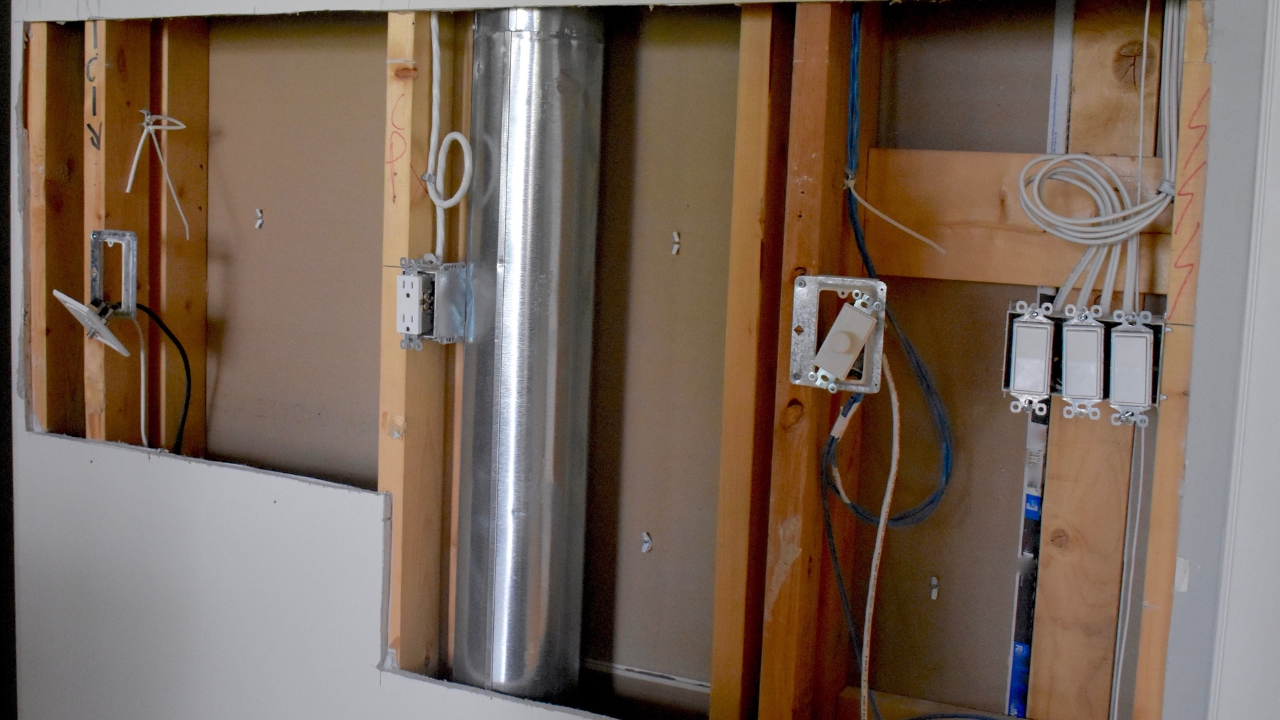
In a typical renovation, you might think the electrical system only needs attention if you add a new circuit or relocate a panel. In reality, the moment you change a wall, you trigger a requirement that every habitable room have receptacles spaced so that no point along the floor line is too far from an outlet. Local inspection checklists that follow the 2023 code spell this out by citing 210.52 directly, and they treat receptacle placement as a core rough‑in item rather than a finishing detail. Once you reframe or extend a wall, inspectors expect the entire run to comply with current spacing rules, not the looser standards that might have applied when the house was built.
That is why a seemingly minor decision, like widening a doorway or adding a niche, can have outsized electrical consequences. By shortening one wall and lengthening another, you may erase an existing outlet from the required coverage zone and create a new stretch of wall that needs a receptacle. Municipal documents that track the 2023 NEC treat this as non‑negotiable: if you open the wall, you bring it up to the current standard. For you, that means electrical planning has to sit alongside framing and finishes from the first sketch, not as an afterthought once the drywall is back up.
How the code quietly defines “wall space”
Before you can count outlets, you have to know what the code thinks a wall actually is. The definition is broader than many homeowners assume. Guidance on Article 210 explains that “wall space” includes any area at least 2 feet wide, measured along the floor line, and it counts the space behind doors that can open against a wall. That means the narrow strip between a window and a corner, or the short return next to a sliding door, is not a dead zone. It is part of the measured run that may need its own receptacle.
This definition also wraps in fixed panels and similar surfaces that function like walls, which is why you see outlets on the sides of built‑ins and near large picture windows. When you rework a room, you are not just dealing with obvious blank drywall. You are dealing with every qualifying segment the code treats as wall space, and each one feeds into the spacing calculation that flows from 210.52(A)(2). If you ignore those slivers when you move a door or widen a cased opening, you can easily end up short one receptacle when the inspector walks through with a tape measure.
The “6‑feet and 12‑feet” logic that runs your living room
Once wall space is defined, the spacing rule that suddenly matters is the familiar “6‑feet and 12‑feet” pattern. The idea is simple: you should never have to stretch a cord more than 6 feet to reach an outlet, and no two adjacent receptacles along a wall should be more than 12 feet apart. Training material on 210.52 spells this out by noting that receptacles must be installed so that no point measured horizontally along the floor line is more than 6 feet from a receptacle outlet. In practice, that means you start at a door or corner, place the first outlet within 6 feet, then keep each subsequent one within 12 feet of the last.
Inspectors and educators often describe this as a convenience rule with a safety purpose. By ensuring that no matter where a lamp or appliance sits along a wall, a receptacle is within reach, the code reduces the temptation to daisy‑chain power strips or run cords under rugs. Guidance on General Receptacle Distribution makes that connection explicit, explaining that wall receptacles should be installed to minimize the need for extension cords. When you move a wall, you are not just redrawing a floor plan. You are redrawing the invisible 6‑foot arcs that determine whether your outlets still satisfy that protective logic.
Why a 32‑inch corner can force a new outlet
The abstract spacing rule becomes very concrete when you start measuring actual walls. One homeowner who posted a layout question described a south wall with an existing receptacle that was 32 inches from the corner, and a west wall that had no outlet at all. Because the rule in Spacing says receptacles shall be installed so that no point along the floor line is more than 6 feet from an outlet, that 32‑inch offset on one wall effectively forces a receptacle onto the adjacent wall to keep the corner covered. When you shift a wall or move an outlet away from a corner during a remodel, you can create the same problem without realizing it.
Electricians who trade notes on Electrician Chat forums warn against confusing countertop rules with these wall calculations, and they emphasize that even a 2 foot wall segment can count on its own. If you add a short return wall to frame a new closet or bump‑out, that little piece may need its own receptacle, regardless of what is happening on the longer adjacent wall. When you touch a wall, you are not just responsible for the obvious big spans. You are responsible for every qualifying segment, including those awkward 32‑inch corners that quietly demand their own outlet.
When a heater or cabinet steals your wall space
Complications multiply once you add fixed equipment to the mix. Baseboard heaters, for example, often run along the exact stretch of wall where you would otherwise place a receptacle. The 2017 update to the code clarified that Such receptacle outlets shall not be connected to the heater circuits, and an Informational Note explains that Listed baseboard heaters include instructions about where receptacles can be located relative to the heater. If you replace flooring or reconfigure a room and decide to extend a heater, you may suddenly find that a previously compliant outlet is now too close to the unit or stranded behind it.
Cabinetry and built‑ins can have a similar effect. When you add a wall of wardrobes or a media cabinet, you may cover what the code still counts as wall space, and you cannot simply pretend that area no longer exists. Guidance on Sometimes the layout of a room notes that unusual configurations can push the language of 210.52(A)(2) to its limits, but the underlying goal does not change. You still have to ensure that no point along the usable floor line is more than 6 feet from a receptacle. When you touch a wall by adding a heater or cabinet, you may have to add new outlets nearby to preserve that coverage, even if the old ones technically still exist behind the new installation.
Kitchens, islands and the stricter countertop rules
If living rooms and bedrooms are governed by the 6‑feet and 12‑feet pattern, kitchens add a second layer of complexity. Countertop receptacles have their own spacing and height rules, and they are treated differently from standard wall outlets. Training on NEC Rules for Countertop explains that the 2023 Code Explained framework expects outlets to be placed so that small appliances can be used without draping cords across sinks or cooktops, and it sets specific limits on how far above the countertop those receptacles can sit. When you move a kitchen wall or reconfigure cabinets, you are not just rebalancing wall outlets. You are also redrawing the countertop runs that trigger these stricter requirements.
Islands and peninsulas add yet another twist. Guidance on kitchen island and peninsula receptacle outlets explains how the code has evolved to address these work surfaces, which often sit away from traditional walls. At the same time, broader kitchen guidance on kitchen receptacle requirements stresses that these outlets are part of the same safety strategy that governs wall spacing. When you touch a kitchen wall, you often trigger a cascade: wall outlets must be re‑spaced, countertop outlets must be re‑counted, and island or peninsula outlets may need to be added or relocated to keep the entire room compliant.
The checklist that decides if your remodel passes
All of these rules ultimately show up in the inspector’s checklist, which is where your project either clears rough‑in or stalls. A residential dwelling checklist that tracks the 2023 NEC calls out Receptacle outlets in habitable rooms and repeats the requirement from 210.52(A) that no point measured horizontally along the floor line be more than 6 feet from an outlet. Inspectors use that language as a measuring tool, not a suggestion. If your new wall layout leaves a 7‑foot gap between outlets or a 5‑foot stretch from a corner to the first receptacle, the checklist gives them a clear basis to fail the inspection.
For you, that means the most efficient way to avoid surprises is to treat the checklist as a design document. Before you sign off on a contractor’s plan, walk the room on paper with the 6‑feet and 12‑feet rule in mind, and mark every qualifying wall segment. Cross‑check those marks against the rough‑in list that cites 210.52, and make sure every wall you are touching ends up with compliant coverage. It is far cheaper to add a box on paper than to open a freshly painted wall because an inspector’s tape measure found a gap.
How pros argue about the gray areas so you do not have to
Even with clear numbers, the real world is messy, and professionals spend a lot of time debating edge cases so that your project does not become one. On one NEC Electrician Chat thread, installers dissect how to treat a 2 foot wall that sits between a sliding door and a corner, and whether an outlet on the adjacent wall can cover that space. Another discussion on In the NEC Article on Spacing and Receptacles walks through scenarios where a room’s geometry makes it hard to stay within the 6‑foot rule without adding more outlets than anyone expected.
These debates matter to you because they shape how inspectors in your area interpret the same language. Commentary on Sometimes the layout of a room notes that unusual shapes can push 210.52(A)(2) to its limits, but the consistent theme is that the code is trying to ensure that no matter where you stand, an outlet is within reach. When you work with a licensed electrician who follows these discussions, you benefit from that collective experience. They know where inspectors are likely to draw the line, and they can design your outlet layout to stay comfortably inside it rather than gambling on a generous interpretation after the walls are closed.
Planning your next wall project with the code in mind
Once you understand how quickly a small change can activate these rules, you can plan your projects more strategically. Before you move a wall, sketch the room and mark every existing outlet, then overlay the 6‑feet and 12‑feet arcs that flow from Feet and Feet Rule guidance. Identify any new wall segments you are creating, especially short returns or corners near doors, and assume they will need receptacles unless your electrician can show you a compliant alternative. In kitchens, layer in the countertop rules from Wall receptacle guidance and the height and spacing expectations from Code Explained.
Like Fix It Homestead’s content? Be sure to follow us.
Here’s more from us:
- I made Joanna Gaines’s Friendsgiving casserole and here is what I would keep
- Pump Shotguns That Jam the Moment You Actually Need Them
- The First 5 Things Guests Notice About Your Living Room at Christmas
- What Caliber Works Best for Groundhogs, Armadillos, and Other Digging Pests?
- Rifles worth keeping by the back door on any rural property
*This article was developed with AI-powered tools and has been carefully reviewed by our editors.