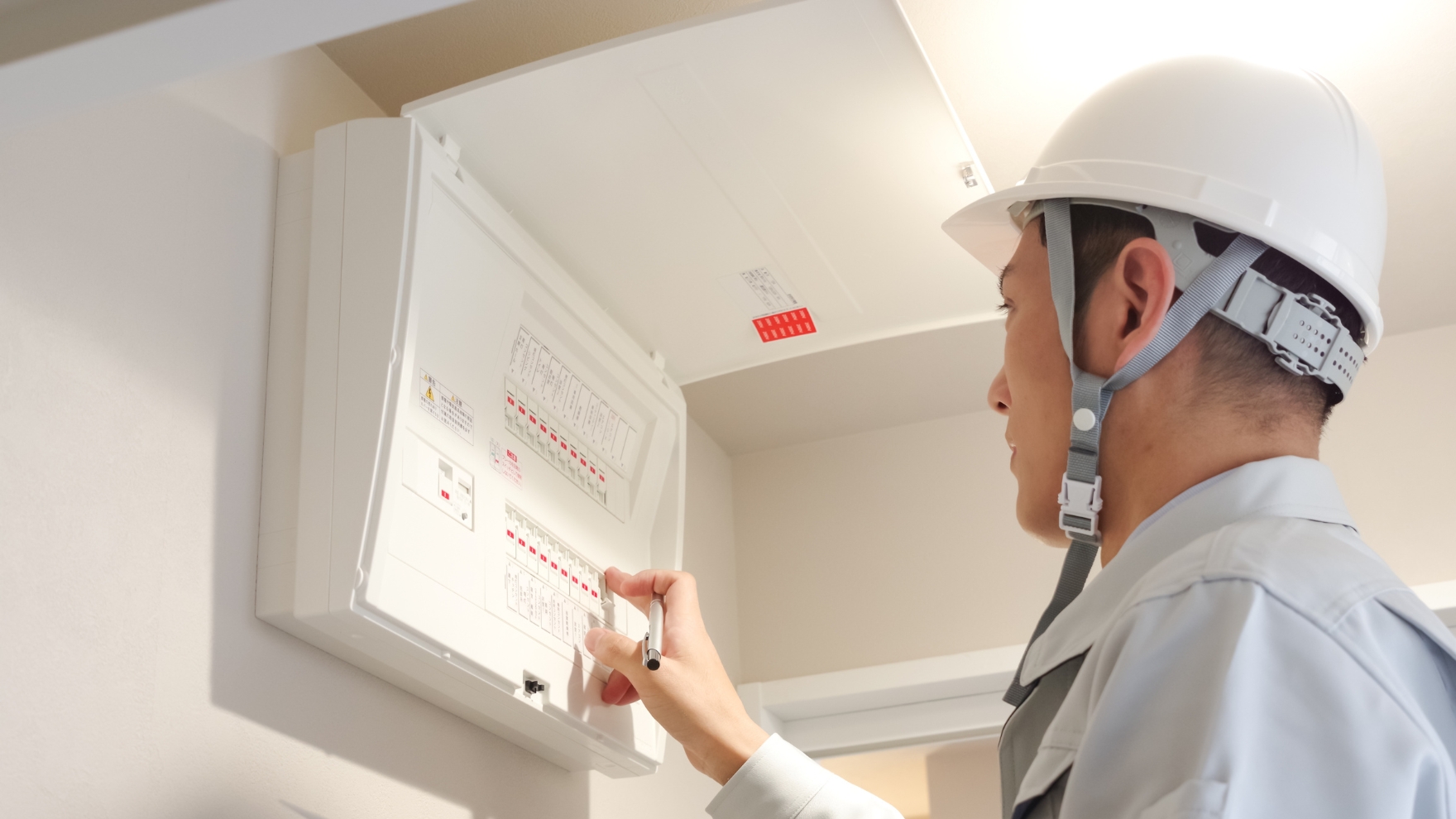
The electrical labeling step that inspectors expect but homeowners forget
Home electrical projects tend to focus on visible upgrades, from new fixtures to added outlets, while the quiet workhorse in the basement or garage is ignored. The step that most often slips through the cracks is also one of the first things an inspector looks for: clear, code‑compliant labeling on your main panel and breakers. When you skip it, you are not just risking a failed inspection, you are making it harder and more dangerous for anyone who has to work on your system, including you.
Labeling is not a cosmetic nicety, it is how you prove that every switch and circuit in your home has a specific, documented purpose. Inspectors expect to open the panel door and see a legible, organized map of the electrical system, not a blank legend or a few half‑erased pencil notes. If you treat that map as an afterthought, you are signaling that the rest of the work may be just as casual.
Why inspectors fixate on labels before anything else
When an inspector walks up to your main panel, the first thing they need to know is what each breaker actually controls, because that shapes how they evaluate everything from load balancing to safety clearances. If the legend is missing or vague, they cannot easily verify whether a kitchen small‑appliance circuit is on its own breaker, whether a bathroom GFCI is correctly isolated, or whether a new EV charger is sharing a circuit it should not. That uncertainty alone is enough to slow an inspection or trigger a correction notice, because the panel is supposed to be the authoritative roadmap to your wiring.
Professionals understand that this roadmap is not optional. Guidance for Homeowners and contractors stresses that panelboard markings and directories are part of how you protect occupants and anyone servicing the system, not just a bureaucratic box to check. When an inspector sees a clean, legible directory that matches the visible wiring, it signals that the work behind the cover is likely organized and code‑conscious. When they see blank spaces or cryptic notes like “lights” or “plugs,” it raises questions about what else was rushed or skipped.
The code rule that turns “nice to have” into “must do”
Behind every red‑penned correction on an inspection report is a specific code section, and panel labeling is no exception. The National Electrical Code, often shortened to NEC, treats identification of circuits as a basic requirement, not a best practice. That is why inspectors are not just making a personal judgment call when they flag a bare legend, they are enforcing a rule that says each circuit must be clearly and specifically identified so anyone can understand what it does without guesswork.
One explanation of what National Electrical Code demands points to NEC Article 408, which lays out how panelboards must be marked and how directories must be arranged so users can understand what each breaker controls. Separate guidance on Requirements in labeling switches and circuit breakers in panelboards and switchgears in the 2023 NEC reinforces that labels must be located where they are visible and durable, and that vague descriptions are not acceptable. When you treat the directory as a legal document that has to stand up to that standard, it becomes clear why inspectors cannot simply wave away a missing or sloppy label.
The forgotten safety function behind a neat directory
From a homeowner’s perspective, labeling often feels like a paperwork chore that can wait until after the “real” work is done. From a safety perspective, it is the opposite: the directory is what lets you shut off the right circuit quickly when something goes wrong. If a pipe bursts above a recessed light, if a child jams a fork into a receptacle, or if you smell burning plastic from a specific room, you do not want to be guessing which breaker to flip while a hazard escalates. A precise label turns a panicked scramble into a controlled response.
That same logic applies to anyone who has to work on your system in the future. Clear identification helps electricians de‑energize only the circuits they need, which reduces the temptation to work live and cuts the risk of accidental contact with energized parts. Some inspectors point out that Homeowners and contractors can even use factory‑made panel labeling kits to standardize this information, which improves readability and reduces the chance of misinterpretation. When you think of the directory as a safety device in its own right, rather than a scribbled note, it becomes obvious why inspectors treat it as a core part of the installation.
How modern codes are raising the bar with hazard labels
Beyond simple circuit names, inspectors are increasingly looking for specialized safety markings that warn about more complex electrical hazards. One of the most significant shifts is the growing emphasis on arc flash information, which tells qualified workers what level of risk they face when they open certain equipment and what protective gear they need. Even if you never plan to touch that gear yourself, the presence or absence of these labels tells an inspector whether the installation is aligned with current safety thinking.
In a detailed walk‑through of NEC changes, Ryan Jackson highlights how the “100 days of 2026 NEC changes” series reaches section 110.16, which deals with arc flash warnings. Separate discussion of 110.16 explains that NEC 2026 section 110.16 will require labels on non‑dwelling unit service and feeder equipment, and that these labels must include details like the date the assessment was completed. Analysis of how Arc Flash Labels Become Mandatory notes that in the 2026 NEC, section 110.16 will require arc flash labels that describe the available incident energy and the level of personal protective equipment needed, building on long‑standing NFPA 70E practices. Even if your home panel is not directly subject to these specific provisions, inspectors are operating in a world where hazard labeling is becoming more detailed and more strictly enforced.
What “legibly identified” really means in practice
Code language often sounds abstract until you translate it into what an inspector actually expects to see on the panel door. When the rules say that every circuit must be “legibly identified as to its clear, evident, and specific purpose or use,” they are telling you that “lights” or “outlets” is not enough. A label like “Kitchen counter GFCI outlets” or “Primary bedroom lights and receptacles, east wall” gives the clarity the rule is aiming for, while “misc” or “spare” does not. Inspectors are trained to look for that level of specificity, and they will call out anything that falls short.
Electricians discussing a Every day scenario of a panel change with missing labels point back to the same core requirement: every circuit and circuit modification must be identified in a way that is clear, evident, and specific, whether it is in a panelboard, a switchboard, or switchgear. That expectation applies just as much to a modest 100‑amp residential panel as it does to a large commercial lineup. When you write your directory, imagine a stranger trying to shut off power to a single room without trial and error, and you will be much closer to what inspectors want to see.
The simple process inspectors wish more homeowners followed
Inspectors are not looking for calligraphy or graphic design, they are looking for a methodical process that produces reliable information. You can give them that by treating labeling as its own small project instead of a rushed afterthought. Start by mapping your circuits one at a time, verifying what each breaker controls, and writing down the results in plain language that anyone in your household can understand. If you have inherited a panel with mystery breakers, this is your chance to solve the puzzle before an inspector has to flag it.
One practical walkthrough suggests you Begin by turning off all the appliances and then switching breakers off and on to see which rooms or devices lose power, updating your notes as you go. That same guidance emphasizes that labeling your electric panel might seem like a lot of work at first, but it is a straightforward process that helps you understand your home’s electrical layout and makes future troubleshooting far easier. Inspectors appreciate when homeowners or contractors have clearly taken this step, because it shows that the system has been tested in real‑world use, not just wired on paper.
Factory kits, handwritten notes, and what inspectors actually prefer
Once you know what each breaker does, you still have to decide how to present that information on the panel. Some homeowners default to a ballpoint pen on the factory legend, while others invest in label makers or preprinted kits. Inspectors are less concerned with the format than with durability and clarity: they want labels that will still be readable years from now, even after dust, humidity, and repeated use of the panel door. That is why they tend to favor printed or engraved labels over pencil marks that can smudge or fade.
Guidance for contractors notes that homeowners and contractors could use factory‑made panel labeling kits, which are designed to fit standard directories and provide consistent, legible text. These kits often include common room names and appliance types, which reduces spelling errors and makes the panel easier to read at a glance. Handwritten notes are still acceptable if they are neat, permanent, and specific, but inspectors will always favor a directory that looks like it was built to last as long as the panel itself.
How better labels can save you money and stress
Beyond passing inspection, a well‑labeled panel quietly saves you time and money every time something electrical needs attention. When you can shut off the exact circuit feeding a misbehaving dishwasher or a flickering bedroom light, you avoid turning half the house dark and tripping other devices like Wi‑Fi routers or smart thermostats. That precision also shortens service calls, because electricians can get straight to the problem instead of spending billable time hunting for the right breaker.
Home service guidance that walks through panel labeling points out that clear descriptions help you understand your home’s electrical layout and make it easier to plan upgrades, from adding a 240‑volt circuit for a heat pump to relocating a laundry room. The same Labeling advice notes that when you know which circuits are already heavily loaded, you can avoid overtaxing them with new equipment, which reduces nuisance tripping and potential overheating. Inspectors understand these downstream benefits, which is why they push homeowners to get the labeling right before signing off on a project.
Staying ahead of evolving expectations instead of playing catch‑up
Electrical codes are not static, and inspectors are trained to think not just about what is minimally acceptable today, but about where standards are heading. The growing focus on arc flash information in NEC 2026, the detailed requirements in section 110.16, and the way NFPA 70E has long required hazard labels on equipment like switchboards and panelboards all point in the same direction: more information, presented more clearly, at the point where someone might be exposed to risk. Even if your current project is small, aligning your labeling habits with that trajectory will make future inspections smoother.
Analysis of how NEC changes will make Arc Flash Labels Become Mandatory explains that the 2026 NEC will require labels that specify details like available incident energy and the level of personal protective equipment needed, building on NFPA guidance that already expects such information on panelboards and switchgear. Discussion of NEC 2026 section 110.16 adds that labels on non‑dwelling unit service and feeder equipment will need to include the date the assessment was completed, which underscores how specific and time‑sensitive labeling is becoming. If you treat your home panel directory with the same seriousness, you will not just satisfy today’s inspector, you will be building a system that makes sense to anyone who opens that door years from now.
Like Fix It Homestead’s content? Be sure to follow us.
Here’s more from us:
- I made Joanna Gaines’s Friendsgiving casserole and here is what I would keep
- Pump Shotguns That Jam the Moment You Actually Need Them
- The First 5 Things Guests Notice About Your Living Room at Christmas
- What Caliber Works Best for Groundhogs, Armadillos, and Other Digging Pests?
- Rifles worth keeping by the back door on any rural property
*This article was developed with AI-powered tools and has been carefully reviewed by our editors.