The electrical panel issue homeowners discover during a remodel and why it’s expensive
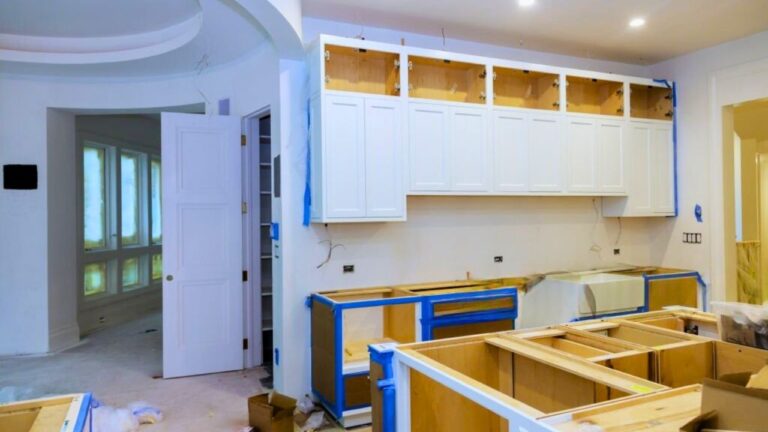
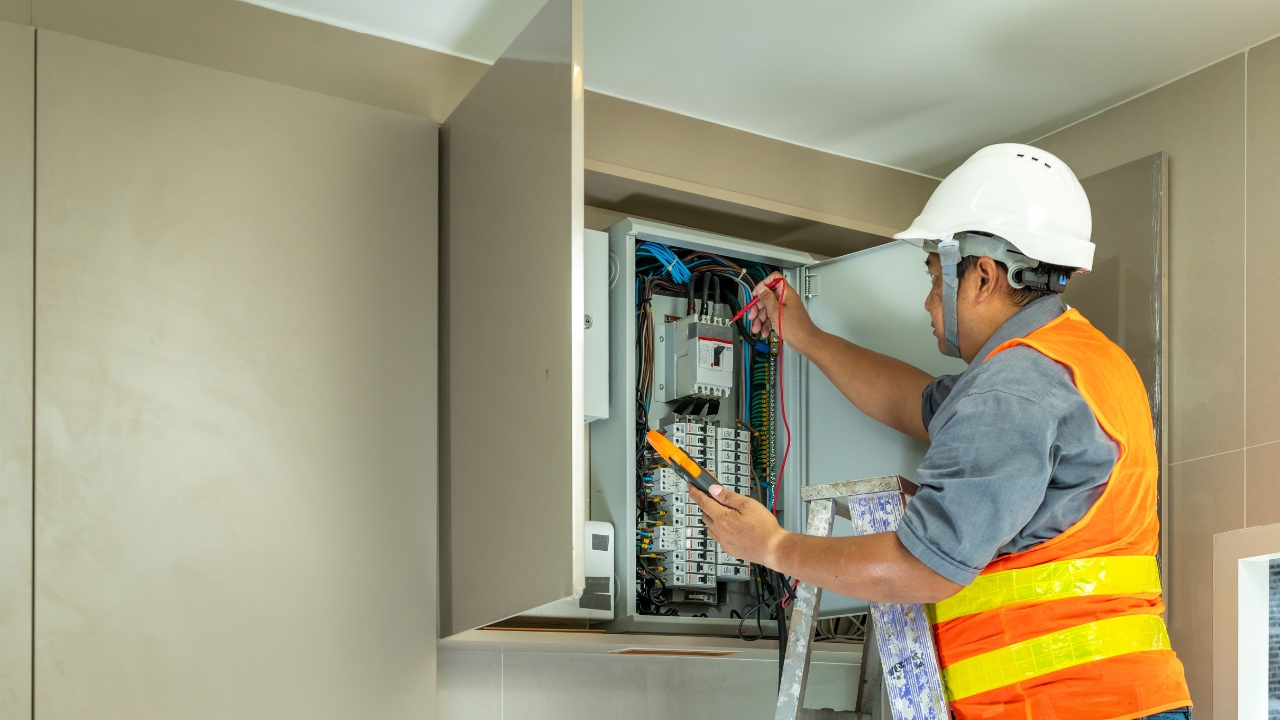
When you open up walls for a remodel, you often expose the one system you rarely think about until it fails: the electrical panel. That gray metal box can quietly turn a dream kitchen or EV‑ready garage into a budget shock, because discovering it is outdated or undersized usually means an expensive, non‑negotiable upgrade. Understanding why that surprise is so common, and why the fix costs so much, helps you plan smarter and avoid making rushed decisions under construction pressure.
Why remodels expose hidden electrical panel problems
Most renovation plans start with finishes and floor plans, but the moment you add induction ranges, stacked laundry, or a Tesla charger, your existing service is forced to reveal its limits. As soon as a contractor pulls permits, inspectors look beyond new cabinets and tile and scrutinize whether your panel can safely handle the added load, which is why panel issues so often surface in the middle of a remodel instead of during everyday use. You might have lived for years with a panel that technically works, yet once you add circuits for a home office, a spa tub, or a mini‑split system, the available capacity and breaker spaces can disappear overnight.
That is why renovation guidance stresses that you should not treat the panel as an afterthought. When you map out new lighting, outlets, and appliances, you are also mapping out how much power your home will draw and whether your existing gear can keep up. Advice aimed at remodelers notes that Home renovations often begin with aesthetics, but skipping an early panel assessment can jeopardize long term safety and function once the new space is energized.
The specific panels that turn into expensive surprises
Some panels are not just old, they are notorious. If your remodel uncovers a Zinsco or similar obsolete brand, you are not dealing with a cosmetic upgrade, you are dealing with equipment that electricians and insurers routinely flag as unsafe. Reporting on outdated gear explains that the breakers inside many Zinsco panels can melt to the main bus bar, which means the breaker can no longer trip properly and the panel can overheat without warning.
Those failure modes are exactly what inspectors look for when you open walls or upgrade service, and they leave you with little room to negotiate. If your remodel drawings hit the permitting desk with one of these panels on the electrical riser, you can expect a replacement requirement before final approval. That is also where insurance concerns start to overlap with construction: guidance on Home inspection red flags notes that outdated or improperly rated breakers can trigger coverage denials, so a remodel can force you to address a risk your insurer might otherwise have missed.
How capacity and code drive the need for an upgrade
Even if your panel brand is acceptable, the underlying math can still push you into an upgrade. Modern homes lean heavily on high draw appliances, from 240‑volt induction cooktops to heat pump dryers and Level 2 EV chargers, and each of those loads eats into the total amperage your service can safely deliver. Guidance on panel sizing emphasizes that Capacity is a primary factor in whether your existing equipment can meet your home’s power needs, and remodels are when that mismatch becomes obvious.
Code cycles also tighten requirements over time, which means a panel that was acceptable when your house was built may no longer pass muster once you touch the system. Every three years, updates to the National Electrical Code add new safety rules, and recent commentary points out that these changes can make it harder to keep using older panels or limited spaces when you add circuits for EV charging or solar. That is why some experts urge you to act before the next round of rules, noting that Nov code changes can tighten the screws on older gear and drive up the cost of waiting.
Sticker shock: what panel upgrades really cost
Once you accept that an upgrade is necessary, the next jolt is the price. In many markets, replacing or upsizing a panel is no longer a four figure afterthought but a major line item that can rival the cost of custom cabinetry. A detailed Electrical cost calculator for California notes that electrical panel upgrades typically cost between $2,000 and $10,000+ in California, depending on complexity, which is a wide range but one that immediately explains why homeowners feel blindsided.
National style guides break those numbers down further by amperage and scope. One pricing breakdown describes how homes larger than 1,800 square feet often need more than a basic 100 amp service, and that upgrading to a higher capacity can add roughly $1,000 to $1,200 on top of other work, according to an Upgrade Electrical Panel Price Guide. Another regional estimate pegs the cost of a typical 200‑amp service replacement at around $2,500, explaining that for a 200-amp upgrade you are looking at about $2,500 before any utility or structural complications, according to Florida‑focused 200-amp guidance.
Why the hardware itself is only part of the bill
It is tempting to assume that most of the cost is the metal box and breakers, but the equipment is often the smallest slice of the pie. One professional breakdown lists a basic 100-amp panel at about $100, while a 400-amp unit can be $500-plus, underscoring how the jump in capacity does not fully explain the final invoice. That same analysis notes that Type of panel counts, with subpanels used for outbuildings or additions adding their own material and labor costs.
Labor, permitting, and ancillary materials are what really drive the total. A cost breakdown focused on Orange County explains that Panel relocation requirements add $600 to $1,500 in additional labor costs because circuits must be extended to reach the new location and every connection has to be reworked. Another contractor notes that Reason Why Upgrading Panels are Expensive is not just the gear but The Panel’s Cost plus required materials and code upgrades, explaining that Reason Why Upgrading are Expensive is that The Panel and Cost are only the starting point once you factor in copper, grounding, and surge protection.
Labor markets, permits, and why timing matters
Beyond the work inside your walls, the broader construction economy is quietly shaping what you pay. Remodelers are operating in a market where skilled electricians are in high demand, and that scarcity shows up in hourly rates and scheduling delays. A recent look at What is Driving Home Improvement Pricing notes that Material Market Realities and skilled trade availability are pushing exterior and interior project costs higher, with intense competition for experienced workers.
Permits and inspections add another layer of time and money that is easy to underestimate when you are focused on countertops. Electricians must coordinate with local building departments and utilities to shut down and re‑energize service, and any failed inspection can mean extra trips and change orders. One detailed cost guide on Nov Cost Variation Factors for Electrical Panel Upgrades explains that factors like local permit fees, service mast upgrades, and utility coordination can significantly increase the Potential Cost Imp beyond the base estimate, especially when you are working in older neighborhoods with tight access.
Safety shortcuts that make things worse, not cheaper
Faced with a big number, some homeowners are tempted to ask for shortcuts, but the wrong compromises can create hazards that are both illegal and expensive to fix later. Electrical safety reports warn that Circuit breakers are designed for specific wire sizes and load capacities, and installing a breaker with higher amperage than the wire can handle defeats the entire purpose of overcurrent protection. That is why experts flag Circuit oversizing and improper working clearances around panels as illegal upgrades that still show up in inspections.
These shortcuts often surface when a remodel uncovers past DIY work or unpermitted additions, and correcting them can add hundreds or thousands of dollars to your current project. Instead of saving money, you end up paying to undo old mistakes before you can even start on the new design. That is why professionals stress that Upgrading an electrical panel is not a simple task and that You need an experienced electrician who understands the full Benefits of an Electrical Panel Upgrade, as outlined in guidance that frames Benefits of doing the work correctly the first time.
How panel upgrades ripple through your remodel budget
Because panel work touches so many parts of the house, the financial impact goes beyond the electrician’s invoice. If your main service location changes, you may need drywall repair, exterior stucco or siding patching, and sometimes even new trenching for relocated feeds, each of which pulls in additional trades. A detailed replacement guide that walks through the Average Cost of notes that a Basic 100-amp panel replacement can run from $1,200 upward, and that a 400‑amp upgrade can reach $4,500 or more once all associated work is included.
Those numbers can force you to reshuffle priorities mid‑project, cutting back on finishes or delaying other upgrades to keep the overall budget intact. At the same time, skipping the panel work is rarely an option if you want permits signed off and insurance intact. That is why some contractors encourage clients to treat the panel as infrastructure, like a roof or foundation, and to reserve contingency funds for it from the start, rather than raiding the lighting or appliance budget when the electrician delivers the news.
Why the investment can still be worth it
Despite the pain of an unplanned expense, a properly sized and modern panel can pay you back in ways that are easy to overlook when you are staring at a quote. A robust service gives you room for future projects, from backyard studios to heat pump conversions, without another round of invasive work. One analysis of Electrical Panel Upgrade benefits highlights improved safety, fewer nuisance trips, and better support for modern electronics as key long term advantages.
There are also direct financial stakes tied to insurance and resale. Guidance on outdated equipment warns that certain panels can get your home insurance denied or cancelled, particularly in states that track high fire risk, and that in most cases replacement is the only safe option for older gear. Florida‑focused advice notes that for a typical $2,500 service upgrade, insurers may even help offset the cost, which makes the panel less of a sunk cost and more of a strategic investment in your home’s financial stability.
Like Fix It Homestead’s content? Be sure to follow us.
Here’s more from us:
- I made Joanna Gaines’s Friendsgiving casserole and here is what I would keep
- Pump Shotguns That Jam the Moment You Actually Need Them
- The First 5 Things Guests Notice About Your Living Room at Christmas
- What Caliber Works Best for Groundhogs, Armadillos, and Other Digging Pests?
- Rifles worth keeping by the back door on any rural property
*This article was developed with AI-powered tools and has been carefully reviewed by our editors.