The electrical repair homeowners assume is optional—but isn’t
When you think about electrical work at home, you probably picture dramatic fixes like rewiring a whole house or replacing a charred outlet after a short. The repair that quietly shapes your safety, your insurance options, and even your resale value is more mundane: keeping your wiring and service panel up to current standards. Treating that as a “nice to have” instead of a requirement can leave you exposed in ways that only become obvious after a fire, a failed inspection, or a denied claim.
The core reality is simple. Your electrical system is not a static feature you inherit and forget. As codes evolve and your home’s power demands grow, you are expected to maintain that system so it remains safe and insurable. The work you postpone today can become the repair you are forced to complete later, on a tighter timeline and at a much higher cost.
The hidden obligation behind your wiring
Most homeowners think of electrical work as reactive, something you schedule only when a breaker trips repeatedly or a light stops working. In practice, you are taking on an ongoing obligation the moment you buy a house: you are responsible for keeping the wiring and panel in safe, working condition that aligns with modern expectations. Basic homeowners policies are built around that assumption, and they typically only step in when a covered peril, such as a fire or lightning strike, damages your electrical system, not when age or neglect finally catches up to it, as outlined in guidance on electrical wiring.
That distinction matters because it turns “optional” upgrades into de facto requirements. If your wiring is so outdated or deteriorated that it is considered a known hazard, your insurer can treat it as a maintenance issue rather than an insurable risk. When that happens, you may find that coverage is limited, premiums are inflated, or a claim is scrutinized through the lens of what you should reasonably have fixed already. The repair you thought you could delay becomes the condition for keeping your policy in good standing at all.
Why insurers care about what is behind your walls
From an insurer’s perspective, your wiring is not just a tangle of copper and breakers, it is one of the biggest predictors of whether your house will suffer a catastrophic loss. That is why your homeowners policy often treats damaged wiring as part of the dwelling, with coverage that can extend to components like the electrical panel and permanently installed fixtures when they are harmed by a covered event, as described in standard explanations of electrical repairs. The catch is that this protection assumes the system was reasonably safe to begin with.
If your home still relies on older methods such as knob and tube or aluminum branch circuits, you are no longer in a gray area. Some carriers now treat those systems as a special risk category, and they may require documentation, charge higher premiums, or decline coverage entirely unless you upgrade. That is why policy language around endorsements and exclusions has become more explicit about what is considered acceptable wiring and what is not. You are effectively being told that bringing your system up to a safer standard is part of the price of admission for comprehensive coverage.
Outdated wiring and the “optional” upgrade myth
It is tempting to assume that if your lights turn on and your breakers are not constantly tripping, your wiring is “good enough.” Yet many of the systems that worry insurers the most can function for years before they fail in a way you notice. Guidance on knob and tube and aluminum wiring underscores that these older methods can be especially vulnerable to overheating, loose connections, and insulation breakdown. The risk is not that they never worked, it is that they were designed for a very different era of household loads and safety expectations.
Insurers have responded by tightening their underwriting around these legacy systems. Some explicitly flag knob and tube or aluminum wiring as a reason to limit or deny coverage unless you replace it, while others treat it as a justification for significantly higher premiums. In practice, that means the “optional” decision to rewire is already being priced into your policy. You can either pay for the upgrade on your own schedule or pay for it indirectly through insurance costs and the looming possibility that a claim will be questioned because you chose not to address a known hazard.
When code updates turn a small loss into a big repair
Even if your wiring is not especially old, you are still living in a moving target. Electrical codes evolve, and when part of your system is damaged, the repair often has to meet the current standard, not the one in place when your home was built. That is where the concept of “ordinance or law” coverage comes in. Without it, you may find that your policy pays to restore what you had, but not to bring the rest of the system into compliance with the latest rules, a gap that becomes especially painful in older homes where a small repair can trigger a cascade of required upgrades.
Imagine a localized electrical fire that damages a portion of your panel and a few circuits. Once the work begins, the electrician and local inspector may determine that the entire panel, bonding, or grounding system must be brought up to current code. If your policy does not include the right endorsement, those extra costs can fall squarely on you. In that scenario, proactively updating your panel or adding the appropriate coverage is not a cosmetic choice, it is the difference between a manageable deductible and a five-figure surprise.
What home inspectors and electricians actually expect from you
Long before an insurer weighs in, other professionals are already judging your electrical system. When you buy or sell a house, the inspector is expected to follow standards set by organizations such as the American Society of, which emphasize safety and function rather than cosmetic appeal. That means they are looking for issues like undersized service, outdated panels, improper grounding, and visible signs of overheating or amateur work, even if everything still “works” when you flip a switch.
Electricians take a similar view. In professional forums, working electricians routinely explain that while your home does not have to be retrofitted to the very latest code in every respect, any new work must meet current standards and obvious hazards must be corrected. In one widely cited discussion on code compliance, tradespeople stress that you cannot simply keep adding circuits or fixtures to an outdated panel or overloaded system and expect inspectors or insurers to look the other way. From their perspective, upgrading unsafe components is part of the basic responsibility of owning the property.
Insurance, warranties, and the limits of “it was working yesterday”
When something does go wrong, you might assume that between homeowners insurance and a home warranty, you are covered from every angle. The reality is more conditional. Standard policies often cover sudden damage to wiring and panels caused by specific perils, but they typically exclude gradual wear, improper installation, or unauthorized repairs, as spelled out in detailed explanations of coverage limits. If your panel fails because it was overloaded for years or modified by an unlicensed handyman, you may find yourself outside the safety net.
Home warranties can help, but they come with their own fine print. Many plans advertise coverage for electrical systems, yet they often restrict that promise to specific components and only when the original installation was done correctly. Some explicitly list electrical coverage as part of their offerings, while separate language on wiring and outlets clarifies that basic in‑wall wiring and standard receptacles are usually covered only if they fail from normal wear and tear. If an inspector or contractor later concludes that your system was unsafe or noncompliant, both the insurer and the warranty provider have clear grounds to deny payment.
How your panel and switches warn you before a crisis
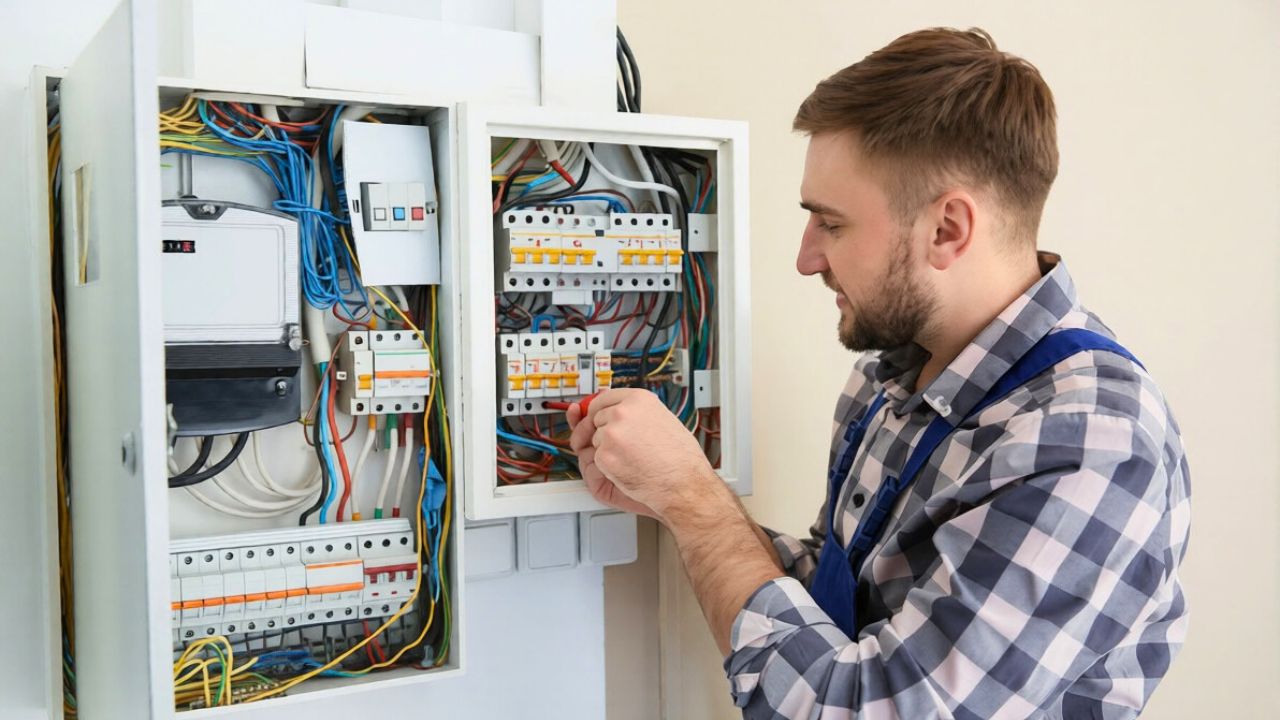
One reason homeowners treat electrical upgrades as optional is that the warning signs can be subtle. A panel that is quietly overheating or a circuit that is barely within its limits does not announce itself until something fails dramatically. Yet there are early clues. Service companies that specialize in electrical panels point to issues like frequent breaker trips, rust or corrosion inside the panel, buzzing sounds, and a panel that is warm to the touch as signs that repair or replacement is no longer optional if you want a safe, insurable system.
Your switches and fixtures can send similar messages. Persistent flickering lights, outlets that feel loose, or switches that crackle when you use them are not just annoyances, they can be symptoms of loose connections, failing devices, or overloaded circuits. Addressing those problems promptly is not about chasing perfection, it is about preventing the kind of arcing and overheating that can lead to fires, inspections, and difficult conversations with your insurer about why the issue was left uncorrected.
Why buried lines and exterior systems are your problem too
Even if the wiring inside your walls is sound, parts of your electrical system that you rarely see can still create expensive surprises. Basic homeowners policies often draw a hard line between the house itself and the infrastructure that feeds it. Coverage explanations for certain exterior damage note that buried utility lines on your land that serve your home are typically excluded from standard protection. If a tree root crushes a buried electrical conduit between the street and your meter, you may discover that the repair is entirely on you.
That gap in coverage is another reason routine electrical assessments are not optional. A qualified electrician can evaluate not just your panel and interior circuits, but also the condition of service masts, meter bases, and visible portions of underground feeds. In some cases, you can add endorsements or separate coverage for service lines, but those options are usually contingent on the system being in good condition at the time you apply. Waiting until a failure forces the issue can leave you paying for excavation, replacement, and restoration out of pocket.
Real‑world consequences: insurance shopping and resale headaches
The practical fallout from ignoring electrical upgrades often shows up when you try to change insurers or sell your home. In one widely shared discussion, a homeowner browsing for coverage on a house with knob and tube wiring found that the electrical system was a central concern for carriers. Commenters noted that even “abandoned” legacy wiring in the walls could complicate underwriting and that upgrading could save a “boatload” on insurance. That is not an isolated experience, it is a preview of what you can expect if your system is visibly behind the times.
On the resale side, buyers and their lenders rely heavily on inspection reports. When an inspector flags outdated panels, overloaded circuits, or unsafe wiring methods, the issue often becomes a negotiation point or even a financing obstacle. Lenders may require that certain hazards be corrected before closing, and buyers may insist on a price reduction or seller‑paid repairs. By treating electrical upgrades as discretionary, you are effectively betting that future buyers, inspectors, and underwriters will be more relaxed about safety than the professionals advising them. That is rarely a winning wager.
Planning the “non‑optional” repair on your terms
Once you accept that keeping your electrical system up to standard is not optional, the question becomes how to do it strategically. Start by getting a clear picture of what you have. A licensed electrician can evaluate your panel capacity, wiring type, grounding, and visible connections, then prioritize what truly needs attention. If the assessment reveals that your panel is undersized or obsolete, remember that upgrading it to accommodate increased demand is usually treated as a home improvement rather than an insurable loss, which means you should budget for it like any other major project instead of expecting your policy to pay.
Like Fix It Homestead’s content? Be sure to follow us.
Here’s more from us:
- I made Joanna Gaines’s Friendsgiving casserole and here is what I would keep
- Pump Shotguns That Jam the Moment You Actually Need Them
- The First 5 Things Guests Notice About Your Living Room at Christmas
- What Caliber Works Best for Groundhogs, Armadillos, and Other Digging Pests?
- Rifles worth keeping by the back door on any rural property
*This article was developed with AI-powered tools and has been carefully reviewed by our editors.