The electrical upgrade that sounds optional until inspection day
By the time an inspector is standing in your basement, the question of whether your electrical panel upgrade is “optional” has already been answered for you. What looked like a nice-to-have improvement suddenly becomes the one item that can stall a renovation, derail a home sale, or trigger a scramble for emergency permits and rewiring. If you understand how inspectors think about capacity, safety, and paperwork long before that visit, you can turn a dreaded surprise into a planned project that protects both your budget and your resale value.
At its core, the story is simple: modern homes draw more power than many older panels were ever designed to handle, and code officials are increasingly unwilling to sign off on big projects that sit on top of outdated or undocumented electrical systems. The upgrade you might be tempted to postpone is often the quiet prerequisite for everything else you want to do with the property.
Why inspectors care about your panel more than you do
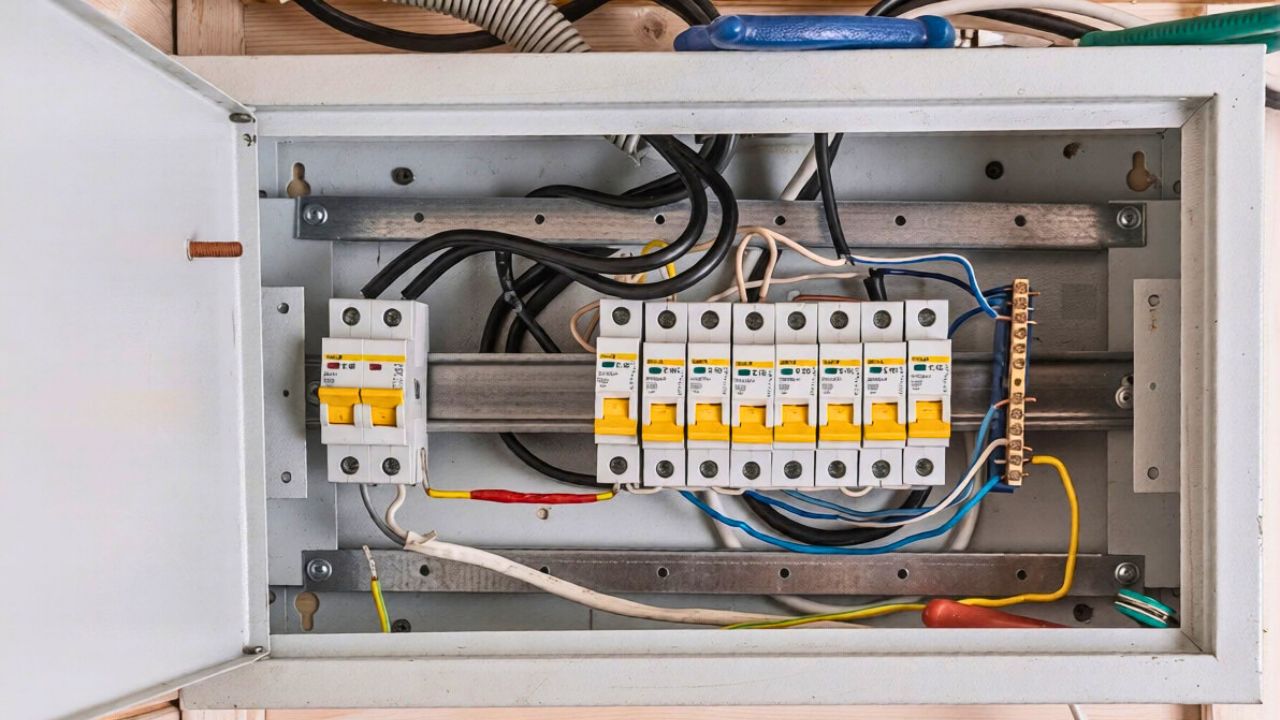
When you look at your electrical panel, you probably see a metal box that “still works.” An inspector sees the backbone of the entire safety system that keeps your wiring from overheating, your breakers from failing, and your appliances from pulling more power than the service can safely deliver. That is why an electrical contractor in a homeowner discussion about accessory dwelling units flatly told the group that, based on the planned load, the owner would “need a panel upgrade” for the project to pass inspection, and that whether it would be approved would “then” depend on how the rest of the work complied with code, a point captured in a Feb thread.
Inspectors also know that many homeowners underestimate how much has changed behind the walls since their panel was installed. A service that was sized for a few incandescent lights, a refrigerator, and a basic electric range now has to support induction cooktops, heat pumps, car chargers, and racks of always-on electronics. Guidance for homeowners on Sep service panel upgrades stresses that increasing capacity is particularly beneficial for homes with large families, properties undergoing renovations, or households planning to add energy intensive equipment, and that any upgrade has to comply with current electrical codes, which is exactly what inspectors are paid to enforce.
Service change, panel swap, or full replacement?
One reason the upgrade conversation feels slippery is that you hear different terms for what sounds like the same job. In reality, you might be dealing with a service change, a panel replacement, or a combination of both, and inspectors care which one you are actually doing. A detailed homeowner guide explains that, While people often use these phrases interchangeably, a service change addresses the equipment that brings power from the utility to your home, while a panel upgrade focuses on the distribution box and breakers that send that power through your circuits.
Electricians also draw a line between a straightforward upgrade and a situation where the panel must be replaced outright. One contractor lays this out in a table titled When Panel Replacement, which distinguishes jobs that are “Not Just” an Upgrade. In that breakdown, you see clear “Replace If” scenarios, such as panels that are damaged, obsolete, or recalled, and “Upgrade If” situations, where the hardware is sound but the home simply needs more capacity or additional circuits. Inspectors will often push you from the second column into the first if they see corrosion, missing covers, or brands that have known safety issues.
How modern loads quietly outgrow old capacity
Even if your panel is technically functional, the way you live in the home can push it past what it was designed to handle, and inspectors are trained to spot that mismatch. A homeowner guide on Everything to know about a home electrical service upgrade notes that a service change up in amperage is often needed when you add major loads like air conditioning, hot tubs, or electric vehicle chargers. Each of those additions might seem modest on its own, but together they can overwhelm a 60 or 100 amp service that was installed decades ago.
Contractors who specialize in residential work echo that pattern. Advice on how and when to upgrade a residential service panel points out that boosting capacity is particularly beneficial for homes with large families, properties in the middle of renovations, or owners planning to add energy intensive appliances. Inspectors reviewing permit applications for kitchen remodels, finished basements, or accessory units will look at your load calculations through that same lens, and if the numbers do not work, they will flag the panel as a prerequisite to approving the rest of the project.
The permit trap that turns “optional” into mandatory
Where many homeowners get caught is not the hardware itself but the paperwork behind it. In most jurisdictions, upgrading an electrical panel is not something you are allowed to do quietly on a weekend without telling anyone. A detailed permit guide explains that you typically need formal approval before work begins, and that inspectors will want to verify both the capacity and the workmanship before they sign off on the upgrade.
The consequences of skipping that step are more than theoretical. In a follow up section titled What happens if you upgrade your electrical panel without a permit but everything is up to code, the same guide notes that You could face fines up to $1,000, in addition to being required to open walls or redo work so an inspector can verify that the system can handle the extra load without hazards. That is the moment when an upgrade that felt like a discretionary improvement suddenly becomes a very expensive obligation.
When a buyer’s inspector is tougher than the city
Even if your local building department has never forced the issue, a buyer’s inspector can. In a widely shared story from a homebuyer, the inspection report they received was a 106 page document packed with photos and flagged issues, including structural concerns like the front staircase collapsing. Electrical problems often sit in the same category of “deal breaker” items, because they signal both immediate safety risks and potential hidden defects elsewhere in the house.
In that case, the buyers ultimately walked away, a decision they later discussed in more detail in the Mar discussion. If your panel is outdated, visibly overloaded, or clearly modified without permits, you should expect a similarly detailed report to land in a buyer’s inbox, and you may find yourself either negotiating a credit for a full upgrade or watching the deal collapse. In that context, upgrading the panel before listing can be less about personal convenience and more about controlling the narrative when the inspector arrives.
The nightmare of an unpermitted “upgrade”
Some of the most painful inspection stories involve panels that were upgraded, but not legally. One homeowner discovered that a previous owner had replaced an OUTDOOR MAINS panel roughly eight years earlier without pulling a permit. When an inspector finally saw it, he said he could tell the panel had been swapped and warned that bringing everything into compliance could cost the current owner on the order of $1k or more in additional work and fees, a scenario the owner described in an Edit to their post.
That kind of discovery is particularly galling because the person who skipped the permit is long gone, yet you are the one who has to fix it. A separate link to the same case, shared through a Apr discussion, underscores how inspectors can spot telltale signs of recent work even when no drywall was involved. For you, the lesson is blunt: if you are going to invest in a panel upgrade, make sure it is permitted and inspected in your name, so you are not left defending someone else’s shortcuts when you sell or refinance.
What the upgrade day actually looks like
Part of the reluctance to tackle a panel upgrade comes from not knowing how disruptive it will be. In practice, the work is more structured than many homeowners expect. A step by step guide on what to expect from an electrical panel upgrade explains that the electrician will coordinate with the utility, shut off power, remove the old panel, install the new equipment, and restore service, typically within a single workday, a process outlined in a detailed homeowner overview.
Another contractor focused on residential work notes that, Yes, most panel replacements require several hours of outage, typically scheduled during the day, and that Most of the work is concentrated in that window rather than stretched over several days or weeks. Your electrician will usually handle the coordination with inspectors as well, scheduling a final visit so the new panel can be approved and the permit closed, which is the piece that keeps future buyers and appraisers from raising red flags.
How pros decide between “upgrade” and “replace”
When you invite an electrician to look at your panel, you are not just buying labor, you are buying judgment about what inspectors will accept. A detailed explanation of panel decisions lays out a table labeled When Panel Replacement, which separates jobs that are “Not Just” an Upgrade. In the “Replace If” column, you find conditions like rusted enclosures, missing dead fronts, or brands with documented safety problems, any of which can prompt an inspector to require a full replacement even if you only asked for a few new circuits.
In the “Upgrade If” column, by contrast, the focus is on capacity and layout. You might have a structurally sound panel that simply does not have enough spaces for the circuits you need, or a service that is undersized for a planned addition. In those cases, electricians will often recommend a service change and panel upgrade that align with the guidance in Everything to know about a home electrical service upgrade, which stresses that the work should be sized for both current and future loads. That forward looking approach is what keeps you from having to reopen the panel when you add a heat pump, a second EV charger, or a backyard studio a few years down the line.
Turning inspection day into a formality, not a cliffhanger
If there is a single way to keep your electrical system from becoming a last minute crisis, it is to treat the panel as infrastructure, not decor. That means planning upgrades alongside major projects, not after them, and looping in both your electrician and your local building department early. The guidance on service changes emphasizes that the panel and the service entrance work together as a system, and that addressing them proactively can simplify everything from remodel permits to future solar or battery installations.
It also means respecting the paper trail. The permit guide that warns you could face fines up to $1,000 for unpermitted work is not just scolding, it is explaining how inspectors think about risk and accountability. The same logic runs through the As an electrical contractor myself comment that you will “need to upgrade the panel” for certain projects, and through the This is particularly beneficial framing that ties upgrades to code compliance. If you align your expectations with that mindset, inspection day stops being a cliffhanger and becomes what it should be: a brief, predictable check on work you already know is built to pass.
Like Fix It Homestead’s content? Be sure to follow us.
Here’s more from us:
- I made Joanna Gaines’s Friendsgiving casserole and here is what I would keep
- Pump Shotguns That Jam the Moment You Actually Need Them
- The First 5 Things Guests Notice About Your Living Room at Christmas
- What Caliber Works Best for Groundhogs, Armadillos, and Other Digging Pests?
- Rifles worth keeping by the back door on any rural property
*This article was developed with AI-powered tools and has been carefully reviewed by our editors.