The extension cord problem that shows up every winter, and how to stop overheating outlets
Every winter, you ask more of your outlets and extension cords than at any other time of year, piling on space heaters, holiday lights, and outdoor decorations. That extra demand quietly exposes a weak link in many homes: overheated cords and wall plates that can turn a cozy scene into a serious fire risk. Understanding why this happens, and how to structure your wiring and habits to avoid it, is the difference between a safe season and a close call.
The problem is not just that cords feel warm, it is that overloaded circuits, tired outlets, and improvised power strips can push your system past what it was ever designed to handle. By learning how heat builds up, how to spot early warning signs, and how to match cords and outlets to the loads you plug in, you can keep your winter setup bright and comfortable without flirting with an electrical emergency.
Why winter exposes the extension cord problem
Cold weather changes how you use electricity, and that shift is exactly what brings the extension cord problem to the surface. You plug in portable space heaters, electric blankets, and outdoor inflatables, then layer on strings of lights and smart yard displays, all of which add up to a sharp spike in current flowing through cords and outlets. Reporting on winter fire patterns points to Increased Use of Heating Equipment and Holiday Decorations and Increased electrical loads as top reasons winter sees more electrical fires, especially when those devices are plugged into extension cords instead of directly into properly rated outlets.
At the same time, you are more likely to run cords under rugs, through doorways, or out windows to reach outdoor displays, which traps heat and exposes insulation to damage. Safety guidance on Best Winter Electrical Safety Practices stresses that frayed or outdated electrical wiring and cords are already vulnerable, and winter habits like pinching cords in windows or letting them sit in slush accelerate that wear. When you combine higher current with damaged insulation and tight spaces that cannot shed heat, you create the perfect conditions for overheated outlets and cords that quietly smolder behind furniture or under snowbanks.
How overheating actually starts in cords and outlets
To stop overheating, you first need to understand how it starts. Every cord and outlet is designed to carry a specific amount of current, measured in amps, and when you exceed that rating the wiring inside behaves like a resistor, converting excess electrical energy into heat. Technical guidance on Common Causes of Overheating in outdoor cords points to Exceeding the Cord Amperage or Wattage Capacity as the primary trigger, especially when you daisy chain multiple devices or use a light-duty cord for a heavy heater.
Outlets themselves can also become hot spots when loose connections or worn contacts create tiny gaps where electricity has to “jump,” generating heat at the plug face. Electricians warn that Hot electrical outlets can indicate problems like Faulty Wiring or undersized conductors, and that Another common issue arises When wires are not the proper size for the load. That means even if your breaker does not trip, the outlet and cord can be running dangerously hot long before you notice a problem.
The hidden limits of household outlets and circuits
Most people treat every receptacle as an open invitation to plug in one more device, but each outlet is tied to a circuit with a hard ceiling. Residential branch circuits are typically rated at 15 or 20 amps, and guidance on holiday lighting reminds you that Every Outlet Has a Limit. Most household circuits fall into that 15 or 20 amp range, and When you exceed those limits, you are relying on the breaker to save you from a fire.
The catch is that breakers are designed to protect the permanent wiring in your walls, not the cheapest cord in the chain. Electrical troubleshooting videos on Overheating Equipment explain that Breaker Protection is working as intended when it trips to shield the wall wiring, but it will not necessarily react in time to protect an undersized extension cord that is already melting. That is why you cannot treat a non tripping breaker as proof that your setup is safe, especially when you have multiple high draw devices feeding through a single outlet or power strip.
Why extension cords are a leading fire risk in winter
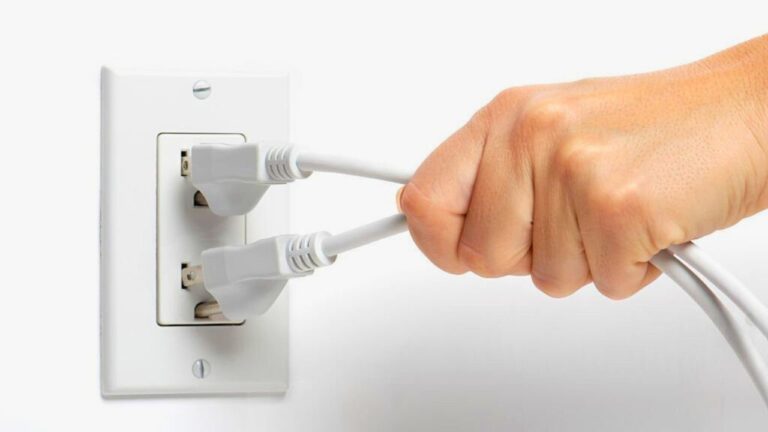
Extension cords are meant to be temporary, yet winter habits turn them into semi permanent infrastructure. You run them behind couches, across garages, and out to sheds, then forget about them for weeks while heaters and decorations pull steady current. Fire safety guidance on Common Causes of Electrical Fires lists How to Prevent problems by avoiding the use of too many cords at once, because each extra connection is another point of failure that can overheat or arc.
National safety regulators go further, warning that Household Extension Cords Can Cause Fires if you do not Choose the right gauge and length for the job and follow the Extension manufacturer’s instructions. In winter, that risk is amplified by moisture, snow, and ice, which can seep into connections and create short circuits or corrosion that further increases resistance and heat. When you combine those conditions with flammable surroundings like dry Christmas trees, cardboard boxes, or stacked firewood, a single overheated cord can ignite a much larger disaster.
How to match cords and outlets to the load you need
Preventing overheating starts with sizing your equipment correctly, not just plugging in whatever cord is closest. For high draw devices like space heaters, snow blowers with electric starters, or outdoor heaters, you need heavy duty cords with thick conductors and clear labeling for 15 or 20 amp service. Winter specific guidance on Choose the Right Extension Cord for Cold Weather stresses that outdoor rated cords are built to stay flexible in low temperatures and to resist cracking, which helps prevent internal damage that can lead to hot spots.
You also need to think about where those cords land. Plugging a heavy load into a worn outlet or a daisy chained power strip is asking for trouble, because the weakest link will overheat first. Electricians recommend that you Consider the total load on each circuit and Avoid Overloading by spreading heaters and decorations across multiple outlets that are on different breakers. If you routinely find that one outlet is hot to the touch or that lights dim when a heater kicks on, that is a sign you may need some system upgrades rather than another extension cord.
Safer setups for space heaters, lights, and outdoor gear
Some devices are notorious for pushing outlets to their limits, and they deserve special treatment in winter. Portable heaters should almost always be plugged directly into a wall receptacle, not into a cord or strip, and they should sit on stable, non combustible surfaces with at least three feet of clearance. Holiday safety advice on Using Space Heaters Safely During cold snaps emphasizes keeping them on flat surfaces away from any obstructions, which reduces both fire risk and the chance that a tipped heater will overheat a cord or outlet.
Outdoor heaters and patio setups add another layer of complexity, because their cords often run across wet decks or frozen ground. Guidance on Safe Power Cord Management for Outdoor Heaters recommends specific Essential Safety Requirements and careful Cord Selection, including cleaning connection points regularly and keeping a fire extinguisher near outdoor heating areas. That kind of planning keeps plugs dry, reduces corrosion that can increase resistance, and ensures that if something does go wrong, you are not scrambling to respond.
Outdoor and holiday outlets: moisture, snow, and overload
Outdoor outlets face a different set of threats than the ones behind your couch, and winter magnifies each of them. Snow, sleet, and freeze thaw cycles can drive moisture into covers and boxes, where it can corrode contacts and create paths for current to leak, generating heat and tripping ground fault devices. Homeowner guidance on Holiday and Outdoor Outlet Safety frames this as one of the Simple Tips for Homeowners, warning that Common Outdoor and Holiday Risks often start with Poor placement of cords and connections.
One of the simplest fixes is to Keep Connections Dry and Off the ground, which reduces the risk of shock or short circuits when snow melts and refreezes. Winter specific extension cord advice reinforces this point, urging you to Keep Connections Off the Ground and Out of the snow so you do not end up with buried plugs that quietly corrode or overheat. Simple hardware like in use covers, cord domes, and wall mounted hooks can keep plugs elevated and dry, which in turn keeps resistance and heat buildup under control.
Early warning signs your outlet is in trouble
Overheating rarely starts with flames, it starts with subtle clues that your outlets and cords are under stress. A wall plate that feels warm to the touch, discoloration around the slots, or a faint burning smell are all signs that something is wrong behind the cover. Electricians advise that you treat a hot receptacle as a serious warning, because This is particularly important for older homes where aging wiring and loose connections may mean repairs or upgrades are needed.
You should also pay attention to how your system behaves under load. If lights flicker when a heater cycles on, if breakers trip repeatedly, or if plugs feel loose and wiggle in the outlet, those are all signs of stress that can lead to overheating. Detailed troubleshooting guides note that Hot electrical outlets can indicate issues like arcing, overloaded circuits, or deteriorated insulation, all requiring immediate professional attention rather than another power strip or cord.
Habits that keep outlets cool all season
Once you understand the risks, the fixes are mostly about disciplined habits. Start by limiting how many high draw devices you plug into a single circuit, and by using modern LED holiday lights that sip power instead of older incandescent strings that run hot. Seasonal safety checklists emphasize that Keeping these tips in mind lets you enjoy festive lighting without a high fire risk, especially when you combine efficient bulbs with properly rated cords and outlets.
It also helps to be choosy about the products you bring into your home. Electrical pros recommend that you Check for Certification Marks and Ensure Products are tested by recognized labs, which reduces the chance that a bargain cord or plug will fail under winter loads. Combine that with regular inspections of cords for nicks and Repair Frayed or Outdated Electrical Wiring before the season starts, and you dramatically lower the odds that your outlets will overheat when the temperature drops outside.
Like Fix It Homestead’s content? Be sure to follow us.
Here’s more from us:
- I made Joanna Gaines’s Friendsgiving casserole and here is what I would keep
- Pump Shotguns That Jam the Moment You Actually Need Them
- The First 5 Things Guests Notice About Your Living Room at Christmas
- What Caliber Works Best for Groundhogs, Armadillos, and Other Digging Pests?
- Rifles worth keeping by the back door on any rural property
*This article was developed with AI-powered tools and has been carefully reviewed by our editors.