The exterior mistake that leads to long-term water damage
Water rarely announces itself with a dramatic flood. In most houses, the real damage starts quietly at the exterior, where a small oversight lets moisture creep into walls, framing, and foundations for years before you notice the stains inside. The most costly problems usually trace back to one basic error: treating the outside of your home as decoration instead of as a working water management system.
When you see siding, paint, shingles, and trim as cosmetic, you are far more likely to skip repairs, ignore hairline cracks, and delay basic maintenance that keeps water out. That single mindset mistake, repeated over seasons of rain and snow, is what turns a manageable repair into structural decay, mold, and foundation trouble that can run into five figures.
The real mistake: treating the exterior as “just looks”
If you think of your exterior as a color choice rather than a protective shell, you are already on the path to long term water damage. The outer skin of your house is a layered system that sheds rain, channels runoff, and shields vulnerable materials from constant moisture. When you see peeling paint or a loose piece of trim as an eyesore instead of a failed seal, you miss the early warning that water is already finding a way in, often behind the surfaces you can see.
Specialists stress that siding and paint do more than make a façade attractive, they form a weather barrier that keeps framing and sheathing dry. When you overlook blistering, gaps, or soft spots, you allow water to sit against wood and insulation, causing deterioration beneath the surface that you will not see until it has already spread. Understanding that your exterior is a functional system, not a decorative shell, is the first step to changing how you prioritize repairs.
How water actually gets in: the hidden pathways
Water does not need a dramatic opening to invade your home, it only needs a consistent path. The most common routes are surprisingly ordinary: minor roof leaks, small cracks in exterior walls, clogged gutters that overflow at the eaves, and poorly sealed joints around windows and doors. Each of these openings may only admit a trickle during a storm, but repeated over months, that trickle saturates insulation, seeps into framing, and eventually shows up as stains or warped finishes inside.
Contractors who track the Common Causes of in Your Home point out that one of the most common sources is roof and exterior leaks that slowly soak walls, floors, and ceilings. When that moisture reaches interior finishes, the underlying structure has often been wet for a long time. By the time you see bubbling paint or a sagging section of drywall, the real problem is already inside the wall cavity, where you cannot fix it with a quick patch.
Roof trouble: from missing shingles to chronic leaks
Your roof is the first surface that meets rain, so small defects there have outsized consequences. When you ignore a few curled or cracked shingles, you are effectively leaving gaps in the armor that protects your sheathing and attic. Water follows gravity, so it will work under Damaged or Missing Shingles, soak the underlayment, and eventually drip into insulation and ceiling cavities. Because this process is slow, you may not see a visible leak until the decking has already started to rot.
Guides to the Common Causes of emphasize that Shingles are your roof’s first line of defense, and once they are compromised, every storm accelerates the damage. Flashing around chimneys, vents, and valleys is another weak point, especially when sealant dries out or metal pulls away from the surface. If you treat these issues as cosmetic, you miss the chance to stop water at the top of the house, where repairs are relatively straightforward compared with replacing saturated rafters or rebuilding a moldy attic.
Siding and paint: the underrated water barrier
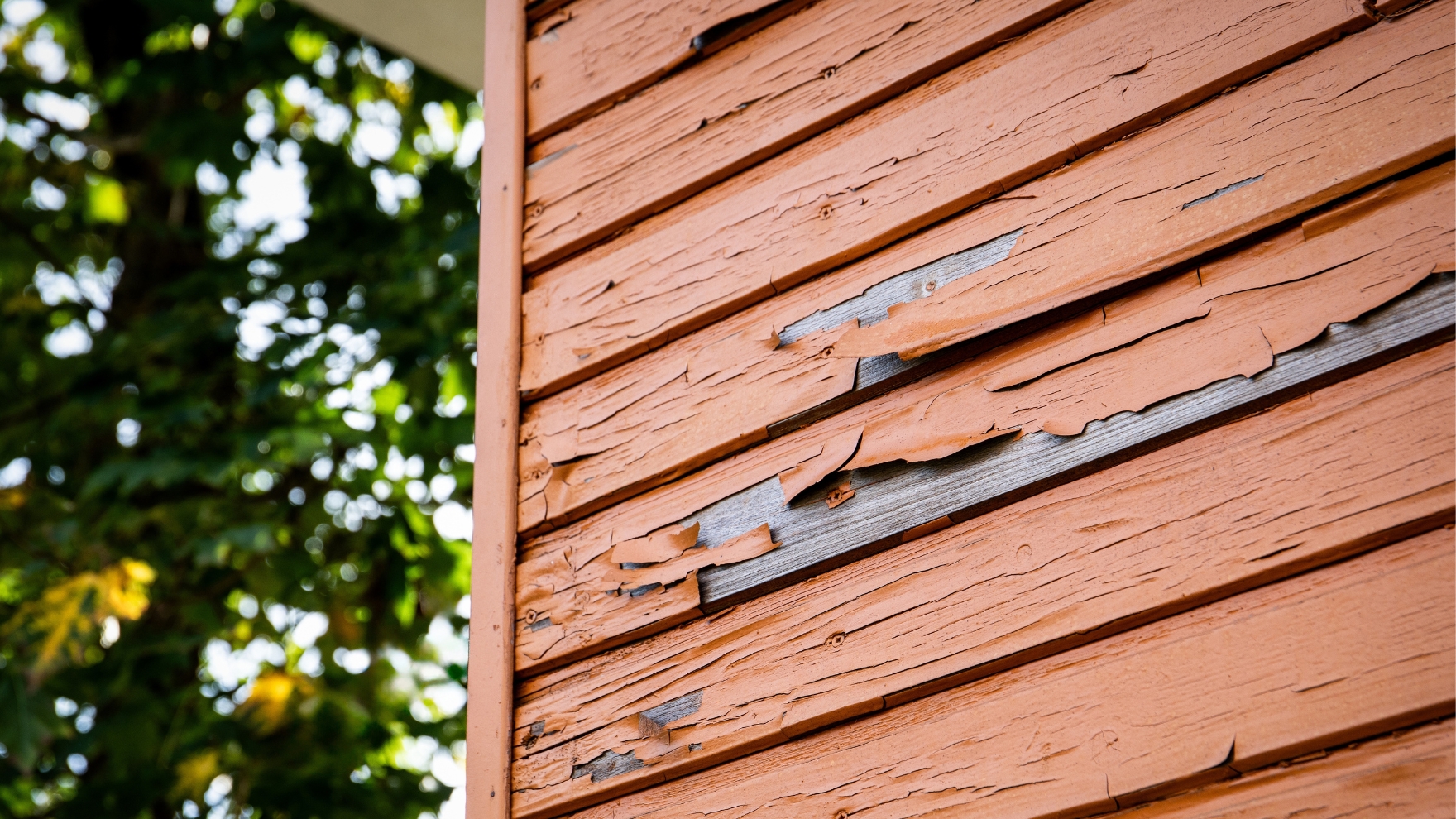
On the walls, siding and paint are not just there to match your neighbors. They form a continuous skin that sheds rain and shields the sheathing and framing behind them. When boards warp, caulk cracks, or paint peels down to bare material, water can sit against the wall instead of running off. Over time, that trapped moisture seeps into nail holes, joints, and seams, feeding rot and inviting insects that thrive in damp wood.
Experts who focus on How to Identify and Prevent Water Damage on Your Home’s Siding note that siding serves as a critical protective barrier for a home, shielding it from rain, snow, and wind driven moisture. They also warn that roof leaks and flashing failures can channel water behind siding, where it accelerates structural decay even if the outer surface still looks intact. Other specialists underline that siding and paint do more than add curb appeal, they prevent water from penetrating and causing deterioration beneath the surface. When you skip repainting or ignore soft spots, you are effectively choosing to let water sit where it should never reach.
Exterior walls and foundations: where small cracks become big problems
Below the roofline, your exterior walls and foundation are constantly exposed to splashing rain, snowmelt, and groundwater. Hairline cracks in stucco, brick mortar, or concrete may look harmless, but they act like tiny gutters that draw water deeper into the structure. Once inside, moisture can freeze and expand in cold climates, widening the opening and accelerating the cycle of damage. Over time, this process can compromise both the finish and the structural elements behind it.
Contractors who document the Signs of Exterior emphasize that Your home tries to tell you when something is wrong. They advise you to Look for cracks in the exterior finish, bulging areas, or staining that suggests water is getting in. Another analysis of exterior wall damage is blunt: Water Damage is the primary culprit, and even the best repairs will not last if water keeps coming. If you treat cracks as a cosmetic flaw instead of a moisture pathway, you allow that primary culprit to keep working on your walls and foundation.
Rot, mold, and the quiet spread behind the walls
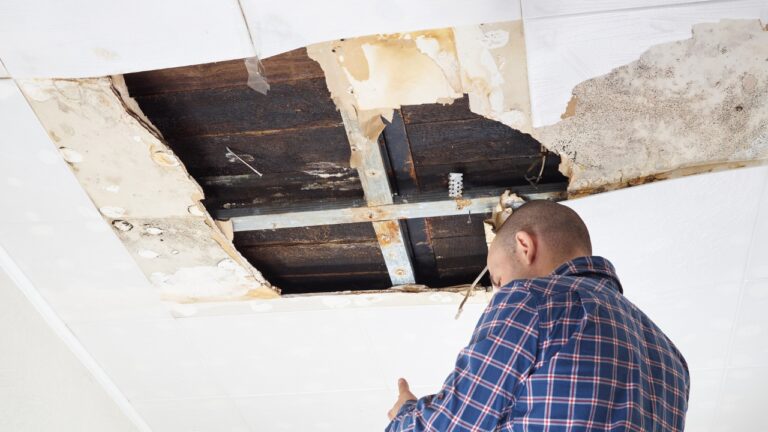
Once water gets past the exterior, the damage shifts from visible surfaces to hidden cavities, and that is where costs climb quickly. Wood that stays damp begins to break down, losing strength and becoming a food source for fungi. Insulation clumps and loses its ability to keep your home comfortable, while metal fasteners and connectors corrode. You may only notice a musty smell, a soft patch in the floor, or a window that suddenly sticks, but behind those symptoms, the structure can be quietly unraveling.
Specialists warn that Every Homeowner Should, because it often starts where moisture sneaks in through small gaps. They ask a simple question, When was the last time you inspected your home, not just from the sidewalk, but up close at trim, siding joints, and lower wall sections. Another guide to home exterior issues notes that once you have sorted out obvious problems, you still need to seal gaps for moisture to enter, because even small openings can feed ongoing rot and mold growth inside the wall. If you ignore these subtle signs, you are effectively giving water permission to keep working on your framing.
Gutters, grading, and the ground level risk
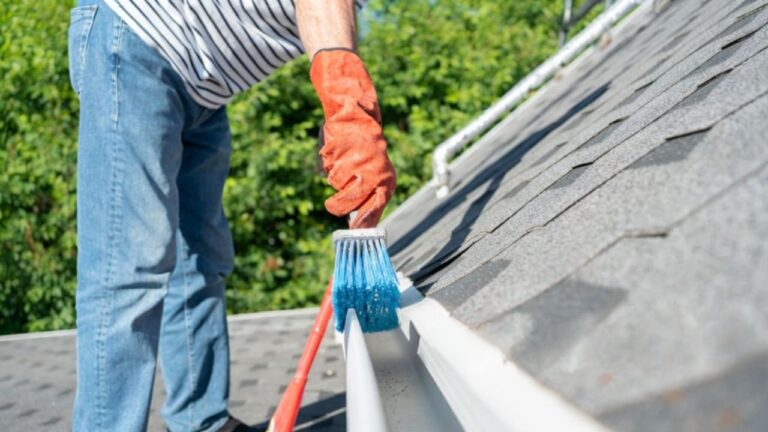
While roofs and walls get most of the attention, the way water moves around the base of your house is just as important. Gutters that clog with leaves or pull away from the fascia dump water directly against siding and foundations instead of carrying it safely away. Poor grading that slopes toward the house, or downspouts that discharge right at the foundation, keep soil saturated along the perimeter. That constant moisture pressure can force water through tiny cracks in the foundation or slab, leading to damp basements, crawl spaces, and lower level walls.
Analyses of the Common Causes of in Your Home, including work by Foundation Repair specialists in Chattanooga, highlight that Water damage is a common and costly problem when runoff is not managed. They note that one of the most common issues is water intrusion that affects walls, floors, and ceilings when exterior drainage fails. If you see gutters and grading as optional upgrades instead of core protection, you are repeating the same exterior mistake at ground level, where the consequences often show up as foundation cracks, efflorescence, and persistent basement humidity.
What to look for on your next exterior walkaround
Changing your mindset is only useful if you pair it with a practical routine. A slow, deliberate walk around your home a few times a year can reveal early signs of trouble long before you face major repairs. You are looking for anything that suggests water is not being shed cleanly: peeling paint, swollen trim, cracked caulk, rust streaks, or stains that run down from joints and fasteners. At the roofline, use binoculars if needed to scan for missing shingles, sagging gutters, or dark patches that might indicate trapped moisture.
Guides that outline Signs of Exterior recommend that Your inspection include a close look at cracks, bulges, and areas where the finish is separating from the substrate. Resources on Identify and Prevent on Your Home’s Siding add that you should watch for warping, discoloration, and soft spots that suggest moisture behind the surface. The goal is not to diagnose every problem yourself, but to catch issues early enough that a qualified professional can address them before water has time to spread.
Turning awareness into a long term protection plan
Once you recognize that the real mistake is underestimating your exterior as a water control system, you can start to build a plan that treats it accordingly. That means budgeting for regular maintenance, not just emergency fixes, and scheduling periodic professional inspections of your roof, siding, and foundation. It also means prioritizing repairs that keep water out, even when they are less visible than a kitchen upgrade or new landscaping. A small investment in sealing, repainting, or replacing compromised materials now can prevent the kind of structural repairs that disrupt your life and finances later.
Home maintenance experts emphasize that Understanding what to avoid is the first step toward maintaining a home’s integrity efficiently and responsibly. They warn that Overlooking the small exterior issues that let water in is exactly how long term damage takes hold. If you treat every crack, stain, and loose shingle as a potential moisture pathway instead of a minor cosmetic flaw, you shift from reacting to disasters to quietly preventing them, one careful inspection and timely repair at a time.
Like Fix It Homestead’s content? Be sure to follow us.
Here’s more from us:
- I made Joanna Gaines’s Friendsgiving casserole and here is what I would keep
- Pump Shotguns That Jam the Moment You Actually Need Them
- The First 5 Things Guests Notice About Your Living Room at Christmas
- What Caliber Works Best for Groundhogs, Armadillos, and Other Digging Pests?
- Rifles worth keeping by the back door on any rural property
*This article was developed with AI-powered tools and has been carefully reviewed by our editors.