The final Colorado Mountain House reveal shows what Joanna changed and what she kept
The Colorado Mountain House finale gives you a rare, unfiltered look at how Joanna Gaines edits her own life, not just a client’s. You see exactly which bones of a 1960s cabin she fought to preserve and which pieces she was willing to strip away so the retreat could feel both deeply personal and ready for the next chapter of family memories.
By the time the last credits roll, you can trace a clear line between what stayed, what shifted, and why, from the vaulted ceilings and stonework to the smallest paint color in a tucked-away cottage. If you are thinking about your own renovation, the finished house becomes a case study in how to honor an existing story while still writing a new one.
The most personal “Fixer Upper” yet
You are not just watching another renovation; you are watching Chip and Joanna Gaines design a place for their own family to grow older in. Earlier this year, Chip and Joanna Gaines Bought Their Home on Fixer Upper: Colorado Mountain House for a Shocking Price, and that decision set the stakes for every design move you see in the finale. Instead of staging for resale, they are calibrating for real life, from muddy boots to grown kids bringing partners and friends.
That personal lens shapes the tone of the whole project. In the series, Chip and Joanna Gaines talk about building a retreat that can hold decades of gatherings, and Joanna, 47, lays out how she plans to completely renovate the interior while still landing on a home that feels like “us” at the end. You feel that intention in the reveal, where every kept beam and every new finish is weighed against the memories they hope to earn there.
“Mountain lodge meets cottage charm” as a design compass
From the first walkthrough, Joanna is clear that you are not getting a theme park version of a ski chalet. She describes the European inspired vision as “mountain lodge meets cottage charm,” a phrase that becomes a filter for every choice, from the scale of the fireplace to the softness of the textiles. That hybrid idea lets you see how a rugged setting can still hold delicate details without feeling fussy.
Instead of leaning only on rustic clichés, Joanna layers in old world curves, patina, and tailored millwork so the house feels collected rather than constructed in one sweep. The final tour shows how that mix of lodge weight and cottage intimacy keeps the rooms from skewing too cold or too cute, a balance she has talked about while explaining how Joanna describes the European influences that make the retreat feel both elevated and meaningful.
What stayed: the 1960s bones that still worked
If you pay attention to the before-and-after shots, the most striking thing is not what changed, but what Chip and Joanna refused to touch. The main house renovation focused on keeping existing features that already carried character, rather than flattening the structure into a blank white box. That restraint is most obvious in the soaring volume of the core living spaces, where the original architecture still does the heavy lifting.
Instead of lowering or boxing in the roofline, Chip and Joanna kept the home’s original vaulted ceilings for the space that is now their kitchen, then wrapped that volume with custom cabinetry, a built in banquette, and bookshelves that hug the existing lines. Elsewhere, the renovation leans on the texture of the old structure, a choice that echoes reporting that the main house focused on preserving what was already there because, as Joanna has said, time itself is the most precious thing to her, a sentiment captured in coverage that notes how The main house renovation focused on honoring existing features.
What changed: braver finishes and a reworked layout
Where the structure could not support the life they imagined, Joanna did not hesitate to redraw the map. You see walls opened to connect the kitchen, dining, and living zones so the family can spread out without losing sightlines, and you see circulation simplified so guests can move from gear drop zones to cozy seating without cutting through private spaces. The result is a layout that feels intuitive when you picture holidays or long weekends with a full house.
Visually, Joanna also pushes herself further than in some earlier projects, leaning into deeper colors, richer stones, and more intricate tile. She has said that this house made her “braver,” and you can see that in the way she pairs moody cabinetry with warm wood and aged metals. Reporting on the project notes that Chip and Joanna kept the original structure while Joanna experimented with bolder finishes, a shift she herself frames as becoming “braver” in her design choices.
The kitchen as the new heart of the house
Nowhere is the balance of old and new clearer than in the kitchen, which you see fully realized in the finale. By preserving the vaulted ceiling, Joanna lets the room breathe, then grounds it with custom cabinetry that wraps the perimeter and a built in banquette that turns a corner into a reading and gathering nook. The bookshelves and seating make the kitchen feel less like a work zone and more like a living room that happens to have a range.
That shift reflects a broader move in the series to treat food, conversation, and quiet time as equally important functions. The final reveal shows how the kitchen’s layered textures, from stone to wood to upholstery, invite you to linger long after the dishes are done. Coverage of the project highlights that added custom cabinetry, an installed custom banquette, and bookshelves all work together under those original vaulted ceilings to turn the space into the home’s true hub.
Ella’s guest cottage: where the next generation edits the rules
One of the most revealing parts of the finale is how much creative control Joanna gives to Daughter Ella in the little guest cottage. Instead of treating it as an afterthought, she lets Ella reimagine the storage and display, including transforming the closets into open arches that frame the room like built in furniture. You see a younger designer testing how far she can bend the family aesthetic without breaking it.
Joanna has said she loves that Ella made those arches feel like part of the architecture, and the finished space backs her up. The cottage kitchen gets its own personality with a hand painted backsplash and new fixtures, while the shade Wellington Green from a favorite paint line repeats throughout Ella’s little guest cottage to tie the rooms together. Reporting on the project notes that Joanna says she loves that Ella turned those closets into arches, that a hand painted backsplash and new fixtures were added to the kitchen, and that Wellington Green runs throughout the cottage, all while the redesign still respected the original building instead of starting from the ground up.
When family taste clashes: the playful “betrayal”
Letting your teenager design part of your home is a risk, and the finale does not hide the tension when Ella’s choices surprise her parents. At one point, Chip and Joanna Gaines jokingly say they feel “betrayed” by Daughter Ella’s Design Choice, a moment that underscores how personal the project has become. You see them navigate that clash not as hosts smoothing over conflict, but as parents trying to honor their child’s voice while still protecting the overall vision.
For you as a viewer, that scene is a reminder that even seasoned professionals have to negotiate taste inside their own families. The finished cottage proves that compromise can produce something more interesting than either party might have created alone, with Ella’s bolder moves sitting comfortably inside the broader mountain lodge meets cottage charm framework. Coverage of the episode captures that dynamic by describing how EXCLUSIVE reporting framed Chip and Joanna Gaines as feeling “Betrayed” by Daughter Ella and her Design Choice on Fixer Upper: Colorado Mountain House, even as they ultimately embraced the result.
Designing a house that has to “earn its memories”
Throughout the season, Joanna talks about designing a house that has to earn its memories rather than pretending it already has them. That philosophy is on full display in the finale, where you see spaces that are intentionally a little spare, leaving room for future photos, scuffs, and rearranged furniture. Instead of over styling every surface, she leans on durable materials and flexible layouts so the house can evolve as the family’s rhythms change.
That approach also explains why she is so committed to blending mid century features with European influences instead of erasing the home’s 1960s roots. The mix of original structure and new finishes lets the house feel both grounded in its era and open to new stories. Reporting on the project notes that Designing a house that has to earn its memories is central to why this Colorado project feels like their most personal Fixer Upper yet, and how Once the family has claimed their favorite spots, the blend of mid century features with European influences will only deepen.
A future in the making: what you can take from the reveal
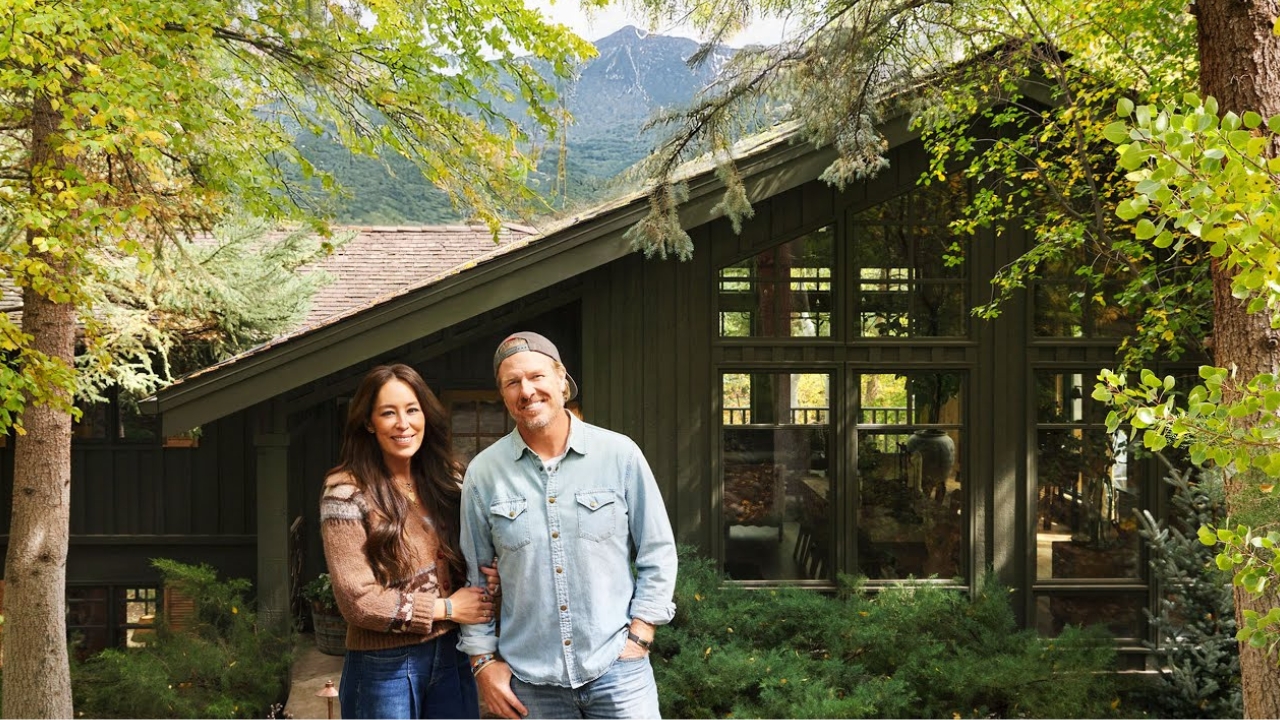
By the time you see the final wide shot of the Colorado Mountain House, it is clear that Joanna’s biggest change is not a single room, but a mindset. She treats the property as a Future in the Making, not a finished product, which is why she is so careful about what she keeps and what she edits. When Chip and Jo first walked through this outdated yet charming 1960s home in the woods, they saw a chance to preserve its soul while letting color, texture, and small details set the tone for the next season of their lives.
If you are weighing your own renovation, the finale quietly hands you a playbook. Start by identifying the structural elements that already tell a story, then decide where you need to be braver with layout and finishes so the house actually fits how you live now. The Gaineses’ retreat shows how small, intentional choices, from paint to millwork, can steer an entire project, a point underscored in Magnolia’s behind the scenes look at how A Future in the Making guided the design and how When Chip and Jo first stepped inside, they understood that even something as small as color sets the tone.
Why this reveal feels different from past retreats
For longtime viewers, the Colorado Mountain House finale lands differently from earlier Fixer Upper projects because you are watching Chip and Joanna build not just a showpiece, but a long term escape for their own family. Coverage of the project has emphasized that Chip and Joanna Gaines Turned a 1960s Mountain House Into Their Dream Family Retreat and invited fans to See the Final Result, highlighting how the couple’s decisions are shaped by the reality that they will be the ones cooking, reading, and resting in these rooms for years to come. That knowledge gives the reveal a quieter, more grounded energy than a typical client handoff.
At the same time, the project still carries the familiar Fixer Upper DNA that drew you in from the start: respect for existing architecture, a love of texture, and a belief that homes should feel lived in from day one. The difference is that this time, you can sense the designers picturing their own grandchildren running down the hall, not just a hypothetical buyer. That future facing perspective, layered over the careful mix of what Joanna changed and what she kept, is what makes the final Colorado Mountain House reveal feel less like a finale and more like the opening chapter of a story that will keep unfolding off camera.
Like Fix It Homestead’s content? Be sure to follow us.
Here’s more from us:
- I made Joanna Gaines’s Friendsgiving casserole and here is what I would keep
- Pump Shotguns That Jam the Moment You Actually Need Them
- The First 5 Things Guests Notice About Your Living Room at Christmas
- What Caliber Works Best for Groundhogs, Armadillos, and Other Digging Pests?
- Rifles worth keeping by the back door on any rural property
*This article was developed with AI-powered tools and has been carefully reviewed by our editors.