The firewood mistakes that make a living room smell smoky
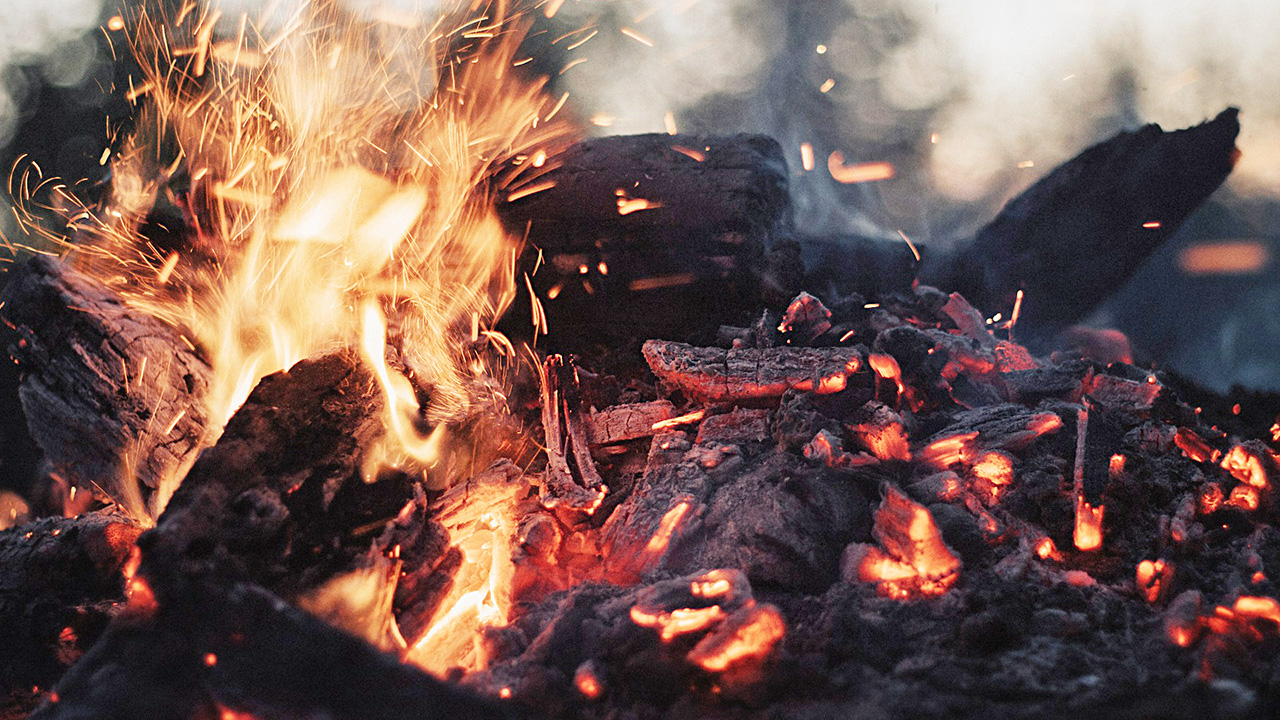
A good fire should smell cozy, not like your house is inside the chimney. If your living room gets smoky every time you light a fire, it’s usually a handful of fixable mistakes—not “just how your fireplace is.”
Here are the habits that make things smokier than they need to be.
1. Burning green or unseasoned wood
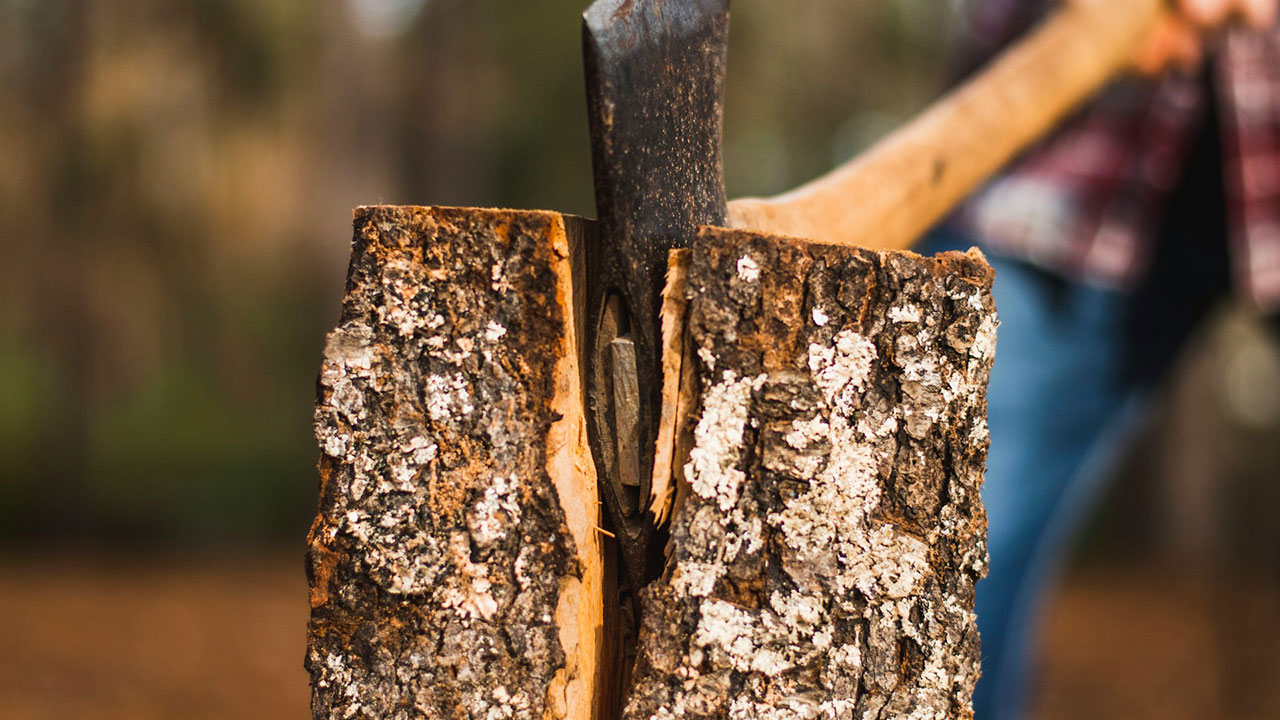
Freshly cut wood can hold a ton of moisture, and that water has to boil off before the log really burns. That means more smoke, less heat, and a lot more creosote in your chimney. Stick with seasoned hardwood that’s been drying at least 6–12 months. The ends should look cracked and feel lighter, not freshly heavy and damp.
2. Using softwoods as main fuel
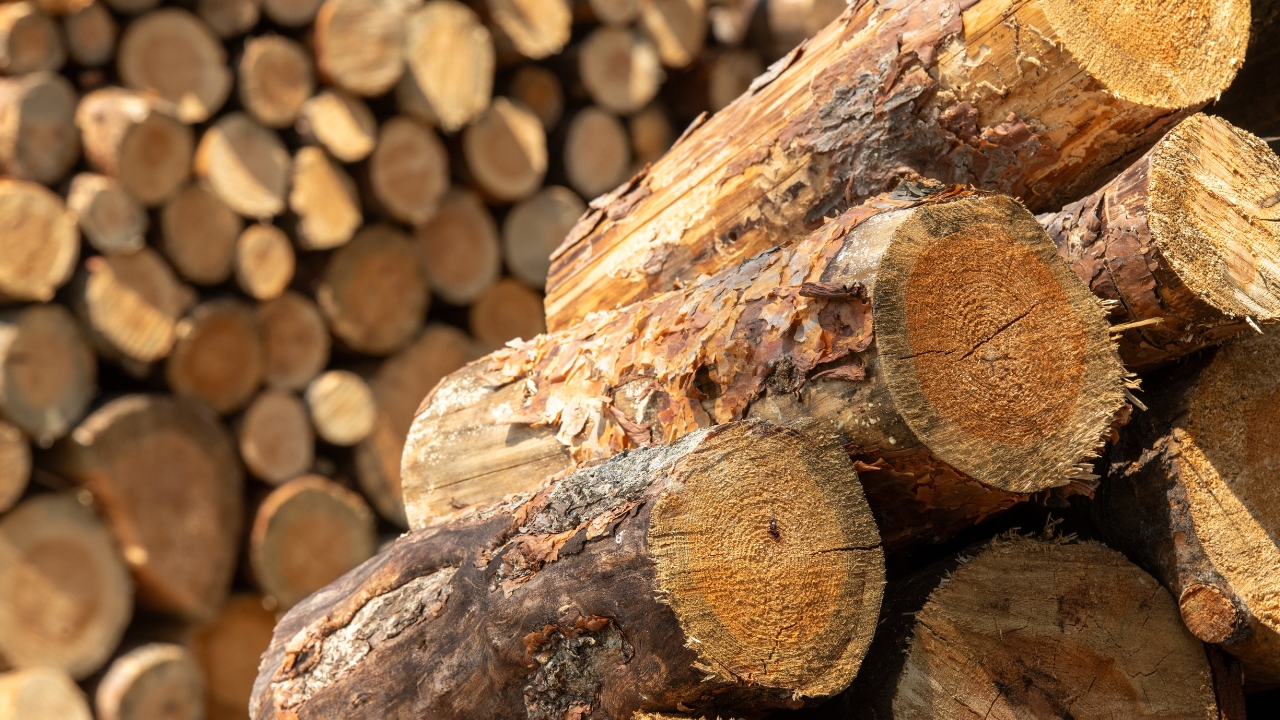
Softwoods like pine, spruce, and fir catch quickly, but they burn fast and can throw sparks and extra smoke. They’re fine as kindling, but your main fire should be dense hardwoods like oak, hickory, or maple for a cleaner, longer burn.
3. Closing the damper too much
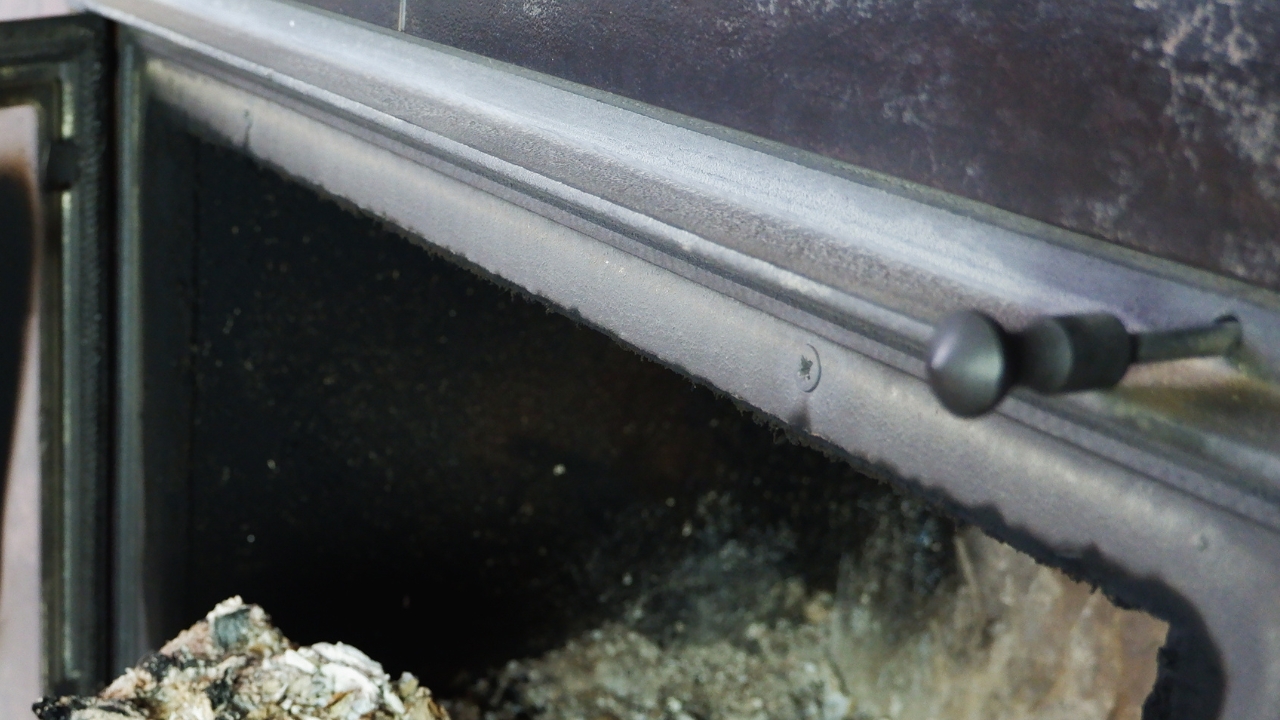
If the damper isn’t fully open (or is half stuck with creosote), smoke has nowhere to go but into your house. Some people partially close it thinking they’ll “keep heat in,” but all it really does is choke airflow. Make sure it’s fully open before you light the fire and stays that way while it’s burning.
4. Lighting a fire in a cold chimney
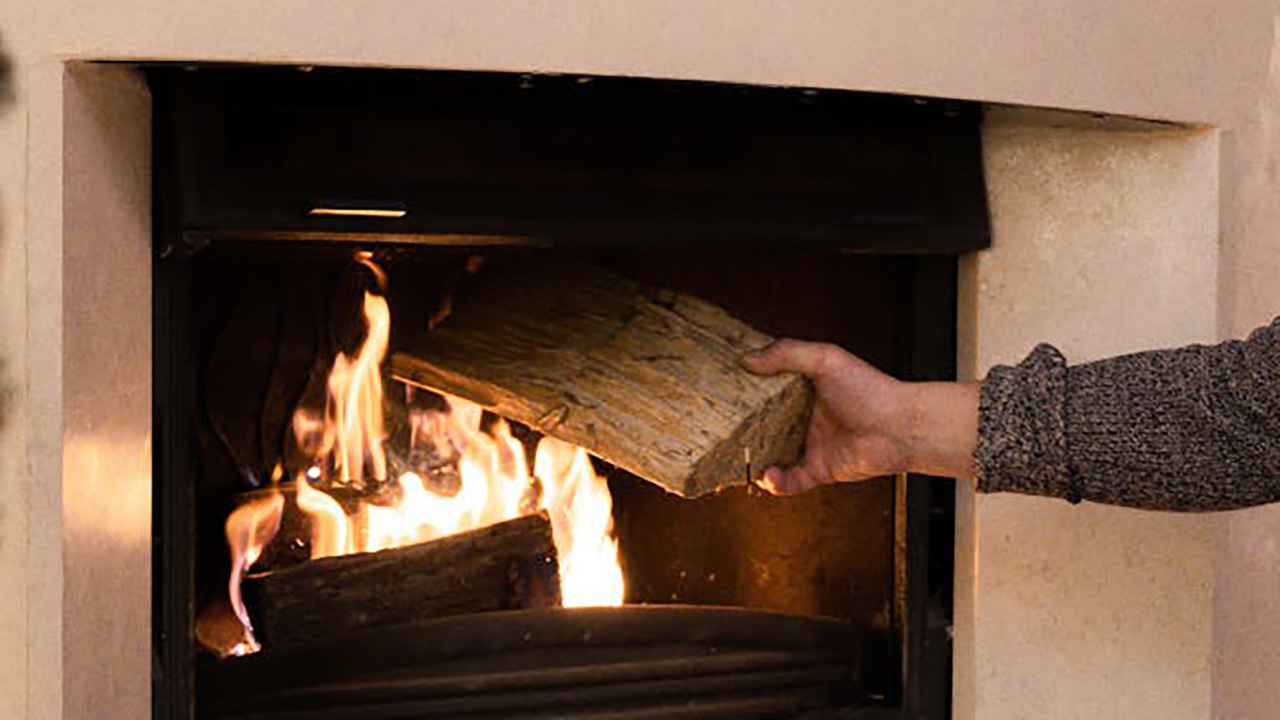
On really cold days, your chimney can hold a column of cold air that pushes smoke down instead of letting it draft up. Warming the flue first—by holding a rolled-up lit newspaper or a fire starter near the damper for a minute or two—can reverse the draft so smoke goes the right direction.
5. Skipping regular chimney cleaning
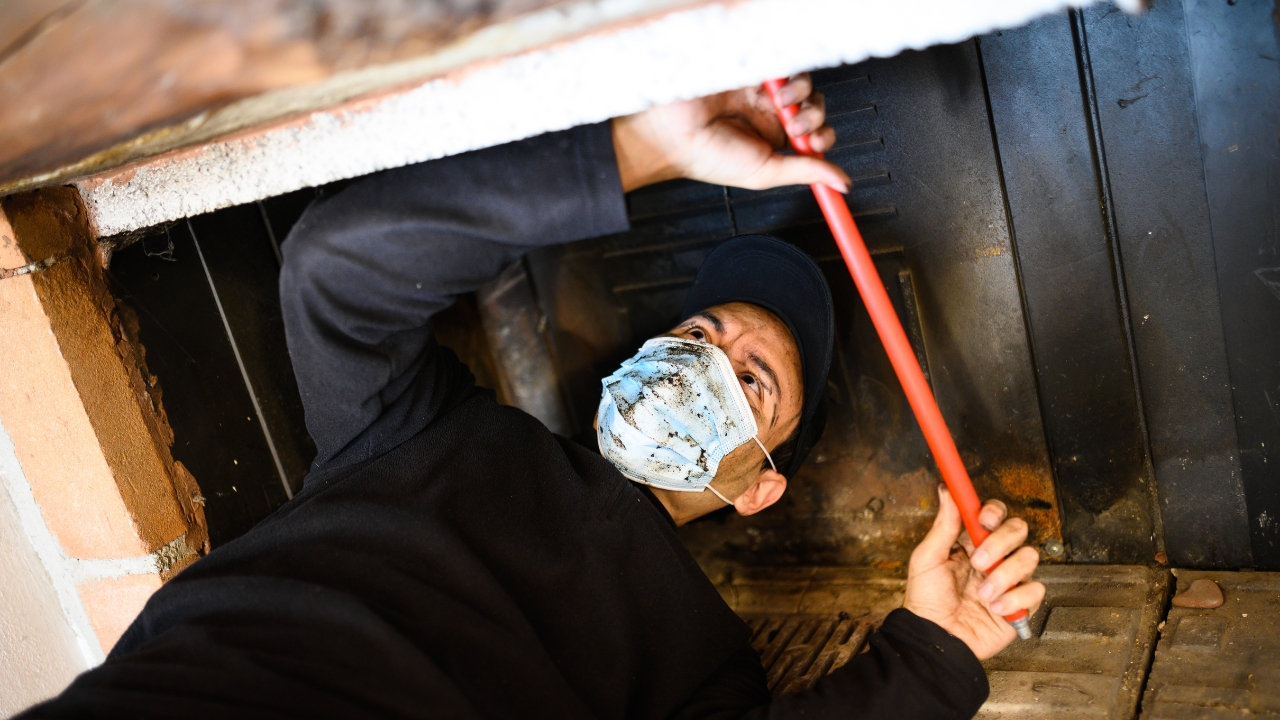
Soot, creosote, and even bird nests or leaves can clog things up and make smoke spill into the room. If you use the fireplace regularly, a pro inspection and cleaning once a year is pretty standard. It helps with both safety and smell.
6. Smoldering instead of burning hot
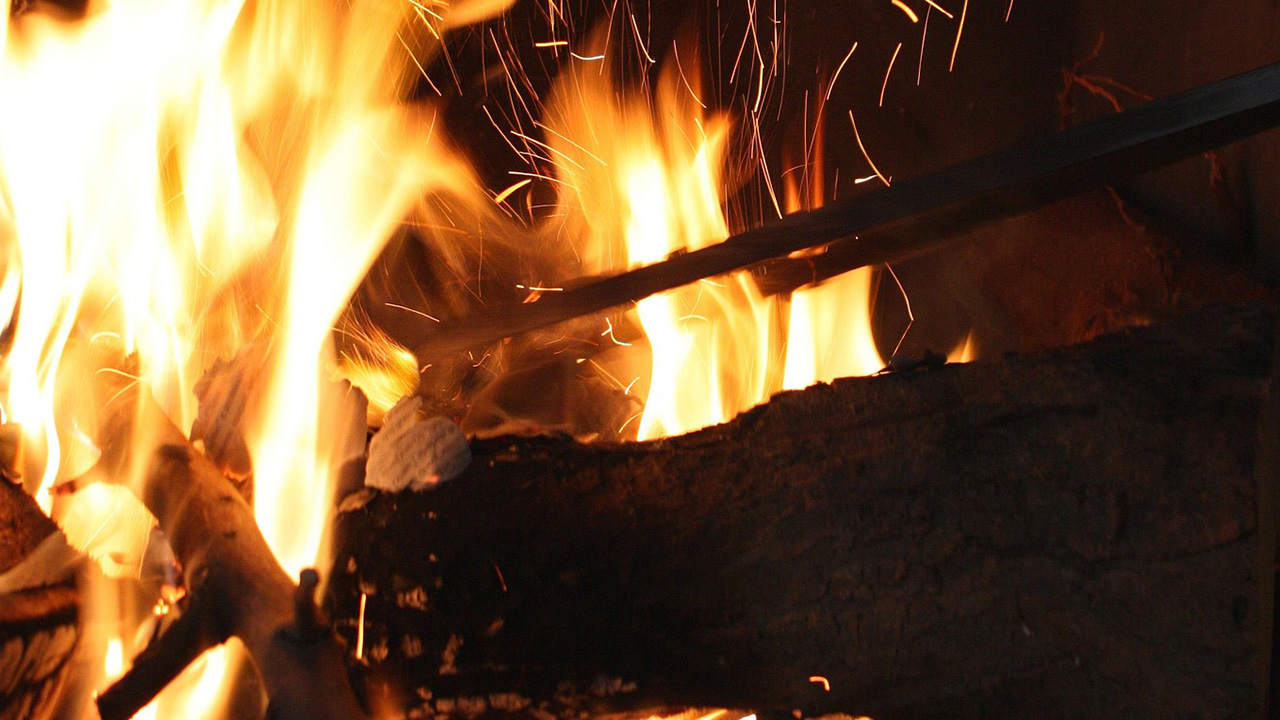
Starving the fire of oxygen, constantly poking it, or piling on too many logs at once can make it smolder instead of burn clean. A small, hot fire with bright flames will actually smoke less than a big, choked one.
7. Burning “whatever’s around”
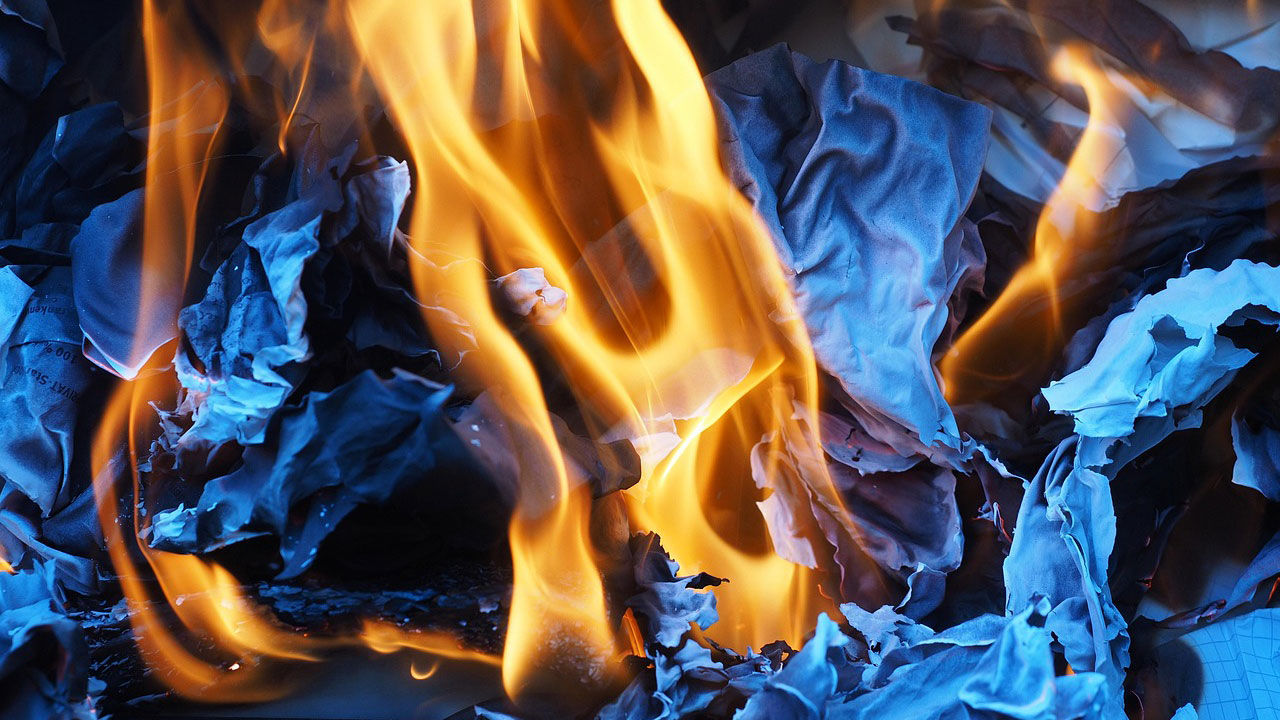
Painted wood, pressure-treated lumber, cardboard, glossy magazines, and garbage should never go in the fireplace. They can release nasty fumes and extra smoke, and some coatings produce more creosote. Stick to plain, seasoned firewood and maybe a little kindling.
8. Forgetting to crack a window in a tight house
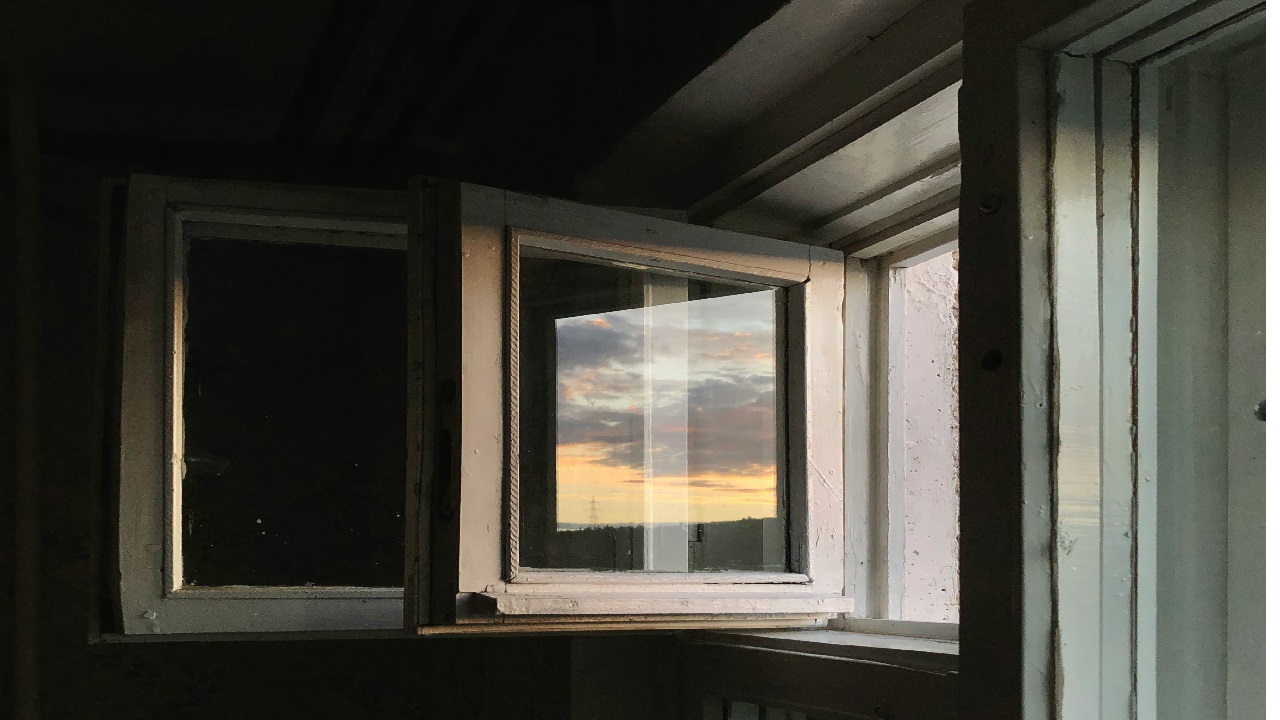
In newer or very sealed-up houses, the fireplace can struggle to pull in enough air. Cracking a nearby window just an inch or two can help the fire draw better and send smoke up instead of out.
9. Using a fireplace that’s more “decor” than heat source
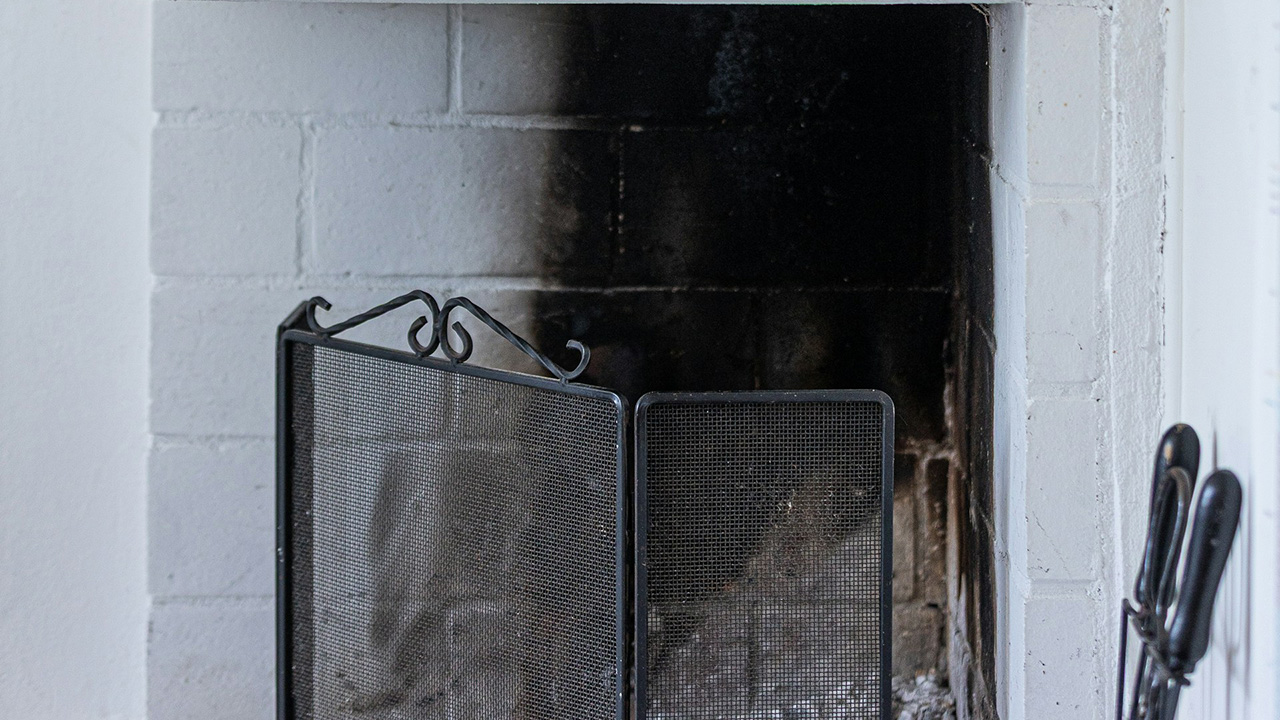
Some shallow or purely decorative fireboxes just don’t draft well, especially if they’ve been altered or had inserts added. If you’ve checked your wood, damper, and chimney and it’s still smoky, it may be worth having a chimney pro assess the dimensions and draft of the whole setup.
Like Fix It Homestead’s content? Be sure to follow us.
- I made Joanna Gaines’s Friendsgiving casserole and here is what I would keep
- Pump Shotguns That Jam the Moment You Actually Need Them
- The First 5 Things Guests Notice About Your Living Room at Christmas
- What Caliber Works Best for Groundhogs, Armadillos, and Other Digging Pests?
- Rifles worth keeping by the back door on any rural property
*This article was developed with AI-powered tools and has been carefully reviewed by our editors.