The flooring cleaner that leaves a film and traps dirt
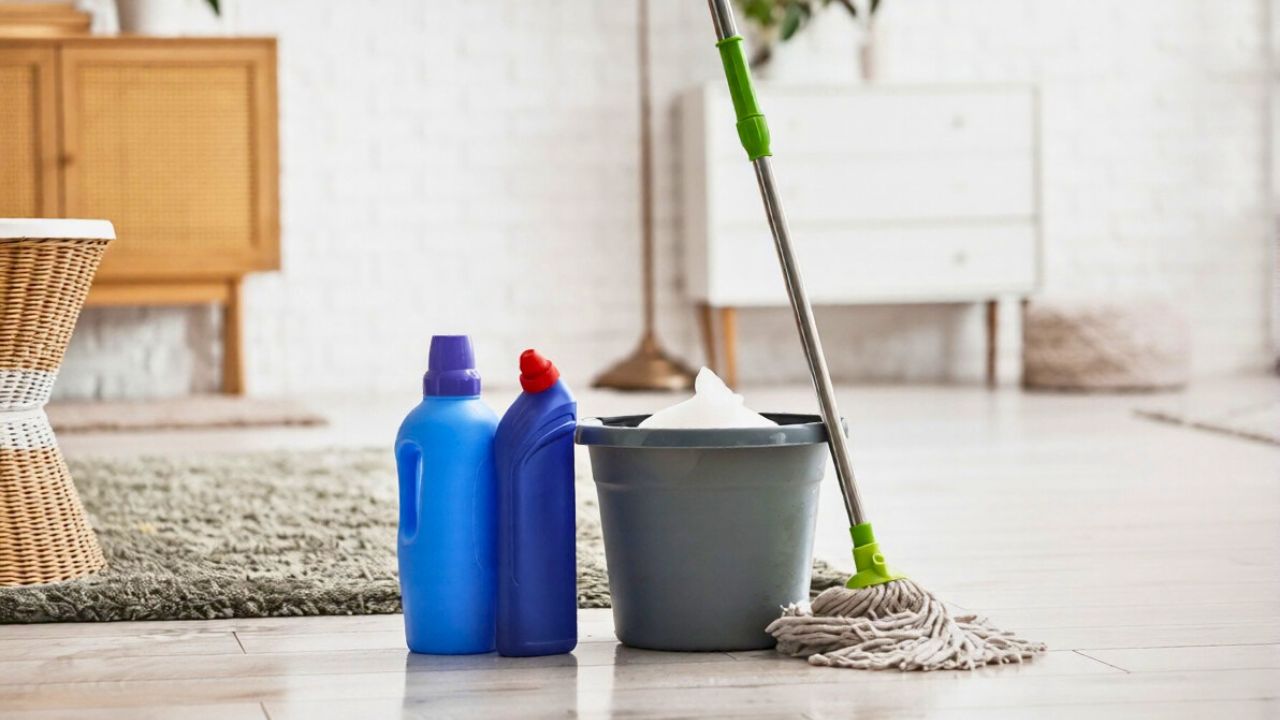
If your floors look dull five minutes after you clean them, it’s not because your house is hopeless. It’s usually because you’re using a cleaner that leaves behind a residue that feels “clean” at first, then turns sticky, then starts grabbing dust like a magnet. People often respond by cleaning more often or using more product, which makes the film worse, not better. This is especially common with “shine” products and multi-surface cleaners that are trying to do too much at once. On tile, vinyl plank, laminate, and sealed hardwood, a leftover film doesn’t just look bad—it can make floors feel tacky, show footprints, and create that gray haze that never goes away.
The cleaner type that causes the most residue
The biggest offenders are soap-based cleaners and “no-rinse” products that contain polymers or shine additives, especially when they’re used too concentrated. Anything that promises “gloss,” “refresh,” “polish,” or “restores shine” can leave a layer behind, because the shine often comes from something that stays on the surface. That layer is what traps dirt. It also changes how water behaves on the floor, so instead of rinsing clean, it smears. Even some popular “all-purpose” cleaners can do this if they contain fragrance oils and surfactants that aren’t meant to be left behind on large floor areas without a rinse step.
Why film makes your floors look dirtier faster
A residue layer acts like weak glue. Dust, pet hair, and soil from shoes stick to it instead of sliding off. That’s why you’ll notice “traffic lanes” that look grimy no matter how often you mop, and why a floor can feel grabby under socks. The film also builds in layers. Each time you mop with the same product, you add a tiny bit more. After a few weeks, the floor can look cloudy and uneven, and people assume the finish is wearing out. A lot of the time it’s not wear—it’s buildup. And once buildup is there, your regular mop routine spreads it around instead of removing it.
How to fix it without stripping your floors
First, cut back the product and switch to a cleaner that dries truly residue-free for your floor type. Second, do a one-time cleanup to remove the film you already have. For many floors, a simple warm-water rinse mop (and changing the water often) makes a bigger difference than more cleaner. If the buildup is heavy, a manufacturer-approved deep clean product may be needed, but you don’t want to guess and damage a finish. The habit that keeps floors looking better is using the right amount of a residue-free cleaner and rinsing when the product calls for it, even if the label says “no rinse” and your floors are telling you otherwise.
Like Fix It Homestead’s content? Be sure to follow us.
- I made Joanna Gaines’s Friendsgiving casserole and here is what I would keep
- Pump Shotguns That Jam the Moment You Actually Need Them
- The First 5 Things Guests Notice About Your Living Room at Christmas
- What Caliber Works Best for Groundhogs, Armadillos, and Other Digging Pests?
- Rifles worth keeping by the back door on any rural property
*This article was developed with AI-powered tools and has been carefully reviewed by our editors.