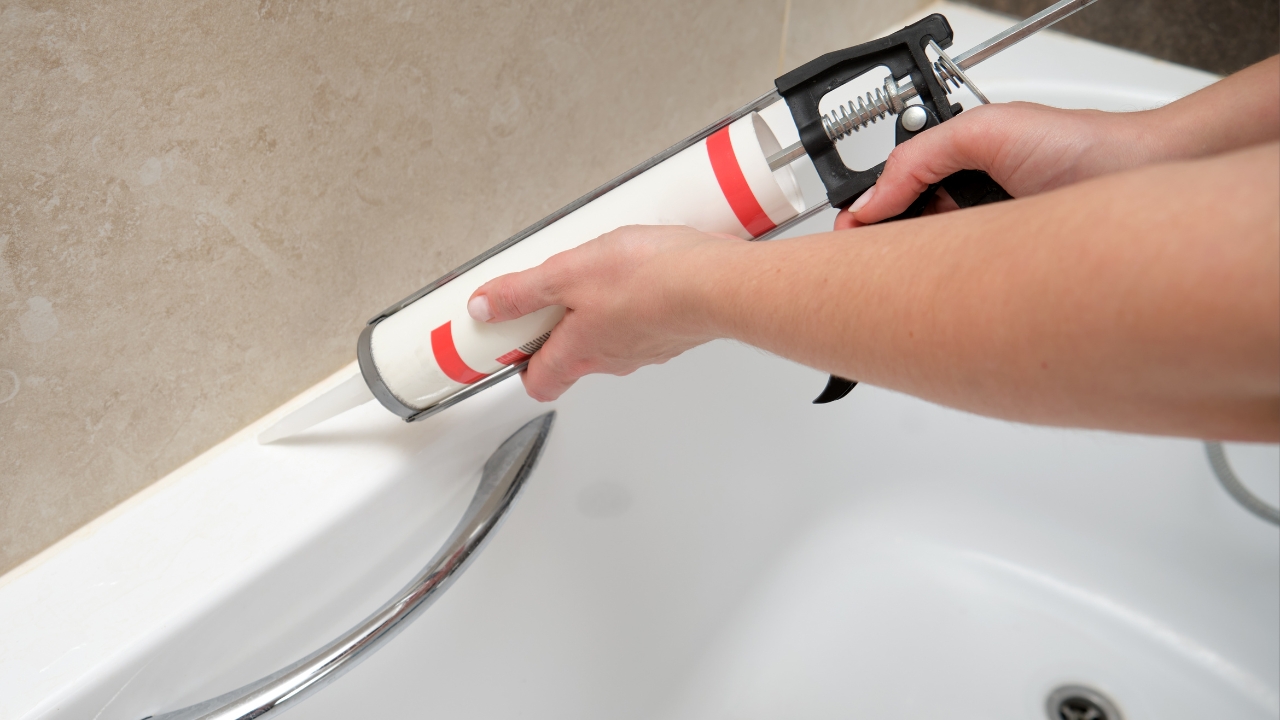
The fresh caulk sign that should make you look closer, not relax
Fresh caulk is supposed to be reassuring, a sign that someone has cared enough to maintain the property you are about to buy. Yet when you see a bright white bead in just one odd corner of a bathroom, around a single door frame, or along one basement crack, it can be less a comfort and more a quiet warning. That small cosmetic fix may be the only visible clue that you are standing in front of a much more expensive problem.
If you are walking through a home with an inspector or on your own, the real skill is learning when new sealant is routine upkeep and when it is a red flag. The difference often comes down to pattern, context, and what the seller did not bother to repair anywhere else.
Why that one strip of fresh caulk should raise your eyebrows
When you notice a razor‑clean line of sealant in a single spot, your first instinct might be to relax, because someone has just done work there. In reality, you should treat that lone repair as a prompt to slow down and ask why this specific joint, crack, or seam needed attention while everything around it still looks older. Professional inspectors often talk about “story clues” in a house, and a solitary patch of caulk is one of those clues that something recently failed, leaked, or shifted in that exact location.
That is why experienced agents and inspectors warn buyers to pause when they see fresh caulk in just one spot, especially when the surrounding areas still show age or wear. New material is not inherently a problem, but when it appears in isolation, it often means a seller has addressed the symptom, not the cause. Your job is to figure out whether that cause was a minor draft or a major leak that could come back the moment you move in.
How sellers use quick fixes to hide expensive issues
Cosmetic repairs are part of almost every listing, and there is nothing wrong with a seller touching up paint or resealing a tub before showings. The trouble starts when those quick fixes are used to disguise damage that would otherwise be obvious. A narrow band of new caulk can conceal a crack in tile, a gap in siding, or a seam where water has been intruding for years, and you will not see the underlying problem unless you look past the neat surface.
Some agents now openly warn buyers that if a seller does a handful of specific things right before a showing, there is a decent chance they are covering up something costly. One viral example points to four moves, including strategic staging and last‑minute repairs, that should make you more skeptical, not less, when you walk in the door, a pattern highlighted in a Jan social media breakdown of pre‑showing tactics. In that context, a single bead of new sealant is not just maintenance, it is part of a broader strategy to keep your eyes on the finish and off the structure.
What inspectors know about door caulking that buyers often miss
Door frames are one of the first places a seasoned inspector will check, because the caulk around them tells a long story about how the building handles air and water. If the seal around one exterior door is brand new while the others are clearly older, that contrast suggests there was a draft, leak, or movement in that opening that someone felt compelled to address. Even if the rest of the house looks pristine, a single repaired frame can hint at moisture intrusion, rot in the jamb, or shifting that has thrown the door out of square.
Specialists in door caulking point out that even when a home appears well maintained, a compromised seal at one entry can lead to water damage that costs more than many sellers expect. Guidance aimed at buyers emphasizes that this kind of Door Caulking Inspection is especially important during a Home Purchase, because it can reveal hidden rot or insulation gaps that will not show up in listing photos but will show up in your energy bills and repair estimates.
Why caulk matters so much to the health of a house
It is easy to think of caulk as a finishing touch, the last tidy line that makes a bathroom or window look complete. In reality, it is one of the most important barriers between your living space and the elements. Properly applied, it keeps water from seeping behind tile, stops drafts around windows and doors, and blocks the tiny gaps that pests use as highways into your walls and attic.
Experts who focus on building envelopes stress that Caulk is a key part of what keeps a house or business free of pests, water, and drafts. Guidance on Why Caulking Inspection notes that routine checks help you spot vulnerabilities before they become serious, which is exactly why a sudden patch of new material in one place deserves your attention. If someone had to intervene there, it means that barrier had already failed once.
Bathrooms: where new caulk can hide the most expensive surprises
Bathrooms are ground zero for suspicious sealant, because they combine constant moisture with lots of seams and penetrations. A seller who wants to impress you can run a clean bead along the tub, shower, or vanity in an afternoon, and the room will instantly look fresher. The risk is that you will see the bright white line and assume the wet areas are sound, when in fact the wall behind the tile or the subfloor under the tub may already be damaged.
Inspectors who publish a detailed Home Inspection Checklist for Caulking and Sealing in Austin explain that in bathrooms, your inspector will check around tubs, showers, and sinks for gaps, discoloration, and even small holes that have been mistakenly covered in caulk. That same checklist, focused on Caulking and Sealing in Austin, underscores that a single patch over a crack or penetration can hide a path where water has been escaping for months, which is why you should look for staining, soft spots, or mismatched grout around any newly sealed line.
How to read the pattern, not just the product
To decide whether new caulk is routine or suspicious, you need to look at the pattern across the property. If every window has been resealed, every tub looks freshly edged, and the work is consistent, you are probably seeing a maintenance project. If only one window, one corner of a shower, or one section of baseboard has been treated, that asymmetry is what should catch your eye. Houses age in broad strokes, so isolated “young” spots in an otherwise “old” room are worth a second look.
That is why some inspectors and agents talk about “zooming out” before you zoom in. A social media clip that walks buyers through four seller tactics, including moving furniture to cover stains and using quick repairs to hide issues, urges you to pay attention to how those tactics cluster in specific rooms, advice echoed in the seller does these breakdown. When you apply that same lens to sealant, a single bright bead in a sea of older joints becomes less a nice touch and more a question mark you need answered before you sign anything.
Questions to ask when you spot a lone bead of new caulk
Once you notice a suspicious patch, your next move is to start asking targeted questions. Begin with the seller or listing agent: what prompted the repair, who did the work, and was any underlying damage discovered and fixed at the same time. If the answer is vague or you are told it was “just cosmetic,” that is your cue to press for receipts, photos, or contractor notes that show whether there was a leak, crack, or other failure behind the surface.
Bring your inspector into the conversation as well, and ask them to probe beyond the visible line. In a bathroom, that might mean checking for soft subflooring around a newly sealed tub; around a door, it could involve testing for moisture in the framing where Why Home Inspectors becomes very real. If the seller claims the work was part of a broader maintenance effort, you can also ask why similar joints in other rooms still show older material, a simple comparison that often reveals whether you are being given the full story.
How to build caulk checks into your own inspection routine
Even outside of a purchase, you should treat caulk as something you inspect on a schedule, not just when something looks wrong. Walking your own home once or twice a year and scanning the seams around tubs, showers, sinks, windows, and doors will help you catch small gaps before they turn into leaks. That habit also trains your eye, so when you step into a listing, you are more likely to notice when one joint looks oddly new compared with the rest.
Professionals who focus on waterproofing recommend regular walkthroughs precisely because they help you spot vulnerabilities before they, a principle that applies equally to your own property and to any home you are considering buying. When you combine that routine with the structured approach in a Home Inspection Checklist, you end up with a mental map of where sealant should be, how it should age, and when a fresh line is a welcome update instead of a warning sign.
When fresh caulk is actually a good sign
Not every new bead is a cover‑up, and it is important not to treat every repair as suspicious. If you walk into a home and see that all the wet areas have been neatly resealed, the exterior trim is consistently caulked, and the work appears uniform, that often indicates a seller who has invested in preventive maintenance. In that case, the pattern tells you the repairs were planned, not rushed, and you can read the fresh lines as evidence of care rather than panic.
Professionals who share tips on New caulk often emphasize that the material itself is not the problem, and that regular resealing is part of responsible ownership. The key is whether the work is isolated or consistent, whether it comes with documentation, and whether it aligns with other signs of upkeep, such as clean gutters, serviced HVAC systems, and a clear record of repairs. When those pieces line up, you can appreciate the fresh lines for what they are: a small but meaningful sign that someone has been paying attention.
How to balance healthy skepticism with confident decisions
Learning to read fresh caulk as a clue rather than a comfort does not mean you need to become paranoid about every cosmetic change. It means you approach each visible repair with a simple framework: is this isolated or consistent, is there a clear reason for it, and has anyone verified what lies beneath. With that mindset, you can walk through a property and treat each bright white line as a question to be answered, not a guarantee that everything is fine.
Social media clips that flag Fresh repairs and Jan staging tricks as potential red flags are really teaching you the same lesson that formal guidance on Real Estate Insights and Why Caulking Inspection does. When you combine that skepticism with a solid inspection and a willingness to walk away from homes that cannot answer your questions, you give yourself the best chance of buying a property where the only thing hidden behind the caulk is a well‑protected wall.
Like Fix It Homestead’s content? Be sure to follow us.
Here’s more from us:
- I made Joanna Gaines’s Friendsgiving casserole and here is what I would keep
- Pump Shotguns That Jam the Moment You Actually Need Them
- The First 5 Things Guests Notice About Your Living Room at Christmas
- What Caliber Works Best for Groundhogs, Armadillos, and Other Digging Pests?
- Rifles worth keeping by the back door on any rural property
*This article was developed with AI-powered tools and has been carefully reviewed by our editors.