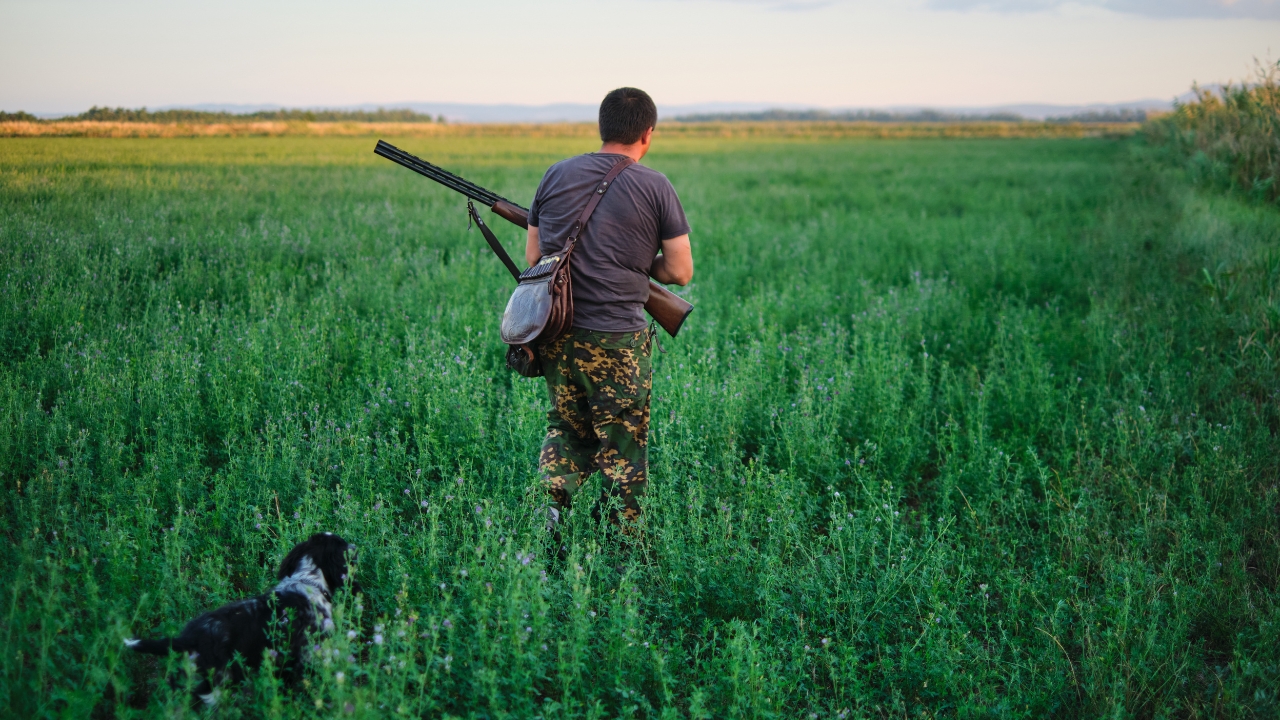
The gear habits that make you louder than you think on night checks
On a quiet perimeter walk, the loudest thing in the field is often not your voice or your boots, but the gear you strapped on without a second thought. Hard edges, loose straps, and poorly chosen accessories can turn a routine night check into a traveling noise beacon that carries far beyond what you expect. If you want to move confidently in the dark, you need to understand how your equipment habits are amplifying you and how to bring that signature back under control.
Noise discipline is not just a special operations obsession, it is a basic survival skill for anyone who works, trains, or hunts at night. By looking closely at how you load, secure, and move with your kit, you can cut your sound profile dramatically without sacrificing capability. The habits that make you louder than you think are fixable, but only if you are willing to treat silence as a piece of gear in its own right.
1. Why night checks punish sloppy noise discipline
Darkness changes the rules of detection, which is why night checks expose every sloppy habit you have with gear. Visual cues drop away, so sound and movement become the primary ways you are picked up by anyone who is listening. You may feel hidden because you cannot see far, yet your rattling buckles and clacking magazines are broadcasting your position to anyone with functioning ears. In low light, you need to assume that every unnecessary sound is as revealing as a flashlight beam.
Experienced instructors stress that You must account for the specific difficulties that darkness creates, then adjust your patrol conduct so your team does not become split or separated. That same mindset applies to your personal kit. If your equipment is constantly snagging, shifting, or chiming against itself, it is not only louder, it is also distracting you from navigation, spacing, and communication. Night operations reward those who plan for silence in advance, not those who try to improvise it once they are already outside the wire.
2. The hidden clatter in plate carriers and battle belts
Plate carriers and battle belts are often the worst offenders because you tend to load them with hard, angular objects that love to collide. Rifle magazines, tourniquets with plastic windlasses, metal tools, and exposed buckles all create impact points that click or scrape with every step. The problem is not just the items themselves, but the way you mount them, leaving gaps where they can swing, twist, or slap against armor plates and webbing as you move.
Practical noise discipline starts with deliberately silencing your kit, from the plate carrier to the battle belt, by padding contact points and tightening retention so nothing can rattle. Instructors who focus on silencing your kit emphasize simple fixes like elastic keepers, fabric wraps, and careful pouch selection to keep gear from knocking together. When you treat every exposed buckle or loose strap as a potential noise source and address it before you step off, your armor stops sounding like a toolbox and starts moving with you as a single, quiet unit.
3. Overloading: when “just in case” makes you louder
One of the fastest ways to get noisy on night checks is to carry more gear than the task requires. Every extra pouch, gadget, or “nice to have” item adds weight, bulk, and new surfaces that can bang into each other. Over time, this habit of packing for every possible scenario leads to a cluttered rig that is hard to move in and almost impossible to keep quiet. You feel prepared, but you have traded stealth and endurance for a false sense of security.
Professional assessments of common kit errors highlight that the problem is Overloading yourself with equipment you might not need, which leads to Reduced speed, endurance, and flexibility under stress. A better approach is to build your loadout around the mission profile and your team’s standard operating procedures, then ruthlessly cut anything that does not earn its place. When you trim your kit to essentials, you not only move faster and longer, you also remove dozens of potential noise sources before they ever leave the staging area.
4. Movement habits that turn small sounds into big problems
Even a well set up rig will betray you if your movement is careless. Fast, jerky steps cause gear to bounce, straps to snap tight, and loose items to swing wide, which amplifies every minor rattle. On night checks, you often move over uneven ground, through brush, or around vehicles, and each sudden shift in balance can turn a quiet loadout into a chorus of clicks and scrapes. Your body mechanics are as important as your equipment choices when it comes to staying unheard.
Stealth training materials underline that Moving quietly is the most important part of stealth, and the general rule is that the more slowly you move, the more quietly you move. Adopting a deliberate, slightly crouched stance with controlled foot placement reduces both your own noise and the motion you transfer into your gear. When you combine that with conscious breathing and smooth transitions around obstacles, you stop jolting your equipment and start letting your rig ride with you instead of against you.
5. The small hardware that makes a big racket
Some of the loudest offenders on night checks are the smallest pieces of hardware. Metal carabiners, key rings, zipper pulls, and exposed D-rings can jingle with every step, especially when they are clipped to shoulder straps or belt loops that move a lot. You may treat them as trivial, but in a quiet environment the high pitched clink of metal on metal carries farther than the muffled thud of your boots. The more of these little parts you add, the more your sound signature starts to resemble a pocketful of change.
Climbing gear guides note that Right behind chalk and puffy jackets, carabiners are among the most essential pieces of equipment, and Thes small connectors are so iconic that non climbers often identify the entire sport by them. That same ubiquity in tactical and outdoor setups means you need to be intentional about how you use them. Swapping bare metal for coated hardware, taping contact points, or replacing dangling carabiners with quiet textile loops can dramatically cut the incidental noise that otherwise follows you down every hallway and hedgerow.
6. Holsters, weapons, and the myth of “secure enough”
Firearms and holsters introduce their own category of noise that many people underestimate. A pistol that shifts inside a rigid holster can click or scrape with each stride, especially when you run or climb. Long guns with loose slings, bipods, or accessories can creak against rail systems or slap into your body armor. You may assume that because the weapon is retained, it is also quiet, but retention and silence are not the same thing.
Guidance on concealed carry equipment points out that Pistols may move slightly inside hard polymer holsters, which produces both noise and wear on the gun’s finish. On the rifle side, experienced preppers recommend a Rifle with the bare essentials like a light, optic, and sling, and specifically warn against “obnoxious things” such as a bipod or 45 degree canted sights that add bulk and snag points. By tightening holster fit, choosing quieter materials, and stripping your weapon down to what you truly need, you reduce both mechanical noise and the chances of banging into door frames or vehicle interiors during a night check.
7. Storage, straps, and the way your pack betrays you
Backpacks and pouches are another major source of unintentional noise, especially when you treat them as catch all storage. Loose items inside a pack can bounce around, clack together, and thump against the frame with every step. Externally, dangling straps, compression cords, and unsecured zipper pulls can whip and snap as you move. The result is a constant background soundtrack that you may tune out, but anyone listening in the dark will not.
Field tested advice on Quiet Hunting Gear Storage notes that noise often comes from gear bouncing around in your pack, and that this movement also creates fatigue over time. The fix is simple but deliberate. Use internal organizers to lock items in place, pad hard objects so they cannot strike each other, and trim or tape excess webbing so it cannot flap. When you treat your pack as a structured system instead of a sack, you turn it from a drum into a quiet, stable platform that supports your night movement instead of sabotaging it.
8. Body fit, fatigue, and how tired muscles get noisy
Even perfectly chosen gear will get loud if it does not fit your body or if your body cannot support it well. A vest that rides up, a belt that sags, or a sling that constantly slips off your shoulder forces you into awkward compensations. You start hitching your shoulders, twisting your torso, or grabbing at straps mid stride, which not only creates extra motion in the gear but also increases your risk of tripping or bumping into obstacles. Poor fit turns every step into a small wrestling match with your own equipment.
Sports medicine specialists explain that, Similarly to a piece of sports equipment that does not fit properly and constantly shifts out of place, ill fitting tactical gear distracts you and seriously disrupts your performance. On top of that, weak or unbalanced shoulder and back muscles make it harder to carry load quietly, because your posture collapses and your rig starts to sway. Targeted work such as external and internal rotation Ratcheting drills can help stabilize your scapulae, which improves how your shoulders bear weight. When your body is aligned and strong, your gear sits closer, moves less, and stays quieter over the course of a long night.
9. Simple modifications that buy you real silence
The good news is that you do not need a full gear overhaul to get significantly quieter on night checks. Small, targeted modifications can deliver outsized gains if you apply them consistently. Wrapping noisy surfaces, adding soft covers, and choosing fabrics that deaden sound will all help. The key is to identify the specific contact points on your rig that make noise, then treat them with the same attention you give to zeroing a rifle or confirming a radio frequency.
Community discussions in the Comments Section on noise discipline describe practical tweaks such as cordura wraps on holsters for sound reduction and personalization, as well as fabric tapes that work finely to cover hard edges. Dedicated night mission kits also highlight Sound Discipline Gear that focuses on Maintaining silence when you maneuver with your weapon. Broader gear guidance recommends that you What you should do instead is Secure all items with elastic retention bands and silencer wraps, then Test your setup in movement, not just while standing still. When you walk, jog, kneel, and climb in full kit before a night check, you hear every problem in time to fix it, and you step into the dark with a rig that is as quiet as your discipline allows.
Like Fix It Homestead’s content? Be sure to follow us.
Here’s more from us:
- I made Joanna Gaines’s Friendsgiving casserole and here is what I would keep
- Pump Shotguns That Jam the Moment You Actually Need Them
- The First 5 Things Guests Notice About Your Living Room at Christmas
- What Caliber Works Best for Groundhogs, Armadillos, and Other Digging Pests?
- Rifles worth keeping by the back door on any rural property
*This article was developed with AI-powered tools and has been carefully reviewed by our editors.