The GFCI test routine homeowners forget and why it matters
Ground Fault Circuit Interrupter outlets quietly guard the most dangerous spots in your home, cutting power in a fraction of a second when electricity tries to take a shortcut through you instead of the wiring. Yet the simple built‑in test routine that proves these devices still work is one of the most neglected safety habits in homeownership. If you treat GFCIs as “install and forget,” you are betting your family’s safety on components that can silently fail long before the rest of the wiring shows any sign of trouble.
Taking a few minutes to run that forgotten test, and to understand what the results are telling you, turns a mysterious plastic faceplate into a tool you can actually trust. With a clear routine and a bit of structure, you can fold GFCI checks into the same mental category as changing smoke alarm batteries or checking your furnace filter, instead of something you vaguely remember from the day the electrician finished the job.
Why GFCIs matter more than you think
You rely on electricity in the exact places where water, bare feet, and metal fixtures make shock most likely, from bathroom sinks to garage floors. A Ground Fault Circuit Interrupter, often labeled as a GFCI outlet, constantly compares the current leaving on the hot conductor with the current returning on the neutral, and if it senses a tiny mismatch that suggests current is leaking through a person or a wet surface, it shuts off power almost instantly. Electricians describe this as having a security guard that never blinks, a comparison Jun uses to explain how a GFCI reacts faster than you can even feel the start of a shock in a wet environment.
That speed is not a luxury, it is the difference between a scare and a trip to the emergency room. A properly working GFCI can cut power in milliseconds when a hair dryer slips into a sink or when a child touches a metal appliance with wet hands, which is why you now see these outlets in bathrooms, kitchens, laundry rooms, garages, and outdoor receptacles. Safety specialists emphasize that installing and maintaining GFCI outlets in these key locations is one of the most effective steps you can take to prevent electrical shocks in a typical house.
The quiet problem: GFCIs wear out
Unlike a standard receptacle, a GFCI is an electronic device with sensing circuitry, a relay, and mechanical parts that move every time it trips or resets. Over years of use, those parts can wear, contacts can pit, and internal components can be damaged by heat or vibration, which is why electricians are blunt that GFCI outlets go and do not last forever. You might still see the familiar faceplate and indicator light, but the protective function can be compromised without any visible clue.
Voltage surges are another quiet enemy. A nearby lightning strike, a utility switching event, or a large motor cycling on and off can send a spike through your wiring that leaves the GFCI’s internal electronics scarred even though the rest of the circuit appears fine. Utilities warn that GFCIs can be by exactly these kinds of surges, which means a device that once tripped reliably might no longer respond when it is needed most.
The test routine most homeowners skip
Manufacturers design GFCIs with a built‑in self check, but that feature only helps you if you actually use it. The basic routine is simple: plug in a small lamp or nightlight, turn it on so you can see it clearly, then press the TEST button on the GFCI. The light should go out immediately, proving that the internal mechanism opened the circuit, and when you press RESET the light should come back on. Electric safety educators walk through this exact process and stress that you should test GFCIs monthly so you are not discovering a failure in the middle of an emergency.
Despite how quick this is, many homeowners never touch the buttons after installation. One electrical contractor notes that here is something most homeowners forget, which is that the test button is not decorative but a critical part of how a GFCI protects you, and Jun compares the device to a guard that only stays sharp if you periodically confirm it can still react. Treating the test as a regular habit, rather than a one‑time curiosity, is what turns that built‑in feature into a real safety routine instead of a forgotten promise.
How to run a proper GFCI test
To get meaningful results, you need to test the outlet the way it is actually used, not just poke at the buttons and hope for the best. Start by plugging in a simple load like a lamp or a phone charger, then press the TEST button firmly until you hear or feel a click and watch for the lamp to go dark. A detailed step guide to testing GFCI outlets explains that the two buttons on the face are there specifically for this purpose, and that you should always verify that power is actually interrupted, not just that the button moved.
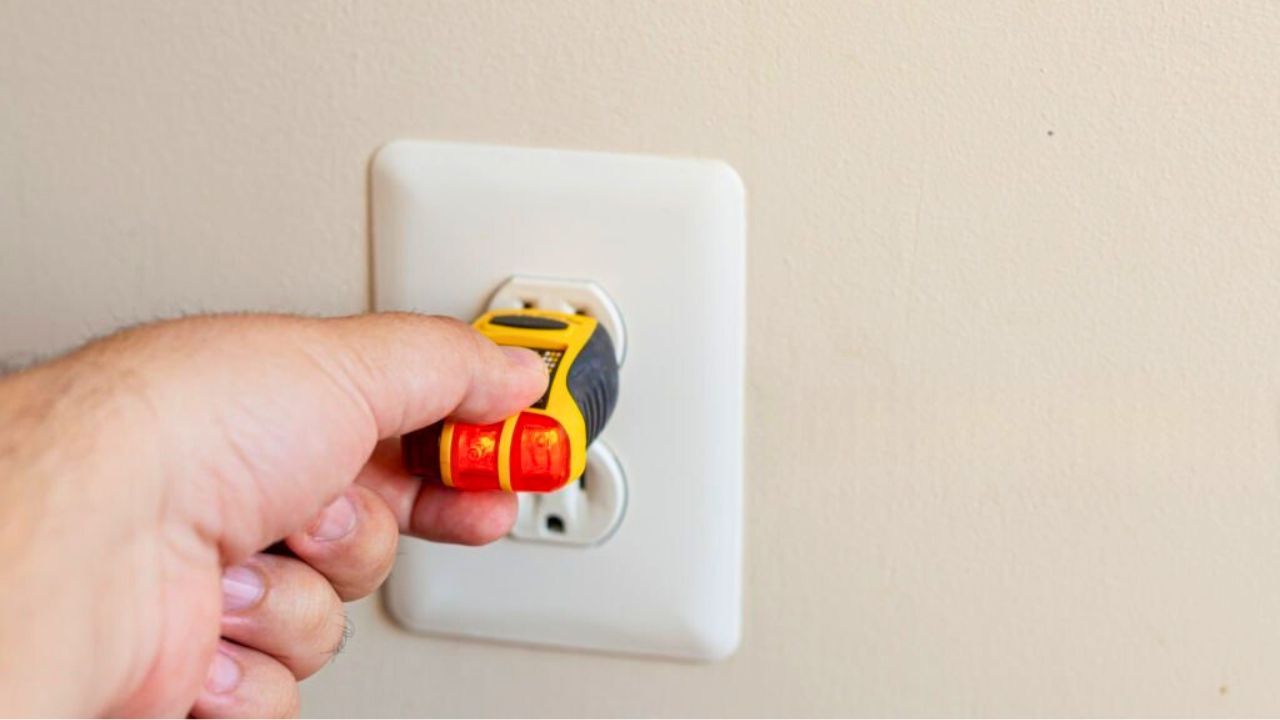
Once you have confirmed that the TEST button shuts off power, press RESET until it clicks and confirm that your lamp or charger turns back on. Some electricians also recommend using a plug‑in GFCI tester for an extra layer of confirmation, especially on older circuits or where multiple outlets are protected by a single device, but they still emphasize that the built‑in test is the primary check you should perform. When you follow this routine on every protected outlet, you are effectively giving your home a quick electrical checkup that costs nothing and can be completed in a few minutes.
How often you should test (and why standards changed)
For years, safety organizations have urged homeowners to make GFCI testing a monthly habit, putting it in the same category as checking smoke alarms or inspecting fire extinguishers. Guidance on ways to check explicitly lists regular testing of all receptacles and GFCI circuit breakers as the most important tip, because it is the only way to be sure the protection is still active after years of service. Electricians who focus on residential work echo that advice and encourage you to tie the habit to a recurring reminder, such as the first weekend of each month.
At the same time, product standards have evolved in response to the reality that many people never press the TEST button at all. Homeowners discussing their habits point out that UL changed its requirements in mid‑2015 so that any GFCI outlet made since then and listed under those standards includes internal self testing, precisely because so many people ignored the manual instructions. One homeowner summarized it bluntly by noting that any GFCI built under the newer UL standard will shut itself off if its internal self check fails, but that does not remove your responsibility to verify that the outlet still controls the downstream receptacles you actually use.
What the TEST and RESET buttons are really doing
When you press the TEST button, you are not just flipping a cosmetic switch, you are forcing the GFCI to simulate a fault and prove that its sensing and tripping mechanism still works. Technically, the button introduces a small imbalance between the hot and neutral conductors inside the device, which should cause the internal relay to open and cut power to the outlet and any downstream receptacles. Electricians on The TEST discussions emphasize that this is a life safety feature, and that there are known failure modes where the outlet still passes power but the test button no longer causes a trip, which is exactly why you should not skip the check.
The RESET button, by contrast, re‑latches the internal mechanism so current can flow again once you have addressed whatever caused the trip. Guidance on what are the notes that, like most electrical components, GFCI outlets are not flawless and one common drawback is that the reset function can fail or become unreliable over time. If you find yourself repeatedly pressing RESET to get power back, or if the button will not stay engaged, that is not just an annoyance, it is a sign that the device may no longer be safe and should be evaluated or replaced by a qualified electrician.
When the outlet will not test or reset
Sometimes the forgotten test routine does not just reveal a healthy click and a darkened lamp, it exposes a deeper problem. If you press TEST and nothing happens, or if the RESET button refuses to stay in, you are dealing with a device that is not performing its core safety function. Troubleshooting guides on why your GFCIt reset or test explain that there are a few common reasons for this behavior, including a tripped breaker upstream, a wiring fault, physical damage to the outlet, or an older device that no longer meets current standards and has simply reached the end of its life.
In some cases, the outlet may have lost power entirely because a GFCI breaker in the panel has tripped, or because another GFCI upstream on the same circuit has opened and cut power to multiple receptacles. Electricians also warn that older installations may have been wired in ways that no longer align with modern code, which can leave a GFCI unable to reset properly even if it is not physically damaged. When your test routine uncovers this kind of behavior, the safest response is to stop using the affected outlets and call a licensed professional to trace the circuit, rather than trying to force the device back into service.
Newer self‑testing designs and what they change
As GFCI technology has matured, manufacturers and safety regulators have tried to reduce the risk that a forgotten test will leave you unprotected. A detailed explanation of how standards evolved notes that it was still possible for an undetected failure or malfunction to occur between manual tests, and that for this reason the Consu product safety community pushed for designs that perform internal diagnostics. A technical discussion of whether GFCI receptacles changed without homeowners realizing it, shared in a Mar presentation, highlights how these newer devices can shut themselves off if they detect a fault in their own circuitry.
Even with these improvements, you should not treat self‑testing as a substitute for your own routine. Internal diagnostics can catch some failures, but they cannot confirm that the outlet still controls every downstream receptacle in a bathroom, kitchen, or garage, or that the wiring has not been altered by a previous owner. Electricians who walk homeowners through how often you GFCIs stress that environmental factors like humidity, temperature swings, and mechanical wear can still affect performance, which is why a quick manual check remains part of a complete safety strategy even with modern hardware.
Building a simple, repeatable safety habit
The most effective safety routines are the ones you can remember without thinking, and GFCI testing is no exception. One practical approach is to tie your checks to another recurring task, such as changing HVAC filters or flipping clocks for daylight saving time, so that you walk through the house and press every TEST and RESET button on the same day. Electrical safety educators suggest that you schedule GFCI outlets for regular testing so this small but crucial task is not overlooked, and some homeowners even set calendar reminders on their phones to keep the habit on track.
You can also use simple tools and visual cues to make the process easier. A short video tip on testing GFCI outlets frames the task as a quick home electrical tip, encouraging you to treat it as part of a broader home safety routine rather than a technical chore. Professional troubleshooting guides, such as those that walk through simple GFCI troubleshooting, recommend that you test any GFCI that protects outlets in bathrooms, kitchens, garages, and outdoor areas, then plug in devices around the area to confirm that everything downstream responds as expected.
Why this five‑second habit is worth it
When you add up the risks, the case for a regular GFCI test routine is straightforward. You are dealing with devices that can wear out, be damaged by surges, or be wired incorrectly, all while sitting in the wettest, most shock‑prone parts of your home. Electrical safety experts point out that testing the GFCIs in your home is a simple, cheap, and fast way to make sure no one in your family ends up as a statistic, and that a five‑second press of a button can literally save a life if it reveals a failed device before an accident does.
Once you understand how the devices work and what the buttons are doing, the routine stops feeling mysterious and starts to feel like a normal part of owning a home. Electricians who explain how a GFCI in plain English compare it to a tire pressure gauge or a smoke alarm test button, a small action that confirms a much larger system is ready when you need it. When you combine that understanding with the structured habits recommended by safety organizations and utilities, you turn a forgotten feature into a reliable line of defense between everyday life and a preventable electrical tragedy.
Like Fix It Homestead’s content? Be sure to follow us.
Here’s more from us:
- I made Joanna Gaines’s Friendsgiving casserole and here is what I would keep
- Pump Shotguns That Jam the Moment You Actually Need Them
- The First 5 Things Guests Notice About Your Living Room at Christmas
- What Caliber Works Best for Groundhogs, Armadillos, and Other Digging Pests?
- Rifles worth keeping by the back door on any rural property
*This article was developed with AI-powered tools and has been carefully reviewed by our editors.