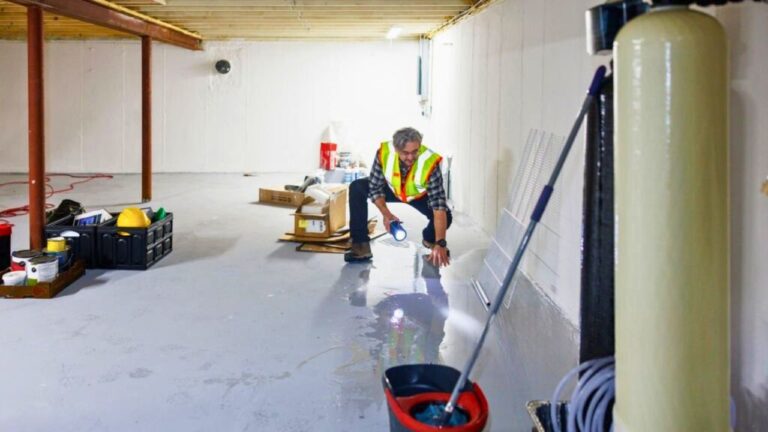
The “golden handcuffs” effect is still real, and it’s driving the DIY boom
Across the country, you are watching friends, neighbors, and maybe yourself stay put in homes that no longer quite fit, while weekends disappear into paint swatches and power-tool tutorials. The same financial forces that make it hard to move are pushing you to rework what you already own, and that tension is fueling a new wave of do‑it‑yourself ambition. The “golden handcuffs” of low mortgage rates have not come off, they have simply been repurposed into a powerful incentive to renovate rather than relocate.
How the golden handcuffs tightened around your house
You are living in a market where the cost of borrowing has reset higher, and that shift is what makes your existing loan feel so valuable. The average interest rate for a 30‑year, fixed‑rate conforming mortgage is now 6.159%, a level that looks steep compared with the ultra‑low deals many owners locked in earlier in the decade. When you compare that figure with the rate on your current note, the gap is what makes moving feel less like a fresh start and more like a financial penalty.
That spread between yesterday’s cheap money and today’s more expensive loans is what analysts describe as a lock‑in effect, and it has become central to how you think about housing decisions. Historical charts of Mortgage interest rates show why the current environment feels jarring, even if it is not extreme by long‑term standards. The memory of pandemic‑era lows is still fresh, so the mortgage you already have can feel like a prized asset you are reluctant to give up, even when your life has outgrown the house attached to it.
Why moving feels out of reach, even when you need more space
When you weigh a move, you are not just comparing square footage or school districts, you are comparing monthly payments under very different borrowing conditions. Analysts who are Exploring Mortgage Rates in early 2026 note that borrowing costs have eased from peaks above 7 percent, yet they remain far from the bargains of a few years ago. That means trading a 3 percent mortgage for something closer to current levels can add hundreds of dollars to your monthly bill, even before you factor in higher insurance, taxes, and closing costs.
On top of that, you are shopping in a market where supply is constrained precisely because other owners are doing the same math and staying put. Analysts describe how, Because so many owners are clinging to their existing loans, you are left with a market that feels oddly frozen, instead of a steady flow of listings that fit your needs. Instead of finding a move‑in‑ready upgrade, you are more likely to face bidding wars on the few homes that do hit the market, which only reinforces the sense that moving is both financially and practically out of reach.
What the 2026 housing forecasts tell you about staying put
Forward‑looking data suggests that this standoff between would‑be movers and the rate environment will not resolve overnight, which matters for how you plan your next few years. National projections indicate that Home Sales To Remain in Low Gear as Balance Holds, with a steadier market but no dramatic surge in transactions. In other words, even as conditions normalize from the extremes of the pandemic era, you should not expect a sudden flood of affordable listings that makes upgrading easy.
Price expectations are similarly modest, which undercuts the idea that you can simply wait for a big correction before making a move. Analysts tracking the housing market outlook note that Here is how several major forecasters see 2026, with figures like 2.2% price growth from one prominent forecast and similar low single‑digit gains from others such as Redfin, Realtor, and Zillo. That kind of slow appreciation suggests you are unlikely to be “priced back in” by falling values, but you also are not staring at a bubble that is about to burst in your favor, which again nudges you toward making the most of the home you already own.
Affordability pressures that push you toward DIY
Affordability has become the central filter through which you evaluate every housing decision, and it is not just about the headline mortgage rate. Analysts point out that Affordability, life events, and inventory shifts are the three forces shaping the 2026 market, and all three intersect in your household budget. When your income, childcare costs, and job stability collide with higher borrowing costs and limited options, the path of least resistance is often to stay where you are and reconfigure your space.
Even if you are tempted to stretch for a new purchase, expert guidance on whether you should buy in 2026 is cautious. Analysts summarizing the Key Takeaways for would‑be buyers note that Mortgage rates may dip slightly, which could improve affordability at the margins, but borrowing costs are still expected to remain higher than the rock‑bottom levels tied to the 10‑year Treasury yield earlier in the decade. That outlook makes it rational for you to redirect your limited capital into projects that improve your current home’s function and value instead of absorbing the transaction costs of a move.
Why renovation spending is holding up in a cooler market
Even as home sales slow, the money flowing into renovations and repairs is not collapsing, which reflects the choices you and other owners are making. Researchers tracking remodeling activity expect Annual expenditures for improvements and maintenance on owner‑occupied homes to remain steady, with only slow and modest changes in renovation and repair spending. That pattern fits a world where you are not flipping houses rapidly, but you are still investing in the one you have, especially when it feels like a long‑term hold.
At the same time, you are not immune to the cost side of the equation, which is another reason DIY is so appealing. Industry specialists warn that Experts predict labor costs may continue to rise because of inflation, demand for skilled trades, and material pricing, making professional renovations more expensive in the coming years. Faced with steady or rising spending on home improvement and higher bids from contractors, you have a clear financial incentive to pick up more of the work yourself, from demolition and painting to installing fixtures and finishes.
From locked‑in owner to hands‑on renovator
Once you accept that you are likely to stay put for longer, your mindset shifts from “good enough for now” to “how do I make this place truly work.” That is where the psychological side of the golden handcuffs comes in, because the same low rate that keeps you in place also gives you confidence to invest in upgrades. Guidance aimed at owners in your position notes that Many homeowners are tied to a low mortgage rate and are looking for ways to get more space or a more modern home without giving up that advantage, which is exactly the calculation that leads you toward renovation.
As you move from idea to action, the line between hiring help and doing it yourself becomes a financial balancing act. You might bring in professionals for structural work or major systems, then reserve cosmetic projects for your own weekends to keep the budget in check. The more you see your low‑rate loan as a long‑term anchor, the more it makes sense to learn new skills, invest in better tools, and treat your home as an ongoing project rather than a temporary stop on the way to something bigger.
How rate expectations shape your renovation timeline
Your appetite for DIY is also shaped by what you expect to happen with borrowing costs over the next few years. Some rate watchers argue that, while there may be relief ahead, you should not count on a return to the ultra‑cheap money of the pandemic. One prominent forecast notes that an expert said, “I do not expect a return to the ultra‑low mortgage rates we saw during the COVID era,” even as rates have moved down by several basis points over the last week. That kind of guidance tells you that waiting for a dramatic reset may be a losing strategy.
At the same time, broader housing forecasts suggest a market that is healing slowly rather than snapping back to old norms. Analysts who argue that In 2026, we expect a steadier housing market but not one that is “off to the races” are effectively telling you to plan for a multi‑year stay. If you assume you will be in your current home long enough to ride out only gradual changes in rates and prices, then investing in a new kitchen layout, a finished basement, or a backyard office starts to look less like a splurge and more like a rational response to the economic backdrop.
The DIY boom as a quiet affordability strategy
When you strip away the social media gloss of renovation content, the surge in DIY activity is, at its core, an affordability strategy. You are using sweat equity to bridge the gap between the home you can comfortably afford under today’s rates and the home you actually want to live in. That might mean turning a dining room into a hybrid office with built‑in storage, carving a laundry nook out of a hallway, or upgrading insulation and windows to cut utility bills, all projects that can be tackled in stages as time and budget allow.
Crucially, you are not doing this in a vacuum, but in a market where professional help is both busy and costly, and where the alternative of buying a different home is constrained by the same forces. Analysts who frame the 2026 market around affordability, life events, and inventory are describing the context in which your DIY choices make sense, even if they leave you tired on Sunday night. In that environment, the golden handcuffs are less a trap than a set of conditions you are learning to work within, using creativity and labor to reclaim some control over a housing landscape that often feels stacked against you.
What to watch next as you plan your own projects
Looking ahead, the factors that pushed you toward DIY in the first place are unlikely to disappear quickly, but they will evolve in ways you should monitor. Keep an eye on how Home Sales To Remain in Low Gear interacts with any shifts in inventory, because a meaningful loosening could eventually give you more options if you decide to sell. At the same time, track whether renovation spending continues its slow, steady path or begins to cool, since that will influence contractor availability, material pricing, and the resale value of the work you do.
You should also stay attuned to the broader rate environment, not because you can time it perfectly, but because it shapes the opportunity cost of every dollar you put into your current home. Analysts who outline What Homebuyers Need to Know about rate trends, and those who stress that most experts do not expect a return to ultra‑low levels, are effectively giving you the backdrop for your renovation calendar. Within that frame, the DIY boom is not a fad, it is a rational, if exhausting, way for you to adapt to a housing market where the best deal you will ever get may be the mortgage you already have.
Like Fix It Homestead’s content? Be sure to follow us.
Here’s more from us:
- I made Joanna Gaines’s Friendsgiving casserole and here is what I would keep
- Pump Shotguns That Jam the Moment You Actually Need Them
- The First 5 Things Guests Notice About Your Living Room at Christmas
- What Caliber Works Best for Groundhogs, Armadillos, and Other Digging Pests?
- Rifles worth keeping by the back door on any rural property
*This article was developed with AI-powered tools and has been carefully reviewed by our editors.