The gravel driveway mistake that creates ruts every storm
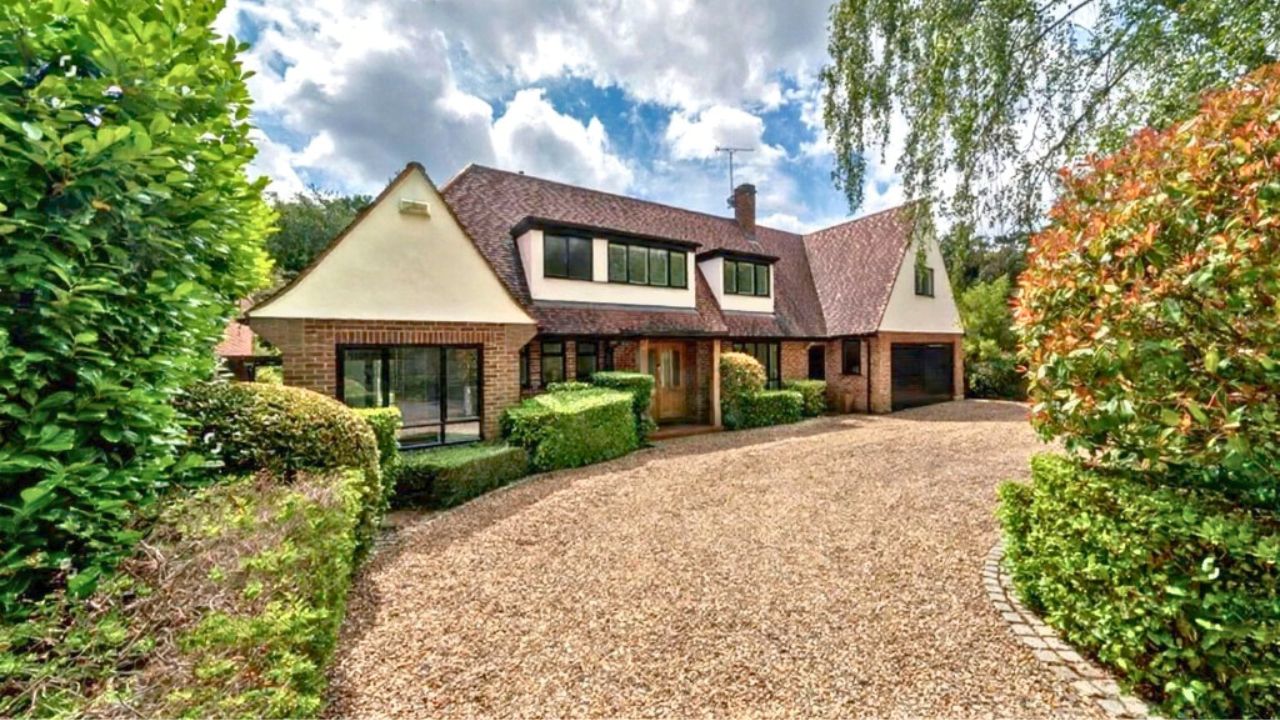
Every time a storm rolls through, you see the same thing happen to your gravel driveway: shallow dips turn into deep ruts, and the surface that looked fine a week ago suddenly feels like an off-road trail. That repeated damage is not random, and it is usually tied to one basic design mistake that lets water do whatever it wants. Fix how your driveway handles water, and you stop giving every storm a chance to tear it apart.
The core problem is simple to describe and expensive to ignore. When your gravel lies on a flat or poorly shaped base, stormwater has no guided path, so it collects, speeds up, and cuts channels straight through your traffic lanes. Once you see how that mistake shows up in the slope, crown, and gravel mix under your tires, you can rebuild the surface so rain runs off the way it should instead of carving new ruts after every downpour.
How a flat driveway invites ruts every time it rains
The most common mistake with a gravel driveway is treating it like a parking pad instead of a small road. If the surface has no slope or crown, water from a storm simply sits on top, then starts moving along the tire tracks because those are the lowest points. Over time, that water cuts grooves deeper with each storm until your vehicle drops into the same channels again and again, which packs the gravel in the ruts and pushes loose stone out to the edges. Contractors who work on rural roads stress that a gravel surface needs a shaped profile so water sheds quickly, not a dead-flat plane that lets puddles linger and flow straight down the path of your car.
On a properly built driveway, the center is slightly higher than the sides so water is forced to move off the traffic lanes and into a safe outlet. Skip that crown, or let traffic and weather flatten it out, and you create a long, shallow ditch that runs right where your tires travel. Guidance on how to prevent explains that a driveway with no slope or crown allows water to collect and travel along the tire paths, which is exactly how you end up with washouts and potholes after every heavy rain. Once those channels form, they accelerate the water, which means each new storm has more power to rip out stone and expose the base underneath.
The hidden base problem under your gravel
Even with a correctly shaped surface, you still fight ruts if the base under your gravel is weak. Many residential driveways sit on clay soil that holds water, swells when it is wet, and softens under the weight of your car. When a storm saturates that clay, the base turns spongy, and your tires push the rock down into the mud instead of riding on a firm foundation. A local excavation contractor describes this as Hidden Problem Under, where the real failure happens below the surface you can see.
Dumping more gravel on top of that soft base does not solve anything; it just gives the water more material to move. The pressure of your vehicle forces stone into the weak spots, which deepens the ruts and leaves high ridges in between. Over time, you may notice that the driveway seems to sink in the same places after every storm, because the clay is pumping up and down under the load. When you rebuild, you need to think like a road builder and create a compacted roadbed with enough thickness and drainage so the gravel layer sits on something solid instead of a sponge.
Water from everywhere, not just the sky
Stormwater rarely falls straight down and disappears; it also arrives from your roof, yard, and nearby slopes. If your gutters send water directly onto the driveway, you are concentrating flow in one spot and training it to cut a trench. In one video, a contractor points out that Water is powerful when downspouts point right at the driveway, because every rain event sends a focused stream that chews through the gravel and exposes the base. You might see a fan-shaped washout where that downspout hits, or a single rut that starts under the drip line and runs downhill.
Runoff from the surrounding ground can be just as destructive. A shared example of a Driveway with no shows how water from upslope fields has nowhere to go except straight down the gravel, which leads to deep channels and missing stone after each storm. On a sloped drive, that kind of unmanaged flow acts like a river, picking up fines and small rock as it moves. By the time the water reaches the bottom, it has carried your driveway with it, leaving bare spots that get worse with every passing season.
The gravel mix mistake that guarantees washouts
Even with good shape and drainage, you can still invite ruts if you choose the wrong stone. Many homeowners are drawn to clean, round rock because it looks tidy and feels solid underfoot, but without smaller particles to lock it together, that rock behaves like ball bearings when water and tires move across it. In a short demonstration, a contractor calls this the biggest mistake people because they do not have fines that hold the rock together, so the surface constantly shifts and washes away. When a storm hits, the water simply floats those loose stones downhill, leaving you with bare patches and piles of rock at the bottom.
On steep sections, the wrong gravel choice can be even more punishing. A separate explanation of the worst gravel you highlights how smooth, uniform stone on a grade encourages sliding and rutting, because the pieces do not interlock and have no fines to fill the gaps. Your tires dig in to find traction, which kicks rock out of the wheel paths and deepens the grooves. Over time, you end up driving on the remaining sharp edges and exposed subbase instead of a stable, blended surface that can resist both traffic and water.
Why “just grading it” never lasts
Hiring someone to drag a box blade over your driveway gives you a quick cosmetic fix that often lasts only until the next serious storm. The machine pulls loose gravel from the sides back into the ruts, but if the underlying base is soft or the crown is missing, water and traffic will simply push that material right back out. In one discussion about When the ruts that a driver could not reach the store, the turning point came when they stopped chasing surface repairs and addressed drainage and structure instead. Until you change how water moves and how the base carries weight, grading alone is like sweeping sand off a beach.
Experienced operators stress that you need to reshape the profile, not just smooth it. A contractor named Richard explains that the #1 Reason Gravel is poor preparation and lack of structure, and he talks about getting you Midway through the prep work before any fresh gravel goes down. That prep includes cutting ditches or swales to give water a place to go, rebuilding the crown so the center is higher than the edges, and compacting each lift of material so it behaves like a single, solid layer. When you invest in that kind of groundwork, your grading passes become maintenance rather than emergency surgery after every storm.
Like Fix It Homestead’s content? Be sure to follow us.
Here’s more from us:
- I made Joanna Gaines’s Friendsgiving casserole and here is what I would keep
- Pump Shotguns That Jam the Moment You Actually Need Them
- The First 5 Things Guests Notice About Your Living Room at Christmas
- What Caliber Works Best for Groundhogs, Armadillos, and Other Digging Pests?
- Rifles worth keeping by the back door on any rural property
*This article was developed with AI-powered tools and has been carefully reviewed by our editors.