The gutter issue that turns into an ice problem later
Winter roof trouble rarely starts with a dramatic leak. It usually begins quietly, with a neglected gutter that cannot move water away fast enough, then escalates into heavy ice, warped shingles, and stained ceilings. If you understand how that small gutter issue snowballs into a serious ice problem, you can break the chain before it reaches your roof deck, your insulation, and eventually your wallet.
By looking closely at how water, heat, and debris interact around your roofline, you can turn a vulnerable part of your home into a controlled drainage system that keeps meltwater moving instead of freezing in place. The goal is not to fear winter, but to prepare for it with a mix of simple maintenance, smart upgrades, and a clear plan for when ice does appear.
From clogged gutters to solid ice: how the problem really starts
The story of winter roof damage usually starts in autumn, when leaves, twigs, and grit settle into your gutters and quietly block the channels that should carry water away. Once temperatures drop, that trapped water has nowhere to go, so it sits, freezes, and gradually turns your gutter into a rigid trough of ice that can weigh hundreds of pounds. When you let organic debris build up, you are effectively preloading your gutter system for failure as soon as the first freeze-thaw cycle hits.
Specialists warn that clogged gutters from leaves and twigs are a direct trigger for early-season ice buildup, because the water that should drain away instead pools and freezes along the eaves. Once that ice forms, it can trap even more meltwater behind it, which is how a simple blockage evolves into a full ice dam. When you see that first frozen ridge at the edge of your roof, you are looking at the end result of a chain reaction that started with basic maintenance left undone.
Why roof heat and attic air turn gutter ice into ice dams
Even if your gutters are technically clear, the temperature difference between your warm roof and the cold winter air can set up the perfect conditions for ice dams. When the upper part of your roof is above freezing but the lower edge stays below, snow melts higher up, runs down as liquid, and then refreezes at the colder eaves. Roofing experts describe this as Uneven Roof Temperatures, where the top of the roof is warm (above 32°F) but the edges stay below freezing, so meltwater refreezes right at the gutter line.
That temperature imbalance is usually driven by heat escaping from your living space into the attic, then warming the roof deck from below. One analysis notes that In the average home, a significant share of heat loss occurs through the roof, which accelerates snow melt and sends more water toward the cold eaves where it can freeze inside the gutter system. Another report on attic performance explains that Even the best insulation can still allow some heat to escape, but when insulation and ventilation are poor, the effect is magnified and ice dams become far more likely.
The warning signs you should never ignore at the roofline
By the time you notice dramatic icicles, your gutter problem has already advanced from nuisance to warning flare. Long, heavy ice formations hanging from the eaves are not just decorative; they signal that water is backing up instead of draining away. Specialists on winter gutter issues point out that What Causes Icicles is often the same process that causes ice dams, with clogged gutters and trapped meltwater feeding both problems at once.
Those icicles also create direct safety risks. Analysts highlight Safety Hazards, noting that Falling ice can injure people, damage vehicles, and tear at landscaping below. Another detailed breakdown of gutter performance warns that Why Icicles on the roof edge are a Bad Sign is that they often mean warm air is escaping through your roof, melting snow and sending water into gutters that are already restricted. When you see those glossy spears forming, you are getting a visual alert that your roof, attic, and gutters are not working together the way they should.
What ice buildup actually does to your gutters and roof
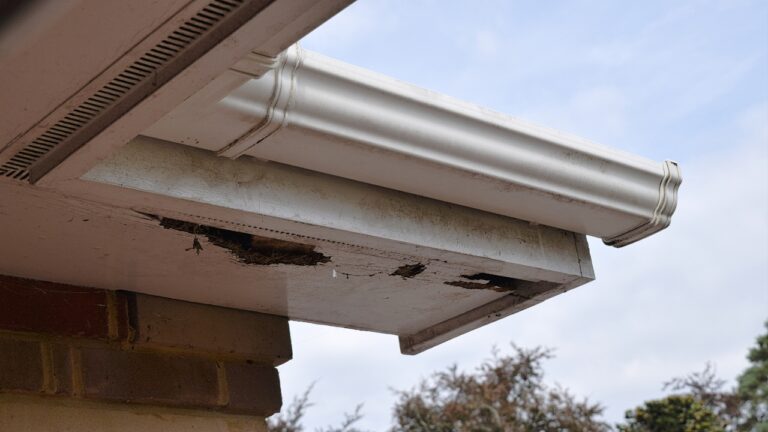
Once ice takes hold inside your gutters, the damage is not limited to the metal channel itself. Ice is heavy, and when it fills a long run of gutter, it can pull fasteners loose, twist hangers, and even rip entire sections away from the fascia. A technical overview of winter gutter performance notes that Causes and effects of ice build-up include sagging gutters, separated seams, and water spilling over the edge directly onto siding and walkways, where it can freeze into hazardous sheets.
The roof structure also pays a price. One assessment of regional winter damage warns that Even the weight of the ice itself can strain gutters and pull them away from the house, opening gaps where water can run behind the fascia and into the wall assembly. Another report on winter roofing issues explains that Poor insulation is the main reason why icicles form and ice dams develop, and once that happens, meltwater can back up under shingles, soak the roof deck, and eventually stain interior ceilings. What starts as a frozen gutter can end as a full building-envelope problem.
Maintenance moves that stop the ice before it forms
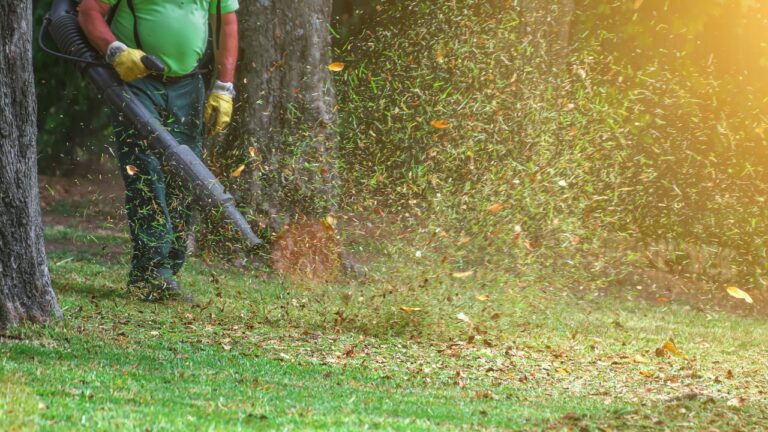
The most effective way to keep a gutter issue from turning into an ice crisis is to treat maintenance as a seasonal ritual rather than an afterthought. Regular cleaning is the foundation, because clear channels give meltwater somewhere to go even when temperatures are fluctuating around freezing. One winter care guide stresses that Regular cleaning is the most important step to Keep Gutters Clean and Prevent Frozen Gutters and Downspouts, since it preserves proper water flow and reduces the chance of standing water refreezing inside the system.
Beyond cleaning, you should pay attention to how your gutters are attached and supported. A comprehensive winter gutter guide notes that a downspout bracket is a simple aluminum or metal wrap that holds the vertical pipe securely to the side of the house, which becomes crucial when that downspout is carrying slushy water or partial ice. Another section in the same technical resource explains that The Cause of Ice Buildup on Gutters is often water that lingers in the trough as temperatures drop below the freezing point, which is why ensuring a slight slope toward each outlet and checking for low spots can make such a difference.
Design and hardware upgrades that keep water moving
If you live in a climate with persistent snow, you may need more than basic cleaning to stay ahead of ice. The way your gutter system is sized and sloped can either help or hinder winter drainage. One roofing contractor describes a three-part approach that starts with a gutter system sized correctly for the roof area, then adds proper slope and clear outlets so water does not linger and freeze; they emphasize that you should clean gutters of leaves and debris and confirm that the channels possess a graduated slope toward each downspout.
Leaf control systems and gutter inserts can also play a role by keeping debris out in the first place. One manufacturer notes that a brush-style insert Prevents Gutter Congestion by holding leaves above the water path so runoff can keep moving instead of freezing solid inside the trough. Another winter protection guide explains that Winter Roof Gutter Care Tips include making sure downspouts discharge several feet away from the foundation, which prevents ice from forming right at the base of your walls and reduces the risk of basement seepage when thaw arrives.
Heat cables and tech solutions when nature will not cooperate
In some settings, especially on complex roofs or shaded north-facing eaves, you may decide to add controlled heat to keep ice from locking your gutters. Roof heating cables are designed to create narrow channels where meltwater can escape instead of pooling behind an ice ridge. One detailed guide on ice control recommends that you Use Roof Heating Cables along the lower edge of the roof and inside gutters, but stresses that they should be installed by a professional to maximize effectiveness and safety.
Several consumer products are built specifically for this job. The Keep your gutters and downspouts flowing all winter long promise of the Easy Heat ADKS-500 Roof/Gutter Kit is built around heating cables that Prevent ice dam formation and the costly damage it can cause. A larger version, the Easy Heat 160ft. Roof-Gutter Kit ADKS-800, is marketed with the same Keep and Prevent benefits for longer rooflines. Retail listings for these kits reiterate that they are designed to Keep water moving through gutters and downspouts, while a parallel listing for the ADKS-800 repeats the focus on helping Prevent ice dam formation along extended eaves.
Attic insulation, ventilation, and the hidden role they play
Even the best gutter hardware cannot fully protect you if warm air is constantly leaking into your attic and heating the roof from below. When your attic acts like a low-grade furnace, snow melts faster than it should, and the runoff races toward the cold edge where it can freeze into a solid ridge. One regional analysis of winter damage notes that The culprit is your home’s insulation, with Poor insulation identified as the main reason why icicles form and ice dams develop along the roof edge.
Ventilation is the other half of the equation. A detailed breakdown of how heat loss affects winter performance explains that How Heat Loss and Attic Ventilation Affect Ice Dam Formation is straightforward: when warm air is allowed to escape evenly and cold air can circulate, the roof surface stays closer to the outdoor temperature, which reduces the melt-refreeze cycle that feeds ice dams and refreezing inside the gutter system. Another technical resource on foam insulation underscores that When winter rolls in, those long, sparkling icicles hanging from the edge of a roof may look picturesque, but they are often a sign that heat is escaping and setting up the conditions for Roof Damage behind the scenes.
Safe responses when ice has already taken over your gutters
If you are already facing frozen gutters, your priority is to limit further damage without putting yourself at risk. Climbing a ladder in icy conditions is inherently dangerous, and chipping at ice can easily dent metal or crack sealant. One winter maintenance guide opens with a clear Disclaimer that you should Always get an expert’s advice about an issue with your gutters and be sure you know and abide by ladder safety principles before attempting any work yourself.
In many cases, the safest move is to manage the symptoms from the ground while you arrange professional help. One regional contractor that focuses on cold-climate homes advises that Preventing Frozen Gutters and Downspouts starts with keeping gutters clean to Prevent buildup in the first place, but once ice is present, you should avoid prying or hammering at it and instead look at controlled melting methods or temporary channels for runoff. Another winter-focused overview aimed at homeowners in Pittsburgh and similar regions emphasizes that Winter conditions can be taxing, so knowing when to call in a roofing or gutter specialist is part of responsible home ownership.
Like Fix It Homestead’s content? Be sure to follow us.
Here’s more from us:
- I made Joanna Gaines’s Friendsgiving casserole and here is what I would keep
- Pump Shotguns That Jam the Moment You Actually Need Them
- The First 5 Things Guests Notice About Your Living Room at Christmas
- What Caliber Works Best for Groundhogs, Armadillos, and Other Digging Pests?
- Rifles worth keeping by the back door on any rural property
*This article was developed with AI-powered tools and has been carefully reviewed by our editors.