The habit that makes claims smoother when something goes wrong again
When something goes wrong for a second or third time, the difference between a chaotic scramble and a manageable claim often comes down to one quiet habit: how you prepare and document your life before trouble hits. You cannot stop every burst pipe or fender‑bender, but you can decide whether the next claim feels like a rerun of stress or a smoother, more controlled process. The core idea is simple: build a repeatable routine now so that, when you are filing again, you are not starting from zero.
That routine is less about memorizing policy jargon and more about turning documentation, organization, and communication into muscle memory. By treating receipts, photos, inventories, and timelines as part of everyday life rather than emergency chores, you give yourself leverage the next time you need to prove a loss, answer an adjuster’s questions, or challenge a low offer.
The one habit that changes every future claim
The single habit that makes every later claim easier is disciplined, ongoing documentation. If you get used to capturing details as you go, you are not scrambling to reconstruct what you owned, what it was worth, or what exactly happened after a loss. That means keeping records of big purchases, saving repair invoices, and taking photos of your home, car, or business when things are normal, so you have a clear “before” picture when you need it.
Insurers repeatedly stress that when you document everything, you put yourself in a stronger position to maximize coverage and reduce disputes. Former adjusters echo the same point, urging you to keep a detailed of possessions and take pictures long before anything goes wrong. Once this becomes a habit rather than a one‑off project, every new claim starts with a ready‑made file instead of a blank page.
Turning your home into a claim‑ready environment
Building that habit starts with how you set up your home. A claim‑ready environment is not a bunker, it is a place where key information is easy to find and damage is less likely to spiral. That can be as simple as choosing one drawer or digital folder where you always drop warranties, contractor invoices, and major purchase receipts, then backing that up to cloud storage so you can reach it even if your laptop is damaged.
Proactive steps also reduce the number of claims you ever need to file. Guidance on preventing losses highlights that many claims can with regular maintenance, safety precautions, and a current inventory of valuables. Practical checklists recommend using water‑leak sensors near appliances and in basements, with water‑leak sensors specifically called out as a way to catch problems early and keep both damage and stress down.
Building a living inventory of what you own
A living inventory is the backbone of smoother claims, especially when you face theft, fire, or major water damage. Instead of trying to remember every item in a room after it is gone, you walk in with a list that already includes model numbers, purchase dates, and approximate values. You can start with the highest‑value items, such as a 2023 MacBook Pro, a 2022 Samsung Frame TV, or jewelry, then expand to furniture and everyday electronics.
Loss‑prevention advice emphasizes that when you keep an inventory, you not only speed up claims but also help keep insurance costs down because you can choose coverage that actually matches what you own. Former adjusters advise you to take pictures and, pairing photos with a spreadsheet or app that you update whenever you buy or sell something significant. Over time, that inventory becomes a living document you can hand to an adjuster instead of a rough guess scribbled after a loss.
Designing a simple record‑keeping system you will actually use
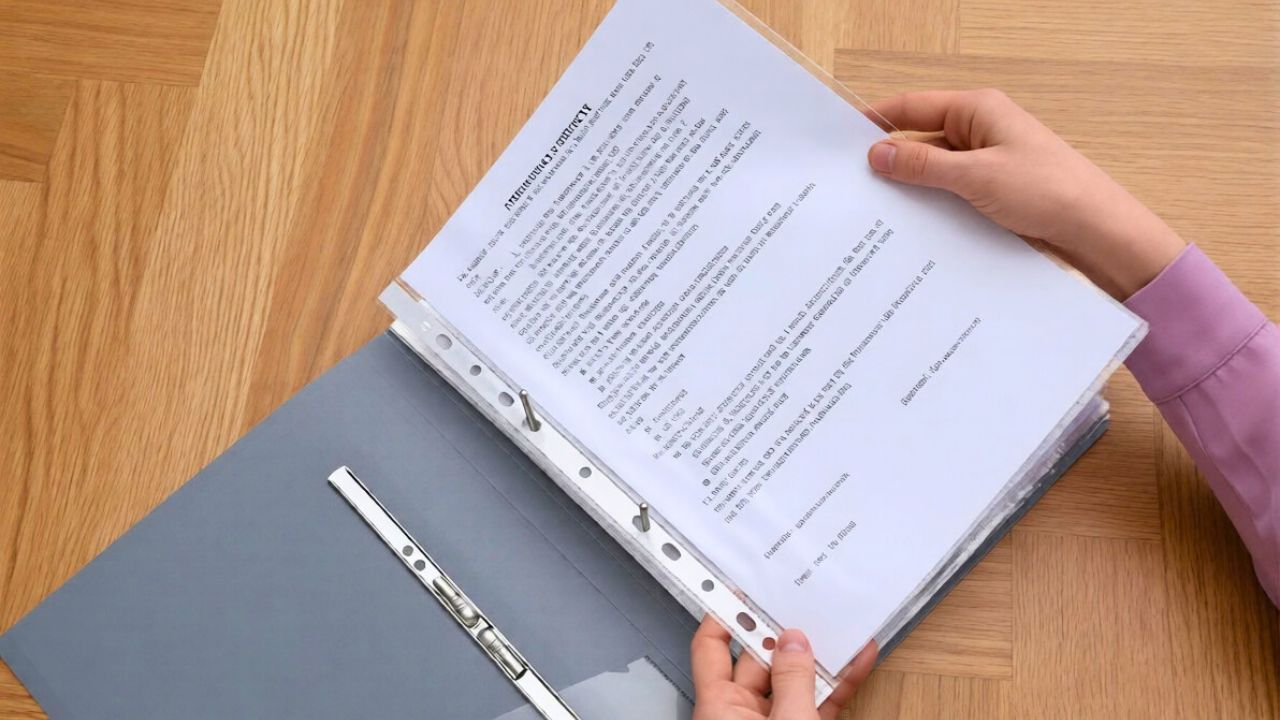
Documentation only helps if you can find it quickly, so your next step is to design a record‑keeping system that fits your habits. That might mean a shared Google Drive folder labeled “Insurance,” with subfolders for “Home,” “Auto,” and “Health,” or a password‑protected folder in an app like Evernote or Notion. The goal is not perfection, it is consistency: every time you get a new policy, repair invoice, or major receipt, it goes into the same place.
Specialists in claim support stress that efficient record‑keeping is a skill you can build, outlining tips for efficient that include organizing documents by claim type, keeping digital backups, and logging conversations with adjusters. Public adjusters add that after property damage, you should prioritize photographs and videos of the scene, capturing wide shots and close‑ups before you move anything. When you combine that kind of structured evidence with a simple digital filing system, you can respond to document requests in minutes instead of days.
What to capture in the first hours after something goes wrong
When an incident happens, your documentation habit shifts into a higher gear. In the first hours, your job is to make the scene safe, prevent further damage, and capture what happened before it changes. That means turning off the water if a pipe bursts, moving undamaged items out of harm’s way, and then taking photos and videos from multiple angles, including serial numbers and any visible cause like a broken hose or shattered lock.
Guidance on what should be documented after property damage is explicit that you should take photographs and as soon as possible, then keep receipts for any emergency expenses. Checklists for less stressful claims also advise you to make only necessary temporary repairs documented, such as boarding up a broken window or placing a tarp over a roof, so you can show both the original damage and the steps you took to limit it. That early evidence often shapes how quickly your claim is approved and how fully it is paid.
Reporting the claim: timing, accuracy, and tone
Once the immediate situation is under control, your next habit is prompt, accurate reporting. Filing quickly helps you meet policy deadlines and reduces the risk that an insurer questions whether the damage is new. Before you call or submit an online form, pull your inventory, photos, and notes together so you can give a clear, consistent account of what happened, where, and when.
Experts on claim handling highlight that certain claim reporting habits include providing complete information, avoiding exaggeration, and not making things up when you are unsure. Corporate risk advisers add that you should minimize commentary and when you describe the loss, sticking to facts instead of speculation or emotional color. That tone, combined with timely reporting, signals that you are a credible, organized policyholder, which can make every subsequent interaction smoother.
Using calendars and reminders so you never miss a step
Even if you are diligent, it is easy to miss a deadline or forget to send a document when you are juggling repairs, work, and family. Turning your claim process into a series of calendar events is a small habit that prevents big problems. As soon as you file, add reminders in Google Calendar, Outlook, or Apple Calendar for follow‑up dates, inspection appointments, and any promised callbacks, then attach notes or links to your claim file.
Technology guidance for policyholders recommends that you set reminders using to track filing deadlines and keep your account and policy details handy. That same mindset applies beyond the first claim: you can schedule recurring reminders to review coverage annually, update your inventory after big purchases, and test devices like water‑leak sensors. Over time, your calendar becomes a quiet safety net that keeps your documentation habit active even when life is busy.
Knowing your policy before you need it
Another part of the habit is understanding what your policy actually covers before you are in crisis. That does not mean memorizing every clause, but you should know your deductibles, key exclusions, and any special limits on items like jewelry, art, or home‑office equipment. When you understand those boundaries, you can tailor your documentation to the areas where proof will matter most and avoid surprises when you file.
Risk‑management specialists advise you to understand your policies and know what they may or may not cover so you can plan ahead. Consumer‑focused guidance on maximizing coverage reinforces that insurance claims tips start with reading your policy and asking questions before a loss, not after. When you combine that knowledge with your documentation routine, you can decide more quickly whether to file a claim at all, how to frame it, and what evidence will be most persuasive.
Practicing the routine so the next claim is not a shock
Habits stick when you practice them in low‑stakes moments, not only during emergencies. You can treat each small incident, like a cracked phone screen or a minor car scratch, as a rehearsal: take photos, log the date and time, save the repair estimate, and decide whether it is worth filing. Even if you ultimately pay out of pocket, you are reinforcing the same steps you will need for a larger loss.
Guides on smoother claims emphasize that filing can feel stressful, but checklists and routines make it more manageable, especially when you follow structured top tips and that you have already tested in everyday situations. Claim support services note that when you practice efficient record‑keeping and avoid common mistakes to avoid, each new claim feels less like a fresh crisis and more like a familiar workflow. Over time, that is the real payoff of the habit: not just a smoother claim once, but a calmer, more controlled response every time something goes wrong again.
Like Fix It Homestead’s content? Be sure to follow us.
Here’s more from us:
- I made Joanna Gaines’s Friendsgiving casserole and here is what I would keep
- Pump Shotguns That Jam the Moment You Actually Need Them
- The First 5 Things Guests Notice About Your Living Room at Christmas
- What Caliber Works Best for Groundhogs, Armadillos, and Other Digging Pests?
- Rifles worth keeping by the back door on any rural property
*This article was developed with AI-powered tools and has been carefully reviewed by our editors.