The HGTV design choice that screams “2020s flip” the second you walk in
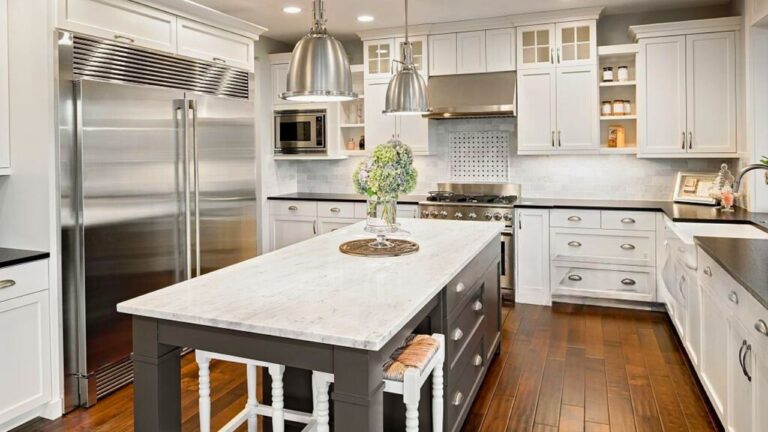
You know the look the second you open the door: a perfectly neutral box, gleaming with new finishes that somehow feel older than the house itself. The HGTV design choice that gives away a 2020s flip instantly is the aggressively standardized, gray-and-white, open-plan makeover that treats your future home like a product line instead of a place to live. Once you start spotting the patterns, you cannot unsee how often this formula trades character and quality for speed and resale math.
Walk into that kind of flip and you are not just reacting to paint colors or tile patterns. You are reading a set of decisions driven by television aesthetics, investor spreadsheets, and a belief that every buyer wants the same thing. If you understand what those choices signal about craftsmanship, layout, and long-term livability, you can separate a genuinely thoughtful renovation from a quick cosmetic turn that only looks good in a listing photo.
The telltale “2020s flip” moment in the entryway
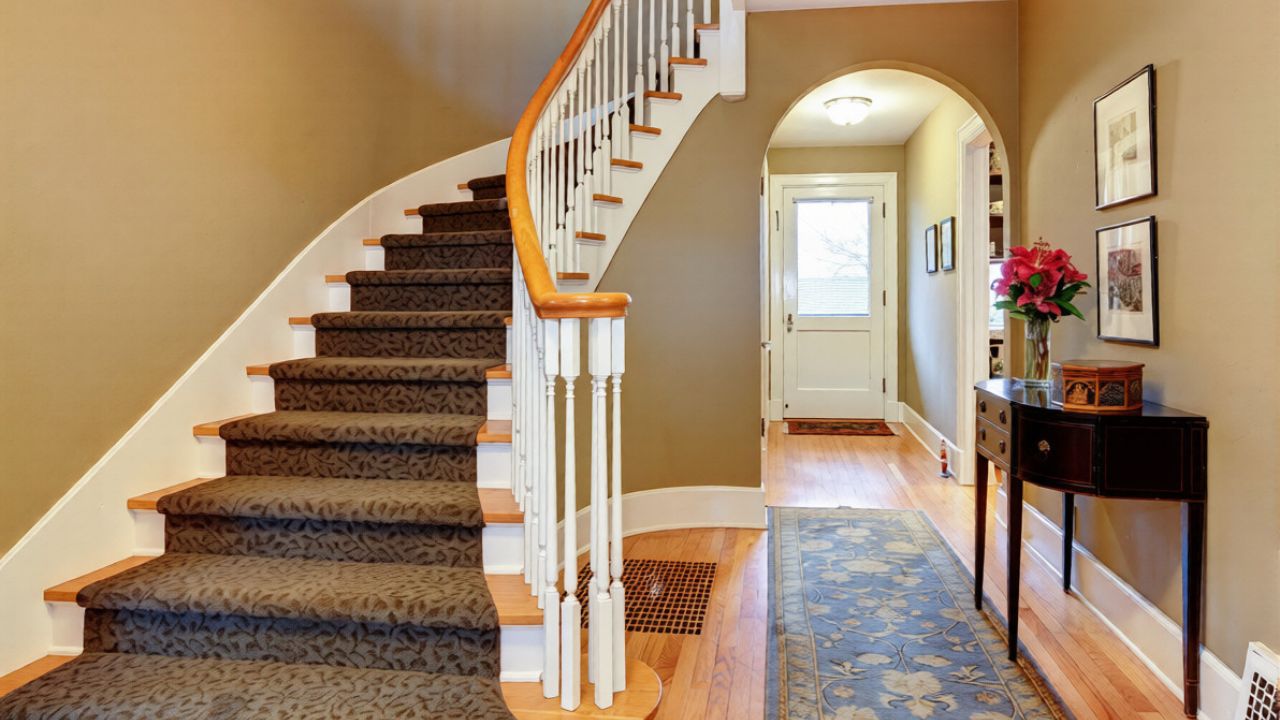
Your first clue usually hits before you even reach the living room. Step into a narrow entry and you are immediately met with a wall of identical gray or greige, bright white trim, and a single generic flush-mount light that could have come from the same big-box aisle as a hundred other flips. Online, buyers trade stories about walking into houses where everything is White, Gray and, from walls to floors to cabinets, which makes the space feel more like a rental unit than a home with a point of view. When every surface is new but nothing feels specific to the house, you are probably standing in a 2020s flip.
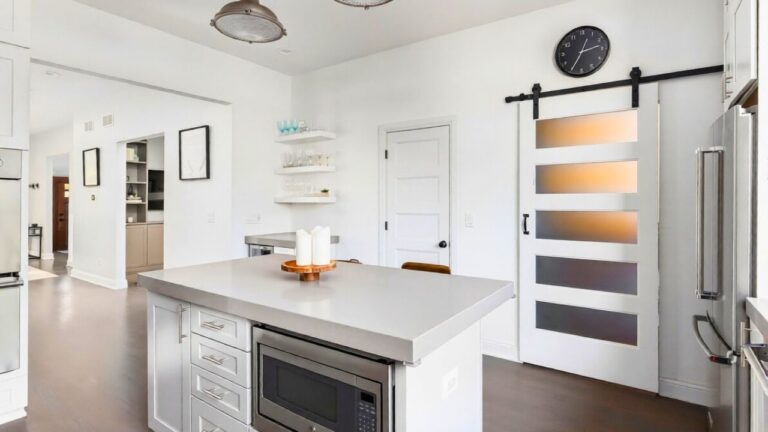
That sameness is not an accident. Investors lean on a narrow palette because it photographs cleanly and lets them buy finishes in bulk, and television has trained you to associate those choices with “after” shots and instant equity. A widely cited critique of HGTV-style makeovers points out how shows have popularized a handful of interchangeable flourishes that get “stuffed into the same dwellings,” from shiplap to sliding barn doors, until the word “flip” itself evokes a predictable visual kit. When you see that kit deployed without regard for the home’s age or architecture, as described in HGTV-ification critiques, you can safely assume the design was built for speed, not for you.
How HGTV aesthetics turned into a checklist
You live in a moment when HGTV is less a channel and more a design template. Years of renovation shows have distilled “good taste” into a checklist that investors can follow without hiring a high-end designer or spending time studying the house. In one clip from a popular flipping series, a host walks through a wreck with stained carpet that “was once pink like 800 years ago,” then fast-forwards to the reveal where the same property is reborn through white cabinets, gray floors, and a few black fixtures. You are taught to see that contrast as transformation, even if the underlying work is mostly cosmetic.
Once that on-screen formula proved that buyers respond to a certain look, it migrated into real listings across the country. Commenters in HGTV fan spaces joke that one long-running show should be renamed “White and Grey,” and one user, KSCNYC, complains that staging often makes every finished home resemble the same big-box showroom, which they simply call “Home.” That shorthand tells you how thoroughly the aesthetic has saturated the market. Walk into a 2020s flip and you are often stepping into a physical version of a reveal segment, built around what looks good in a 30-second pan shot rather than what will still feel right after five years of living.
The open-concept obsession behind so many flips
Beyond color, the floor plan is where you see the HGTV script most clearly. Flippers are told that young buyers want to “maximize space and flexibility,” so they knock down walls to create one big living-dining-kitchen zone, often without asking whether the house was designed to support that kind of openness. Guides aimed at investors emphasize that Open Concept Layouts, for Gen Z and other younger buyers, treating the open plan as a near-universal preference instead of one option among many.
Lending and renovation advice pieces echo that message, calling Open Concept Living a top “Trend” for adding value because they create a sense of flow and make modest square footage feel larger. You feel that when you walk into a flip where the living room bleeds into the kitchen and there is no clear boundary between cooking, eating, and working. The risk is that the same sledgehammer approach can erase storage, sound separation, and cozy corners that older floor plans provided. When every wall that once defined a room has been removed in the name of resale, you are left with a space that performs well in a listing but may be harder to live in day to day.
The gray-and-greige color trap
Color is where the 2020s flip announces itself most loudly. You are likely to see a specific spectrum of whites, grays, and greiges that have become the default for quick renovations. Online discussions about flipped homes often start with someone pointing out that everything is White, Gray and, and that this sameness can actually make it harder to distinguish one property from another when you are touring multiple houses in a weekend. You are not just seeing a neutral backdrop, you are seeing a color strategy designed to offend no one and appeal to everyone.
That strategy has its own backlash. Coverage of the greige trend describes how this hybrid of gray and beige took over interior walls as a “safe” choice, then started to feel sterile and overused as more homes adopted it. Real estate agents interviewed about gray living rooms argue that all-gray spaces can photograph beautifully yet read as cold and uninviting in person, especially when paired with equally cool flooring and white trim. Walk into a flip and when every surface lives in that narrow band of neutrals, you are seeing a design decision that prioritizes mass-market appeal over warmth, and it can be a sign that other choices were made with the same one-size-fits-all mindset.
Why flippers love neutrals more than you do
From your perspective, a neutral palette might feel like a blank canvas that lets you add your own style over time. From a flipper’s perspective, it is a risk-management tool. By painting everything gray and white, they reduce the chance that a bold color will turn off a buyer, and they can use the same paint and trim packages across multiple projects to save money. Financing advice for investors reinforces that logic, encouraging standardized finishes that appeal to the broadest possible buyer pool and make staging easier for photos. When you see the same gray vinyl plank and white shaker cabinets repeated room after room, you are seeing the output of that cost-conscious system.
At the same time, the neutral obsession can hide shortcuts. A blog on red flags to in flipped or turnkey homes warns you to “Inspect the” details and “Look” closely at tile work, millwork, and finishes, because poor craftsmanship often hides behind fresh paint. When walls, trim, and ceilings are all sprayed in the same shade, it becomes harder at a glance to notice wavy drywall, patched cracks, or uneven caulk lines. Neutrals are not the problem by themselves, but in a 2020s flip they can function like stage lighting, drawing your eye to the new and away from what has not been addressed.
Craftsmanship clues hiding behind the HGTV sheen
Once you recognize the HGTV-inspired aesthetic, you can start reading it for clues about quality. Buyers and agents trade lists of warning signs, from “paint on the floors and doors” to “cheap floorboards” and “cheap IKEA light fixtures,” as indicators that a flipper focused more on speed than on durability. If you see brand-new cabinets paired with mismatched outlet covers, or fresh tile next to original, dinged baseboards, you are looking at a project where the visual transformation mattered more than a thorough overhaul.
Professional advice on spotting problem flips urges you to go beyond the pretty surfaces. One guide aimed at buyers of flipped or turnkey homes tells you to pay attention to any signs of “Poor Craftsmanship,” and to “Inspect the” tile alignment, grout lines, and trim joins closely. Another list of homeowner tips warns that spotting a cheap flip can be tricky for an untrained eye, and suggests that you always get a professional inspection to check for issues like Roots in plumbing or hidden water damage. When the design screams 2020s flip, take it as an invitation to slow down and look harder at the work you cannot see in a listing photo.
How investor guides shape what you walk into
The sameness you notice in flipped homes does not come from nowhere. It is reinforced by investor playbooks that tell would-be flippers exactly how to renovate for a fast sale. Articles on borrower platforms and lender blogs explain how to choose finishes that appeal to Gen Z and millennial buyers, and they highlight three big “Design Trends” you should “Consider When Flipping Houses for Gen” Z Buyers, with a heavy emphasis on open layouts and neutral palettes. These guides are not written for you as the future resident, they are written for the person trying to move the property quickly.
On the financing side, companies that fund flips share case studies and marketing content that celebrate projects where investors followed those formulas and then sold for a premium. The same organizations maintain presences on LinkedIn and Facebook, such as Design Trends pages that promote “Consider When Flipping Houses for Gen” Z Buyers, and they amplify the idea that there is a proven recipe for a profitable renovation. When you walk into a house that feels like a carbon copy of every other flip, you are experiencing the downstream effect of that advice. The design choices are not random, they are the visible side of an investment strategy.
Why open-concept and neutrals really sell
For all the criticism, you still see so many gray, open-plan flips because they work in the short term. Open layouts let smaller homes feel larger, and advice for investors stresses that buyers prioritize “space and flexibility” when they are comparing listings. Lender blogs on Home Design Trends to “Your Flip” explain that open living spaces help light flow from one end of the house to the other, which makes photos pop and tours feel airy. That first impression can be powerful enough to overshadow concerns about storage or noise until after you move in.
Neutral palettes also help buyers imagine their own furniture in the space, which is why staging companies and flippers lean so heavily on white sofas, beige rugs, and black accent chairs. Social content from lenders and investors, including Home Design Trends to “Your Flip,” reinforces the message that these choices broaden the pool of potential buyers and support higher asking prices. When you feel yourself responding positively to that clean, bright look, remember that your reaction has been carefully anticipated. The question you need to ask is whether the layout and finishes will still serve you once the novelty wears off and you are dealing with everyday life, not just a 15-minute showing.
How to shop smarter when everything looks like HGTV
When you are touring homes that all seem to share the same HGTV-inspired design, you need a strategy that cuts through the sameness. Start by treating the most obvious 2020s flip signals as prompts for deeper questions, not automatic dealbreakers. If you walk into a gray-and-white open-plan space, look for clues about how thoughtfully the renovation was done: Are the vents aligned with new ceilings, or are they awkwardly placed remnants of the old layout? Do doors close cleanly, or were they rehung in a hurry after new flooring went in? Details like these tell you whether the project was managed with care.
Like Fix It Homestead’s content? Be sure to follow us.
Here’s more from us:
- I made Joanna Gaines’s Friendsgiving casserole and here is what I would keep
- Pump Shotguns That Jam the Moment You Actually Need Them
- The First 5 Things Guests Notice About Your Living Room at Christmas
- What Caliber Works Best for Groundhogs, Armadillos, and Other Digging Pests?
- Rifles worth keeping by the back door on any rural property
*This article was developed with AI-powered tools and has been carefully reviewed by our editors.