The hidden fire risk inspectors see after house fires
Fire crews may leave your street, the smoke may clear, and your walls may still be standing, but the real danger inside a burned home often begins after the flames are out. Inspectors who walk through those blackened rooms see a second wave of risk that hides in wiring, framing, air ducts, and even drinking water lines. If you only focus on what you can see, you miss the hidden fire risk that can quietly set up the next emergency.
Understanding what those inspectors look for, and why, gives you a roadmap for making your own home safer long before or after a blaze. From weakened beams to contaminated electronics and gas lines, the threats are specific, technical, and fixable if you know where to look and when to call in help.
The danger inspectors talk about after the flames are out
When you watch a house fire on the news, the story usually ends with the last hose line being rolled up. For the people who investigate and restore those homes, that moment is only the midpoint. Fire specialists warn that You might be relieved if the structure looks intact, yet critical systems can be damaged even if the flames never touched them directly. Heat, smoke, and water travel into cavities, ceilings, and subfloors, where they quietly corrode metal, dry out protective insulation, and feed mold.
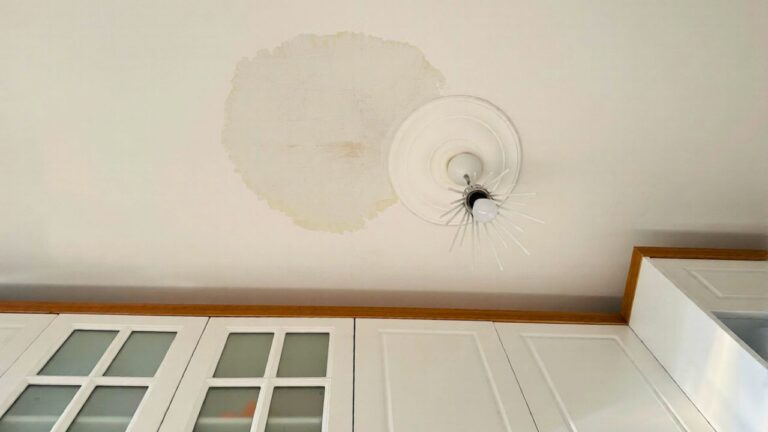
That is why restoration teams treat a burned house less like a cosmetic project and more like a forensic scene. They look for Structural indicators such as sagging ceilings, cracked masonry, or yellow and brownish stains that signal moisture and smoke migration. They also track how far soot and heat traveled through the building, because those invisible pathways often line up with the very places a second fire is most likely to start.
Why “hidden” fire damage is so hard to spot on your own
From the street, a house that survived a blaze can look almost untouched, especially if the fire was contained to one room. Inside the walls, the story is different. Specialists who focus on Damage warn that few structures can withstand intense heat for long without some level of hidden compromise. Timber studs, concrete, and even steel can lose strength after prolonged exposure, and that weakness may only show up as a hairline crack or a door that no longer closes smoothly.
Part of the challenge is that modern homes are packed with plastics, foams, and synthetic fabrics that behave unpredictably under heat. Fire educators note that in todays day and age, almost everything inside modern homes is made of synthetic material rather than natural fibers, which means contents can smolder, off-gas, and continue to heat nearby framing long after open flames are gone, as explained in guidance that begins, In todays day. That slow, hidden heating can dry out wood, damage wiring insulation, and set the stage for a future ignition that looks, to an untrained eye, like it came out of nowhere.
Structural weakening: when solid walls are not really solid
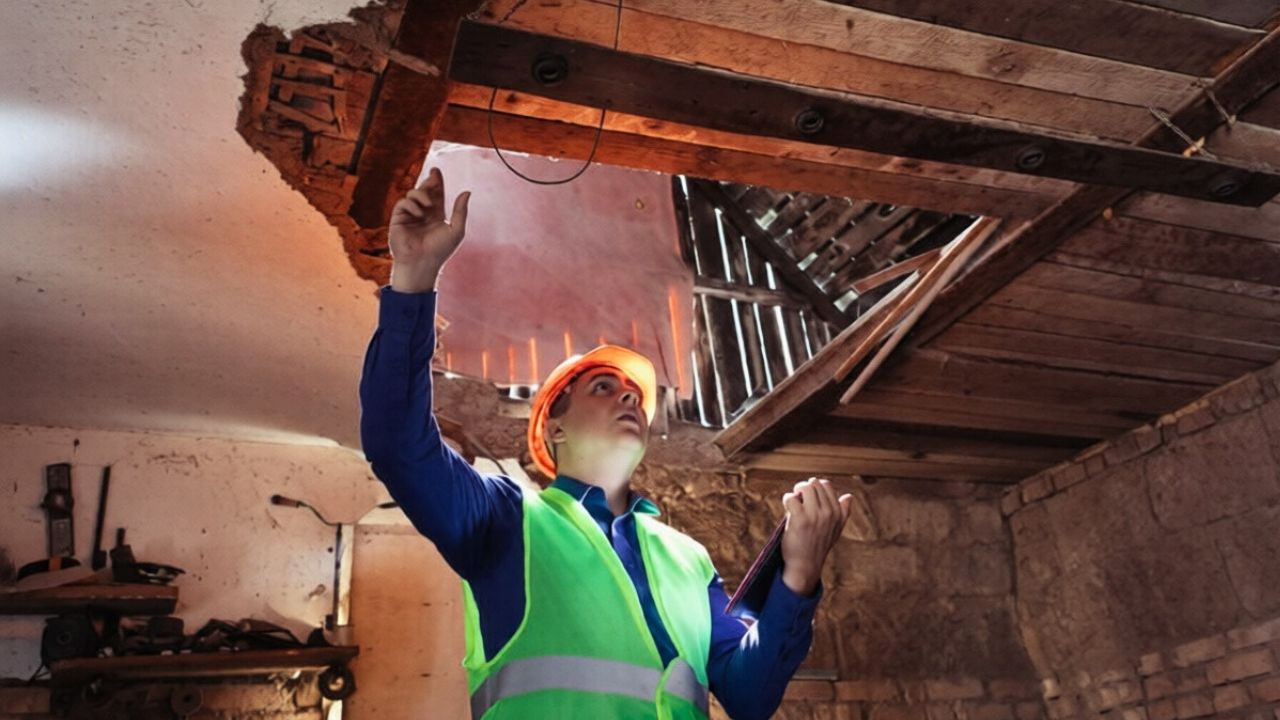
Inspectors who walk a fire scene pay close attention to how the building itself handled the heat. Research on engineered wood shows that When timber is exposed to fire it begins to pyrolyse and turn to char, which is typically assumed to have negligible strength or stiffness. That means a beam can look intact from the outside yet have a reduced load‑bearing core, especially where flames licked along its surface or where hot gases pooled near the ceiling.
Restoration experts flag this as one of the most serious hidden threats, noting that Hidden structural damage can leave floors, roofs, and staircases compromised even if they did not collapse during the incident. Home inspectors who evaluate properties with a history of fire stress that the first concern is the structural integrity of the home and that Even steel elements can warp or bend under high temperatures. For you, that means any post‑fire repair plan has to start with a structural assessment, not just new drywall and paint.
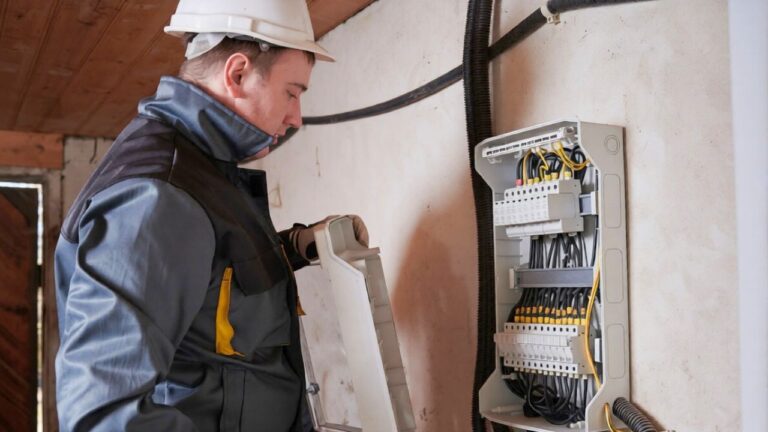
Electrical systems: the quiet trigger for the next blaze
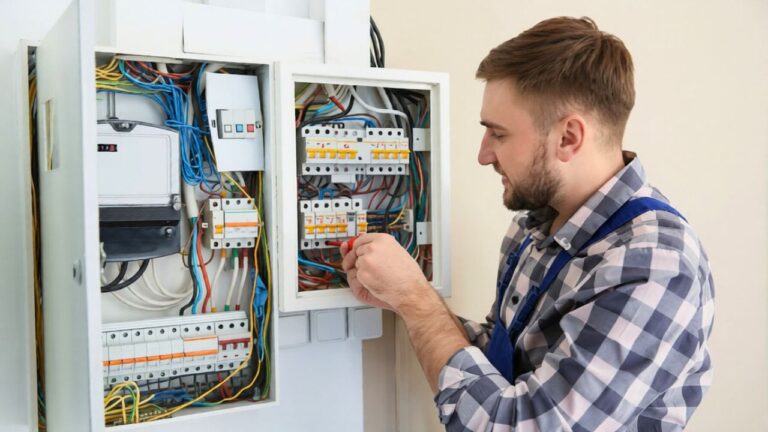
Ask fire inspectors what keeps them up at night after a house fire and they will often point to the wiring you never see. Fire investigations repeatedly trace new incidents back to damaged conductors, overloaded circuits, or makeshift repairs. Safety guidance on Electrical Fire Risks in the Home urges you to Look for flickering lights, frequently tripped fuses, a burning smell, or discoloured outlets, all of which can be signs that heat and smoke have damaged insulation or loosened connections.
Lists of hazards compiled from inspector reports highlight how easily everyday habits can turn that hidden damage into ignition. Guidance on 10 hidden electrical hazards points to daisy‑chained power strips, extension cords used as permanent wiring, and appliances plugged into outlets that were already stressed before a fire. Broader building assessments echo that concern, noting that Electrical fire risk is one of the most common issues picked up during a formal review, which looks at the Condition and placement of installations and whether Overloaded sockets or dangerous wiring are present. After any blaze, you should assume that every affected circuit needs a qualified inspection before you flip a breaker back on.
Smoke, soot and the chemistry of lingering risk
Even when the flames are gone, the chemistry of a burned home keeps working against you. Restoration specialists emphasize that Even when the flames are gone, Smoke and soot keep causing damage because smoke particles are microscopic and travel easily, embedding in porous materials and corroding metals. Detailed claims guidance describes Smoke and Soot Contamination as a problem where Microscopic particles penetrate deep into building materials, furniture, and HVAC systems, leaving toxic residues that require specialized, expensive cleaning.
Those residues are not just dirty, they are hazardous. Fire restoration firms warn that Restoring Fire Damaged Properties involves dealing with Materials such as plastic, electronic appliances, and wood that release toxic odors and volatile emissions, and that re‑entering buildings without proper precaution may prove fatal. Consumer‑facing guides on post‑fire hazards underline that Mold does not just damage surfaces but can create serious long‑term health risks when it grows in damp, smoke‑affected cavities. For you, that means any lingering smell of smoke is not just an annoyance, it is a signal that corrosive and potentially toxic particles are still in play.
Water, gas and plumbing: the secondary hazards nobody expects
Ironically, the very water that saves your home can set up the next round of problems. Fire restoration experts caution that Water used to extinguish the fire can lead to another layer of damage that is not always visible at first glance, saturating subfloors, wall cavities, and insulation. Over time, that trapped moisture feeds mold, rusts fasteners, and can even degrade electrical components that were never directly exposed to flames.
Gas and plumbing systems carry their own quiet risks after a blaze. Safety guidance on hidden fire damage notes that 2 Damage to gas pipes and systems can occur when Plastic and metal pipework is damaged by heat without being directly affected by flames and that Met al fittings and seals can be rendered ineffective, resulting in possible leaks. Researchers studying post‑fire contamination warn that a building’s plumbing can become contaminated by smoke getting sucked into water systems or by heat damaging plastic pipes, with chemicals then leaching out slowly over time, as detailed in analysis that explains how A building’s plumbing can be affected. For you, that means gas lines, water pipes, and even your drinking water may need testing and, in some cases, replacement before the house is truly safe again.
Attics, dryer vents and the places you never look
When inspectors talk about the fire risk most homeowners miss, they often point straight up. Attics, crawl spaces, and concealed chases are where heat, smoke, and embers love to travel, and where do‑it‑yourself fixes tend to accumulate. Reporting on the home fire risk hiding in a place most people never look notes that Home fires rarely start with the dangers you can see and that Even if your wiring is up to code, damaged insulation or hidden junctions can still be a fire hazard. That is exactly the kind of problem that only shows up when someone is willing to climb into the attic with a flashlight and a checklist.
Dryer vents are a prime example. Inspection firms report that Our certified house inspectors regularly encounter dryer vent problems during home inspections, including Improper Materials such as Flexible plastic ducting that runs through hot attics and traps lint. That lint is essentially kindling pushed through a warm metal tube, and when combined with a dryer that runs hot after a fire or a partially melted vent cap, it becomes a ready ignition source. If your home has ever had a fire, or even just years of heavy dryer use, treating the vent system as a critical fire‑safety component rather than an afterthought is one of the simplest, highest‑impact steps you can take.
Electronics, appliances and the hidden toll of heat and smoke
Electronics that survive a fire often look fine once you wipe off the soot, but inspectors and restoration firms treat them with deep suspicion. According to the According to the National Fire Protection Association (NFPA), each year, U.S. fire departments respond to over 350,000 home structure fires that result in billions of dollars in property damage, and a portion of those incidents involve electrical equipment that failed under stress. When smoke and water infiltrate televisions, computers, and kitchen appliances, they leave behind conductive residues and corrosion that can cause short circuits weeks or months later.
Guides on post‑fire hazards stress that using electronics after smoke or water exposure can be far more dangerous than it appears. Restoration professionals explain that NFPA data on home fires underscores how small ignition sources inside devices can escalate quickly once they arc or overheat. At the same time, broader hazard lists remind you that Let us dig into the hidden dangers you should know about, including Lingering Smoke and Soot Particles that settle inside circuit boards. The safest approach is to have any smoke‑exposed electronics evaluated or replaced rather than trusting a quick power‑on test.
Why inspectors keep pushing full fire‑safety assessments
For professionals, the pattern is clear: the homes that fare best after a fire are the ones that get a thorough, methodical inspection instead of a patchwork of quick fixes. Fire specialists emphasize that Fire inspections help spot invisible risks and that Many fire hazards remain hidden until professionals know where to look, particularly around Electrical issues, aging alarms, and compromised exits. In practice, that means tracing every affected system, from attic wiring to basement gas lines, instead of assuming the damage stopped where the flames did.
Formal building reviews take a similar approach. Guidance on how An FRA works explains that an assessment will look at the Condition and placement of electrical installations, identify Overloaded sockets or dangerous wiring, and check whether PAT testing and other maintenance is up to date. Consumer‑oriented safety advice reinforces the same message, urging you to Look for warning signs like melted plastic or loose connections and to treat them as triggers for professional help, not as quirks you can ignore.
What you can do now, before or after a fire
The most useful lesson from inspectors is that you do not have to wait for a disaster to start addressing hidden risks. Practical homeowner guides on How to Spot Hidden Fire Damage in Your Home encourage you to walk your property with a critical eye, looking for warped surfaces, discoloured paint, or stains that hint at past smoke or water intrusion. Broader safety checklists on Top 7 hidden dangers of fire damage remind you that Damage to electrics and wiring, gas systems, and structural elements can all lurk behind apparently sound finishes.
Like Fix It Homestead’s content? Be sure to follow us.
Here’s more from us:
- I made Joanna Gaines’s Friendsgiving casserole and here is what I would keep
- Pump Shotguns That Jam the Moment You Actually Need Them
- The First 5 Things Guests Notice About Your Living Room at Christmas
- What Caliber Works Best for Groundhogs, Armadillos, and Other Digging Pests?
- Rifles worth keeping by the back door on any rural property
*This article was developed with AI-powered tools and has been carefully reviewed by our editors.