The hidden home problems inspectors say rarely get disclosed
Homebuyers often assume a clean inspection report means a home is problem free, yet inspectors and attorneys say some of the most expensive issues are the ones that never make it onto paper. The trouble is not just what an inspector might miss, but what sellers quietly leave off disclosure forms and what the standard inspection simply is not designed to catch.
I have found that the most revealing stories come from the gap between what buyers think they are getting and what the system is actually built to provide. To understand those blind spots, it helps to look closely at the kinds of defects professionals flag as “material,” how disclosure laws really work, and why even a diligent inspector can walk past a problem that later costs five figures to fix.
Material defects that rarely show up on the first walk‑through
When inspectors talk about “hidden” problems, they are usually talking about material defects, the kinds of flaws that affect a home’s value, safety, or livability in a serious way. Structural issues like foundation cracks, sagging floors, or compromised framing fall squarely into this category, yet they can be hard to spot during a quick showing or even a rushed inspection. In detailed guidance for buyers, one resource on hidden issues explains that structural problems, along with major roof damage and failing systems, are the classic examples of material defects that can be costly to repair, a point underscored in a breakdown of Hidden Home Defects Exposed.
What makes these problems so insidious is that they often lurk behind finished surfaces or only reveal themselves under stress, such as heavy rain or seasonal soil movement. A hairline crack in a basement wall might look cosmetic during a dry spell, only to turn into a water intrusion nightmare months later. Similarly, a roof that appears intact from the ground can hide soft decking or failing flashing that only becomes obvious after a storm. Inspectors can flag suspicious signs, but unless they see clear evidence of failure, they may not label the issue as a defect, leaving buyers to discover the full extent of the damage after closing.
What standard inspections miss by design
Even the most conscientious inspector is working within limits that many buyers do not fully appreciate. A standard home inspection is visual and noninvasive, which means no opening walls, moving heavy furniture, or cutting into finishes to chase a hunch. One consumer guide on inspection gaps notes that problems like roof leaks, drainage failures, or intermittent electrical issues may not reveal themselves during a single site visit, especially if the weather is calm and the systems are not under load, a reality highlighted in a warning to Buyer Be Warned about what inspections do not always catch.
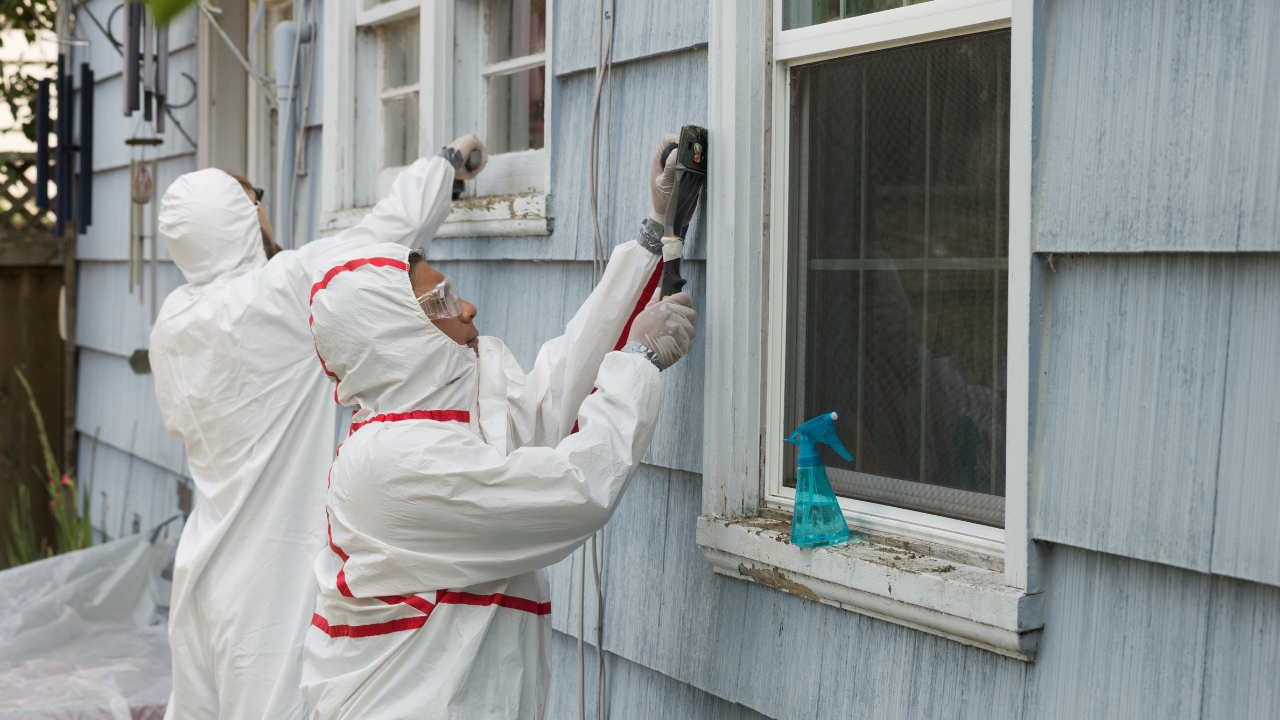
There are also entire categories of risk that fall outside the typical checklist. Environmental hazards such as asbestos, lead paint, and radon gas are not always included in a basic inspection, even though they can pose serious health concerns. One inspection firm points out that “Environmental Hazards You Can’t See,” including Asbestos, often require specialized testing and separate contracts. Another consumer explainer stresses that, while inspectors look at major systems and visible safety issues, there is wide variation in what is covered, and many standard agreements explicitly exclude testing for hidden contaminants, a limitation spelled out in guidance that begins with the word While.
Seller disclosure laws and the gray area of “known” defects
Buyers often assume that disclosure forms are a safety net, but the legal duty in most states is narrower than it appears. Sellers are typically required to disclose only what they actually know, not what they should have known with better maintenance or investigation. A detailed legal overview of plumbing disclosures notes that most states require sellers to reveal known material problems, such as chronic leaks or sewer backups, yet the obligation usually hinges on whether the seller actually knew about the problem, a nuance spelled out in a discussion of whether seller disclosure cover plumbing problems.
The gray area becomes even more pronounced in competitive markets, where some owners may be tempted to downplay issues that are intermittent or easy to conceal. A California focused analysis of “Common Undisclosed Issues” in residential deals lists recurring water intrusion, mold, and prior structural repairs among the problems that often go unmentioned, even though they can significantly affect value and safety. That same resource explains that, depending on the severity of the omission, buyers may later claim that the seller breached a duty to disclose known defects in California Real Estate, but only if they can prove the seller’s knowledge. In practice, that proof is often hard to assemble, which is why so many serious problems never surface until long after closing.
When inspectors miss big problems and what recourse buyers really have
Even when a defect should have been visible, buyers face an uphill battle if an inspector fails to flag it. Inspection contracts often include liability limits and disclaimers that make lawsuits difficult, but they are not absolute shields. One legal advisory aimed at frustrated homeowners notes that, if an inspector overlooked a problem that a reasonably careful professional should have caught, the inspector may be liable for the cost of repairs or related damages. The same guidance stresses that buyers who suspect negligence should gather documentation and consult counsel, a point captured in an “Ask an Attorney” explainer that opens with the word Fortunately.
Real world accounts show how messy these disputes can become. In one widely shared Comments Section discussion, a buyer described discovering a major issue that neither the seller nor the inspector had disclosed, only to be told that they would need to prove the seller knew about the defect and that the inspector’s work fell below professional standards. That kind of burden of proof is typical: buyers must show not just that a problem exists, but that it was present and reasonably discoverable at the time of inspection. As a result, many homeowners end up absorbing at least part of the repair costs themselves, even when they feel the system failed them.
The surge in hidden defects in a hyper‑competitive market
Recent years of intense bidding wars have only amplified the risk of undisclosed problems. With multiple buyers vying for the same property, many waived inspections entirely or agreed to shortened contingency periods, leaving little time for thorough due diligence. A legal analysis of post‑closing surprises notes that the last few years have seen “unbelievable residential home sales” with a large number of buyer bidders for each listing, and that this environment has produced a long list of hidden defects discovered only after move‑in, a pattern described in a review of discovery of hidden defects in newly purchased homes.
Inspectors and agents say that, in this climate, some buyers have treated inspections as a formality rather than a negotiating tool, which can blunt their impact. When a buyer signals that they will not ask for repairs no matter what the report shows, sellers have less incentive to be forthcoming about marginal systems or past damage. At the same time, the sheer volume of transactions has stretched some inspectors thin, increasing the risk of rushed walk‑throughs and overlooked warning signs. The result is a growing cohort of new homeowners who only learn about chronic leaks, failing foundations, or unsafe wiring after they have already committed their savings to the property.
Why some of the worst problems are literally invisible
Some of the most serious hazards in a home are the ones no one can see without specialized tools. Environmental risks like asbestos in old insulation, lead in aging paint, or radon seeping through a slab do not announce themselves with obvious visual clues. One inspection guide on “Environmental Hazards You Can’t See” emphasizes that these threats often require separate testing and that standard inspections may only note the potential for risk, not confirm its presence. That same resource singles out Environmental Hazards You Can as a category of red flags that buyers should not ignore, even if they are not fully evaluated in the initial report.
Experienced agents and inspectors often urge buyers to think carefully about what they consider a deal breaker versus a manageable project. In a video walkthrough of common pitfalls, one expert recorded in Sep urges viewers to distinguish between cosmetic flaws and deeper issues that could affect health or structural integrity. That advice is especially relevant for older homes, where layers of renovation can hide outdated materials or amateur repairs. Without targeted testing for radon, asbestos, or lead, buyers may move in unaware of long‑term exposure risks that will be expensive to remediate later.
The secrecy problem: why inspection reports rarely follow the house
One structural issue in the way the market handles risk is that inspection reports usually stay private, even when they reveal serious defects. When a deal falls through, the report typically belongs to the buyer who ordered it, and there is no automatic requirement that future buyers see it. In a widely discussed thread on why are home inspection results not public, one commenter using the handle Intrepid00 argued that sellers should release prior reports and noted that Florida’s Supreme Court has agreed under certain circumstances that sellers must disclose known inspection findings. Yet in practice, unless a state’s courts or statutes impose that duty, many damaging reports never resurface once a contract is canceled.
This secrecy creates a kind of informational amnesia around problematic properties. A house might cycle through multiple buyers, each commissioning their own inspection, with only the current parties aware of what was found. If a seller chooses to fix only the most obvious items and keep quiet about the rest, later buyers may have no idea that prior inspectors flagged chronic moisture, structural movement, or unsafe wiring. That dynamic helps explain why attorneys who handle real estate disputes see the same patterns repeat: undisclosed water damage, prior foundation work, and long‑standing plumbing problems that were known to at least one party in an earlier transaction but never fully documented for the next.
How buyers can push for transparency before it is too late
Given these blind spots, buyers have to be more proactive if they want to avoid inheriting someone else’s expensive problem. One practical step is to ask for any prior inspection reports or contractor estimates, even if the seller is not legally required to provide them. While some owners will decline, others may share documents that reveal past concerns, giving buyers a chance to order targeted follow‑up inspections. In markets like California, where “Common Undisclosed Issues” such as water intrusion and structural repairs frequently lead to litigation, attorneys advise buyers to document every disclosure and question carefully, since that paper trail can be crucial if a dispute later arises over a seller’s duty to disclose known defects.
It is also worth calibrating expectations about what an inspection can and cannot do. Buyers who understand that a standard report is a snapshot, not a guarantee, are more likely to invest in specialized evaluations where the risk profile justifies it, such as sewer scoping for older clay lines or radon testing in high‑risk regions. Legal and consumer advocates repeatedly stress that the cost of extra due diligence is often trivial compared with the price of repairing a failed foundation or remediating hidden mold. As one advisory framed it in a piece titled “What Every Buyer Needs to Know,” the goal is not to eliminate all risk, but to surface enough information that buyers can decide, with eyes open, whether the home’s hidden flaws are acceptable at the agreed price, a theme echoed in guidance that begins with the words What Every Buyer Needs to know.