The hidden reason older homes fail energy inspections
When an older house fails an energy inspection, the report usually blames drafty windows or a tired furnace. The real culprit is more often a web of hidden flaws inside walls, attics, and electrical panels that quietly waste power and strain safety systems. If you own a pre‑1990 home, understanding those concealed weak points is the difference between a quick cosmetic fix and a strategic upgrade that actually lowers your bills.
The charm that drew you to an older property can mask gaps, outdated wiring, and missing insulation that inspectors now flag as serious performance problems. By looking past the obvious and focusing on how your home moves air, controls moisture, and delivers electricity, you can address the underlying issues that keep it from passing modern efficiency standards.
The quiet energy leaks inspectors really care about
Energy inspections are not just about whether your windows close or your furnace turns on. Inspectors are trained to look for the pathways where conditioned air slips out of your house and outside air sneaks in, because those leaks force your heating and cooling systems to run longer for the same comfort. In many older properties, especially in regions like the Treasure Valley, the biggest problems are not visible from the street but buried in attics, crawlspaces, and wall cavities where you rarely look.
Homes that were built before tight energy codes often have Drafty windows, thin or missing insulation, and unsealed penetrations that let air move freely between the living space and the outdoors. Those hidden channels are why an older house in the Treasure Valley or any other climate can feel chilly in winter and stuffy in summer even when the thermostat is set correctly. When an inspector walks through, they are effectively mapping those invisible leaks, and if you have not addressed them, your home is likely to fall short of modern efficiency expectations.
Why age and original construction matter more than you think
The era when your home was built largely determines how much hidden work it needs to meet current standards. Many mid‑century builders focused on structure and aesthetics, not on air sealing or thermal performance, so walls and attics were framed without the continuous insulation and tight envelopes that are common today. In some cases, the framing lumber in older homes is oversized and sturdy, but the cavities around it are empty or poorly sealed, which undermines energy performance even when the structure itself is sound.
Inspectors who specialize in historic or long‑lived properties note that Insulation and ventilation are frequently lacking in homes built before mid‑century, and they expect to find attics with little to no insulation and limited airflow. That combination traps heat in summer, lets warmth escape in winter, and can even contribute to moisture problems that shorten the life of your roof. When an energy inspection evaluates your property, those original construction choices matter more than cosmetic updates, because they dictate how easily your home can hold a stable temperature without wasting energy.
Outdated wiring: the hidden drag on efficiency and safety
Electrical systems in older homes are often treated as a pure safety issue, but they also have a direct impact on energy performance. Circuits that were never designed for today’s loads can overheat, trip frequently, or force you to rely on power strips and extension cords that are both inefficient and risky. Inspectors know that Outdated Electrical Systems are common in properties where Many circuits were installed back when Back then, people owned far fewer appliances, and that gap shows up in modern inspections.
In Mar, one detailed review of older properties highlighted how Outdated Wiring systems, including knob and tube or aluminum conductors, often do not meet current safety codes and can overheat under modern demand. Another inspection guide on Common Electrical Issues notes that Outdated Wiring in Older houses can cause both fire hazards and inefficiencies. When your electrical system is undersized or deteriorated, it cannot support efficient HVAC equipment or modern appliances, which is why inspectors treat it as a core reason for failure.
Panels, outlets, and the inspection red flags you do not see
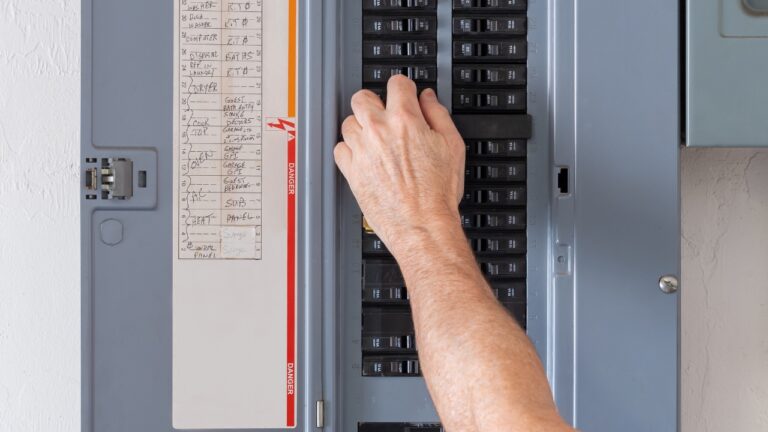
Even if your lights turn on and your breakers rarely trip, the layout and capacity of your electrical panel can still cause an inspection to fail. Energy and insurance reviews often look for Outdated panels, including Fuse boxes or Old breaker panels that cannot safely handle today’s electrical loads. If your system relies on double‑tapped breakers, missing covers, or a tangle of DIY wiring, an inspector will see that as both a safety risk and a sign that your home is not ready for efficient electrification.
Guidance from a Home Inspector Explains in Older Homes points out that Why too few outlets and overloaded circuits are flagged is simple: they encourage unsafe workarounds that increase fire risk and waste energy. Another breakdown of Outdated El systems in four‑point inspections notes that old electrical setups almost always result in failure, because insurers and inspectors see them as incompatible with efficient, modern living. If your panel and outlets are not up to current expectations, your home will struggle to pass both safety and energy reviews.
Insulation: the missing layer that sinks energy scores
Insulation is one of the least glamorous parts of a house, yet it is central to whether your home passes an energy inspection. When walls, attics, or floors lack a continuous thermal barrier, your heating and cooling systems must work harder to maintain a comfortable temperature, which shows up as higher bills and poor inspection scores. Many older properties were built with minimal insulation, and some have had it disturbed or removed over decades of renovations without being properly replaced.
Property experts warn that Defective or non‑existent insulation is a common pitfall for buyers, because it is hard to see during a casual walk‑through but easy for an inspector to detect. Energy specialists who focus on older houses explain that Air can be seeping into the structure from gaps and cracks and through uninsulated space, creating drafts, uneven temperatures, and higher energy bills. When your attic or walls are under‑insulated, an energy inspection will almost always call it out as a primary reason your home is underperforming.
Air sealing and can lights: small gaps, big penalties
Even if you add insulation, your home can still fail an energy inspection if air sealing is neglected. Tiny cracks around recessed lighting, attic hatches, plumbing penetrations, and top plates can collectively add up to a wide‑open window in terms of air leakage. When warm or cool air escapes through those gaps, your HVAC system cycles more often, and inspectors see that as a sign that your building envelope is not doing its job.
Specialists in building performance note that High Energy Bills your attic is not sealed are a clear indicator that conditioned air is escaping and outside air is entering, forcing your units to work harder to keep up. Another detailed guide to recessed fixtures explains that Older fixtures, especially those installed before 2004, were built with little to no regard to energy efficiency and have plenty of holes and seams that allow warm air from the living space to escape into the attic. When an inspector sees a ceiling full of unsealed can lights, they know your home is leaking energy in ways that simple thermostat adjustments cannot fix.
Uneven temperatures and what they reveal about your home
If some rooms in your house are always too hot while others stay chilly, that comfort problem is also an energy problem. Uneven temperatures usually signal that your building envelope and ductwork are not working together, which means your HVAC system is wasting energy trying to compensate. Inspectors pay attention to these patterns because they point to deeper issues with insulation, air sealing, or equipment sizing that will keep your home from meeting efficiency targets.
HVAC professionals often Examine Poor Insulation as a Key Contributor Poor temperature differences between rooms, since gaps in the thermal barrier allow outside temperatures to influence indoor comfort. Energy auditors also look at whether your ducts are properly sealed and balanced, but they know that no amount of equipment tuning can overcome a house that leaks air and lacks insulation. When your inspection notes hot and cold spots, it is effectively documenting how your home’s hidden layers are undermining both comfort and efficiency.
Safety hazards that double as energy liabilities
Many of the safety issues that inspectors flag in older homes also have an energy dimension. Problems like deteriorated wiring, damaged roofs, and moisture intrusion do not just threaten your family’s health, they also make your home harder and more expensive to heat and cool. When you address those hazards, you are not only reducing risk, you are also removing obstacles to better energy performance.
Inspection checklists for Potential Safety Hazards in Older homes highlight issues like failing roofs, poor ventilation, and outdated electrical systems, all of which can undermine comfort and raise utility costs. A broader list of Key Takeaways on inspection failures notes that Foundation cracks, Roof damage, and structural shifts are top reasons homes fail, and each of those can create drafts, leaks, and thermal bridges that sap energy efficiency. Another overview of Here are some of the most common safety concerns in older homes, including Outdated Wiring, underlines how these risks can lead to serious lung diseases and other health issues, which often go hand in hand with poor ventilation and energy waste.
How to read your inspection report and plan smart upgrades
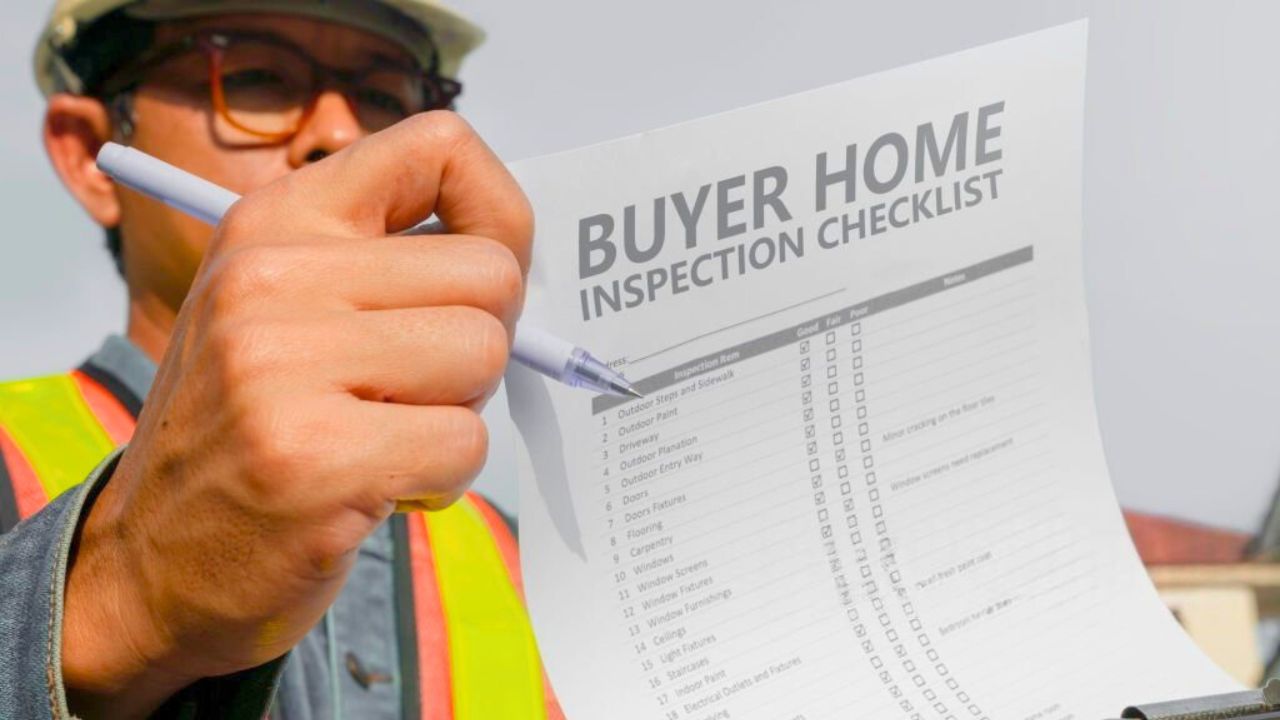
When you receive an energy or home inspection report, it can feel like a dense list of problems rather than a roadmap. The key is to separate cosmetic notes from the structural and systems issues that affect both safety and efficiency. Items related to insulation, air sealing, electrical capacity, and roof or foundation integrity should move to the top of your list, because they influence everything from comfort to insurance eligibility.
Electrical specialists emphasize that Understanding the most common reasons for electrical inspection failure, such as outdated wiring and overloaded panels, helps you act before the inspector arrives and reduces safety risks. Energy advisors recommend starting with a whole‑house assessment that looks at insulation, windows, HVAC systems, and appliances, since older homes often have inefficient systems and windows that contribute to unnecessary energy loss. By prioritizing upgrades that tackle those core issues, you can turn a failing inspection into a plan for a more comfortable, efficient, and resilient home.
Like Fix It Homestead’s content? Be sure to follow us.
Here’s more from us:
- I made Joanna Gaines’s Friendsgiving casserole and here is what I would keep
- Pump Shotguns That Jam the Moment You Actually Need Them
- The First 5 Things Guests Notice About Your Living Room at Christmas
- What Caliber Works Best for Groundhogs, Armadillos, and Other Digging Pests?
- Rifles worth keeping by the back door on any rural property
*This article was developed with AI-powered tools and has been carefully reviewed by our editors.