The home listing trend that’s changing what buyers refuse to overlook
Buyers used to forgive a lot if the price felt right. Today, they are far less willing to overlook homes that feel dated, inefficient, or disconnected from their digital lives, no matter how glossy the photos look. The new non‑negotiable is whether a listing proves it can keep up with the way you actually live, from smart controls to lower utility bills and healthier spaces.
That shift is quietly rewriting what counts as a “good” listing and what you, as a buyer or seller, can reasonably expect to trade off. Instead of tolerating flaws and planning to fix them later, you are increasingly weighing long‑term comfort, technology, and sustainability right alongside price and location.
The quiet listing detail buyers now scrutinize first
When you scroll through listings, you probably notice something before you even register the room sizes or the paint colors: whether the home looks like it belongs in the current decade. That instinct is not just about style. It reflects a deeper calculation about how much work and money you will need to invest to make the property function the way you expect. Features that once felt like nice extras, such as integrated smart systems or energy‑saving upgrades, now signal whether a home is truly move‑in ready or just cosmetically refreshed.
Across the market, you can see this in the way buyers react to homes that lack modern infrastructure. Properties without connected thermostats, smart locks, or basic automation increasingly feel incomplete next to homes that advertise full smart‑home packages, especially when those systems are tied to lower running costs and better security. As a result, the detail that is quietly reshaping your short list is not a single gadget or finish, but whether the listing shows a coherent, up‑to‑date backbone of technology and efficiency that will support your daily routines from day one.
From novelty to expectation: how smart homes went mainstream
Smart features used to be the domain of early adopters wiring up custom systems, but you now live in a world where connected devices are built into everything from doorbells to refrigerators. That shift has pushed smart homes from futuristic concept to everyday expectation. Guides such as The Rise of Smart Homes describe how buyers increasingly look for integrated lighting, climate control, and security that can be managed from a phone, rather than a patchwork of standalone gadgets.
For you as a buyer, this means a listing that touts “updated” status but omits any mention of smart infrastructure can feel out of step with the market. Real estate professionals now frame smart systems as a way for homes to stand out from competing listings, noting that Technology has transformed expectations around convenience and control. When you can lock your car, adjust your office thermostat, and monitor deliveries from your phone, it is hardly surprising that you expect the same baseline from the place you sleep.
Why smart tech is now a value driver, not a gadget
Once you move past the novelty factor, smart‑home technology starts to look like a financial tool. Systems that automate heating, cooling, and lighting can trim monthly bills, while connected security and leak detection can reduce risk. Analysis of Smart Home Technology Is Raising Property Values points out that integrated devices, from smart thermostats to energy‑monitoring plugs, are associated with significant energy savings, which in turn support higher valuations in many markets.
That is why you increasingly see smart features highlighted alongside square footage and school districts in listing descriptions. When a seller can show that a home’s connected systems cut utility costs or support remote monitoring, they are not just selling convenience, they are offering you a more predictable cost of ownership. Industry guidance for agents notes that Smart homes are becoming a distinct category that commands attention, which is why you now see more detailed breakdowns of installed devices, compatible platforms, and automation routines in serious listings.
Energy efficiency and green features move to the must‑have column
Alongside smart tech, you are also weighing how a home performs environmentally. Rising utility costs and climate concerns have pushed energy efficiency from a bonus to a baseline requirement for many buyers. Research on the Leading energy‑efficient improvements highlights upgrades such as better insulation, high‑performance windows, and efficient HVAC systems as key drivers of value, especially as governments and industries work toward net‑zero emissions by 2050.
Consumer sentiment is moving in the same direction. Under the banner of Home Buyers Want Sustainability, Businesswire reported that 85% of people worldwide say they have shifted their purchasing behavior toward sustainability, a figure that directly influences how you judge a home’s long‑term appeal. When you see solar panels, tankless water heaters, or EV‑ready garages in a listing, you are not just seeing green branding, you are seeing evidence that the property is aligned with where regulations, incentives, and energy prices are heading.
What buyers now refuse to overlook inside the home
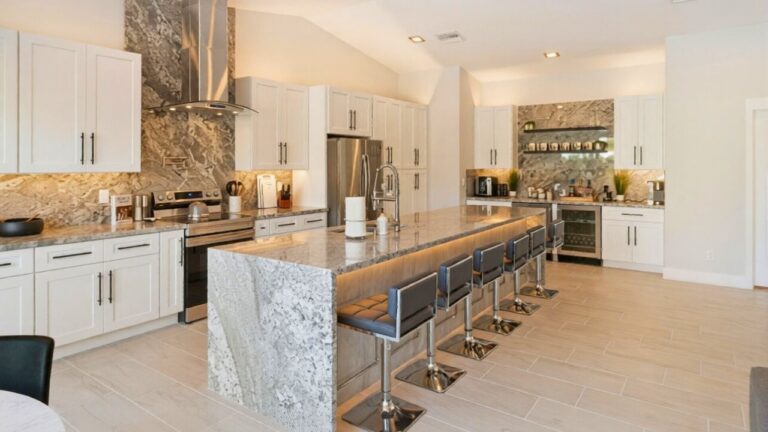
Even as you focus more on invisible systems, the visible parts of a home still matter, and some flaws are harder to forgive than ever. Reporting on Outdated Kitchens and Bathrooms notes that the kitchen remains the most scrutinized room, with full remodels often costing $30,000 or more, while bathrooms face similar scrutiny. When you walk into a showing and see worn cabinets, aging appliances, or tile that has not been touched in decades, you are not just reacting to aesthetics, you are mentally adding a five‑figure renovation to the asking price.
Structural red flags are even more decisive. Evidence of Water Damage and Moistu in basements or around windows, for example, can signal hidden mold or foundation issues that you may not be willing to tackle, regardless of price. In a market where you have more leverage, you are less inclined to accept “project” homes that combine outdated finishes with potential health or safety risks, especially when other listings offer modern systems and clean inspection reports.
How a shifting market is empowering buyer demands
Your willingness to walk away from flawed listings is also a function of market power. After years when buyers routinely waived protections just to win a bid, conditions in many areas have cooled enough that you can be choosier. A detailed look at the The Comeback of Home Inspection Contingencies describes how, during the most competitive period, buyers waived inspections to beat rival offers, only to face unexpected repair bills later.
Now that you are less likely to compete against a dozen offers, you can insist on full inspections and use the findings to renegotiate or walk away. That shift changes what sellers must address before listing. If a home’s systems are outdated, its insulation is poor, or its smart features are nonexistent, you know you can either demand a price adjustment or move on to a property that already meets your standards. The balance between price and risk has tilted back toward you, and your refusal to overlook serious shortcomings is reshaping how homes are prepared for market.
The new checklist: smart, green, and future‑proof
As your expectations evolve, so does the informal checklist you carry into every showing. Instead of focusing solely on bedroom counts and commute times, you are scanning for a blend of smart infrastructure, efficiency, and flexibility. Bank and lender commentary on Changing Priorities in Home Features notes that we have outlived the trial period for Smart Home Technology, and that integration of smart devices is now a standard expectation rather than a novelty.
At the same time, you are weighing eco‑credentials more carefully. Guides on Eco, Friendly Features That Homebuyers Want emphasize that Homebuyers are thinking greener than ever before, and that Studies show sustainable features are transforming the real estate market. When you see high‑efficiency heat pumps, low‑flow fixtures, or sustainably sourced flooring, you are not just checking a box, you are assessing whether the home will remain attractive and cost‑effective a decade from now, when regulations and buyer preferences may be even stricter.
Data, days on market, and the rise of the informed buyer
Your standards are also rising because you have more information at your fingertips. You can track how long a property has been listed, how often the price has been cut, and how it compares to similar homes nearby. Analysis of why Some homes linger on the market notes that, After several weeks on the market, sellers often have to adjust expectations, and buyers pay closer attention to neighborhood trends and Days on Market as a signal of overpricing or hidden issues.
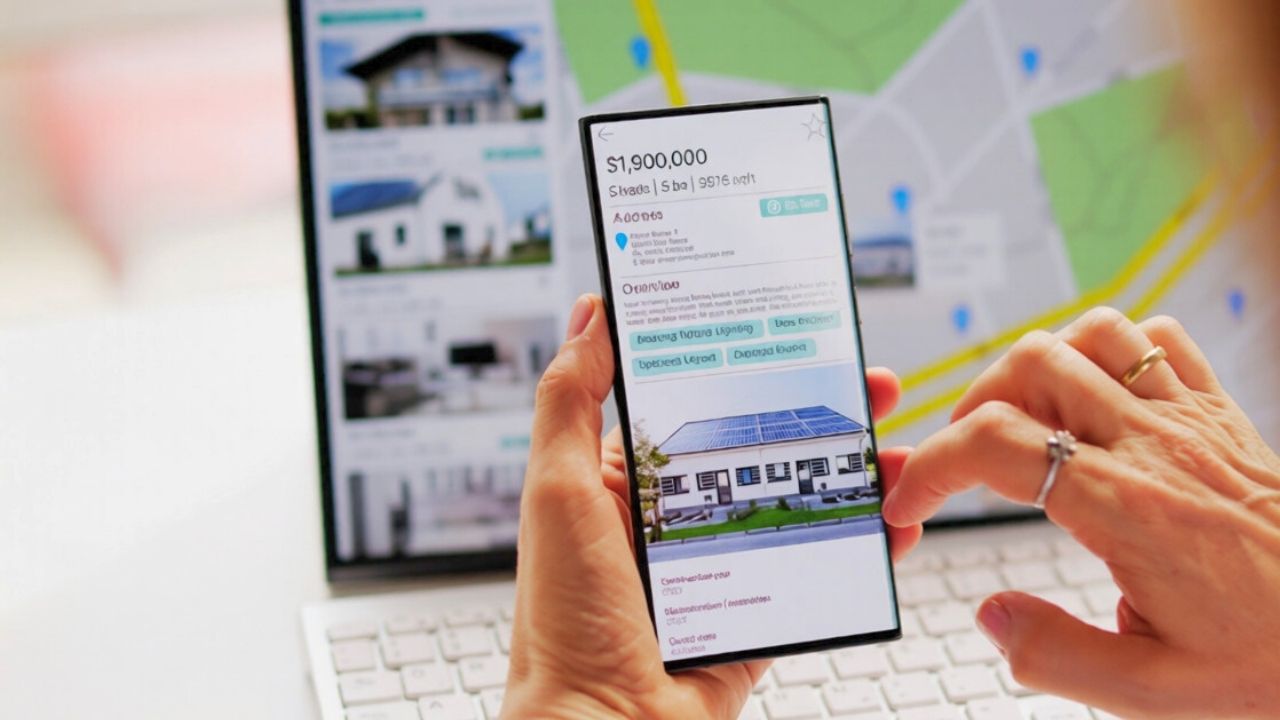
Digital behavior is reinforcing this shift. A breakdown of Here are 8 buyer behaviors shows that Tracking buyer engagement has become central to property marketing, and that online research has become the first stop for Buyers in 2025. You are not just glancing at photos; you are reading inspection summaries, utility estimates, and neighborhood data before you ever schedule a tour. That level of insight makes it easier to spot listings that are out of sync with current expectations and to hold firm when a property fails to deliver on the basics of smart, efficient, and healthy living.
How to use this trend to your advantage as a buyer or seller
If you are buying, the new landscape gives you permission to be explicit about your standards. You can prioritize homes that already align with your expectations for smart controls, energy performance, and updated critical spaces, rather than assuming you will retrofit everything later. By focusing on listings that document their systems and upgrades clearly, you reduce the risk of surprise costs and position yourself to negotiate more confidently when inspection findings do not match the marketing language.
If you are selling, the message is equally clear. You no longer compete only on curb appeal and staging. You compete on whether your home proves it can support the way buyers live now. That may mean investing in a few targeted upgrades, such as a smart thermostat, LED lighting, or improved insulation, and then documenting those changes in a way that resonates with tech‑savvy, sustainability‑minded shoppers. When you understand that buyers are less willing than ever to overlook outdated systems and inefficient layouts, you can shape your listing to meet them where their expectations already are, instead of hoping they will compromise once they fall in love with the photos.
Like Fix It Homestead’s content? Be sure to follow us.
Here’s more from us:
- I made Joanna Gaines’s Friendsgiving casserole and here is what I would keep
- Pump Shotguns That Jam the Moment You Actually Need Them
- The First 5 Things Guests Notice About Your Living Room at Christmas
- What Caliber Works Best for Groundhogs, Armadillos, and Other Digging Pests?
- Rifles worth keeping by the back door on any rural property
*This article was developed with AI-powered tools and has been carefully reviewed by our editors.