The home maintenance habit insurers love to see and most people skip
Insurers quietly reward one unglamorous habit more than almost any other: consistent, preventive home maintenance that stops small problems from turning into claims. Yet surveys show that many homeowners skip basic tasks for years, then expect their policy to step in when avoidable damage finally surfaces. If you want lower risk, fewer surprises at renewal, and a better shot at claim approval, you need to treat maintenance like a non‑negotiable part of owning a home, not an optional weekend project.
The habit that insurers love is not a single chore, but a disciplined routine of inspecting, cleaning, and fixing trouble spots before they fail. That routine often starts in the least glamorous places, like your gutters, roof edges, plumbing lines, and drains, where neglect quietly builds into the kind of water damage and mold that carriers increasingly flag as red alerts. When you show, through your upkeep, that you manage those risks, you are speaking the language insurers understand best: fewer losses and more predictable costs.
The overlooked habit that makes or breaks your coverage
From an insurer’s perspective, the most valuable habit you can build is a regular, documented walk‑through of your home, inside and out, paired with follow‑through on what you find. Instead of waiting for a leak, you look for stains, soft spots, musty smells, and worn materials, then schedule repairs before they escalate. That pattern of early action is what separates a homeowner who files large, preventable claims from one who quietly avoids them for decades.
Carriers increasingly spell this out in policy language that excludes damage caused by wear, neglect, or long‑term seepage, and some explicitly warn that home issues resulting from delayed maintenance can void coverage for the affected loss. When you build a habit of inspecting and fixing problems promptly, you are not just protecting your walls and floors, you are protecting the contract you rely on when something goes wrong. Insurers see that discipline as proof that you are less likely to generate the kind of expensive, avoidable claims that drive premiums up for everyone.
Why gutters are the unsexy hero of your insurance file
If there is one specific task that quietly carries outsized weight with insurers, it is keeping your gutters and downspouts clear. When gutters clog, water spills over roof edges, saturates siding, and pools around your foundation, which can lead to leaks, basement flooding, and structural movement that are costly to fix and often contested in claims. Despite that, a survey highlighted that nearly one out of four homeowners, or 24 percent, say they never care for their gutters at all, even though the same reporting stresses the need to unclog gutters and downspouts on a regular basis.
Insurers know that neglected gutters are often the first domino in a chain of water damage, mold, and foundation issues that can run into tens of thousands of dollars. That is why guidance for homeowners repeatedly singles out the need to unclog gutters and downspouts as a basic duty that can affect whether a water‑related loss is even covered under your home insurance policy. When you clean those channels every season, extend downspouts away from the house, and check that water flows freely, you are not just protecting your siding, you are signaling to your insurer that you take one of their biggest risk categories seriously.
Water, mold, and the red flags carriers now hunt for
Water is one of the most expensive hazards inside a home, and insurers have become far more aggressive about spotting early signs that you are not controlling it. During inspections or claim visits, adjusters look for water stains on ceilings, bubbling paint, warped baseboards, and musty odors that suggest long‑term leaks rather than sudden accidents. When they see those clues, they may classify the problem as gradual damage, which many policies exclude, or they may respond with higher deductibles or stricter terms at renewal.
Recent reporting notes that water stains, musty odors and the mold problem have become interior red flags that can trigger tougher treatment from carriers. For you, that means the habit of scanning bathrooms, under‑sink cabinets, basements, and attics for any sign of moisture is no longer optional. Wiping away a stain without finding the source is not enough; insurers expect you to fix the underlying leak, dry out the area, and, if needed, bring in professionals before mold takes hold.
Seasonal routines that quietly cut your insurance costs
Insurers love predictability, and nothing is more predictable than a homeowner who follows a seasonal maintenance calendar. When you treat spring, summer, fall, and winter as distinct check‑in points for your property, you catch issues that only appear in certain weather, like ice dams, heavy rain intrusion, or heat‑related wear. That rhythm also makes the workload manageable, because you are spreading tasks across the year instead of scrambling after a storm exposes everything at once.
Guidance on Seasonal Home Maintenance emphasizes that a well organized checklist can directly help reduce insurance costs by preventing claims and showing that you manage risk proactively. When you, for example, clean gutters in the fall, test sump pumps before spring rains, service your heating system before winter, and check exterior caulking in summer, you are building a pattern of care that underwriters notice. Some carriers even tailor coverage or discounts around this kind of routine, because it lowers the odds of both catastrophic losses and nuisance claims.
Routine inspections: the habit insurers explicitly reward
Beyond seasonal chores, insurers increasingly call out routine inspections as a core expectation, not a bonus. That includes walking your roofline from the ground with binoculars, checking for missing shingles or flashing gaps, and scanning interior ceilings for any new discoloration. It also means testing smoke and carbon monoxide detectors, confirming that handrails and steps are secure, and making sure exterior grading still slopes away from the house.
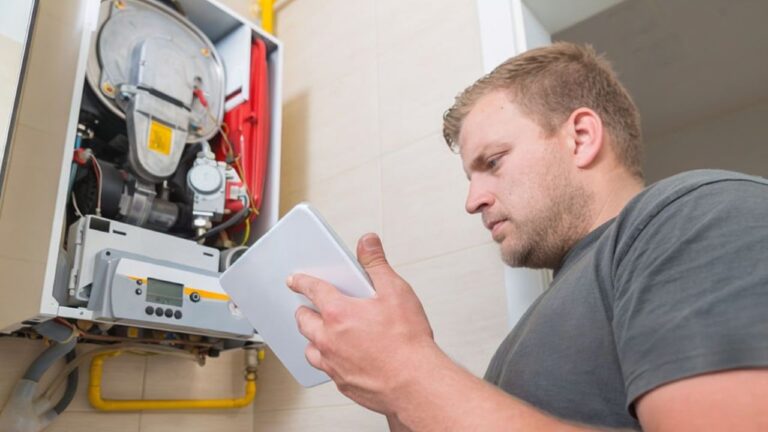
Advice on Home Maintenance Strategies to Secure Your Insurance Coverage stresses that you should prioritize routine maintenance and conduct regular plumbing inspections to spot wear, corrosion, or small leaks before they fail. When you document those checks with photos, dates, and receipts for any repairs, you create a paper trail that can be invaluable if you ever need to prove to an adjuster that you acted with care and foresight, qualities insurers explicitly value when deciding how to handle a borderline claim.
The plumbing and appliance failures you can actually prevent
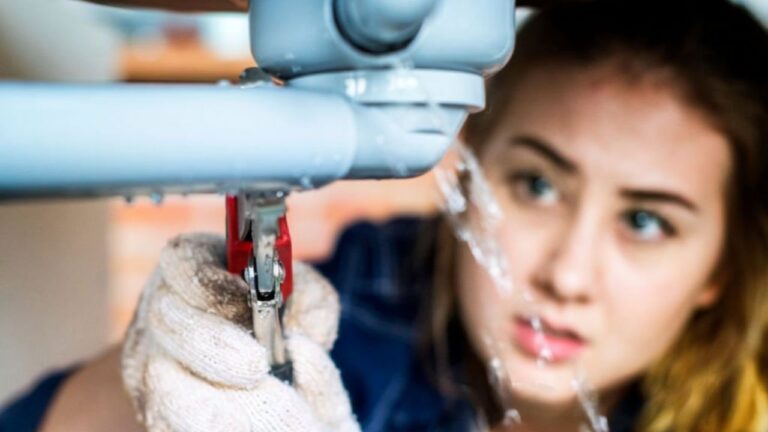
Water damage from plumbing and appliances is one of the most common sources of home insurance claims, yet many of those incidents are preventable with simple habits. You can regularly inspect supply lines to toilets, sinks, and dishwashers, replace rubber hoses before they crack, and install inexpensive leak detectors under major fixtures. You can also schedule periodic checks of your water heater for rust, corrosion, or pooling water that signals it is nearing the end of its life.
Guides on maintenance tips explain that by regularly inspecting your roof and other systems you can prevent the need to file an insurance claim, and they highlight plumbing as a key focus area, noting that by regularly inspecting your roof and related components you reduce the risk of leaks that start in small penetrations and spread. Another breakdown of the top 7 preventable homeowners claims singles out Washing Machine Hose Mishaps, noting that rubber hoses connected to washing machines can become loose or damaged over time, and that basic roof maintenance and safe storage habits can avoid both water and fire losses. When you replace those vulnerable parts on a schedule instead of waiting for failure, you are directly shrinking one of the biggest claim categories on your policy.
Checklists: turning good intentions into a real habit
Most homeowners do not neglect maintenance out of laziness, they do it because the list feels endless and easy to forget. A written or digital checklist turns that vague sense of “I should get to that” into a concrete plan you can follow month by month. It also helps you prioritize high impact tasks, like checking for leaks and cleaning drains, over cosmetic projects that can safely wait.
One home maintenance checklist for insurance savvy homeowners highlights that monthly tasks, such as cleaning drains and inspecting key systems, keep small issues from snowballing into major repairs. A broader annual home maintenance checklist underscores that homeownership is a big responsibility and that getting your home ready for every season by completing simple tasks is part of protecting both your budget and your coverage. When you adopt those lists, adapt them to your property, and actually check items off, you transform maintenance from a vague goal into a repeatable habit that insurers quietly count on.
How property pros manage maintenance (and what you can copy)
Professional property managers treat maintenance as a system, not a series of emergencies, and that mindset is exactly what insurers wish more individual homeowners would adopt. They schedule recurring inspections, track work orders, and set reminders for tasks that need to happen annually or seasonally, from HVAC servicing to exterior caulking. They also keep detailed records of what was done, when, and by whom, which makes it much easier to show that a later problem was sudden rather than the result of long‑term neglect.
A recent preventative maintenance checklist for 2026 aimed at property managers recommends steps like checking weather seals, gutters, and attics for moisture or mold, and scheduling recurring filter changes and inspections. Another guide that outlines ten essential home maintenance services you should schedule annually reinforces the idea that certain tasks, such as professional HVAC tune‑ups, chimney cleaning, and pest inspections, belong on a yearly calendar. When you borrow those professional habits for your own home, you are aligning your behavior with the risk management practices insurers already trust.
Turning maintenance into a long‑term financial strategy
Consistent maintenance is not just about avoiding the next claim, it is about shaping the long‑term economics of owning your home. Every time you replace a failing component before it breaks, you are choosing a planned expense over an emergency one, often at a fraction of the cost. You are also protecting your home’s value, because buyers and appraisers look for signs of steady care, from clean gutters and dry basements to updated mechanical systems.
Guidance on protecting your home’s value notes that Developing a habit of replacing old and outdated appliances before they break down can save you money and improve energy efficiency and utility costs. When you pair that mindset with the insurance focused habits of cleaning gutters, inspecting plumbing, and following seasonal checklists, you are building a single, powerful routine. It protects your coverage, stabilizes your premiums, and steadily increases the value and comfort of the place you live, all through one unflashy but crucial habit: taking maintenance seriously, every single year.
Like Fix It Homestead’s content? Be sure to follow us.
Here’s more from us:
- I made Joanna Gaines’s Friendsgiving casserole and here is what I would keep
- Pump Shotguns That Jam the Moment You Actually Need Them
- The First 5 Things Guests Notice About Your Living Room at Christmas
- What Caliber Works Best for Groundhogs, Armadillos, and Other Digging Pests?
- Rifles worth keeping by the back door on any rural property
*This article was developed with AI-powered tools and has been carefully reviewed by our editors.