The home projects people are delaying — and the ones they’re not
Across the country, you are not alone if you are staring at a dated kitchen or aging roof and deciding to wait. Big home upgrades are being pushed off while smaller, cheaper fixes keep moving ahead. The projects you delay, and the ones you still greenlight, are quietly reshaping how you live in your home right now.
Rather than a simple story of cutbacks, this is about careful tradeoffs. You are postponing some high-cost renovations, doubling down on essentials, and squeezing more value out of quick, lower budget changes that still make your home feel better day to day.
Why big renovations are suddenly on pause
You are feeling the same squeeze that retailers and contractors are seeing in their numbers. As borrowing costs climbed and housing affordability worsened, major remodels that rely on financing started to look risky instead of rewarding. Reporting on consumer behavior shows that many households are taking a clear break from large renovation projects, especially those that require you to take on new debt or tap home equity, and that shift lines up with a broader dip in consumer confidence about the economy.
Executives at large home improvement chains have described how customers are stepping back from big discretionary jobs, particularly full kitchen and bath overhauls that depend on credit, and are instead focusing on smaller tickets that feel safer in a period of uncertainty. Coverage of how consumers are taking from big projects connects that pullback directly to concerns about inflation, job security, and the possibility that the economy could slow further. When your paycheck does not stretch as far and your home’s value feels less predictable, it becomes easier to live with an outdated layout than to sign a five figure contract.
What the numbers say about delayed home projects
Behind your hesitation sits a clear statistical pattern. A 2025 report found that 71% of homeowners have put off at least one home project this year, a striking share that confirms you are in the majority if you have pressed pause. That same research ties the slowdown to specific causes such as higher material prices, contractor backlogs, and worries about making a large financial commitment at the wrong moment in the housing cycle.
Separate survey work in real estate circles echoes that pattern, with another set of data showing that so far this year, 71% of homeowners due to economic uncertainty, based on a survey of over 1,000 respondents. When you see that level of caution, it explains why local contractors are fielding more calls about patching and refreshing than about gut jobs. You are not just delaying on a whim, you are reacting to a clear sense that this is a time to protect cash and flexibility.
The big ticket jobs most likely to get pushed back
When you choose to delay, you typically start with the projects that are expensive, disruptive, and easy to live without for another year or two. Industry professionals describe how whole house remodels and major additions have slid down the priority list, even though they once drove a large share of business. Analysts who track renovation trends expect that only a portion of owners will commit to tearing out walls or reconfiguring floor plans while financial conditions feel tight, even if those projects might pay off in the long term.
Design consultants who work with homeowners every day see the same pattern in specific categories. In one breakdown of Projects Homeowners Are Putting Off, a designer identified large structural changes, full kitchen overhauls, and major bathroom expansions as the bigger jobs that now sit on the back burner, with window replacements accounting for 10% of the deferred work. That list, drawn from homeowner reports compiled by Hicks and colleagues, matches the kinds of upgrades you might dream about on a Saturday afternoon but struggle to justify when interest rates and material costs stay stubbornly high.
How economic anxiety shapes your renovation calendar
Your renovation decisions are not happening in a vacuum. As housing costs climbed and headlines about layoffs and slower growth spread, you likely felt less confident about taking on new obligations. Analysts who study homeowner behavior point to high mortgage rates, softening home sales, and rising insurance premiums as a mix that pushes you to be more cautious. Reporting on why homeowners are connects that hesitation directly to fears about job stability and the sense that housing has become too expensive to risk a misstep.
Retail data tells a similar story. Executives have described how consumers are postponing large renovation projects in response to a higher interest rate environment, and how that shift is weighing on sales of big ticket items like full bath remodel packages. Commentary from another major chain notes that sales tied to remodeling have dipped several quarters in a row, which fits with your instinct to stay clear of big ticket investments until you see clearer signs that the economy is on firmer ground. When your employer talks about budget cuts or hiring freezes, the idea of ripping out a functioning kitchen starts to feel less like an upgrade and more like a gamble.
Why small projects and DIY are still going strong
Even as you hold back on major renovations, you are probably not ignoring your home altogether. Instead, you are shifting toward smaller projects that feel manageable in both cost and scope. Research on homeowner spending patterns shows that for modest upgrades, you tend to swap in less expensive materials or simpler finishes so you can keep moving forward without straining your budget. A study of homeowner readiness to spend found that while overall improvement sales are down about 5.7%, the Home Improvement Products demand in certain categories, especially items that support quick, low cost refreshes.
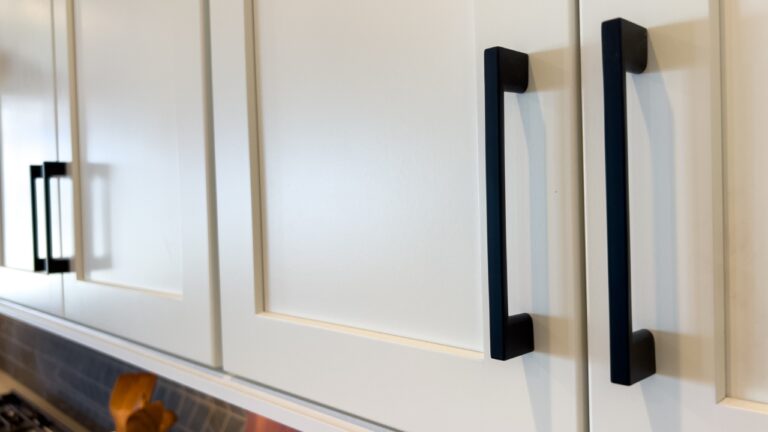
That same research, paired with a related look at Spending Trends, suggests you are planning more DIY work and reserving contractors for only the largest jobs. Another analysis of Small Home Projects found that these projects are on the rise even though about two thirds of homeowners feel it is a bad time to start a home improvement project at all. You might see this in your own weekend list: repainting a bedroom, swapping cabinet hardware, or installing a new smart thermostat feels realistic, while a full kitchen gut does not. By tackling tasks yourself and keeping each project under a few thousand dollars, you maintain a sense of progress without committing to a single, risky overhaul.
The repairs you still refuse to ignore
For all the delays, you still draw a hard line around safety and basic function. Survey data on homeowner behavior shows that you prioritize necessary upgrades even when you are cutting back elsewhere, with 69% saying they are most focused on essential repairs instead of cosmetic changes. In that same research on What repairs are, respondents reported that they are more likely to delay an HVAC replacement if the system is still limping along, but far less willing to ignore a serious roof leak or electrical hazard.
Other surveys back up that hierarchy. One breakdown from real estate professionals found that painting, flooring, or other aesthetic updates are frequently postponed, while urgent issues such as a roof replacement or plumbing repair (21%) are much more likely to move ahead. When you weigh the risk of water damage, mold, or a failed furnace, the choice becomes straightforward. You may live with scratched hardwoods or an outdated vanity for another year, but you will find the money for a failing water heater or a leaking pipe, even if it means trimming your vacation budget or delaying a car upgrade.
How the industry is adjusting to your new priorities
Your shifting choices are rippling through the entire home improvement industry. Analysts who track the sector describe a remodeling slowdown that has spread from homeowners to manufacturers tied to housing, with suppliers of cabinetry, flooring, and fixtures all feeling the pressure. At the same time, the overall home remodeling market remains enormous, with estimates that the U.S. home remodeling market hit $503 billion in 2024, and that spending on HVAC, roofing, and windows still commands a large share of that total because those systems cannot be ignored for long.
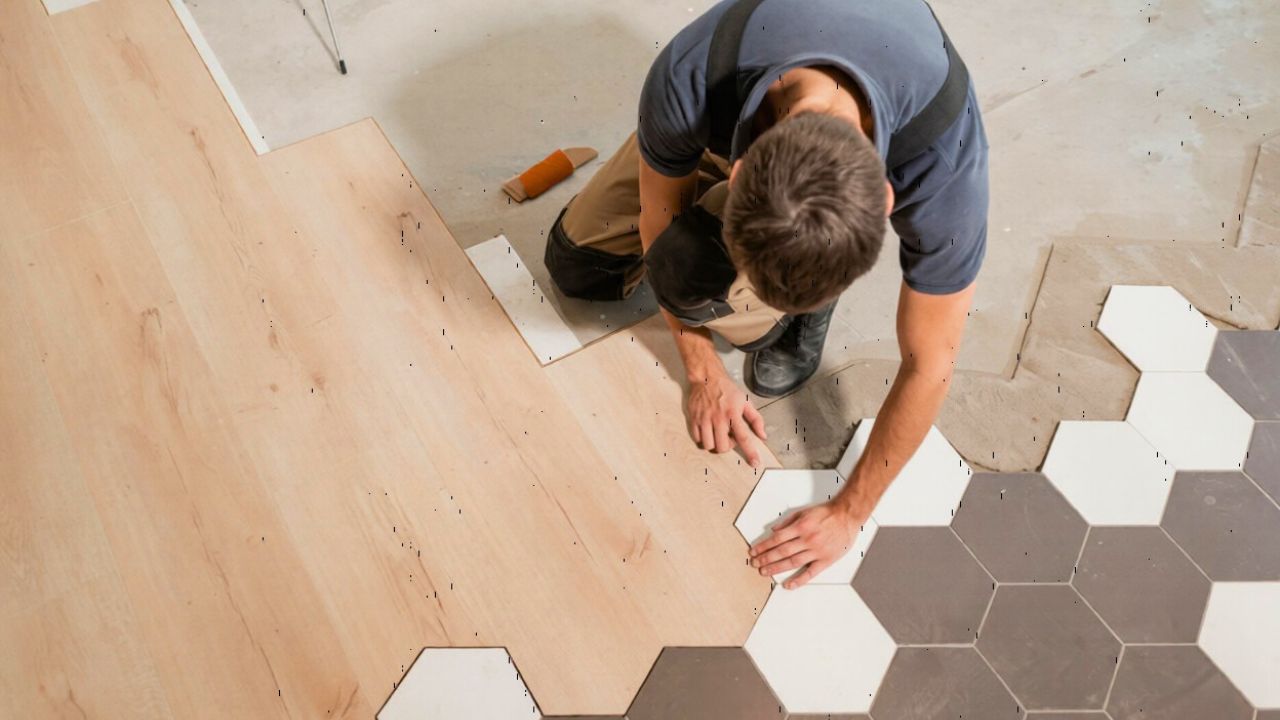
Industry forecasts for 2025 suggest that 38% of all renovations will focus on kitchens and bathrooms, according to a Remodeling Industry Forecast in a broader Remodeling Industry Outlook that highlights key stats and trends such as aging in place and accessibility upgrades. Retailers are responding by spotlighting financing deals, bundling smaller projects into phased plans, and pushing more DIY friendly products that you can install with minimal professional help. When you walk into a big box store now, you see more displays for peel and stick tile, prefinished flooring, and modular storage systems, all tailored to your desire for impact that does not require a full scale construction site in your living room.
The projects that still feel worth doing
Even in a cautious climate, some upgrades continue to climb your list because they promise both emotional and financial returns. Surveys of planned 2025 improvements point to luxurious bathrooms that function as spa like retreats, with bathrooms that add features such as larger showers, better lighting, and improved storage. Another set of remodeling trend reports highlights smart bathrooms with a spa vibe that blend technology, comfort, and efficiency, and those features appeal to you because they improve daily life while also appealing to future buyers who value modern, energy efficient fixtures.
Real estate professionals also emphasize projects with strong resale value. Analyses of Home Projects with the Highest ROI and Joy in 2025 highlight upgrades like a new steel front door, exterior siding refreshes, and targeted kitchen updates that can dramatically improve curb appeal and livability without the cost of a full gut. When you choose to invest in those kinds of projects, you are betting that a focused, high impact change will help you enjoy your home more now and position you better if you decide to sell once mortgage rates and housing demand settle into a more predictable pattern.
How to decide what you should delay and what you should not
When you stand back from the data and the industry commentary, a practical decision framework starts to emerge. You can sort your list into three buckets: must do repairs that protect safety and prevent damage, value building upgrades that improve comfort and potential resale, and nice to have projects that can wait. By ranking each item on urgency, cost, and disruption, you give yourself a clearer sense of which projects deserve attention this year and which can safely move to a future phase when your finances or the economy feel stronger.
You can also use current spending research as a guide. Studies of homeowner readiness, including work summarized in Looking ahead to, suggest that you will get the most traction by tackling small, clearly scoped projects yourself and reserving professional crews for complex, high stakes jobs like structural changes or major mechanical systems. If you keep that balance in mind, you can navigate this period of delayed dream projects without letting your home fall behind, and position yourself to move quickly when conditions finally shift in your favor.
Like Fix It Homestead’s content? Be sure to follow us.
Here’s more from us:
- I made Joanna Gaines’s Friendsgiving casserole and here is what I would keep
- Pump Shotguns That Jam the Moment You Actually Need Them
- The First 5 Things Guests Notice About Your Living Room at Christmas
- What Caliber Works Best for Groundhogs, Armadillos, and Other Digging Pests?
- Rifles worth keeping by the back door on any rural property
*This article was developed with AI-powered tools and has been carefully reviewed by our editors.