The home repair backlog that’s quietly growing nationwide
Across the United States, a quiet backlog of home repairs is building up behind closed doors, from leaky roofs to aging furnaces that owners keep promising to “get to next year.” What looks like procrastination at the individual level is adding up to a structural problem, as essential maintenance is delayed, costs climb, and the country’s housing stock absorbs the strain. The result is a growing gap between what homes need and what owners feel able to fix, with long term consequences for safety, wealth, and neighborhood stability.
The hidden backlog inside “forever homes”
On paper, Americans are more committed than ever to staying put, treating their properties as “forever homes” rather than stepping stones. Yet inside those long term plans, a maintenance deficit is quietly widening. Recent research finds that 35% of homeowners delayed routine maintenance over the past year, a share that jumps to 51% for Millennials and Gen Z, even as they say they want to stay in their properties for the long haul. When basic upkeep is deferred at this scale, the backlog is no longer anecdotal, it becomes a defining feature of the housing market.
The pattern is not limited to minor cosmetic projects. Even more eye opening, 25% of owners have put off necessary repairs altogether, and among those who have delayed or deferred any home maintenance, 60% cite cost as the primary reason, according to a separate slice of the same Even survey data. I see that tension everywhere: people want stability and long term security, but they are making tradeoffs that quietly undermine the very asset they are trying to protect.
Procrastination meets rising costs
Behind the backlog is a very human impulse to put off unpleasant, expensive tasks, especially when the roof is not literally caving in. One analysis of Home Maintenance Procrastination frames it bluntly as a “Growing Crisis Among Homeowners,” noting that American owners often ignore small issues until they snowball into major jobs that can cost thousands of dollars. I hear the same story from contractors: a $300 gutter fix becomes a $5,000 siding replacement once water has had a few seasons to do its work.
At the same time, the price of catching up is climbing. A detailed look at repair inflation shows that Labor, Intensive Categories Up Most The cost of vinyl window replacements rose 2.51% in a single recent period, while other categories saw smaller but still meaningful increases. When owners know that every call to a plumber or roofer might come with a higher bill than last year, the temptation to delay grows stronger, and the backlog deepens.
Economic anxiety and the decision to delay
Economic uncertainty is the other powerful force pushing repairs into the future. A recent survey of owners found that 71% of homeowners have postponed renovations this year because they are worried about the broader outlook, and 15% have postponed them indefinitely, according to an Aug survey of more than 2,000 respondents. When nearly three quarters of people with a mortgage or deed in hand are hitting pause, the cumulative effect is a national maintenance queue that keeps stretching out.
That anxiety is not just about today’s bills, it is about tomorrow’s as well. A separate Survey report titled “Jun, Nearly Half of Homeowners Expect Repair Costs, Climb, Survey Report” found that almost half of owners expect repair costs to rise further and are already worried about their financial future. In that context, deferring a new roof or HVAC system can feel like a rational hedge, even if it increases the risk of a more expensive emergency later.
Younger owners are carrying the heaviest load
The backlog is especially acute among younger households, who often bought at high prices and now face steep upkeep on top of student loans and child care. One national poll found that 87% of Millennial Homeowners Have Unfinished Repair Projects, and 84% are Putting Them Off, according to Ace Hardware Home Services Reve. When nearly nine in ten people in a generation have half finished jobs around the house, it signals not just busy schedules but systemic financial and logistical barriers.
Those numbers line up with the earlier finding that 51% of Millennials and Gen Z owners have delayed routine maintenance in the past year. I hear from younger buyers who stretched to purchase a 1960s ranch or a 1920s bungalow, only to discover that the roof, wiring, and windows all need attention at once. Faced with that stack of needs, they triage, tackling the most urgent issues and leaving the rest to linger on a mental “someday” list that grows longer with each season.
Contractor bottlenecks and a strained remodeling industry
Even when owners are ready to spend, they often run into a different obstacle: finding someone to do the work. After the pandemic, the U.S. renovation market surged above $600 billion and, even with a recent slowdown, is still 50 percent higher than before, according to an analysis that describes how After the boom, labor shortages are now hindering U.S. remodeling demand. Contractors tell me they are booked out for months, sometimes prioritizing large, profitable remodels over smaller repair jobs that homeowners desperately need.
Industry researchers expect that pressure to persist. One forecast notes that Annual expenditures for improvements and maintenance to owner occupied homes are projected to remain steady through the next year, keeping demand for skilled labor high. Another outlook, flagged under Trending topics like “Remodeling Expected, Continue Slow, Steady Growth Into Next Year, Blog,” underscores that even amid economic uncertainty, spending on renovation and repair is expected to post continued gains. In other words, the pipeline of work is not shrinking, which means the wait times that feed the repair backlog are unlikely to ease quickly.
DIY workarounds and their limits
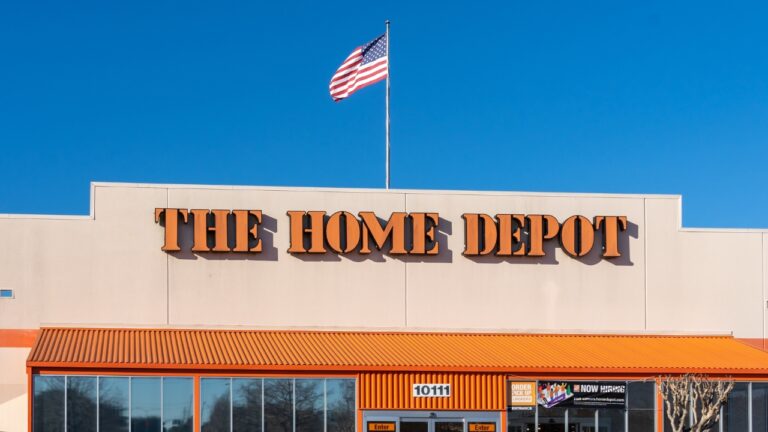
Faced with higher prices and long waits, many owners are turning to do it yourself fixes to keep their homes livable. A recent broadcast on how homeowners turn to DIY projects as repair costs rapidly rise captured a familiar scene: people walking into big box stores to buy tools and materials rather than hiring professionals. I hear similar stories from friends who have learned to replace faucet cartridges via YouTube or patch drywall on their own, not out of hobbyist enthusiasm but because the alternative is a bill they cannot justify.
DIY can be empowering, but it has limits, especially when safety is at stake. Guidance on 6 House Repairs That Require Immediate Action highlights issues like Foundation Issues and electrical hazards, warning that Your home is only as strong as its structural and mechanical systems. Those are not the kinds of jobs most people should tackle with a weekend and a borrowed ladder. When owners feel forced to choose between risky DIY and unaffordable professional help, some simply choose to wait, and the backlog of serious, unseen problems grows.
Macro forces pushing costs higher
Zooming out, the repair backlog is also a story about macroeconomics filtering down into every cracked tile and aging water heater. Analysts tracking the home improvement sector point to Macroeconomic factors such as Tariffs and supply chain disruptions, with Industry sources estimating that tariffs could raise building material costs in ways that ripple through to every contractor’s estimate. When the price of lumber, copper, or asphalt shingles jumps, the cost of catching up on deferred maintenance rises in lockstep.
Yet even as prices climb, spending has not collapsed. Reporting on how Homeowners spend on renovations and repairs despite the uncertain economy and higher prices notes that people are still investing in big ticket items, from appliances to windows. I see a split emerging: some households push ahead with major upgrades, while others, squeezed by the same inflation and interest rates, fall further behind on basic upkeep. The national repair backlog lives in that gap.
When “later” becomes dangerous
Not every delayed project is a crisis, but some are. Experts warn that certain problems move quickly from nuisance to hazard if ignored. The list of Foundation Issues, roof leaks, and electrical faults that require immediate attention is long, and the guidance is blunt: Your safety and the integrity of your home depend on swift action. I have walked through houses where a small, long ignored leak turned into mold behind the walls, or where a sagging porch signaled deeper structural trouble that would cost far more to fix than an early intervention.
Yet the same financial pressures that drive people to delay cosmetic work also push them to roll the dice on these higher stakes problems. When 25% of owners admit they have put off necessary repairs and 60% of those who delay cite cost, as the Even data show, it is clear that the backlog is not just about aesthetics. It is about families weighing immediate bills against invisible risks, often without the savings or credit to choose the safer option.
Why the backlog matters for the housing future
All of these threads add up to more than a collection of individual to do lists. When 35% of owners delay routine maintenance, 71% postpone renovations because of economic concern, and 87% of younger buyers have unfinished projects, the result is a housing stock that is quietly aging faster than it is being repaired. The Annual spending projections and Steady Growth Into Next Year forecasts show that money is still flowing into home improvement, but the surveys on deferred maintenance and rising anxiety about costs reveal a parallel reality: a growing share of essential work is not getting done.
I see the stakes in every story of a first time buyer inheriting decades of neglect, or a retiree living on a fixed income in a house that needs a new roof and updated wiring. The home repair backlog that is quietly growing nationwide is not just a matter of comfort or curb appeal, it is a slow moving challenge to household wealth, neighborhood resilience, and the safety of the nation’s 145 million homes. Addressing it will require more than individual resolve, it will take policy, financing tools, and industry capacity that match the scale of the problem owners are facing behind their front doors.