The home repair people delay all winter that turns into a bigger bill in spring
Winter is when you most want to forget about your house and stay warm inside, but it is also when small problems quietly grow into the kind of repairs that wreck a spring budget. As snow, ice, and cold pile on, the issues you delay in January are often the same ones that come back as four‑figure invoices in April. If you understand how winter really treats your roof, pipes, foundation, and heating system, you can decide which calls to make now instead of paying a premium later.
The quiet winter damage that sets up a spring repair bill
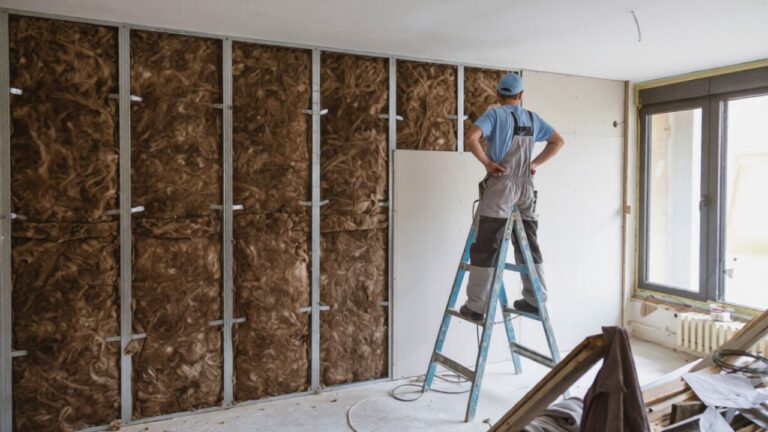
Cold weather does not just make your home uncomfortable, it actively stresses the structure in ways you may not see until the thaw. When temperatures plunge, materials contract, joints open, and any spot where your house is poorly insulated becomes a weak point that lets in moisture and cold air. Roofing specialists warn that there are several ways low temperatures can put your home at risk, especially if your house is already drafty or your attic is underinsulated, which is why they flag The Dangers of Cold Temperatures as a structural issue, not just a comfort problem.
Snow and ice compound that stress by adding weight and water in places your home was never meant to hold it. Winter storms are already responsible for nearly 6 billion dollars in insured losses each year, with water and freeze damage ranking among the most expensive categories. Beyond direct leaks, packed snow and ice can trap moisture against shingles, siding, and framing so that surfaces stay damp, accelerating rot and decay long after the storm passes, a pattern highlighted in guidance on house damage from snow.
The one repair people put off: heating problems that quietly drain cash
The repair most homeowners delay all winter is the one tied directly to comfort: the heating system that is “mostly” working. You might hear a new noise from the furnace, notice a room that never quite warms up, or see the thermostat creeping higher each week, and still decide to wait until spring to call a technician. That choice has a direct price, because specialists in home systems warn that postponing repairs not only increases utility bills but also shortens the lifespan of your equipment, with Postponing service each season steadily eroding the value of your heating system.
Running a struggling furnace or boiler through the coldest months forces it to work longer cycles at lower efficiency, which shows up as higher gas or electric bills long before anything fully breaks. That same strain can turn a minor issue, such as a dirty burner or failing sensor, into a cracked heat exchanger or dead blower motor that costs far more to replace. Analysts who track household budgets have already noted that instead of treating upkeep as a routine cost of ownership, more Americans are waiting until something breaks completely, which is exactly how a small winter tune‑up turns into a full system replacement by spring.
Frozen pipes, ice, and the hidden structural risks you do not see
While you are focused on staying warm, the real budget killers are often happening out of sight in walls, crawl spaces, and under snow‑covered roofs. Frozen plumbing is one of the top winter hazards, because when water turns to ice it expands and can rupture supply lines, valves, and fittings. Risk analysts list Frozen pipes as a leading threat to Home and Property, noting that a single burst line can flood floors, ruin drywall, and trigger mold remediation that costs far more than basic insulation or a mid‑season plumber visit.
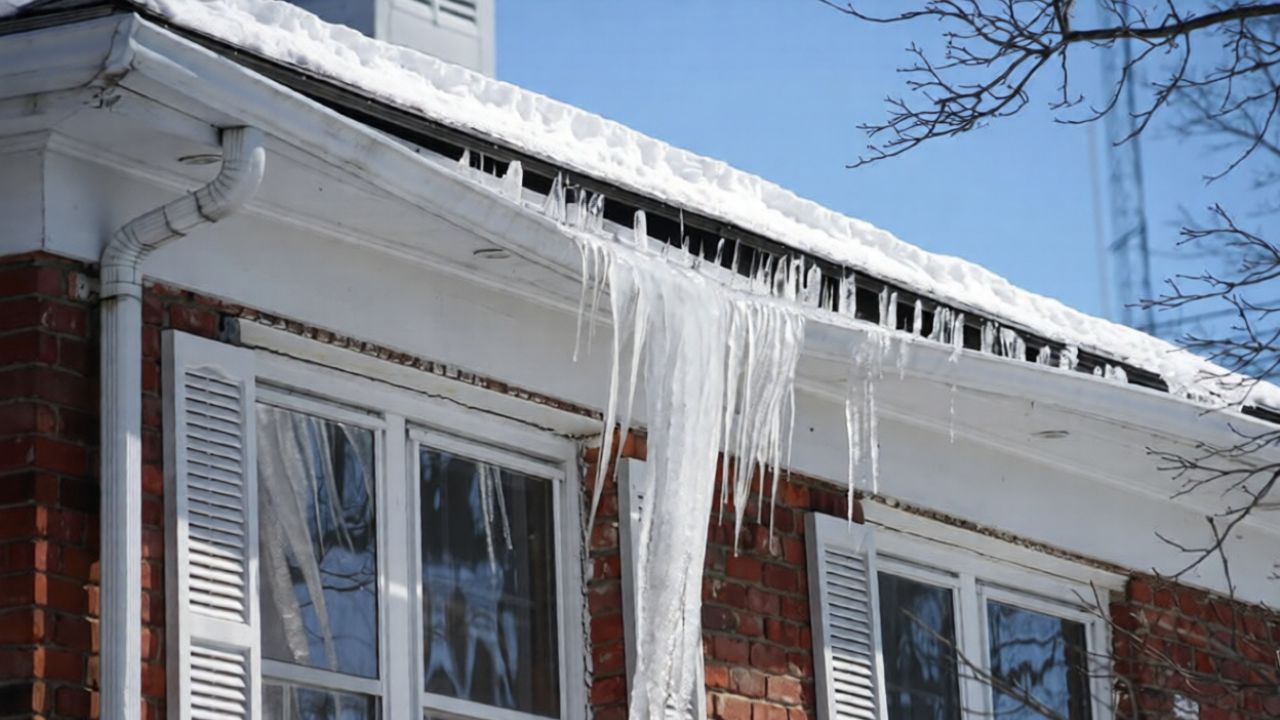
Ice and snow also attack the shell of your house in ways that are easy to miss until the thaw. As meltwater refreezes at the roof edge, it can form dams that push water back under shingles, leading to leaks, stained ceilings, and damaged insulation. Over time, that moisture can weaken roof decking and even framing, which is why specialists who track cold‑weather damage warn that From Gutters to Foundations, How Cold Weather Weakens Homes is often a slow process that ends with roof leaks and damage costing 1,000 dollars or more for major issues.
Why winter neglect multiplies costs by spring
Putting off winter maintenance is not just a gamble on weather, it is a financial strategy that usually backfires. Small oversights, from ignoring a minor leak to skipping basic winterization, tend to grow under the pressure of freeze and thaw cycles. One analysis framed it bluntly in an Article Summary that described how Neglect is Expensive, because Small cracks and gaps can fill with water that freezes, expands, and eventually exerts enough thaw pressure to require structural repair.
That same pattern shows up in exterior elements you barely think about in January. Gutters clogged with leaves and ice can overflow, sending water down siding and into the soil right next to your foundation. Over time, that runoff erodes soil, undermines steps, and can even compromise foundations, a risk that has been flagged in coverage of top winter risks for homeowners in Michigan. By the time spring rain arrives, the damage from months of winter runoff is already baked in, and what could have been a ladder and a weekend turns into a foundation contractor and a financing plan.
Insurance, energy waste, and the costs you do not see on the invoice
Even when you avoid a dramatic failure, delaying winter repairs quietly drains money through higher bills and weaker coverage. Gaps around windows, broken weatherstripping, and thin attic insulation let heated air escape and cold air pour in, forcing your furnace to run longer. Analysts who track household spending have shown how Delays Can Hurt Your Wallet Through Higher Utility Bills, because Broken seals and poor insulation make your home less comfortable and more expensive to heat, even if nothing ever “breaks” in a dramatic way.
Insurance is another place where procrastination can cost you more than the repair itself. Regulators have warned that winter can bring extreme weather that puts roofs, siding, and plumbing at risk, and they urge homeowners to review policies and take basic precautions before storms hit. Guidance from The National Association of Insurance Commissioners notes that Winter can bring extreme weather that damages your home, and that failing to maintain things like gutters, roofs, and pipes can affect how claims are handled if something goes wrong. In other words, the repair you skip today might not just cost more in April, it might also be harder to get covered.
Why winter can actually be the best time to fix things
It is easy to assume you should wait for warm weather to tackle repairs, but for many projects winter is the smarter season. Restoration contractors point out that Because winter is typically a less busy season for restoration services, crews can often start sooner, spend more time on your job, and move faster without juggling as many competing projects. That lower demand can speed up the overall restoration process, which is why some professionals argue that Because of the seasonal slowdown, you may get better attention and scheduling if you act before spring.
There is also a timing advantage if your home has already suffered some damage and you need to coordinate with insurers or multiple trades. When you start in the off‑season, you are less likely to run into the bottlenecks that hit during peak months, when roofers, masons, and HVAC technicians are booked out for weeks. Contractors who specialize in restoration note that if your home has existing issues, starting in winter helps you Avoid Peak Season Delays in Summer and increases the odds of getting your project done on time, instead of watching costs creep up while you wait for a slot.
Spring sticker shock: how labor and materials get more expensive
Waiting until spring or summer does not just give damage more time to spread, it also pushes you into the most expensive part of the construction calendar. When demand spikes, contractors raise rates, overtime becomes common, and even basic materials can cost more because suppliers know crews are racing to catch up. Analysts who track building costs explain that during high‑demand seasons, when contractors are juggling many jobs, labor expenses climb, a pattern captured in research on the impact of seasonal changes on home construction costs.
That seasonal squeeze is already showing up in how homeowners behave. Reporting on repair trends notes that Homes Are Becoming Increasingly Expensive to maintain, and that instead of treating upkeep as a routine cost, many owners are deferring work until something fails outright. The same coverage points out that Instead of planning for steady maintenance, people are colliding with peak‑season pricing when they finally call for help, which magnifies the financial hit of every delayed winter repair.
What to tackle now: a practical winter triage list
To keep a winter delay from turning into a spring emergency, you need a short, realistic list of priorities rather than a vague promise to “do more maintenance.” Start with anything that involves water, heat, or structural support, because those are the systems winter stresses most. Consumer guidance on Top Winter Weather Risks to Home and Property puts Frozen pipes at the top of the list, which means insulating exposed lines, sealing foundation cracks where cold air blows in, and keeping interior temperatures steady, even in rooms you rarely use.
Next, look up and out. Clear gutters and downspouts so meltwater has somewhere to go, check your roof from the ground for missing shingles or sagging areas, and make sure snow is not piling against siding or blocking foundation vents. Specialists who catalog Common Damages To Your Home From Winter Weather warn that a Weakened roof and Freezing temperatures that cause ice over your eaves can lead to leaks and structural issues, so even a quick visual inspection can catch problems before they escalate. If you are unsure where to start, consumer segments like Your Money on News Now, where reporter Mary Jane Bellza walks through how to winterize your home to save energy and avoid repairs, can help you translate expert advice into a weekend checklist.
When to wait, and when winter work is a bad idea
Not every project belongs in the coldest months, and part of being strategic is knowing what to postpone on purpose. Large structural changes that expose framing or rely on extensive exterior work can be risky in freezing conditions, both for the building and the crew. Contractors who specialize in seasonal planning caution that Full‑Scale Additions or Remodels are poor candidates for mid‑winter, noting that Full Scale Additions and Remodels that involve Thinking of knocking down walls or opening roofs are not a carpenter’s friend when snow, ice, and short daylight hours are in play.
Instead, focus winter work on repairs, efficiency upgrades, and protective maintenance that keep your existing structure sound. That might mean sealing air leaks, servicing your furnace, insulating pipes, or addressing minor roof and gutter issues before they grow. Regulators and insurers alike stress that Winter can bring extreme weather that puts roofs, siding, and plumbing at risk, and that basic steps to protect your home are all at risk if you ignore them until spring. The goal is not to renovate through a blizzard, but to handle the specific winter‑sensitive repairs that will cost you far more if you wait for warmer weather.
Like Fix It Homestead’s content? Be sure to follow us.
Here’s more from us:
- I made Joanna Gaines’s Friendsgiving casserole and here is what I would keep
- Pump Shotguns That Jam the Moment You Actually Need Them
- The First 5 Things Guests Notice About Your Living Room at Christmas
- What Caliber Works Best for Groundhogs, Armadillos, and Other Digging Pests?
- Rifles worth keeping by the back door on any rural property
*This article was developed with AI-powered tools and has been carefully reviewed by our editors.