The home repair problems spreading fastest in older neighborhoods
Across the United States, aging houses are quietly sliding into crisis. In older neighborhoods, the same repair problems are cropping up block by block, turning once solid homes into risky investments and, in the worst cases, unsafe places to live. The fastest spreading issues are not cosmetic flaws but structural, electrical, and health hazards that compound each other when owners lack the money or information to keep up.
As housing costs rise and new construction lags, more families are relying on properties that were built long before modern codes and materials. That shift is concentrating hidden defects in the very communities that can least afford surprise repair bills, accelerating a cycle where deferred maintenance, deteriorating systems, and outdated infrastructure feed into a broader affordability crunch.
The aging-home squeeze behind today’s repair wave
I see the surge in repair problems in older neighborhoods as the predictable result of a housing stock that is getting older and riskier faster than incomes can keep up. Analysts tracking what some now call an aging home crisis point out that buyers are being pushed toward properties that need significant work, while social media is full of content creators warning about the latest housing crisis and the gap between what sellers promise and what inspections reveal, a pattern highlighted in a widely shared video on why homes are older & riskier in 2025. When the only “affordable” option is a house with decades of deferred maintenance, the seeds of future repair emergencies are already planted.
The consequences are visible at scale. Reporting on deteriorating housing conditions has documented that Millions of people now live in homes that are slipping into disrepair or even becoming uninhabitable, a trend that hits older neighborhoods hardest because their buildings are already past their intended service life. In those areas, one leaking roof or failing foundation rarely stands alone; it is part of a street-wide pattern where aging materials, outdated systems, and limited access to capital all collide.
Structural trouble: foundations, cracks, and sagging frames
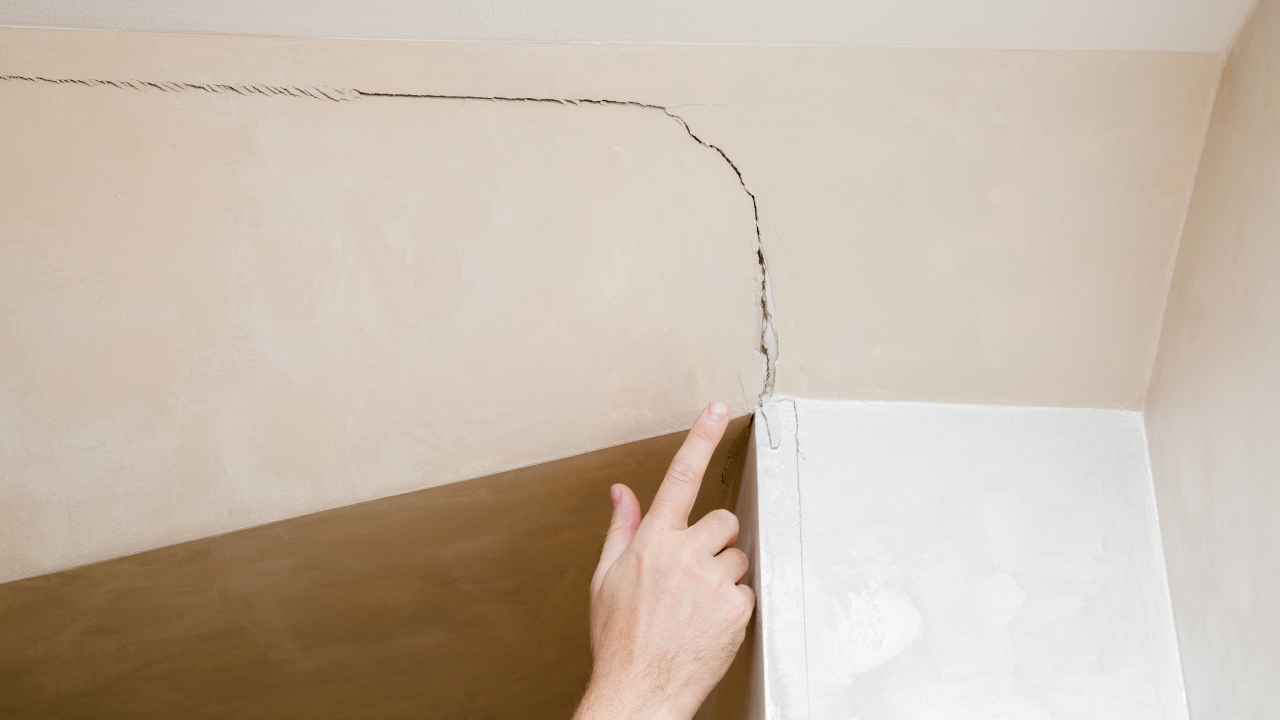
Among the problems spreading fastest, structural failures are the most unforgiving. In older neighborhoods, I hear the same complaints repeated: new Cracks in the foundation or walls, doors that no longer close, and Uneven floors that hint at deeper movement below the surface. Guides to hidden issues in older homes warn that Sagging ceilings and sloping rooms are not just quirks of age but potential signs that the structure is under stress, especially where water intrusion or poor drainage has been ignored for years.
Specialists who work on Historic Homes describe a familiar pattern: environmental factors and time combine to create Common Types of Structural Damage, from Foundation Issues to spreading Cracks that open gaps around windows and doors. In older neighborhoods where houses share similar construction and soil conditions, once one property starts shifting, neighbors often discover the same symptoms within a few seasons, especially after heavy rain or drought cycles that stress shallow footings.
Foundation and plumbing failures beneath older blocks
Under the surface, foundation and plumbing failures are multiplying in ways that are particularly visible in older regions with expansive soils. Contractors in Texas, for example, warn that OLDER HOUSES HAVE chronic issues with plumbing fixtures and under-slab leaks that erode soil and destabilize piers. Once those leaks begin, they rarely stay contained to one lot; shared clay soils and aging municipal lines mean entire streets can experience shifting slabs, cracked driveways, and misaligned porches within a few years.
Homeowners are often slow to recognize the warning signs, which is why practical guides on How to spot foundation issues emphasize early clues like new Cracks in walls, sticking windows, and gaps at trim. In older neighborhoods, those subtle shifts can be the first hint that buried cast iron or clay pipes are failing in multiple houses at once, a cascading problem that turns routine maintenance into a neighborhood-wide infrastructure challenge when owners wait until floors are visibly sloping or water is pooling in basements.
Outdated electrical systems and hidden fire risks
Above the foundation, outdated wiring is another problem that spreads quickly in older districts, especially where multiple homes were built in the same era with the same materials. Remodelers who specialize in aging properties warn that Outdated Electrical systems are one of the top overlooked hazards, often hiding behind freshly painted walls and new fixtures. When a neighborhood is full of houses that still rely on original panels, ungrounded outlets, or aluminum branch circuits, the risk of overloads and fires is not isolated to one address.
Contractors who catalog the most frequent issues in older renovations note that Here, electrical wiring may be undersized for today’s appliance-heavy lifestyles, with too few circuits and no room in the panel for safe expansion. In older neighborhoods where residents are plugging modern HVAC systems, induction ranges, and electric vehicle chargers into mid‑century infrastructure, the mismatch between demand and capacity is driving a quiet wave of tripped breakers, overheated conductors, and insurance red flags that can derail sales or refinancing.
Lead, asbestos, and other legacy health hazards
Health hazards embedded in older materials are also resurfacing as a shared neighborhood problem rather than a one-off defect. Renovation experts stress that Older homes mean older, sometimes physically harmful materials, from lead pipes and lead paint to asbestos shingles and insulation that may have been covered but never removed. When multiple houses on the same block were built with the same products, any wave of DIY remodeling or storm damage can release those contaminants into shared air and soil.
Guides to common remodeling problems in aging properties underline that Asbestos was used extensively in flooring, siding, and pipe insulation, while another detailed checklist warns that Lead Paint becomes dangerous when disturbed during renovations. In older neighborhoods where investors are flipping multiple properties at once, or where storm repairs trigger widespread demolition, those legacy materials can turn into a community-wide exposure risk if they are not handled with proper containment and abatement.
Urban neighborhoods: dense, old, and hard to maintain
In dense cities, the same repair problems are amplified by proximity and pressure on space. Guidance on How to Maintain Older Properties in Urban Neighborhoods notes that Owning an older home in a busy city like San Francisco often means juggling historic facades, tight lots, and limited access for repairs. When roofs, windows, and exterior cladding all age at the same pace on attached or closely spaced buildings, water intrusion in one property can quickly migrate to neighbors through shared walls, courtyards, or poorly graded alleys.
Urban owners also face stricter preservation rules and higher labor costs, which can delay essential work until problems become emergencies. In older city neighborhoods, that often translates into a patchwork of temporary fixes on balconies, stairwells, and fire escapes that are already decades past their intended lifespan. Once a single building’s masonry starts to spall or a cornice loosens, inspectors frequently uncover similar deterioration up and down the block, revealing how long-term underinvestment in maintenance has accumulated in the urban core.
When repair gaps become a housing and wealth problem
Behind every cracked foundation or failing roof is a financial story, and in older neighborhoods those stories add up to a broader equity problem. Reporting on deteriorating housing has shown that repair backlogs are concentrated in lower income communities, where owners lack savings or access to credit and renters have little leverage to demand fixes, leaving Millions of residents stuck in homes that are both unsafe and impossible to replace at current prices. In that context, every unaddressed leak or electrical fault is not just a maintenance issue but a threat to long term stability and neighborhood viability.
Some housing advocates argue that targeted repair programs can help break this cycle by turning aging properties back into safe, wealth building assets. One initiative framed as an “all of the above” response to the affordability crunch stresses that Providing repair assistance helps close the gap, enabling families to build generational wealth through homeownership today rather than someday. In older neighborhoods where the same structural, electrical, and environmental problems repeat from house to house, that kind of coordinated investment can turn a wave of failures into an opportunity to stabilize entire blocks at once.