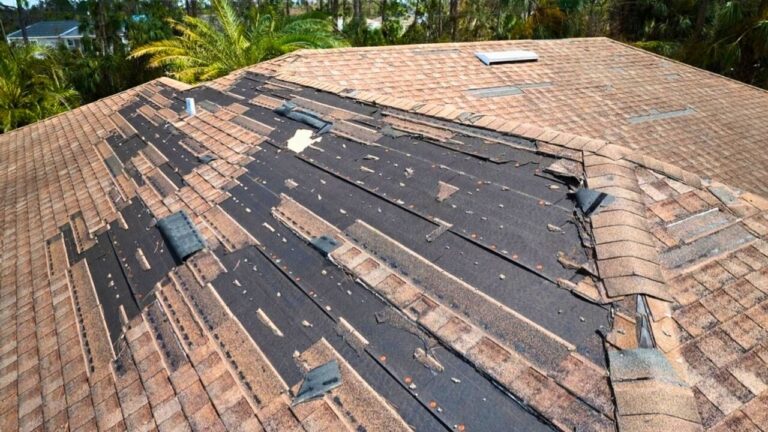
The home repair receipt insurers expect you to keep but rarely tell you about
Insurers increasingly expect you to prove not just what was damaged, but how well you cared for your home before anything went wrong. The single document that quietly underpins that proof is a detailed home repair receipt, yet you are rarely told to treat it as seriously as a tax return or a car title. If you start keeping those records now, you can turn a future claim from an argument into a straightforward transaction.
That lowly invoice from a roofer, plumber, or electrician can show that you maintained your property, reduced risk, and spent real money on qualified work, all of which can affect whether a claim is paid and how much you receive. As insurers tighten their standards and ask for more documentation, that receipt becomes the missing link between your memory of what you fixed and the hard evidence your policy actually relies on.
Why insurers suddenly care so much about your repair paperwork
In the past, you could upgrade a kitchen or patch a roof and simply tell your insurer about it at renewal, expecting a modest bump in coverage and little scrutiny. Now, companies are treating many renovations as potential risk multipliers instead of automatic value boosters. If you add a deck, finish a basement, or install a gas fireplace, your insurer wants to know not only that the work exists, but that it was done properly and with risk reduction in mind, which is where detailed receipts and contracts come in.
Behind the scenes, carriers are under pressure from higher rebuilding costs and more frequent severe weather, so they are asking for more proof that a loss is tied to a covered event rather than long term neglect. That is why guidance now stresses keeping evidence of maintenance, repairs, and so you can demonstrate that you did your part to care for the property. A simple invoice that lists what was fixed, when, and by whom can be the difference between an adjuster seeing a claim as a sudden accident or as the predictable result of deferred maintenance.
The quiet rule: no proof of repairs, no leverage on your claim
When a storm or leak hits a home that has been worked on before, adjusters often want to know what was previously repaired and how much was spent. Attorneys who handle disputes say that when you seek extra money for hidden damage, the first question an insurer usually asks is, “Where are the for the previous work. If you cannot answer that, your supplemental claim for additional damage can collapse, because you have no way to prove what was already fixed and what is genuinely new.
Specialists who work with homeowners after disasters stress the importance of keeping of every repair you make after a loss, not just the big-ticket items. If you retain receipts for damaged items, contractor invoices, and materials, you can show that you actually spent the claim money on restoring the property. That record becomes leverage if you later need to argue that a new problem is separate from the old loss and deserves fresh coverage.
The specific receipt insurers expect but rarely spell out
Buried in policy language and adjuster scripts is an expectation that you will keep a full paper trail for any work tied to a claim, from emergency tarping to final paint. Guidance on handling a homeowners insurance claim tells you to make a list of lost or damaged items and provide receipts from the original purchase, but it also expects you to document what you spend on repairs after the loss. That means the “must keep” receipt is not just the one from the day you bought a television or a sofa, it is the invoice that shows who repaired your roof, replaced your drywall, or rewired your panel.
Claims experts also urge you to keep receipts for any temporary repairs or materials, because your insurer may reimburse those costs if you can prove them. That includes things like tarps, dehumidifiers, or a plumber’s emergency visit, which are easy to forget once the crisis passes. When you combine those invoices with the detailed contractor bill for permanent work, you have the complete repair receipt insurers quietly expect: a dated, itemized record that ties every dollar you spent to the damage they agreed to cover.
How maintenance records can keep your policy from being voided
Insurers draw a hard line between sudden accidents and slow decay, and they increasingly treat poor upkeep as a reason to deny coverage. Industry guidance warns that Neglect Can Lead to Voided Policies if damage is traced back to issues you should have addressed. If you ignore a leaking pipe or a sagging gutter, an adjuster can argue that the resulting mold or rot is not an unforeseen circumstance but the product of Neglecting basic maintenance.
That is where routine repair receipts become a quiet shield. If you can show a pattern of hiring professionals to service your roof, HVAC system, or plumbing, you can demonstrate that you treated emerging problems promptly and reasonably. When you combine those invoices with photos of your property’s condition, as recommended in guidance that urges you to photograph your home Beyond personal belongings, you give your insurer far less room to argue that a loss stems from long term neglect rather than a covered event.
What a “good” repair receipt actually looks like
To carry real weight with an adjuster, a repair receipt has to do more than show a total at the bottom. Documentation experts recommend that you capture Copies of contracts and invoices that spell out exactly what was done, where, and with what materials. A strong invoice will include Detailed descriptions of the work, the Dates of completion, and the Costs of materials and labor, all tied to your address.
Consumer protection rules add another layer of structure. In Pennsylvania, for example, regulators spell out What needs to be in contracts for home improvements Home Improvement Consumer, including the contractor’s registration number, a description of the work, and the total price. When your receipt mirrors that level of detail, it not only protects you under consumer law, it also gives your insurer a clear, credible record to rely on if a claim later touches the same part of the house.
Disaster playbook: pairing photos with receipts before and after
When you are staring at a flooded living room or a wind-torn roof, paperwork is the last thing on your mind, but it is exactly what will decide how smoothly your claim runs. Disaster planning advice urges you to Take exterior shots of your roof, siding, and foundation before anything happens, then repeat those photos after a storm to show the change. If you keep those images alongside your repair receipts and contractor information, you can walk an adjuster through a clear before and after story that is hard to dispute.
Claims guides also tell you to Photograph or videotape the damages and Make a list of lost or damaged items, backed by receipts from the original purchase whenever possible. On top of that, you are expected to keep invoices for any temporary work you authorize, since your insurer may reimburse those costs if you can prove them. When you combine visual evidence with a stack of organized receipts, you are not just telling your insurer what happened, you are showing them in a way that aligns with their own internal checklists.
Why DIY fixes and cash jobs can backfire with insurers
It is tempting to save money by handling repairs yourself or paying a neighbor in cash, but that choice can leave you with no paper trail when you need it most. In one public discussion about claims, a commenter named Aimee Anne Peterson responded to Farhan Jamil Ahmed by noting that insurers very rarely cover repairs you orchestrate yourself without a contract. That kind of informal work may solve the immediate problem, but it leaves you with nothing to show an adjuster later except your own word that the job was done and what it cost.
Even when a claim is approved, some carriers will hold back part of the payment until they see proof that the work was actually completed. Homeowners have reported situations where a Homeowners Insurer withholds part of the claim payment until the work is invoiced, or even issues the check directly to the contractor. If you have no formal invoice because you paid in cash or did the work yourself, you may struggle to unlock that withheld money or to prove the quality of the repair if a related problem surfaces later.
The receipts you already keep that hint at the standard
You already accept that some purchases are not “real” in the eyes of insurers unless you can prove them, and that same logic is creeping into home repairs. Personal property guidance highlights Valuable Electronic devices like computers, televisions, and gaming systems as items where Keeping the receipt helps you prove both ownership and value. If you would not expect an insurer to take your word for the price of a PlayStation 5 or a 65 inch TV, it is not realistic to expect them to accept a vague estimate for a $15,000 roof replacement without paperwork.
The same principle applies to the structure of your home, only the stakes are higher. When you document What you improved, from a new electrical panel to upgraded windows, and keep those records in a dedicated home improvement file, you give your insurer a clear picture of what they are actually on the hook to rebuild. That file should sit alongside the receipts you already keep for big electronics and jewelry, because in a total loss, the difference between a generic payout and a fully funded rebuild often comes down to how well you can prove what you had and what you spent to maintain it.
How to build a repair paper trail that actually works for you
Turning your repair receipts into a usable system does not require fancy software, just consistency. Documentation specialists suggest you Document every project with a simple checklist: contractor name and license, scope of work, dates, and total cost, backed by photos before, during, and after the job. You can keep physical folders for each major system (roof, plumbing, electrical) and mirror them with digital copies stored in the cloud so a fire or flood does not wipe out your proof.
After a claim, you should treat every invoice as part of the official record of that loss. Guidance on the Homeowners Claim process emphasizes that you should Maintain Receipts for and any work you have made to your. If you also follow claim advice to Avoid starting permanent repairs until the adjuster approves them, you can line up your receipts with the insurer’s own estimate. That alignment makes it much easier to challenge underpayments, request supplements, or show that you used the funds as intended if questions arise years later.
Like Fix It Homestead’s content? Be sure to follow us.
Here’s more from us:
- I made Joanna Gaines’s Friendsgiving casserole and here is what I would keep
- Pump Shotguns That Jam the Moment You Actually Need Them
- The First 5 Things Guests Notice About Your Living Room at Christmas
- What Caliber Works Best for Groundhogs, Armadillos, and Other Digging Pests?
- Rifles worth keeping by the back door on any rural property
*This article was developed with AI-powered tools and has been carefully reviewed by our editors.