The home trouble spots last year’s storms made obvious
Last year’s storms did more than peel shingles and topple trees. They exposed weak spots in how you build, insure, and even locate your home, from coastal foundations to basement sump pumps. If you pay attention to what failed, you can treat those disasters as a blunt but useful inspection report on where your own house is most vulnerable.
As you sift through photos of collapsed houses, flooded neighborhoods, and mold-infested walls, a pattern emerges: the damage was rarely random. Storm surge, erosion, landslides, and overwhelmed drainage all followed predictable paths and punished the same design shortcuts and planning blind spots again and again. Using those lessons now gives your home a far better chance of surviving the next round.
1. Coastlines that are literally disappearing under you
If you own or are eyeing a place near the water, last year’s coastal storms gave you a preview of what happens when the shoreline itself becomes unstable. In Buxton, NC, earlier this week, four more homes collapsed into the ocean as a powerful nor’easter swept up the Atlantic coast, a vivid reminder that some properties now sit on a moving edge rather than solid ground. Video from that event showed structures breaking apart and spilling debris and household substances into the Atlantic, which is exactly what you risk when you build on sandbars that are steadily narrowing.
Since 2020, one coastal region has already seen 26 homes completely destroyed by coastal erosion, and in a single month 15 houses were lost to storms and wave attack, a tally that should make you question any lot that depends on a thin dune as its only line of defense. When you see that kind of attrition, your focus should shift from cosmetic storm prep to bigger questions about retreat, elevation, or buyouts. Programs highlighted by coastal groups, such as those described in after the storm guidance, explain how you can document damage, understand erosion trends, and talk with local officials about long term options instead of simply rebuilding in place and hoping for a different outcome next season.
2. Storm surge and river flooding that reach far beyond “normal” lines
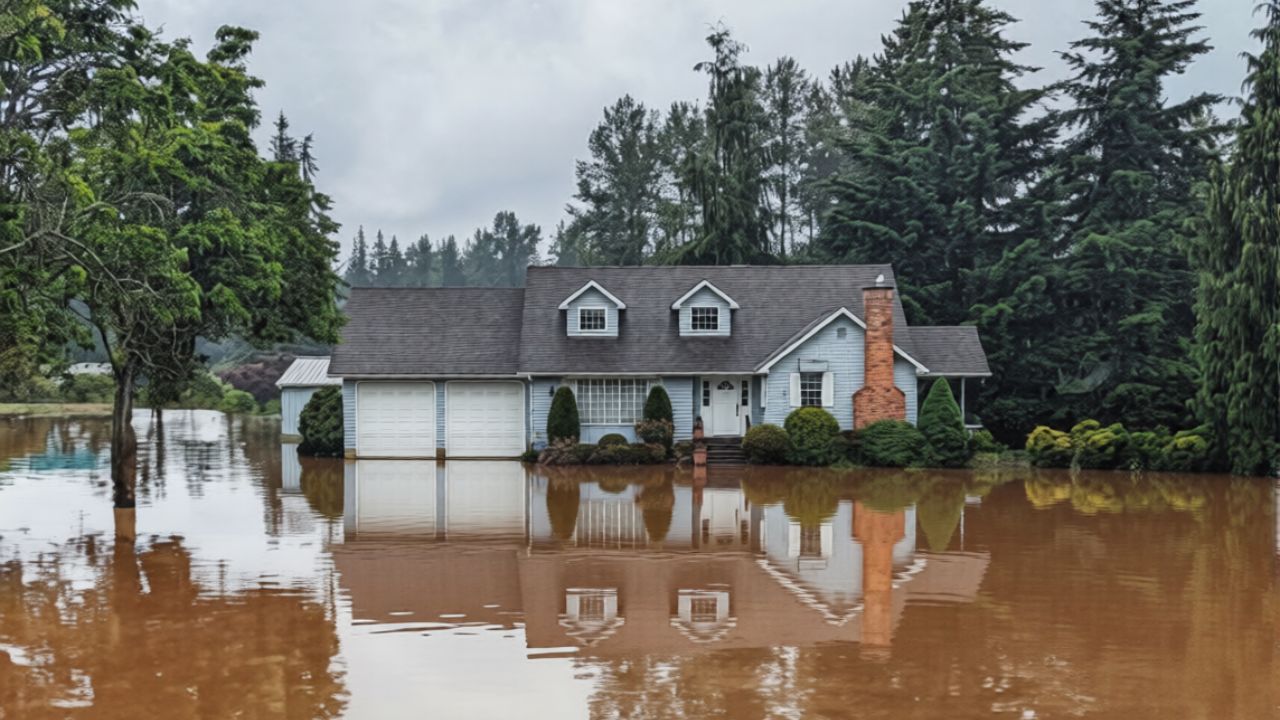
Even if you live well inland from the surf, last year’s storms showed how water can reach far beyond the lines you grew up trusting. Observers who have tracked hurricanes for years now point out that Storm Surge is often The Leading Cause of Hurricane Deaths Storm, because walls of water can rise rapidly, sweep through neighborhoods, and cut off evacuation routes long before the eye arrives. In discussions among forecasters and residents, you could see people like James Lance Bingo reacting to reports of 19 foot surge heights, and engineers explaining that 1 cubic foot of water weighs more than 60 pounds, which helps you understand why garage doors, foundations, and even entire first floors failed when that much force hit them.
In the mountains, the flooding looked different but carried the same lesson about underestimating water. Hurricane Helene dropped 30 inches of rain over parts of Appalachia, turning slopes into a mudslide disaster zone and sending torrents through hollows that had rarely flooded in living memory. When that much rain falls in such a short window, creeks become rivers, culverts clog, and access roads vanish, which strands you and any emergency crews that might try to help. If you still think in terms of “hundred year floods,” you are missing how often these extremes are repeating, as people like James Lance Bingo argue when they push back on the idea that climate change is only about the number of storms rather than the damage they cause year in and year out, as seen in storm surge discussions.
3. Hillsides, mud, and the hidden risk of living on a slope
If you live along a ridge, on a hillside, or at the bottom of a valley, the storms of the past year turned your attention to gravity as much as wind. When Hurricane Helene dumped those 30 inches of rain on Appalachia, the result was not only flooded creeks but entire hillsides letting go, with mud, trees, and boulders sliding into homes that had seemed safely perched above the nearest river. That kind of saturation weakens root systems and soil structure, so a slope that looks fine in a dry fall can suddenly move after a few days of relentless rain.
Residents watching footage from the region saw neighborhoods where access roads were buried and where emergency vehicles could not reach people trapped by debris. In one widely shared clip, you could hear people like Don narrating how quickly the landscape shifted from forest to mudflow, which is exactly the kind of scenario you need to consider if your driveway climbs a steep grade or your backyard ends at a bluff. Coverage of Hurricane Helene’s impact on Appalachia mudslides makes clear that you cannot treat a green hillside as a permanent retaining wall. You need to look at drainage paths, retaining structures, and whether your foundation has any protection from debris impact, not just from standing water.
4. Roofs, windows, and the first line of structural defense
On a house by house level, last year’s storms highlighted how often your first failures start at the top. Roof damage is one of the most common signs that a storm has compromised your home, and it rarely takes a full shingle peel to set you up for trouble. Hail, high winds, and natural debris can bruise shingles, crack tiles, or dislodge flashing, which opens paths for water to work under the surface and into your attic or wall cavities.
Restoration specialists warn that once water breaches the roof envelope, it can travel far from the original entry point and show up as stains or bubbling paint in rooms that seem unrelated to the impact zone. In many of the hardest hit neighborhoods, blue tarps stretched across entire rows of houses, a visual cue that minor roof issues had turned into major repair jobs. Guidance from firms that specialize in storm recovery, such as those that list Roof issues and Hail impacts among the top four warning signs of hidden damage, explains why you should schedule a professional inspection even if you only spot a few missing shingles, and why you should not wait for visible leaks before acting, as described in roof damage advice.
5. Mold, moisture, and what lingering dampness really costs you
Even after the floodwater drains and the tarps come down, last year’s storms showed how moisture lingers in ways that can quietly wreck your health and your finances. In the hotter, wetter South, mold has become a persistent enemy for homeowners, and the infestation only got worse for some families after Hurricane Helene. At the Evergreen Ridge complex, Rainwater rushed into a third floor bedroom, and even after visible puddles were gone, spores continued to creep back from damp drywall and hidden cavities.
If you saw those images and thought of mold as a cosmetic issue, the reporting should change your mind. Persistent dampness can trigger asthma, allergies, and long term respiratory problems, especially in children and older adults, and it can also force you into repeated cycles of cleaning and repainting that never address the underlying moisture source. In many cases, the trouble spots turned out to be poorly sealed window frames, unvented crawlspaces, or insulation that had been soaked and left in place. Public health coverage of how a hotter, wetter region is becoming a breeding ground for mold, including the story of Hurricane Helene’s impact on Evergreen Ridge residents, underlines why you need dehumidifiers, proper ventilation, and sometimes full removal of waterlogged materials, not just surface cleaning.
6. Foundations, sinkholes, and what lies beneath
Some of the most unsettling images from last year involved the ground itself giving way, which exposed how little attention you may pay to what supports your home. In Hillsborough County, a sinkhole opened during Hurricane Milton and combined with power outages that affected over 500,000 residents, turning a storm into a cascading infrastructure crisis. When soil cavities collapse under a slab or driveway, they can crack foundations, tilt porches, and shear utility lines, which leaves you with structural repairs that far exceed the cost of any roof patch.
Photo series of water main breaks showed similar patterns, with sinkholes swallowing cars and evac crews wading down icy avenues because brittle systems failed under stress. Those images show that aging pipes, poorly compacted fill, and saturated soils can all conspire to undermine your house from below, especially after repeated storms. Reporting on Hurricane Milton’s impact in Hillsborough County, which described how a sinkhole led to further complications as power outages affected over 500,000 residents, and national coverage of sinkholes swallowing cars both point to the same takeaway for you. You need to ask about soil reports, past subsidence, and drainage patterns before you buy, and you should treat new cracks, sticking doors, or unexplained floor slopes after a storm as urgent clues, not quirks of an old house.
7. Erosion, buyouts, and when “rebuilding” stops making sense
For some properties, last year’s storms made a harsh point: the safest move is not to rebuild at all. In one coastal stretch, Since 2020, observers have watched 26 homes completely destroyed by coastal erosion, and in a single recent month 15 more houses were lost to storms and wave energy. When you see entire streets of pilings left standing in the surf, it becomes clear that sandbags and short wooden bulkheads are not long term solutions for lots that now sit inside the surf zone rather than behind it.
State and federal programs are slowly catching up to this reality by offering voluntary buyouts and mitigation assistance. In Connecticut, for example, homeowners are encouraged to consider the alternative approach of having the Town purchase the property using FEMA’s Hazard Mitigation Grant Program, which is designed to reduce future disaster costs by removing or elevating the riskiest structures. Other states describe how The Federal Emergency Management Agency, FEMA, determines which residential properties are potentially eligible for mitigation assistance when they have a history of significant damage in future flood events. If you watch coastal footage like the Buxton collapses where Earlier this week four more homes fell into the surf near Buxton as a nor’easter hammered the Atlantic, as seen in Buxton storm video, and combine it with posts that tally how 15 houses have in a single month, you can see why relocation is now part of the conversation. That shift might feel drastic, but it can free you from a cycle of repairs that never catch up with the ocean.
8. Insurance, flood maps, and the financial blind spots storms exposed
Beyond physical damage, last year’s storms revealed how exposed you are financially if you rely on outdated maps and incomplete insurance. Many homeowners learned the hard way that standard policies exclude flood damage, which means that Without the National Flood Insurance Program, property owners and buyers must rely on the private market, which does not provide flood insurance consistently. Analysts examining the Impact on Home Buyers and Sellers warn that this gap can derail closings, depress property values, and leave you unable to rebuild after a flood even if your structure survives.
At the same time, investigators described FEMA flood maps as Dreadful and hopelessly behind in a time of warming and extreme storms, with neighborhoods that saw catastrophic flooding still labeled as low risk. Researchers looking at the Current assessment of flood risk through NFIP and the National Flood Insurance Program have pointed out that these maps influence where you build, how you finance, and what you pay in premiums, yet they often lag behind the actual hazard. If you combine that with the experience of communities where Hurricanes Helene and Mi battered nearly 900 businesses and almost 41,000 homes in the St. Pete and Clearwater area, as reported in Pete Clearwater coverage, you get a clear message. You need to look beyond the official zone letter on your mortgage documents and seek independent flood risk assessments, elevation certificates, and updated local data before you decide how much coverage to carry.
9. Practical steps you can take before the next season
Like Fix It Homestead’s content? Be sure to follow us.
Here’s more from us:
- I made Joanna Gaines’s Friendsgiving casserole and here is what I would keep
- Pump Shotguns That Jam the Moment You Actually Need Them
- The First 5 Things Guests Notice About Your Living Room at Christmas
- What Caliber Works Best for Groundhogs, Armadillos, and Other Digging Pests?
- Rifles worth keeping by the back door on any rural property
*This article was developed with AI-powered tools and has been carefully reviewed by our editors.