The HVAC “upgrade” that improves comfort fast without replacing the whole system
When your home never quite feels as comfortable as it should, it is easy to assume you are stuck with a full system replacement. In reality, one targeted HVAC upgrade can dramatically improve comfort and control in a matter of days while keeping your existing equipment in place. By turning your current setup into a smarter, more responsive system, you can close hot and cold spots, cut waste, and get more out of every energy dollar.
The fastest path is to upgrade the “brain” and distribution of your heating and cooling rather than the furnace or heat pump itself. With the right mix of smart controls, zoning, and air quality improvements, you can bring your home in line with 2026 comfort expectations without tearing out working equipment or blowing up your budget.
Smart thermostats: the brain upgrade your system is missing
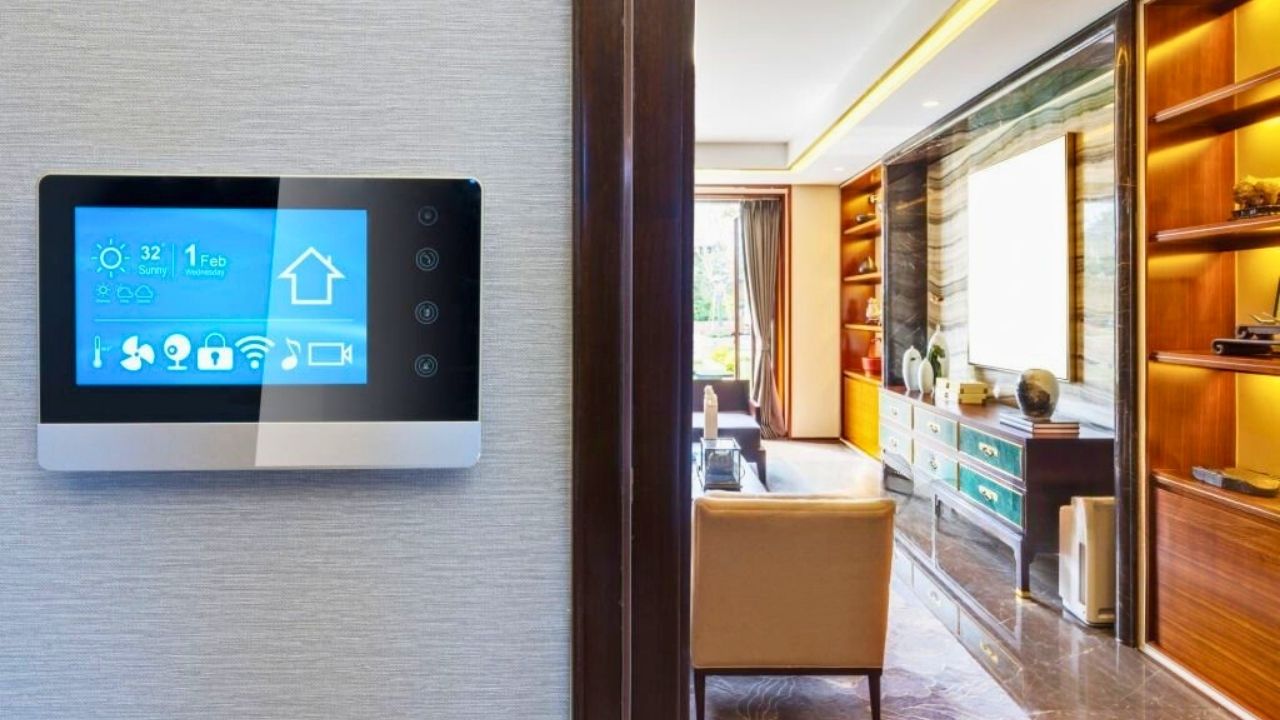
The most immediate comfort upgrade you can make is to replace a basic wall thermostat with a smart model that actually learns how you live. Instead of reacting only when temperatures drift, a connected thermostat anticipates your schedule, preheats or precools rooms, and keeps conditions steady so you are not bouncing between too hot and too cold. Reporting on smart thermostats describes this as a “brain upgrade” that lets your existing equipment deliver comfort where you actually live, rather than treating the whole house as one uniform box.
That intelligence matters because many Traditional furnaces and heat pumps struggle to maintain consistent warmth when they are controlled by simple on off thermostats. A smart control can stage heating and cooling more gently, run the fan to even out temperatures between cycles, and use geofencing through apps like Google Home or Ecobee to avoid conditioning an empty house. Some systems, as highlighted in 2025 innovation rundowns, show that Smart thermostats can cut energy use by up to 47% through intelligent temperature management, which means you are not just more comfortable, you are also paying less for the same or better result.
Zoned HVAC: comfort where you need it, not where you do not
Once the “brain” is smarter, the next leap is to stop treating your entire home as a single zone. Zoning divides your house into separate areas, each with its own thermostat and motorized dampers in the ductwork, so you can keep bedrooms cooler at night, warm a home office during the day, or ease off in rarely used spaces. Guides on Why Zoned HVAC Systems Are Growing in Popularity explain that a true two zone or dual zone setup lets you tailor comfort to how you actually use your home instead of chasing a single thermostat reading in a hallway.
Cost is often the sticking point, which is why you should look closely at the numbers before assuming zoning is out of reach. National cost data on How Much Does an HVAC Zoning System Cost show that a new system typically runs between $1,100 and $10,600, with a two zone configuration often falling in the middle of that range and more complex multi zone projects climbing higher. Other breakdowns of How Much Does a Zoned HVAC System Cost note that you might add a two zone control panel and dampers for a few thousand dollars, then pay about $500 for each additional zone, which is still far less than replacing a functioning furnace and air conditioner just to chase better comfort.
Smarter distribution: ductwork, sealing, and insulation that actually deliver
Even the best thermostat and zoning plan will disappoint if your ductwork leaks or your attic bleeds conditioned air into the sky. You feel that as rooms that never quite match the thermostat, noisy vents, or dust streaks along duct joints. Experts who walk through the Here list of the best HVAC upgrades emphasize that effective duct sealing and insulation can be as transformative as new equipment, because it finally delivers the air you are already paying to heat or cool.
Beyond ducts, your building shell plays a quiet but decisive role in how comfortable your home feels from room to room. Guidance on Energy efficient home upgrades expected to trend in 2026 highlights advanced home insulation, especially attic and crawlspace insulation upgrades, as a key way to stabilize indoor temperatures and reduce drafts. Another analysis on Upgrading your insulation notes that better coverage can greatly improve indoor comfort immediately while lowering your energy bills by reducing the amount of time your HVAC systems runs, which means your existing equipment suddenly feels more powerful without any mechanical change at all.
Indoor air quality: the comfort factor you feel but cannot see
Temperature is only part of comfort. Stale air, lingering odors, and invisible pollutants can make a room feel oppressive even when the thermostat looks perfect. Research on Effective HVAC strategies to improve indoor air quality, based in part on a poll of homeowner concerns, points out that regular maintenance, better filtration, and targeted add ons can dramatically reduce dust, allergens, and volatile organic compounds that irritate your lungs and sinuses.
Newer technologies are pushing this further by integrating purification directly into your HVAC system. Coverage of Dec indoor air quality innovations notes that UV light purification systems can target harmful pollutants at the coil, while incorporating HEPA filters into your ductwork captures fine particles before they circulate through your living spaces. For homeowners who want a predictable path into this kind of equipment, the IAQ Service Experts Advantage Program for Indoor Air Quality offers whole house humidifiers, dehumidifiers, and air cleaners with no up front costs, bundling installation, filters, and labor for future service into a single membership style payment that can make a major comfort upgrade easier to budget.
Filtration, ventilation, and the quiet power of cleaner air
Before you jump to advanced gadgets, you can often get a noticeable comfort boost by simply upgrading the filter and ventilation strategy you already have. A guide on Ways You Can Improve Indoor Air Quality Using Your HVAC System starts with the straightforward step to Upgrade Your HVAC Filters, recommending higher quality media that capture more particles without choking airflow. The same resource explains how an Energy Recovery Ventilator, or ERV, can bring in fresh outdoor air while transferring heat and humidity, so you are not forced to choose between comfort and ventilation.
Filtration technology itself is evolving quickly. A look at Technologies Gaining Ground in HVAC points to High MERV Filtration, where Filters with higher ratings such as MERV 13 and up capture more fine particles, including some bacteria and smoke, than the thin fiberglass pads many systems still use. When you pair that with Regular Mainten practices like coil cleaning and duct inspections, which the indoor air quality poll research also stresses, you reduce the dust load in your home, ease allergy symptoms, and make each room feel fresher without touching the core heating or cooling equipment.
Smart HVAC trends: why controls matter more than new hardware
Across the industry, the most important comfort story heading into 2026 is not a new furnace model, it is the rise of connected controls that squeeze more performance out of what you already own. Overviews of Smart HVAC trends describe systems that automatically adjust based on occupancy, weather, and air quality sensors, sending real time alerts if something drifts out of range. That kind of automation keeps temperatures more stable and gives you early warning of issues like a failing blower motor or clogged filter, which can otherwise erode comfort slowly over time.
These trends line up with broader energy efficiency goals that focus on retrofitting rather than ripping out. A guide to Common Retrofit Measures That Deliver Compliance and Savings recommends that you Assess system age and refrigerant, then prioritize air distribution improvements, controls upgrades, and commissioning to hit rated performance. In practice, that means a technician might install a smart thermostat, balance your ducts, and fine tune refrigerant charge so your existing heat pump or air conditioner finally operates at its design efficiency, often delivering a comfort upgrade that feels like new equipment without the replacement cost.
When to keep your existing equipment and upgrade around it
The key question for many homeowners is whether their current furnace or heat pump is still worth building around. Regional guidance on Top Energy Efficient HVAC Options for Your Home notes that, in most cases, you can keep your existing system if it is still in good shape and instead focus on High Efficiency Heat Pumps or other add ons when the time for replacement eventually comes. The same resource points out that High Efficiency Heat Pumps, once considered suitable only for milder climates, are now viable in colder regions, which means you can plan a phased path where you first optimize controls and distribution, then swap in better equipment later.
Until that replacement day arrives, you can still align your home with the comfort expectations of newer systems. Lists of the best HVAC upgrades emphasize that smart thermostats, duct sealing, insulation, and indoor air quality improvements all work with older furnaces and air conditioners as long as they are structurally sound. When you combine those steps with the zoning cost data that shows you can often add a two zone system for far less than a full replacement, you end up with a strategy that respects your budget while still delivering a noticeable jump in comfort and control.
Budgeting and phasing: how to stack upgrades for maximum impact
Because each of these improvements carries its own price tag, the smartest move is to phase them in a way that delivers quick wins first. Cost breakdowns for HVAC Zoning System Cost Data show that a full multi zone project can climb toward the top of the $1,100 to $10,600 range when you add several rooms at once, but you can often start with a two zone layout that targets the most problematic areas. Pair that with a smart thermostat and basic duct sealing, and you have a first phase that tackles both control and distribution without committing to every possible upgrade at once.
From there, you can layer in insulation, filtration, and indoor air quality enhancements as your budget allows. The 2026 outlook on Rising Energy Cos and advanced home insulation makes a strong case for prioritizing attic and crawlspace work, since those upgrades cut both heating and cooling loads. When you then add targeted IAQ solutions through programs like the Indoor Air Quality Service Experts Advantage Program, which spreads costs over time, you end up with a layered comfort plan that steadily improves how your home feels without ever requiring a single, disruptive system swap.
Putting it all together: a smarter path to whole home comfort
When you step back from the individual components, a clear pattern emerges. The fastest way to improve comfort without replacing your whole system is to upgrade how your HVAC thinks, how it distributes air, and how it manages the quality of that air. Smart thermostats, zoning, duct improvements, and better filtration all work together to solve the everyday frustrations that make a home feel uneven, stuffy, or hard to control, and they do it by enhancing the equipment you already own rather than discarding it.
Industry trend reports on Dec smart HVAC adoption and the broader push for retrofits over replacements confirm that this incremental approach is not a stopgap, it is the new normal. As you Assess your own home, from insulation levels to thermostat behavior, you can use the same logic that underpins professional retrofit guides, focusing first on controls and distribution, then on envelope and air quality, and finally on equipment when it truly reaches the end of its life. The result is a home that feels more comfortable, more responsive, and more efficient long before you ever sign off on a full system replacement.
Like Fix It Homestead’s content? Be sure to follow us.
Here’s more from us:
- I made Joanna Gaines’s Friendsgiving casserole and here is what I would keep
- Pump Shotguns That Jam the Moment You Actually Need Them
- The First 5 Things Guests Notice About Your Living Room at Christmas
- What Caliber Works Best for Groundhogs, Armadillos, and Other Digging Pests?
- Rifles worth keeping by the back door on any rural property
*This article was developed with AI-powered tools and has been carefully reviewed by our editors.