The HVAC upgrade that improves comfort fast without replacing your whole system
When your home never quite feels the right temperature, it is easy to assume you are stuck with an expensive full system replacement. In reality, the fastest comfort upgrade often comes from smarter controls and targeted add‑ons that work with the equipment you already have. By focusing on strategic HVAC retrofits instead of a complete overhaul, you can tighten comfort, cut waste, and extend the life of your system with far less disruption.
The most effective moves right now center on smart thermostats, zoning, and a handful of behind‑the‑scenes improvements that tune how your existing furnace, air conditioner, or heat pump actually runs. Taken together, these upgrades can deliver a noticeable difference in how your home feels in a matter of days, not months, while positioning you for better efficiency and lower bills over the long term.
Smart thermostats: the brain upgrade your system is missing
The single quickest way to feel more comfortable without touching your indoor or outdoor units is to upgrade the “brain” that controls them. Modern smart thermostats learn your patterns, adjust temperatures automatically, and coordinate heating and cooling so your home feels more even from morning to night. Reporting on How Smart Thermostats shows how these devices are reshaping energy use by fine‑tuning run times and reducing waste while still prioritizing comfort.
What makes this upgrade so powerful is how many comfort problems it can solve at once. Features like geofencing, adaptive schedules, and humidity integration help your system anticipate when you are home, when you are asleep, and when the weather is about to swing. A breakdown of Smart thermostat capabilities highlights comfort and convenience tools such as room sensors that even out hot and cold spots, while guidance on Are Smart Thermostats Worth the Investment underscores that models from brands like Nest, Ecobee, and Honeywell now bundle advanced automation with clear energy savings.
HVAC zoning: targeted comfort where you actually live
If your upstairs bakes while the basement feels like a walk‑in cooler, the problem is not necessarily your equipment size, it is how the air is distributed. Zoning divides your home into separate areas with independent controls so you can send more heating or cooling where you need it and less where you do not. A cost breakdown on How Much Does an HVAC Zoning System Cost, using 2025 Data, notes that a new zoning setup typically runs between $1,100 and higher depending on complexity, a fraction of what you would spend on a full system replacement.
For many homes, the sweet spot is a retrofit zoning system that works with your existing ductwork and equipment. A guide on how to upgrade your comfort with a multi‑zone HVAC retrofit describes how a multi‑zone HVAC layout can be added to your current system so you can start enjoying the benefits almost immediately, while another report on Win By Utilizing HVAC Zoning With existing equipment emphasizes that zoning can dramatically improve comfort without disruptive construction or tearing out your ducts.
Retrofitting instead of replacing: how to modernize what you already own
Behind the thermostat and zoning controls, there is a broader strategy that lets you squeeze more comfort and efficiency out of older systems: retrofitting. Rather than ripping everything out, you selectively upgrade components so your current furnace, air conditioner, or heat pump performs closer to modern standards. A detailed explanation of What HVAC Retrofitting is notes that HVAC retrofitting refers to upgrading parts of your existing system to improve efficiency and overall functionality without completely replacing it.
That can mean smarter valves, better controls, or fresh air strategies that let your system work less hard for the same comfort. A technical overview that lists Examples of retrofit options points to upgrades like energy valves and air economizers that can be added to an existing HVAC system without purchasing a new unit, while another analysis of retrofitting in light of 2025 energy standards notes that this approach can bridge the gap between older homes and new regulations, delivering both comfort and compliance without the full cost of a new install.
Small upgrades that feel big: filters, ductwork, and smart HVAC ecosystems
Some of the most underrated comfort upgrades are also the least glamorous. Airflow and cleanliness inside your system have a direct impact on how evenly and quietly it heats and cools. Official guidance on how to Take steps to heat and cool efficiently stresses simple habits like Change your air filter regularly and Check it monthly during heavy use, while a central air overview on New Central Air System and What you should Know Before Upgrading explains that changing or cleaning your air filter and keeping coils clean prevents restricted airflow and poor heat release that can leave rooms stuffy or uneven.
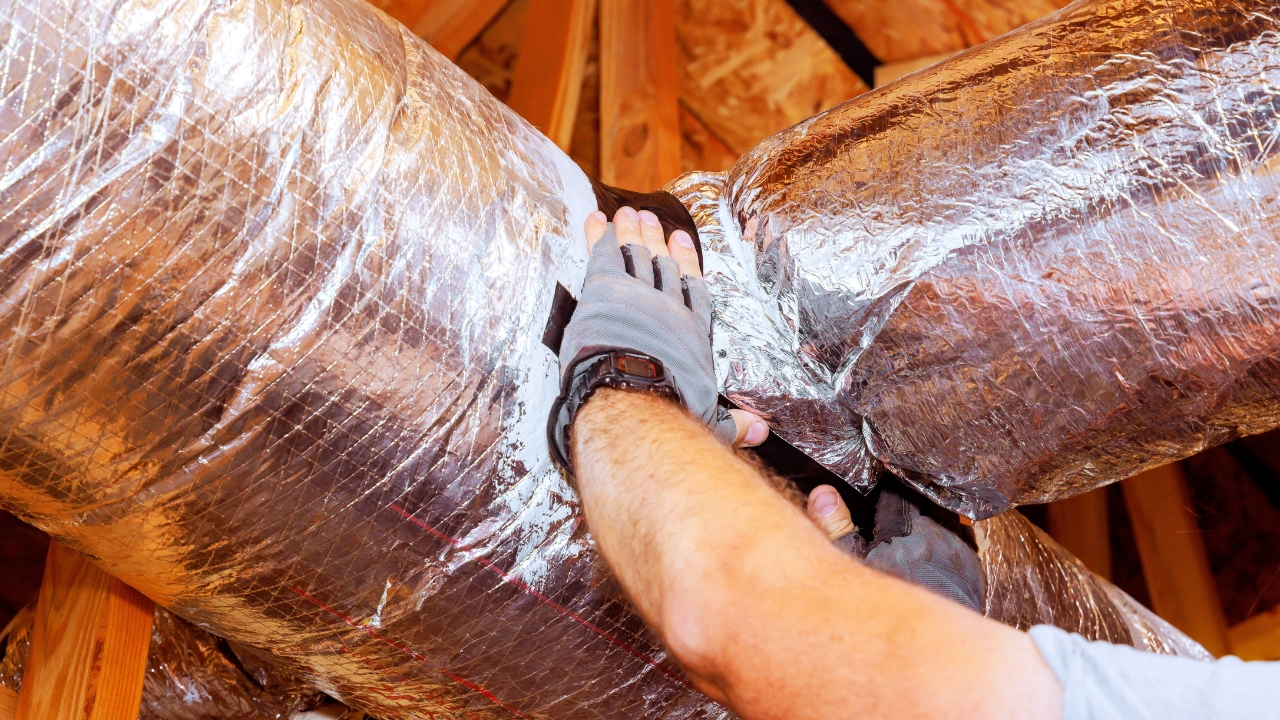
Beyond maintenance, a few targeted hardware upgrades can quickly sharpen comfort. A guide to Here are the best HVAC upgrades highlights how effective duct sealing and insulation reduce leaks and temperature loss, while recommendations in New Year, New HVAC Upgrades to Consider for 2025 point to Premium High MERV filters as a way to capture more pollutants without sacrificing airflow when properly sized. When you combine these basics with a connected control layer, you start to build a true smart HVAC ecosystem, a direction reinforced by guidance on Why Smart HVAC is the Best Upgrade for 2025, which argues that Smart HVAC technology is transforming home comfort by making heating and cooling more responsive and more energy efficient.
Planning your next move: pairing comfort gains with long‑term efficiency
Once you have addressed controls, zoning, and basic airflow, the next step is to think about how each upgrade fits into your longer‑term plan for the house. A comprehensive look at Why HVAC System Upgrades Are Essential for Modern Homes notes that HVAC improvements can transform comfort and slash energy bills, and it highlights options like Heat Pump Installation that provide both heating and cooling from a single unit while maintaining energy efficiency. At the same time, a technology roundup on Top HVAC Innovations You Should Know shows how Smart controls, advanced compressors, and new refrigerants are redefining what “comfortable” and “efficient” look like in 2025.
Even if you are not ready for a new system, you can still align your quick comfort fixes with where the industry is headed. A forward‑looking guide to the Forward innovations in HVAC equipment notes that upgrades are redefining comfort, efficiency, and sustainability with variable‑speed systems, advanced indoor air quality solutions, and demand‑driven controls, while a review of the latest Smart Thermostats emphasizes intelligent climate control that can analyze your usage and identify opportunities to save energy. For commercial and mixed‑use spaces, a decarbonization guide that starts with the phrase Instead of buying a new system, you could consider retrofitting your existing HVAC system, underscores that replacing old parts with more efficient components can cut greenhouse gas emissions without having to invest in new equipment, a logic that applies just as well to homeowners looking to feel better indoors without starting from scratch.
Like Fix It Homestead’s content? Be sure to follow us.
- Man Says He Found Out the Fence He Paid For Wasn’t Actually on His Property
- Woman Says Her Neighbor Started Taking Mulch From Her Delivery Pile Before She Could Even Spread It
- I made Joanna Gaines’s Friendsgiving casserole and here is what I would keep
- What Caliber Works Best for Groundhogs, Armadillos, and Other Digging Pests?
*This article was developed with AI-powered tools and has been carefully reviewed by our editors.