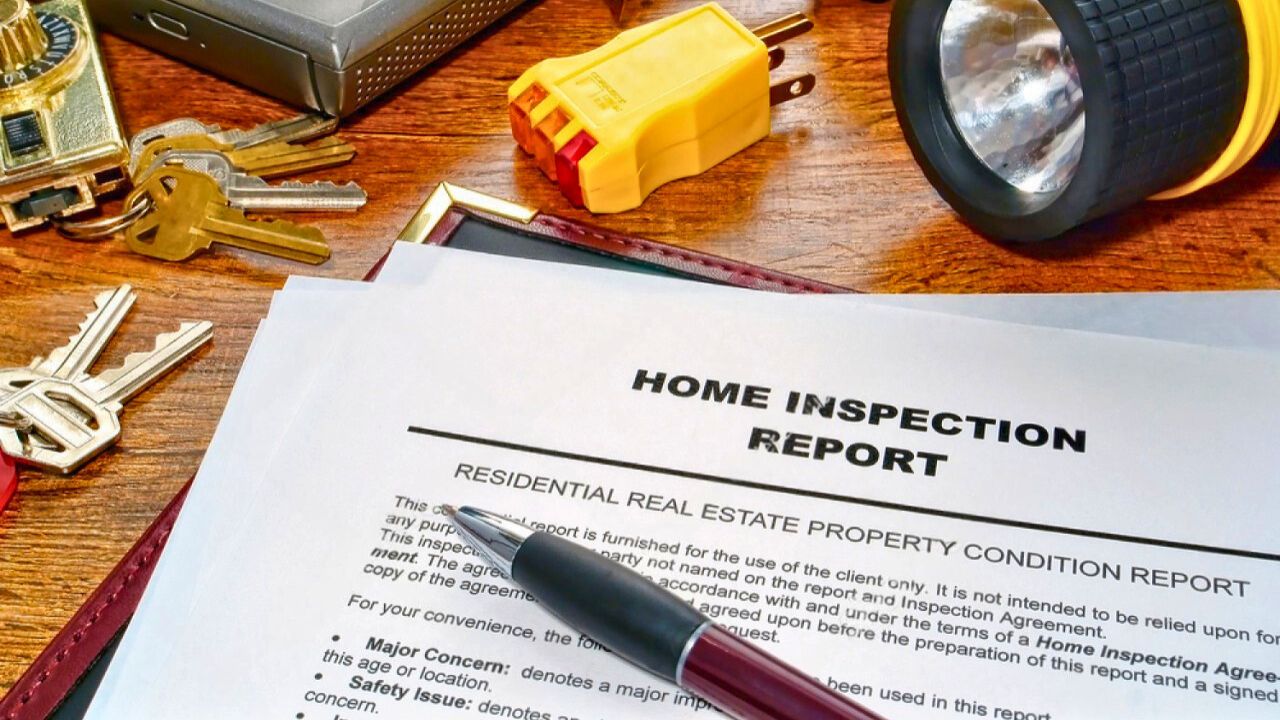
The inspection note buyers misunderstand the most
When you buy a home, the inspection report can feel like a verdict on your future, yet the note buyers misread most is not a dramatic defect at all. It is the quiet, technical language that explains what the inspection is and is not, and how you should actually use the findings. If you treat that document as a simple pass or fail grade, you risk walking away from a solid house or clinging to a bad one for the wrong reasons.
The most successful buyers approach the inspection report as a decision tool, not a scorecard. You are not trying to “win” the inspection, you are trying to understand a property well enough to decide whether the price, the condition, and your risk tolerance line up.
The real purpose of an inspection report
The core misunderstanding starts with purpose. You are not hiring an inspector to bless the home or condemn it, you are hiring a trained generalist to document what is visible and accessible on a specific day. That report is meant to give you awareness of conditions, patterns, and potential risks so you can decide whether to proceed, renegotiate, or walk away, not to guarantee a perfect house.
Professionals like Jan emphasize that inspection reports are among the most misunderstood steps in a real estate transaction because Inspectors are legally required to document everything they can reasonably observe, even if it is minor. That legal duty to record issues, from a loose doorknob to a rusted water heater, is why the report reads like a long list of problems. It is not a prediction that the home will fail you, it is a snapshot of what exists so you can make an informed choice.
What a home inspection is, and what it is not
To read the report correctly, you need a clear mental model of the inspection itself. A standard home inspection is a limited, non-invasive visual review of major systems and components. The inspector is not opening walls, moving heavy furniture, or testing every outlet behind a bookshelf. You are paying for a broad, systematic look at the structure, roof, electrical, plumbing, HVAC, and safety items, not a forensic investigation.
Jan and other pros explain that a Home Inspection Is a tool for Buying clarity, not a warranty or insurance policy. It is also not a code compliance check or a guarantee that every future problem will be caught. When you remember that the inspector is working within these limits, the report stops looking like a promise and starts looking like what it really is: a professional opinion based on conditions visible on that particular day.
Why the report is not a pass or fail test
The inspection note buyers misinterpret most is the idea that the home either “passes” or “fails.” In reality, there is no universal grading scale. The report lists observations, sometimes with severity ratings or safety flags, but you decide what is acceptable based on your budget, your plans for the property, and your tolerance for projects. A 30-year-old roof might be a deal breaker for you and a manageable upgrade for someone else.
Jan has put it plainly in a short video, saying, “Let’s talk inspections, because most people misunderstand what they are actually for,” and stressing that a home inspection is not a pass or fail test but a tool for decision making, not fear. When you read the report as a menu of information instead of a verdict, you can separate cosmetic annoyances from structural concerns and focus your negotiations on what truly matters.
The myth that every item is urgent and expensive
Once you accept that there is no pass or fail, the next trap is assuming every line item is a crisis. Inspection software often prints issues in the same font and format, so a missing outlet cover can sit right next to a foundation crack and look equally serious on the page. If you skim the report without context, it is easy to feel like the house is falling apart.
Inspectors who write about buyer behavior note that Another major misconception is the idea that every problem mentioned is important, urgent, or expensive. By design, home inspection reports are comprehensive, capturing small maintenance items alongside hidden problems of the house. Your job is to triage: which items are safety related, which affect the structure or water management, which are aging systems that will need replacement soon, and which are simply part of owning any lived-in property.
“Failing” an inspection in the real world
Because the report feels so formal, you might assume that if the inspector finds serious issues, the home has “failed” and the deal is automatically dead. In practice, what happens next is driven by your contract and your negotiations, not by a red stamp on the report. You and the seller can agree to repairs, credits, price reductions, or, if the gap is too large, a mutual release.
Agents who work in competitive markets like Orange County explain that buyers often ask what happens if a home fails inspection, even though there is no official failing grade. In places like Ladera Ranch, CA, professionals remind clients that the inspection is one of the most important and misunderstood steps, and that a tough report simply triggers a conversation about what happens next. When you understand that, you can use the report to open a negotiation instead of treating it as a final judgment.
Inspection versus appraisal, and why the confusion matters
Another note that trips up buyers is the difference between the inspection report and the appraisal. The inspection is for you, focused on condition and safety. The appraisal is for the lender, focused on value and collateral. When you blur those roles, you might expect the inspector to protect the bank or the appraiser to find hidden defects, and both expectations will leave you frustrated.
Real estate educators like Jan and colleagues in Fairfield County have called this one of the most common mix-ups they see from buyers and sellers, describing inspection and appraisal as two different lenses that are both critical for a deal that actually holds together. They remind clients that the appraisal is for the lender to confirm the price makes sense, while the inspection is for you to confirm the house itself makes sense, a distinction highlighted in Real Estate Insight. Keeping those roles straight helps you read each report for what it is actually designed to tell you.
The “guarantee” myth and the limits of certainty
Even when you understand the roles, it is tempting to treat a clean inspection report as a guarantee that nothing will go wrong. That is not how houses, or inspections, work. Systems can fail the day after closing, hidden defects can sit behind drywall, and a storm can expose weaknesses that were not visible on a sunny afternoon. The report reduces uncertainty, it does not erase it.
Consumer-focused explainers have spent years debunking the idea that an inspection is a guarantee, listing it as Myth number one among common misconceptions. They stress that an inspector is offering a professional opinion, not a promise that the roof will last ten more years or that the sewer line will never back up, a point underscored in coverage of inspection myths. When you read the report with that in mind, you can appreciate its value as risk reduction without expecting impossible certainty.
What “as-is” really changes about your inspection rights
Few phrases spook buyers more than “as-is,” and it often shows up in the inspection clause or listing notes. Many people assume that “as-is” means you should not bother with an inspection at all, or that you lose the right to walk away if the report is ugly. In reality, “as-is” usually means the seller is signaling they will not do repairs, not that you must accept any condition at any price.
Agents who coach buyers through this language explain that What “As-Is” Really Means in a Home Sale is that you still have the right to inspect and to cancel if the findings are unacceptable, but you should set realistic expectations instead of assumptions about what the seller will fix. They warn that Many buyers assume “as-is” blocks them from negotiating or even from hiring an inspector, a misunderstanding that can be corrected by reading the contract carefully and by listening to professionals who break down what as-is actually covers.
How to use the report as a negotiation roadmap
Once you have the report in hand, the most productive move is to treat it as a roadmap for negotiation rather than a list of demands. Start by grouping issues into safety hazards, major systems, water intrusion, and routine maintenance. Focus your requests on the first three categories and be prepared to absorb the small stuff yourself. That approach keeps the conversation anchored to genuine risk instead of cosmetic preferences.
Seasoned negotiators remind buyers and sellers that Everything is negotiable, but Not every issue is worth fighting over. They emphasize that Number one, inspections are for major issues that affect safety, structure, or livability, and that Here is the real truth: if you try to weaponize every minor defect, you are more likely to blow up the deal than to improve your position, a reality highlighted in advice that frames inspection negotiations as a balancing act. When you use the report to prioritize instead of to punish, you give yourself the best chance of reaching terms that feel fair on both sides.
Reframing the inspection as awareness, not doom and gloom
Underneath all these specific misunderstandings is a broader emotional one: many buyers treat the inspection as a moment of doom and gloom instead of a chance to gain clarity. That mindset makes every defect feel like a personal attack on your dream, and it can push you into either denial or panic. A calmer frame is to see the report as a flashlight in a dark basement, revealing what was always there so you can decide whether to stay or leave.
Educators who post daily tips about the process say the home inspection phase has become widely misunderstood, with some people expecting perfection and others bracing for disaster. They argue that home inspections could be the most empowering part of the transaction if you remember that the goal is awareness, not certainty, a point echoed in guidance that describes home inspections as a chance to learn what you need to know about a property. Professionals like Michelle A. DeLisser, a REALTOR and Certified Relocation Professional, and colleagues who share Real Estate Insight on platforms like LinkedIn, reinforce that message: the inspection is about equipping you with information so you can move forward with eyes open, not about delivering a perfect house that does not exist.
Like Fix It Homestead’s content? Be sure to follow us.
Here’s more from us:
- I made Joanna Gaines’s Friendsgiving casserole and here is what I would keep
- Pump Shotguns That Jam the Moment You Actually Need Them
- The First 5 Things Guests Notice About Your Living Room at Christmas
- What Caliber Works Best for Groundhogs, Armadillos, and Other Digging Pests?
- Rifles worth keeping by the back door on any rural property
*This article was developed with AI-powered tools and has been carefully reviewed by our editors.