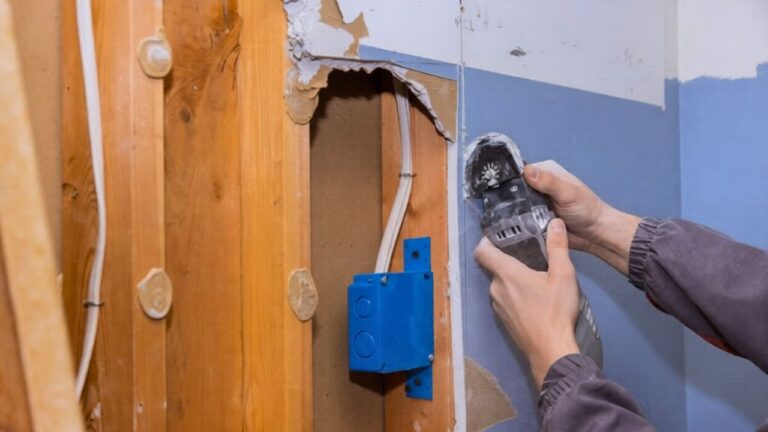
The insurance call you should make before you start ripping things out
Before you swing a sledgehammer or pry up a single floorboard, the most important step in your renovation is not at the hardware store. It is a phone call to your insurer to make sure the coverage that protects your biggest asset will still work once the dust starts to fly. If you skip that call, you risk paying out of pocket for damage, injuries, or even a total loss that your policy could have covered if you had updated it in time.
Handled correctly, that conversation can do more than prevent disaster. It can help you line up the right mix of homeowners, renovation, and liability protection so your project, your budget, and your future home value are all on the same page. The goal is simple: you want your insurance to keep pace with the home you are actually living in, not a past version of it.
Why your first renovation step is a call, not a crowbar
When you plan a remodel, you probably focus on design boards, contractor bids, and timelines, but your insurance company is just as central to the project as your general contractor. A major upgrade changes the cost to rebuild your home, the risks on site, and even who is legally responsible if something goes wrong, which is why industry guidance stresses that you should notify your insurer before work begins so your coverage can be adjusted to match the new reality. If you wait until after a loss to mention that new addition or gut renovation, you may find that your policy limits or terms no longer fit the home you actually own.
Consumer advice notes that, ideally, you should contact your insurer as soon as you have a concrete plan, whether that is through your agent or a customer service line, so you can walk through the scope of work, the budget, and who will be doing the labor. That early call gives your carrier a chance to explain how the project might affect your premiums, what documentation they will need, and whether you should consider specialized options like renovation or builder’s risk coverage. As one financial guide puts it, you should reach out to your insurer before you sign contracts so you are not trying to retrofit protection after the fact, and you can find that guidance in resources such as planning advice.
How renovations reshape what your homeowners policy is really covering
Every significant upgrade you make, from a kitchen overhaul to a new primary suite, changes the math behind your homeowners policy. Insurers base dwelling coverage on what it would cost to rebuild your home with similar materials and finishes, so when you trade laminate for stone or add square footage, the replacement cost climbs and your existing limits may no longer be enough. Industry groups warn that if you do not update those limits after a remodel, you could be underinsured if a fire or storm destroys the improved space, because the policy was priced for the old version of your house rather than the new one.
That is why insurance experts urge you to talk through your renovation budget and plans with your agent, who can help recalculate the appropriate dwelling limit and, if needed, adjust other protections like personal property and additional structures. Guidance from national insurers explains that a renovation can also affect how certain perils are handled, and that you may need endorsements or higher limits for features like custom cabinetry or high end appliances. You can see this spelled out in resources that walk through renovation coverage and in consumer education that highlights how home improvements change more than just aesthetics.
The hidden risks of not telling your insurer what you are tearing out
Failing to disclose a remodel is not a harmless oversight, it can directly affect whether a claim is paid and whether your policy stays in force. Some agencies caution that if you do not tell your insurance company about a major project, the carrier may treat that as a material misrepresentation, which can justify denying a claim or even canceling the policy entirely if a loss occurs during or after the work. One advisory aimed at homeowners spells it out bluntly: not telling your insurer about a remodel can give the company grounds to refuse coverage or to cancel the contract, because the risk they agreed to insure is no longer the one that exists.
There is also a subtler risk that lingers long after the last contractor leaves. If you complete a significant upgrade but never update your policy, your coverage is still calibrated to a past version of your home, which means you could be carrying limits that fall far short of what it would now cost to rebuild. Guidance from independent agents notes that home upgrades change more than your lifestyle, they change the underlying risk profile and value, and if your policy is still written for the pre renovation structure, you may be left with a large gap between the claim check and the actual reconstruction bill. These warnings are echoed in resources that explain why you should notify your insurer and how unreported changes can leave you insuring a home you no longer live in.
DIY versus contractor jobs: why the insurance math changes
Who swings the hammer matters just as much as what you are building. If you are tackling a do it yourself project, your insurer will focus on your personal liability and whether your existing homeowners policy is designed to handle the extra risk of you working with power tools, ladders, and structural elements. Consumer guidance for DIYers stresses that standard home insurance is built to cover damage from unexpected events like fire or wind, not from mistakes you make while remodeling, so you should review your policy before you begin and understand where the line is between covered accidents and uncovered workmanship issues.
When you hire a contractor, the conversation shifts to their insurance and how it interacts with yours. Renovation specialists advise you to verify that any contractor you bring on has active general liability and workers compensation coverage, and to ask for certificates that list your project, because that coverage is meant to respond first if a worker is injured or causes damage. Some insurers, including digital carriers that focus on home policies, outline checklists for how to prepare before renovations, urging you to confirm that contractors carry adequate limits and to clarify who is responsible for materials stored on site. You can find that kind of guidance in resources on remodel considerations and in DIY focused advice that encourages you to review your policy before you start cutting into walls.
What your standard homeowners policy usually does, and does not, cover during a remodel
Your existing homeowners policy is still the backbone of your protection during a renovation, but it has clear boundaries. Industry explanations note that a typical HO 3 policy covers many perils such as fire, wind, and theft, which means if a covered event damages your home while it is under construction, you can still file a claim, subject to your deductible and limits. However, that same policy usually does not cover poor workmanship, faulty design, or normal wear and tear, so if a wall cracks because it was not framed correctly or a leak starts due to an improperly installed pipe, you may be on your own unless the contractor’s insurance responds.
Some carriers also point out that certain types of projects, especially those that leave parts of the home unoccupied or open to the elements, can trigger special conditions or exclusions if you do not notify them in advance. That is why they encourage you to talk through the details of your plan, including whether you will be living elsewhere during the work, so they can confirm how your coverage will apply and whether you need temporary adjustments. Detailed consumer resources walk through questions like whether homeowners insurance covers renovations and how a project can impact the new value of your home, while DIY guides remind you that standard policies are built around sudden, accidental damage, not construction errors.
When you may need extra protection like builder’s risk or demo coverage
For larger or riskier projects, your insurer may recommend specialized coverage that sits alongside your homeowners policy. One common option is builder’s risk insurance, which is designed to cover a structure while it is being built or significantly renovated, including materials and fixtures that have not yet been installed. Guidance from mortgage and insurance providers explains that if you update your bathroom or kitchen with high end finishes, or if you are adding a major extension, you may be advised to purchase a separate policy called builder’s risk coverage to protect the work in progress and the increased value.
Demolition is another area where standard homeowners insurance may not be enough. Resources aimed at HOA members and individual owners note that while a typical HO 3 policy covers many perils, it does not usually cover intentional demolition work itself, and you may not want demo to be covered under your main policy because of the potential impact on premiums and claims history. Instead, some projects call for dedicated demolition insurance that can respond if something goes wrong while you are tearing out walls or removing structures, and you may need to provide details about the scope of demo and the contractors involved. These nuances are laid out in explanations of how to get demo insurance and in renovation insurance guides that describe when builder’s risk becomes necessary.
How to prepare for that insurance call so you get useful answers
Walking into the conversation with your insurer prepared will make it far more productive. Before you dial, gather key details about your project: the start and expected end dates, a written scope of work, the total budget, and whether you will be living in the home throughout the renovation. DIY focused resources recommend reviewing your current policy first so you understand your existing deductibles, limits, and exclusions, and then documenting your home’s pre renovation condition with photos or video, which can be invaluable if you later need to show what changed and when.
Once you are on the phone, treat the call like a planning meeting rather than a quick notification. Ask how the renovation might affect your dwelling coverage, whether your personal property limits are still appropriate, and if your liability coverage should be increased while workers are on site. Some insurers provide checklists on how to prepare before renovations, advising you to confirm that contractors have their own insurance and to ask whether you need endorsements or temporary policies for the project. You can see this approach in materials that explain how to prepare before renovations, in DIY remodeling tips that emphasize documenting your project, and in video explainers that walk homeowners through what they need to know about insurance before they start a renovation.
Premiums, discounts, and how upgrades can change your long term costs
Renovations do not just change your coverage needs, they can also move your premiums up or down over time. On the cost side, adding square footage, finishing a basement, or installing luxury finishes can increase the replacement cost of your home, which usually means higher dwelling limits and, in turn, higher premiums. Insurance educators explain that when you complete a major remodel, you should work with your insurer to evaluate your coverages and needs so your policy reflects the new value of your home, even if that means paying more to avoid being underinsured.
Practical steps to keep your coverage aligned from demo day to final inspection
A quick checklist before you start ripping things out
Like Fix It Homestead’s content? Be sure to follow us.
Here’s more from us:
- I made Joanna Gaines’s Friendsgiving casserole and here is what I would keep
- Pump Shotguns That Jam the Moment You Actually Need Them
- The First 5 Things Guests Notice About Your Living Room at Christmas
- What Caliber Works Best for Groundhogs, Armadillos, and Other Digging Pests?
- Rifles worth keeping by the back door on any rural property
*This article was developed with AI-powered tools and has been carefully reviewed by our editors.