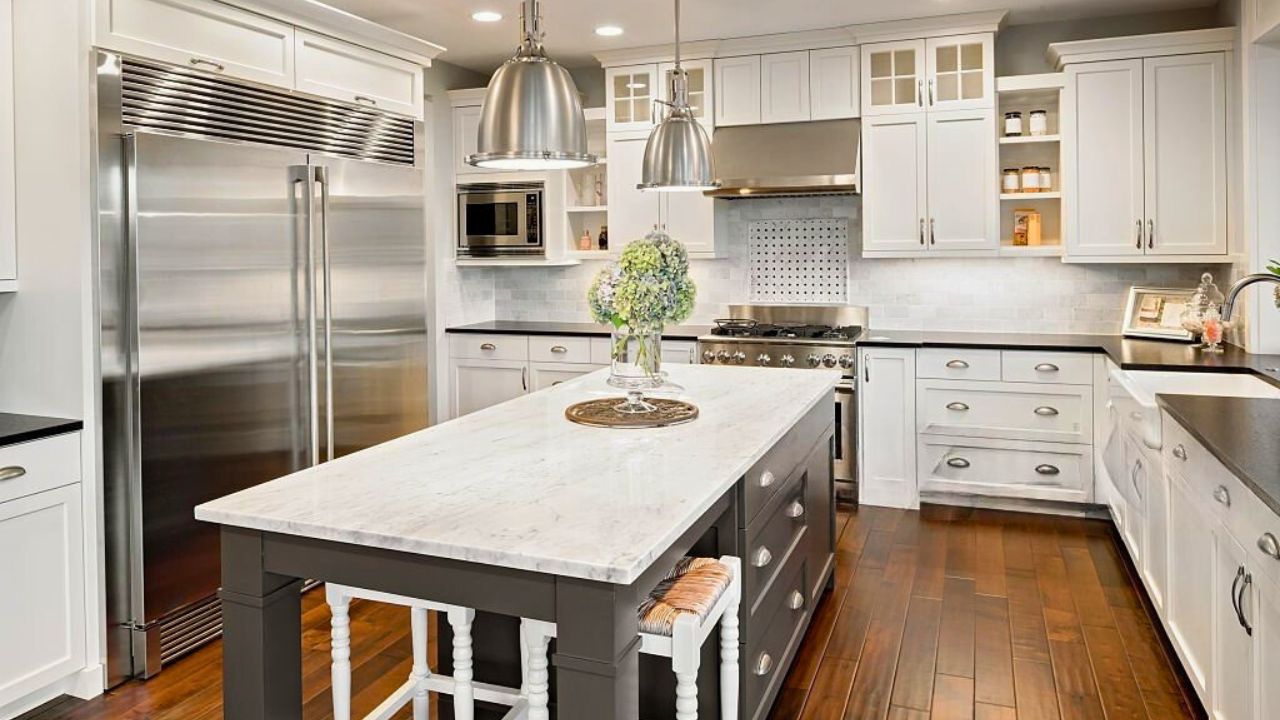
The kitchen feature people keep paying for, even when they’re cutting costs elsewhere
Even as you trim square footage, skip custom cabinets, or postpone new flooring, there is one kitchen upgrade that keeps surviving the budget cuts: the island. Across remodels large and small, homeowners are still carving out space and money for a central work surface that doubles as a social hub. The island has quietly become the feature you are least willing to sacrifice, even when everything else is up for debate.
That instinct is not just aesthetic, it is strategic. A well planned island concentrates storage, seating, and smart technology in one place, which lets you scale back in other parts of the room without feeling deprived. When you understand how designers are reshaping islands for 2025, you can protect the part of the project that delivers the most daily value while staying realistic about cost.
The island as the new dining room
You are not imagining it if every remodel you see seems to revolve around a bigger, more commanding island. As formal dining rooms fade from everyday use, many homeowners are folding that square footage into the kitchen and letting the island take over as the main gathering spot. Trends toward Larger Kitchens Borrow Space From Dining Rooms show how often you are reclaiming underused rooms to expand cooking and seating zones instead of building additions.
Even if you keep your overall footprint modest, you are likely to prioritize a generous island over a separate table because it works harder. It can host breakfast before school, laptop work in the afternoon, and a casual dinner at night without needing a second piece of furniture. When 64% of homeowners keep their kitchen about the same size as the original layout, the island becomes the pressure valve that makes that decision livable, concentrating prep space and seating in one efficient block rather than scattering functions around the room.
Why you protect the island when budgets tighten
When you start cutting line items, you probably look first at decorative upgrades, specialty appliances, or moving walls, not the island. That is because the island touches almost every part of your daily routine, from unloading groceries to serving snacks, so losing it would feel like a downgrade in how you live, not just how the room looks. In a tight budget scenario, you might accept stock cabinets or a simpler backsplash, but you will still fight to keep a solid slab of counter where you can spread out.
Return on investment also plays into that instinct. Guides focused on Kitchen Trends, ROI, Cost, Effective Upgrades consistently frame multi use work zones as high value improvements because they improve both function and resale appeal. An island that adds storage, seating, and a clear circulation path can justify a smaller spend on other finishes while still signaling to future buyers that the kitchen is updated and practical. In other words, you keep paying for the island because it is one of the few features that protects both your daily comfort and your long term equity.
Smart, eco friendly islands that do more with less
The island is also where you are most likely to concentrate technology, especially if you are trying to modernize without gutting the entire room. Homeowners are gravitating toward Key Takeaways that highlight smart, eco friendly features, and 75% of them now say they want smart kitchens with sustainable elements. By embedding charging drawers, induction cooktops, or app connected lighting into the island, you can future proof the space while leaving older perimeter cabinets in place.
This approach lines up with the broader push toward Integrated Smart Kitchens, where technology is treated as part of the architecture instead of an afterthought. When you route power, data, and ventilation through the island, you avoid tearing into every wall and ceiling, which keeps labor costs in check. It also lets you phase upgrades, starting with a smart ready island now and adding compatible appliances or controls later as your budget allows.
Multi functional islands as storage, seating, and command center
Function is where the island really earns its keep. Designers are leaning into Top, Kitchen Remodeling Trends Making Waves that turn islands into command centers, with deep drawers for pots, pull out trash, and dedicated zones for baking or coffee. When one piece of cabinetry can absorb so many tasks, you can simplify the rest of the layout, sometimes even skipping upper cabinets on one wall to save money and create a lighter look.
Seating is just as important. Reports on Top Kitchen Remodeling Trends for 2025 call out Multi Functional Islands as a defining feature, with overhangs for stools, built in shelves at the ends, and even secondary prep sinks. By stacking these uses vertically and along the sides, you avoid expanding the footprint too far while still gaining a breakfast bar, homework station, and buffet surface. That density of function is exactly why you keep funding the island even when you are trimming elsewhere.
How sustainability and “Embracing Green and” design show up at the island
If you care about sustainability, the island gives you a focused place to invest in better materials without blowing the budget on every cabinet and surface. You might choose recycled glass counters, low VOC finishes, or FSC certified wood for this one feature, then pair it with more affordable options around the room. Trends framed as Embracing Green and design encourage you to look for features such as energy efficient appliances and sustainable surfaces, and the island is a natural landing spot for those upgrades.
Because the island is visually prominent, every eco conscious choice you make there has outsized impact. A single slab of reclaimed wood or a waterfall edge in recycled material can set the tone for the entire room, even if the rest of the finishes are simpler. That lets you align your kitchen with your values while still respecting cost limits, which is another reason you are reluctant to cut the island from the plan.
Hidden organization: Appliance Garage and clutter control
One of the quiet revolutions in island design is how much clutter it can hide. As counters fill with air fryers, espresso machines, and stand mixers, you need storage that keeps them accessible but out of sight. Features like the Appliance Garage are becoming essential innovations, giving you a dedicated bay where small appliances live behind doors or lift up panels, often built right into the island.
As kitchens evolve to become more open to living areas, this kind of concealed storage matters more than ever. You may be willing to skip custom pantry systems or elaborate wall units, but you still want a way to keep the main surfaces clear. By tucking outlets, organizers, and vertical dividers into the island, you can maintain a clean, minimalist look without paying for extensive cabinetry on every wall, which again helps explain why the island survives the value engineering process.
Hardware, curves, and the island as a design statement
Even when you are cost conscious, you probably want at least one moment of drama in the kitchen, and the island is where you tend to put it. Hardware trends like Matte Black pulls and knobs, which are highlighted as a leading finish, often show up first on the island, where a few well chosen pieces can elevate the entire room. Because the island is a contained block, you can splurge on bolder hardware or a richer paint color there while keeping the rest of the cabinetry more neutral and affordable.
Shape is evolving too. Designers are experimenting with Rounded Cabinetry, described as Grace in Curves, to soften the island’s corners and make circulation more comfortable. Curved ends, waterfall sides, or fluted panels can all turn the island into a sculptural piece of furniture rather than a simple box. When you invest in that kind of focal point, you can dial back on decorative tile or elaborate ceiling treatments, keeping the budget in check while still achieving a polished, intentional look.
Smart Kitchen Trends for Budget Savvy Homeowners
Technology is not just for luxury projects anymore, and the island is where budget conscious renovators are slipping it in. Guides aimed at Smart Kitchen Trends in 2025 for Budget, Savvy Homeowners note that Over 70% of homeowners are now interested in smart features that save energy or streamline routines. By focusing those upgrades on the island, such as adding motion activated task lighting, integrated power strips, or a built in tablet stand, you get the benefits of a connected kitchen without rewiring the entire space.
This targeted approach pairs well with the broader push for Smart Technology Integration highlighted in Smart Technology Integration discussions. Instead of scattering gadgets around the room, you treat the island as the control center, where you can charge devices, monitor recipes, or adjust lighting scenes. That concentration of function lets you keep the rest of the kitchen simpler and more affordable, reinforcing the pattern that even when you are cutting costs, you keep investing in the one feature that does the most work.
Designing an island that earns its place in a lean budget
If you are planning a remodel with tight constraints, the lesson from all of these trends is straightforward: protect the island, but make it justify every inch and every dollar. Start by listing the roles you need it to play, from prep and storage to seating and tech, then design the layout so the island carries as many of those loads as possible. You can then scale back on secondary elements, such as decorative shelving or extra cabinetry runs, knowing that your core work zone is solid.
At the same time, be strategic about where you spend within the island itself. You might choose a durable but mid range countertop and invest instead in hidden storage like an Appliance Garage, or you might prioritize sustainable materials and accept simpler hardware. By aligning your choices with the patterns emerging across Here and other 2025 reports, you can create a kitchen where the central feature you keep paying for is not a splurge for its own sake, but a carefully designed engine that lets the rest of the project stay lean.
Like Fix It Homestead’s content? Be sure to follow us.
Here’s more from us:
- I made Joanna Gaines’s Friendsgiving casserole and here is what I would keep
- Pump Shotguns That Jam the Moment You Actually Need Them
- The First 5 Things Guests Notice About Your Living Room at Christmas
- What Caliber Works Best for Groundhogs, Armadillos, and Other Digging Pests?
- Rifles worth keeping by the back door on any rural property
*This article was developed with AI-powered tools and has been carefully reviewed by our editors.