The kitchen upgrade that often covers wiring problems
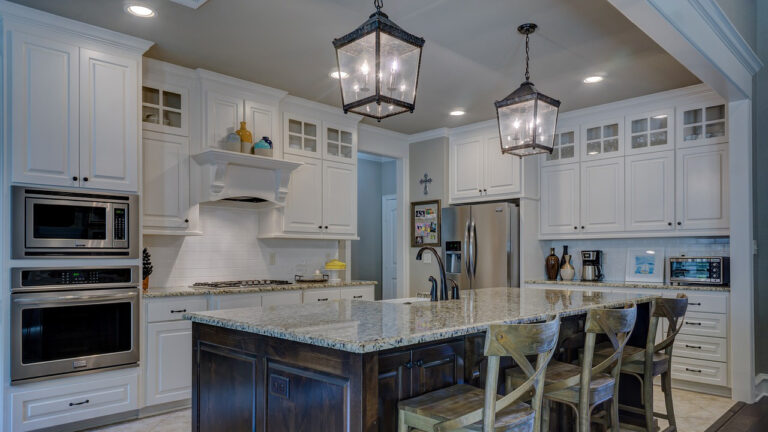
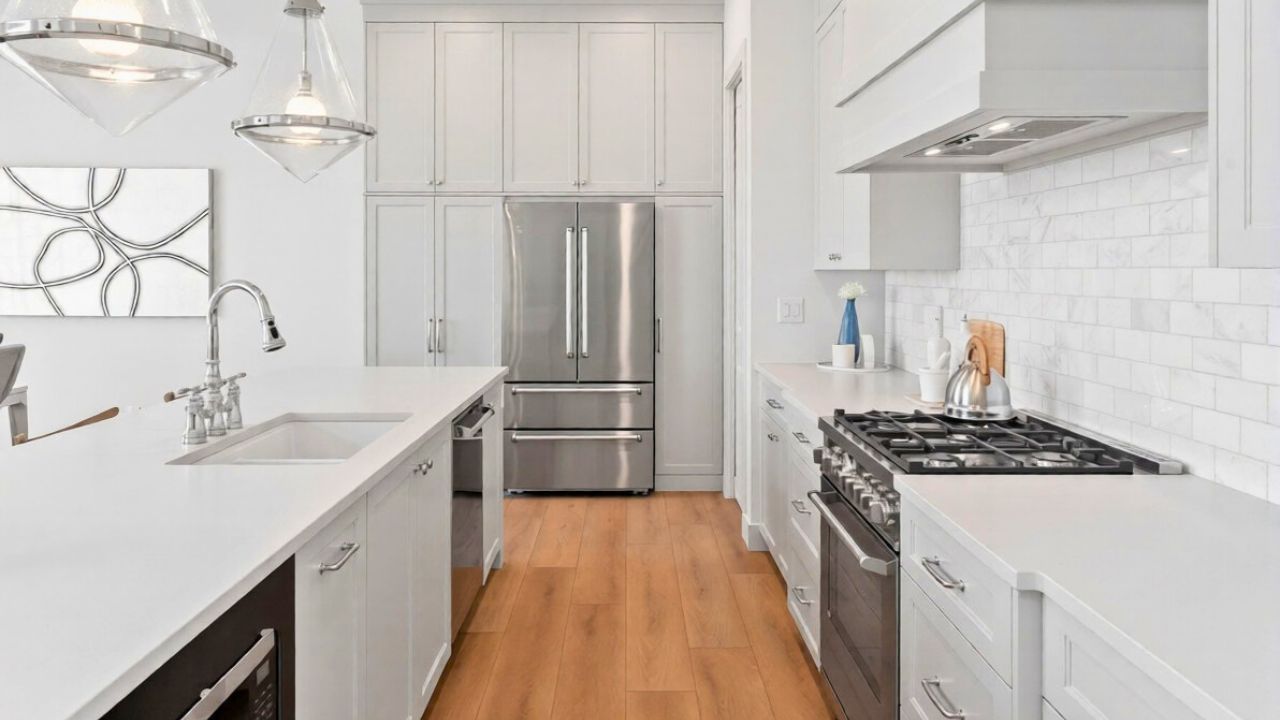
A kitchen remodel is one of the few home projects that lets you hide almost every trace of what came before. New cabinets, stone counters, and sleek appliances can make even a tired 1970s galley feel like a showroom. That visual transformation is exactly why so many serious electrical problems get buried in the process, covered by drywall and tile just as the space starts to look its best.
The upgrade that most often masks those hazards is the electrical work that comes bundled with new cabinets and appliances, especially when you add circuits without touching the main panel. If you treat that as a cosmetic step instead of a safety-critical overhaul, you can end up with overloaded wiring, outdated protection, and a kitchen that looks brand new while quietly failing modern electrical standards.
The hidden risk behind a “simple” kitchen refresh
When you plan a kitchen project, you probably think in terms of finishes and fixtures, not feeder cables and breaker ratings. That mindset is how serious wiring issues slip through. You might swap in a bigger refrigerator, add an induction cooktop, or install a bank of undercabinet lights, then assume the existing system can handle it. In reality, the kitchen is already one of the most demanding rooms in your home, and every new load you add increases the stress on circuits that may have been marginal even before the remodel.
Electricians describe the panel as home’s power hub, and that hub is often decades older than the appliances you are installing. Older fuse boxes and undersized modern panels that were never upgraded can leave you with circuits that trip constantly or, worse, wires that overheat without any visible warning. The danger is not just inconvenience, it is the combination of high heat, wood framing, and hidden junction boxes that can let a small fault smolder into a kitchen fire.
Why panel upgrades matter more than new cabinets
The most common kitchen upgrade that papers over wiring problems is the decision to skip a full panel evaluation while you are spending heavily on cabinets and countertops. You might run a few new lines for appliances and lighting, then land them wherever there is space in the existing box. That approach can leave you with a panel that is technically “working” but functionally obsolete, with no spare capacity and no modern safety features to protect you from faults behind the walls.
Guidance on upgrading your electrical during a remodel is blunt: once you start adding high powered appliances or specialized lighting, the old box is often no longer adequate. Advice on upgrading explains that a modern panel is designed to accommodate increased electrical loads from contemporary appliances and technology, while also improving circuit organization and adding enhanced safety features. If you ignore that step, you are effectively hanging a luxury kitchen on a backbone that was built for a toaster and a single fluorescent strip.
Modern kitchens and the rise of dedicated circuits
Today’s kitchen is a small commercial workspace, with power demands to match. An induction range, a French door refrigerator with dual compressors, a built in microwave drawer, and a high capacity dishwasher can all be running at once. If those loads share general purpose circuits, you are inviting nuisance trips at best and overheated conductors at worst. The fix is not a bigger appliance or a different brand, it is a wiring plan that treats each major device as a priority load.
Guides to dedicated circuits stress that modern kitchens require their own runs for major appliances like refrigerators, microwaves, dishwashers, and disposals. Adding those circuits during a renovation is far easier than fishing them in later, and it lets you separate heavy loads from lighting and countertop outlets. When you combine that layout with circuit breakers that are sized correctly, you reduce the risk of hidden overheating and give yourself a system that can handle the way you actually cook.
Code, clearances, and what the inspector cannot see
Even if your remodel passes inspection, that does not guarantee every underlying issue was addressed. Inspectors typically see the finished layout and accessible parts of the system, not every splice buried behind cabinets. That is why the rules that govern panel placement, conductor sizing, and outlet spacing matter so much. If you treat those as optional, you can end up with a kitchen that technically has new wiring but still fails the standards that are supposed to keep you safe.
Current kitchen guidance emphasizes that a key aspect of remodeling is updating the electrical system so it aligns with the National Electrical Code. Requirements for panel clearances are specific, including how far a breaker panel must be from the ceiling and other obstructions. If your remodel crowds the panel with pantry shelving or tucks it behind a refrigerator, you may be violating those rules even if the wiring itself is new. The result is a system that looks tidy but is harder to service and potentially out of compliance the moment the project is finished.
When “light” remodels hide heavy problems
Many homeowners describe their project as a “light” remodel, then proceed to gut the room down to the studs. That disconnect is more than semantic. If you think of the work as minor, you may skip the chance to correct structural and electrical issues that are only visible when the walls are open. Once the drywall goes back up, those opportunities vanish, and so does your ability to see where old wiring is spliced, undersized, or damaged.
One renovation discussion on light kitchen remodels makes the point directly: if you do a full removal, you can not only upgrade wiring, you can also improve insulation, air sealing, and soundproofing while everything is exposed. That same window is when you should be tracing every kitchen circuit back to the panel, checking for aluminum branch wiring, and confirming that junction boxes are accessible. Treating a full tear out like a cosmetic refresh is how you end up with brand new cabinets hung over brittle conductors and overloaded junctions.
The role of subpanels and why they are not a shortcut
When the main panel is full, a common suggestion is to add a subpanel for the kitchen. Done correctly, that can be a smart way to organize circuits and create room for future loads. Done poorly, it becomes another layer of complexity that hides the fact that the service itself is undersized. If you simply bolt on a new box without evaluating the capacity of the main, you are not solving the underlying problem, you are just distributing it more neatly.
By definition, a subpanel is a smaller secondary panel that only distributes power to a few circuits in one part of a building or to a structure like a detached garage. In a kitchen context, that means every amp flowing through the subpanel still has to pass through the main breaker. If the service conductors and main panel are already at their limit, adding a kitchen subpanel is like adding more lanes to a highway on the wrong side of a bottleneck. The traffic looks smoother near the exit, but the jam at the bridge has not changed.
How modern breakers quietly change your risk profile
Not all panels are created equal, and not all breakers offer the same level of protection. Older thermal magnetic breakers are designed to trip on overloads and short circuits, but they are less effective at catching the kind of small, persistent faults that can start fires in hidden spaces. Newer devices, including arc fault and ground fault breakers, are built to detect those subtle problems and cut power before they escalate. If your remodel leaves the old hardware in place, you are missing one of the most meaningful safety upgrades available.
Guidance on circuit breakers notes that modern designs improve shock prevention and can interrupt faults before a fire can start. When you combine those devices with a modern electrical panel, you get a system that is not only more tolerant of high loads but also more intelligent about how it responds to abnormal conditions. In a kitchen full of metal appliances, wet countertops, and dense cabinetry, that extra layer of protection is not a luxury, it is a baseline expectation.
Budgeting for the work you cannot see
One reason electrical upgrades get sidelined is simple: they are hard to photograph. You can post a before and after of a quartz island, but not of a properly sized feeder or a neatly labeled panel. That makes it tempting to push wiring work to “phase two” or cut it when bids come in high. The problem is that the cheapest time to fix your electrical system is when the walls are already open and trades are already on site. Waiting until after the backsplash is up turns every correction into a surgical, and expensive, intervention.
Professional advice on electrical upgrades stresses that planning for panel work, clearances, and circuit additions at the design stage helps you determine your budget realistically. When you factor in the need to meet the NEC, add dedicated circuits, and potentially upgrade the main panel, the electrical line item stops being a rounding error and becomes a core part of the project. That shift in mindset is what keeps you from spending five figures on finishes while leaving a fifty year old breaker box in charge of everything.
Turning a remodel into a long term safety upgrade
If you approach your kitchen project as a chance to reset the electrical system, not just dress it up, the benefits extend far beyond the room itself. A properly sized service, a clearly labeled panel, and circuits that match your actual usage patterns make the entire home easier to live in and safer to maintain. Future projects, from adding an EV charger to finishing a basement, become simpler when the backbone is already built for growth instead of barely keeping up.
The most effective way to avoid covering wiring problems is to insist that every visible upgrade has an invisible counterpart. New appliances should trigger a review of panel capacity. New lighting should come with a check of clearances and box fill. A full gut should automatically include tracing and replacing questionable runs identified when you removed the old finishes, as highlighted in the remodeling discussion. If you hold that line, the kitchen upgrade that most often hides wiring problems becomes the project that finally brings them into the open and fixes them for good.
Like Fix It Homestead’s content? Be sure to follow us.
Here’s more from us:
- I made Joanna Gaines’s Friendsgiving casserole and here is what I would keep
- Pump Shotguns That Jam the Moment You Actually Need Them
- The First 5 Things Guests Notice About Your Living Room at Christmas
- What Caliber Works Best for Groundhogs, Armadillos, and Other Digging Pests?
- Rifles worth keeping by the back door on any rural property
*This article was developed with AI-powered tools and has been carefully reviewed by our editors.