The leak check you can do in five minutes before a freeze
Freezing nights are when small leaks turn into big problems. A tiny drip that goes ignored during mild weather can crack a pipe, soak a cabinet, or flood a crawlspace once temperatures tank. The good news is, you can do a quick leak check right before a cold snap that catches a lot of issues early.
You don’t need tools besides your hands, eyes, and maybe a flashlight. You’re not trying to diagnose every plumbing flaw—just making sure nothing is already leaking or on the edge of it before the freeze hits.
Start under the sinks on exterior walls
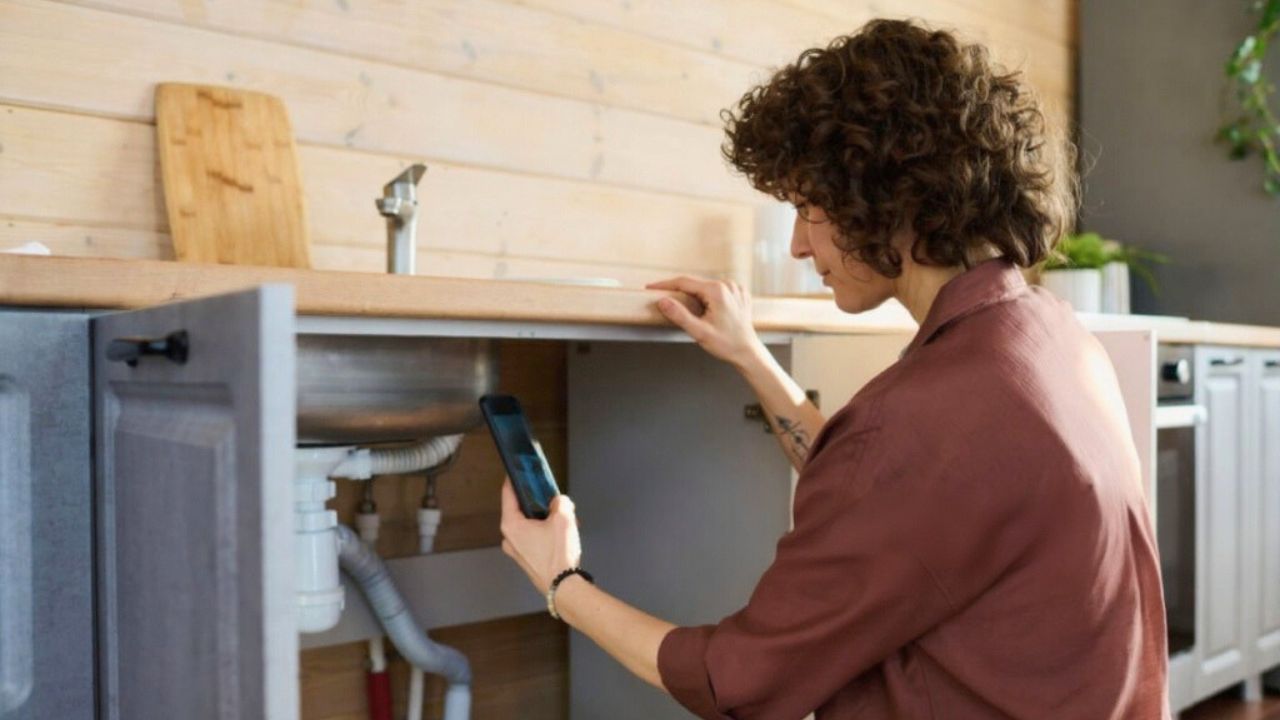
If you only have time for one thing, check under sinks that sit on an outside wall—kitchens, bathrooms, and laundry rooms.
Open each cabinet and look for:
- Damp wood or swelling near the back or at pipe joints
- Drips hanging from shutoff valves or supply lines
- Buckled shelf liner or dark, wet-looking spots
Then use your hand. Feel around the pipes and valves with dry fingers. Sometimes you’ll feel moisture before you see it. If anything feels damp, that area needs attention—either tightening a connection if you’re confident, or at least putting a towel or tray under it and planning a call to a plumber.
Catching a slow leak now means that spot isn’t quietly freezing and expanding when temperatures drop.
Check outdoor spigots and hose connections
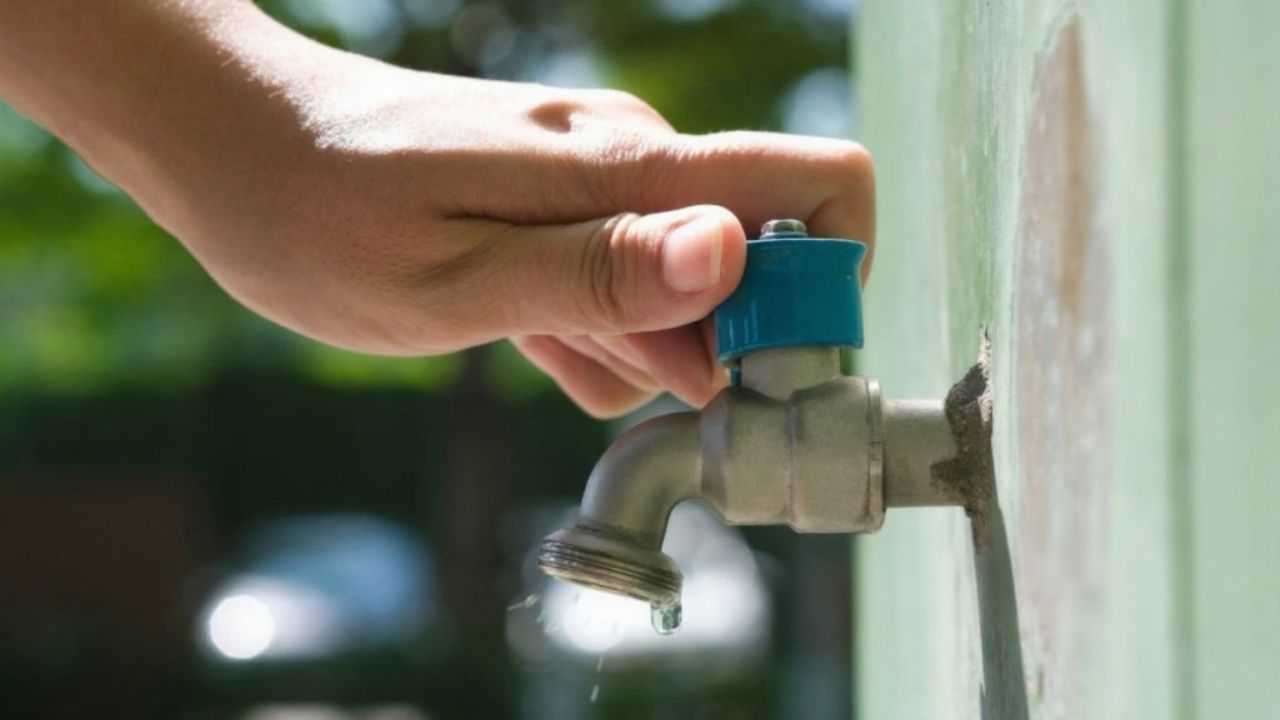
Outdoor faucets take a beating in winter, especially if hoses stay connected too long. Before a freeze, walk around the outside of the house and do a quick scan.
Look for:
- Hoses still connected—those should come off so water can drain back
- Drips from the faucet even when it’s turned off
- Wet spots on the wall or ground directly under the spigot
Turn each spigot on and then off. If it doesn’t shut off completely or you see drips afterward, note it. You may not fix it that second, but at least you know it’s not sealing properly and needs attention before deep winter.
If you have insulated covers for outdoor faucets, this is the time to put them on—after you’ve checked everything.
Walk past the water heater and listen
The water heater is easy to ignore until it fails. Give it thirty seconds.
Look and listen for:
- Puddles or dampness around the base
- Rust trails or white mineral buildup near valves and connections
- A constant hiss or trickle from the pressure relief pipe
Put your hand gently on the pipes above the heater and feel for unexpected moisture. Minor condensation is one thing; actual drips are another.
If you see water where it shouldn’t be, that’s your signal to at least put a pan or towel down and keep an eye on it—then get someone out before the combination of pressure and cold turns it into a full leak.
Do a quick “is something still running?” check at toilets and fixtures
Sometimes the worst “leak” is just water quietly running nonstop. Before a freeze, walk the house and listen more than you look.
Things to check:
- Toilets that sound like they’re constantly refilling
- Faucets that won’t quite shut off and keep a slow drip
- Tubs or showers that have a steady trickle even when turned off
Fixing a running toilet or tightening a small drip not only saves water—it keeps pipes from constantly refilling and stressing the system when temperatures drop.
If you’re not sure which toilet is the problem but you hear water in the walls, turn off each toilet at the shutoff valve for a second and see if the sound changes. That tells you where to start.
Use your hands on any exposed pipes you walk past
On your way through the basement, crawlspace entrance, garage, or utility areas, get in the habit of running your hand under visible pipes as you pass them.
You’re feeling for:
- Active drips
- Dampness on the underside
- Cold, clammy spots where insulation is missing or pulled away
You can’t check everything in five minutes, but a quick pass over the most visible sections often catches the obvious stuff. If you find a wet section, at minimum put a bucket, towel, or pan under it and keep that area on your radar.
Know where your main shutoff is before you need it
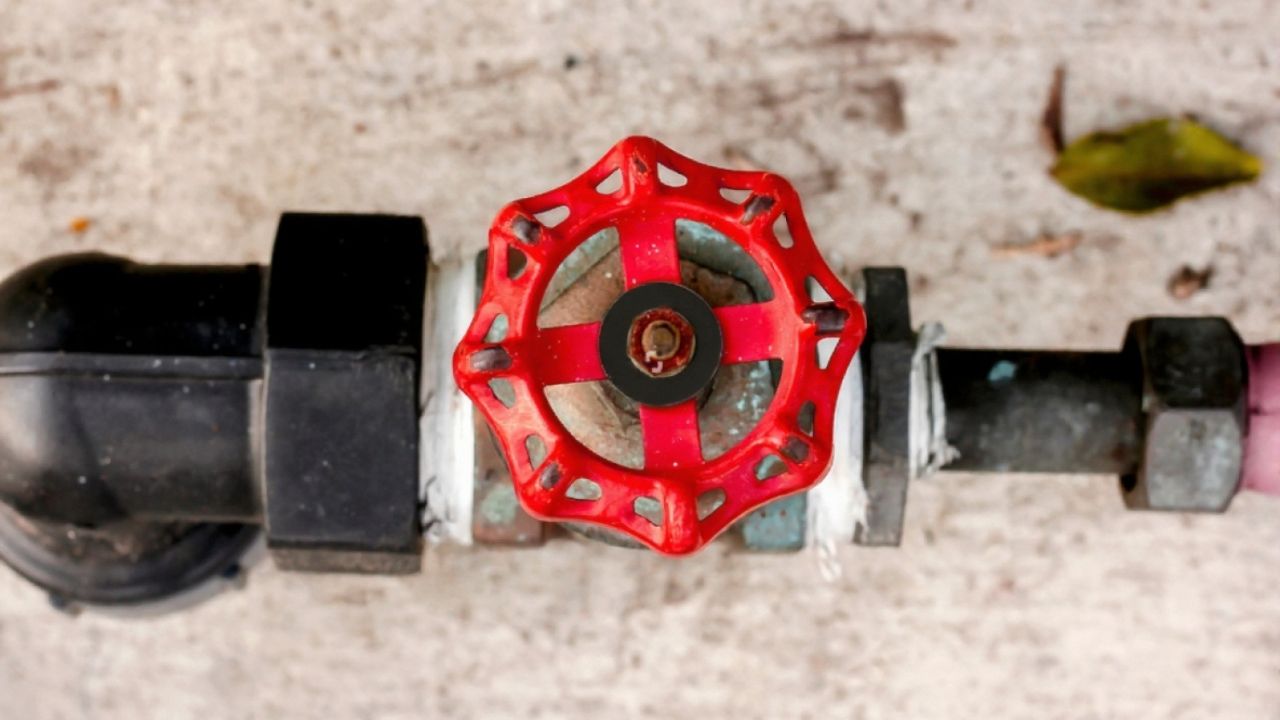
This doesn’t take long, but it matters if a pipe does burst.
During your five-minute check:
- Find the main water shutoff for the house (usually where the main line comes in, near the water heater, or in a utility area).
- Make sure it’s not buried behind boxes or furniture.
- Turn it slightly to confirm it still moves, then turn it back.
In an emergency, being able to reach and turn that valve quickly can save your floors, walls, and sanity. Knowing where it is before the freeze hits gives you one less thing to panic about if you spot a leak later.
A five-minute walk-through isn’t a full inspection, but it’s a solid safety net. If you do nothing else before a hard freeze, peeking under a few sinks, checking outdoor spigots, listening near the water heater, and reminding yourself where the main shutoff lives goes a long way toward catching small leaks before they become big winter problems.
Like Fix It Homestead’s content? Be sure to follow us.
- I made Joanna Gaines’s Friendsgiving casserole and here is what I would keep
- Pump Shotguns That Jam the Moment You Actually Need Them
- The First 5 Things Guests Notice About Your Living Room at Christmas
- What Caliber Works Best for Groundhogs, Armadillos, and Other Digging Pests?
- Rifles worth keeping by the back door on any rural property
*This article was developed with AI-powered tools and has been carefully reviewed by our editors.