The luxury listing trend that’s turning estates into “compounds” again
Across the highest reaches of the housing market, you are no longer just buying a mansion, you are assembling a private realm. Agents are quietly swapping “estate” for “compound” in their listing language as wealthy buyers stitch together multiple homes, guesthouses, and amenity buildings into one controlled footprint. The shift is reshaping how you think about luxury, from the way land is valued to the way privacy, wellness, and even family life are designed into the property line.
The return of the compound mindset
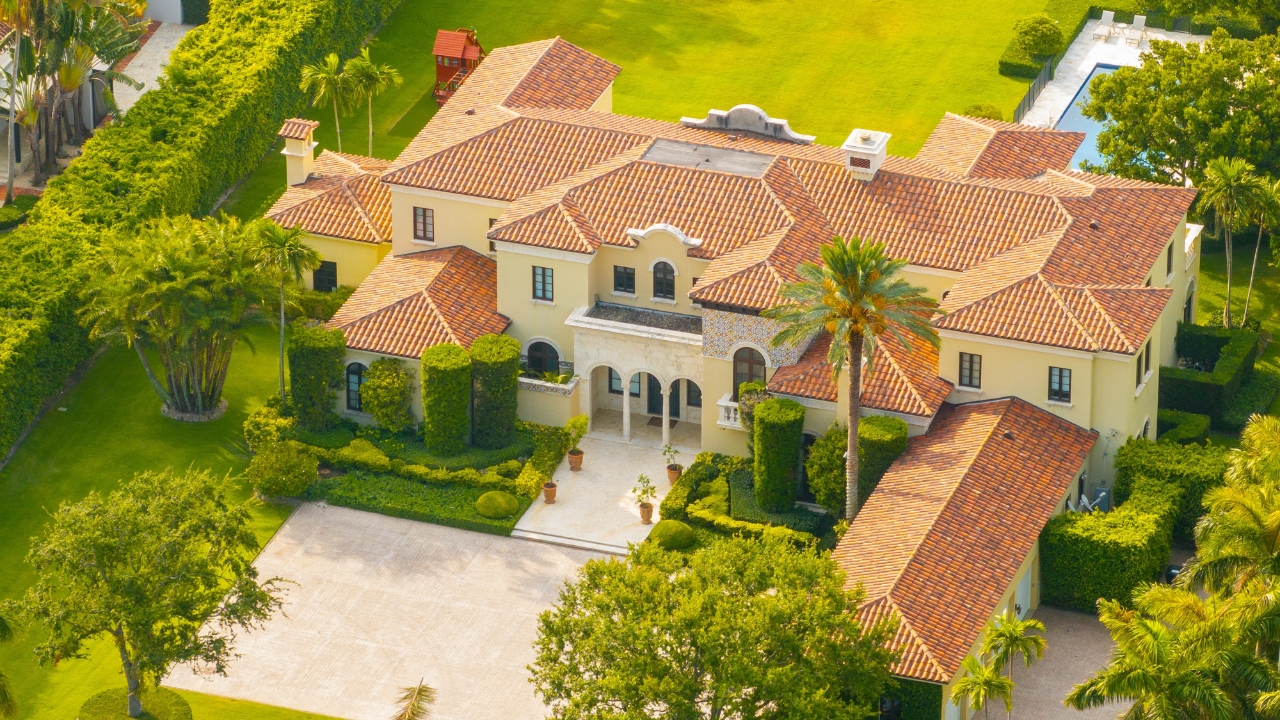
If you shop at the very top of the market today, you are effectively shopping for a micro neighborhood you can own outright. The modern compound is less a single showpiece residence and more a cluster of structures, from main house and guest casitas to staff quarters and wellness pavilions, organized around security and separation of uses. In places like Atherton, where land is scarce and values are among the highest in the country, the ability to control several contiguous parcels is becoming a status marker in its own right rather than a mere side effect of buying a large home.
That mindset is not confined to Silicon Valley. Along the California coast, enclaves such as Montecito have long attracted buyers who want multiple structures for extended family, staff, and guests, but the current wave of listings leans into the language of “compound” to signal a fully realized private campus. You are being sold not just square footage but a self contained environment, one that promises to insulate you from crowds, traffic, and even municipal amenities by recreating those comforts behind your own gates.
From moat to multiple parcels: a long arc of privacy
The instinct behind this trend is centuries old. In the Middle Ages, aristocratic families relied on literal moats and fortified walls to keep the outside world at bay, a historical echo that still resonates when you see high hedges and double gates around a contemporary compound. Modern wealthy homeowners are simply updating the tactic, using legal boundaries and landscaping instead of stone ramparts to achieve the same psychological buffer. Earlier reporting on luxury neighborhoods noted that Wealthy buyers were already acquiring adjacent homes, sometimes even a few doors down, to recreate that protective ring.
What has changed is the scale and intentionality. Instead of opportunistic purchases when a neighbor decides to sell, you now see buyers entering a market with a compound strategy from day one, instructing agents to target side and rear lots as part of a single long term plan. The language of listings reflects that evolution, with references to “multi parcel estates” and “expandable footprints” that invite you to think like a master planner. The medieval moat has become a portfolio of APNs, each one a tile in the mosaic of your private domain.
Miami and the rise of the trophy “super compound”
Nowhere is the compound narrative more explicit than in South Florida, where waterfront land is finite and the ultra rich are racing to assemble what brokers describe as trophy empires. In Miami, ultrarich buyers are not content with a single bayfront mansion, they are scooping up neighboring houses and vacant lots to create sprawling compounds that stretch across multiple docks and street frontages. The goal is as much about control of views and boat access as it is about interior space, turning a row of once separate properties into a single branded estate.
For the city’s wealthiest buyers, the play now is to scoop up surrounding properties, the house or vacant lot next door, as part lifestyle upgrade and part investment strategy. Reporting on Miami’s luxury market notes that For the top tier, these super compounds are designed to function like private resorts, with separate guest villas, staff housing, and dedicated entertainment buildings that can host events without ever opening the main residence. If you are a buyer in that bracket, you are effectively curating your own waterfront district, one parcel at a time.
California’s coastal compounds and the new status geography
On the West Coast, the compound trend is reshaping the pecking order of neighborhoods that were already synonymous with wealth. In California, high end markets such as Brentwood, Malibu, and Pacific Palisades are seeing buyers prioritize land assemblage and privacy over sheer interior size, a shift that recent analysis of Luxury Real Estate Trends in 2025 highlights as a defining feature of the current cycle. You are no longer just comparing house to house, you are comparing the potential to expand, reconfigure, and gate off a larger footprint over time.
San Francisco offers a vivid example of how this plays out in practice. A recent rundown of the most expensive mansion sales gave an Honorable mention to Sam Altman and his Russian Hill compound, noting that Given the two measurements of the property, the assembled estate defied simple price per square foot comparisons. When you buy or build at that level, you are purchasing flexibility and future development options as much as you are buying a finished home, and the market is starting to price that optionality explicitly.
Los Angeles: customization, sustainability, and the compound as lifestyle machine
In Los Angeles, the compound is evolving into a finely tuned lifestyle machine, calibrated to your preferences in design, wellness, and sustainability. Local market outlooks describe Key Market Trends that include a Rising Demand for Sustainable Luxury Homes, with High end buyers seeking eco friendly properties that integrate energy efficient systems, advanced insulation, and water saving landscaping. When you spread those features across multiple structures on a single site, the result is a campus that feels both indulgent and future proof, a place where solar arrays, battery storage, and greywater systems quietly support your daily routine.
At the same time, Increased Customization of Homes is reshaping how those campuses are laid out. Buyers want fully customized interiors and architectural designs, with Personalization in finishes, room configurations, and amenity placement that reflect how they actually live rather than a generic luxury template. Reporting on Los Angeles luxury notes that these preferences are colliding with Evolving Economic Factors, pushing you to think strategically about which buildings belong on your compound, which can be phased in later, and how each structure supports a specific slice of your life, from work to wellness to multigenerational living, as detailed in the Key Market Trends and the focus on Increased Customization of Homes.
Designing the modern compound: wellness, cars, and indoor‑outdoor blur
Once you control multiple structures, you can program them with a level of specificity that would feel excessive in a single house. One building might be dedicated entirely to Integrated Wellness Spaces, from cold plunge pools and infrared saunas to meditation rooms and Pilates studios, a trend highlighted in recent coverage of Luxury Home Design Trends for 2025. Another might function as a gallery for your vehicles, with Car Galleries turning the garage into a climate controlled showcase where collectible cars are displayed like art, complete with lounge seating and lighting that flatters both paint and leather.
Outdoor areas are being treated with the same level of intention. High end buyers are embracing designs that bring the outdoors in, using large pocketing glass walls, covered loggias, and landscaped courtyards to create a seamless flow between interior rooms and gardens, a shift that recent reporting on Car Galleries and other emerging trends underscores. On a compound, that indoor outdoor blur can extend across multiple buildings, with pathways, water features, and outdoor kitchens turning the entire property into a walkable resort where you and your guests move from spa to screening room to guesthouse without ever feeling like you have left home.
Technology, sustainability, and the “quiet luxury” infrastructure
Behind the scenes, the new compound is wired for both discretion and efficiency. Eco conscious design has become a hallmark of high end homes, with Sustainable Sophistication and Eco friendly materials now central to how you evaluate a property’s long term appeal. Guidance on luxury design notes that High end homeowners are embracing features like green roofs, high performance glazing, and Circadian rhythm lighting that supports healthier sleep patterns, all of which can be scaled across multiple buildings on a single estate, as outlined in the discussion of Sustainable Sophistication.
Compounds are also absorbing the amenity playbook from luxury multifamily projects. Developers of high rise residences now treat a State of the Art Gym and Wellness Center, EV Charging Stati ons, and concierge style services as baseline expectations, a pattern summarized in a recent look at what Here are the top seven amenities in 2025. When you translate that into a private compound, you end up with dedicated fitness buildings, banks of Level 2 and DC fast chargers tucked into garages, and service drives that allow staff and vendors to move around the property without crossing your primary living spaces. The result is a kind of quiet luxury infrastructure that supports your lifestyle without calling attention to itself.
Who is buying compounds now, and why
The buyer profile for these properties is broadening beyond the stereotypical tech founder or hedge fund principal. Recent analysis of What will be trending for luxury real estate in 2025 notes that Gen X buyers and so called “she elites” are playing a larger role in shaping demand, with Luxury real estate prices predicted to remain resilient even as interest rates and global volatility shift, as detailed in the report on What will be trending for luxury real estate in 2025. For these buyers, the compound is as much about multigenerational living and flexible work arrangements as it is about ostentatious display.
Nationally, the luxury market is stabilizing after a period of sharp swings, with some observers noting that the segment is becoming more globalized and that Smaller homes are becoming more luxurious as design and technology do more with less space, a pattern outlined in a midyear review of Luxury real estate market trends. Yet at the very top, compounds remain the exception that proves the rule, where you trade the efficiency of a compact footprint for the control and privacy of a multi building estate. If you are in that tier, you are likely balancing lifestyle goals with portfolio thinking, viewing your compound as both a personal sanctuary and a hard asset in some of the world’s most supply constrained locales, a point underscored by coverage of significant sales In the first half of 2025.
How the compound trend reshapes your strategy as a buyer or seller
If you are entering the high end market, the resurgence of compound style estates changes how you should read listings and plan negotiations. You need to look beyond the main house and evaluate expansion potential, zoning, and the likelihood that neighboring parcels might come up for sale, effectively treating the surrounding block as part of your due diligence. Guides to 2025 Luxury Real Estate Trends emphasize that buyers are increasingly sophisticated about these factors, asking pointed questions about future development rights, view protections, and the feasibility of adding guesthouses or wellness buildings over time.
As a seller, you have to decide whether to market your property as a finished compound, a compound in progress, or a prime seed parcel for someone else’s vision. In markets like Los Angeles, where Let the data on Los Angeles luxury real estate show a price surge meeting some inventory relief, that positioning can materially affect your final number. In California more broadly, advisors who track Luxury Real Estate Trends in 2025 suggest that you should be explicit about compound friendly attributes, from multiple driveways and existing guest structures to permissive zoning and privacy landscaping, because the buyers most likely to pay a premium are the ones thinking several parcels ahead.
Like Fix It Homestead’s content? Be sure to follow us.
Here’s more from us:
- I made Joanna Gaines’s Friendsgiving casserole and here is what I would keep
- Pump Shotguns That Jam the Moment You Actually Need Them
- The First 5 Things Guests Notice About Your Living Room at Christmas
- What Caliber Works Best for Groundhogs, Armadillos, and Other Digging Pests?
- Rifles worth keeping by the back door on any rural property
*This article was developed with AI-powered tools and has been carefully reviewed by our editors.