The maintenance detail insurers are asking about more often in 2026
Insurers are quietly zeroing in on one deceptively simple question in 2026: how well you actually maintain the property you want them to protect. From homes and small businesses to large commercial portfolios, carriers are tying pricing and even basic eligibility to whether you can prove that key systems are inspected, serviced, and upgraded on a predictable schedule. As premiums rise and underwriting tightens, that maintenance detail is no longer a nice-to-have disclosure, it is becoming a central lever in how much you pay and how much coverage you can get.
For you, that shift means maintenance logs, inspection reports, and upgrade receipts now carry as much weight as square footage or ZIP code. If you can document that you check critical systems, fix small issues before they escalate, and invest in resilience, you are far better positioned to negotiate rates and avoid unpleasant surprises at renewal.
Why maintenance is suddenly an underwriting question
Insurers are not asking more about maintenance because they are curious, they are doing it because the economics of property and auto claims have changed. Rising rebuilding costs, more severe weather, and higher labor and material prices have pushed loss severity sharply higher, which is why guides on Why Your Homeowners Insurance Rates Keep Rising now point directly to those structural pressures. When every claim is more expensive to settle, carriers have a powerful incentive to reward owners who can show they are actively reducing the odds of a loss.
That same logic is playing out in commercial lines. Property specialists describe a market where underwriting discipline is the new baseline, with carriers scrutinizing how buildings are run, not just where they sit. Analyses of the 2026 property landscape note that lingering supply chain disruptions and Small Commercial claim trends are forcing insurers to dig deeper into risk controls. In practice, that means more questions about roof age, plumbing upgrades, electrical inspections, and whether you have a documented schedule for keeping those systems in shape.
The maintenance detail carriers care about most in 2026
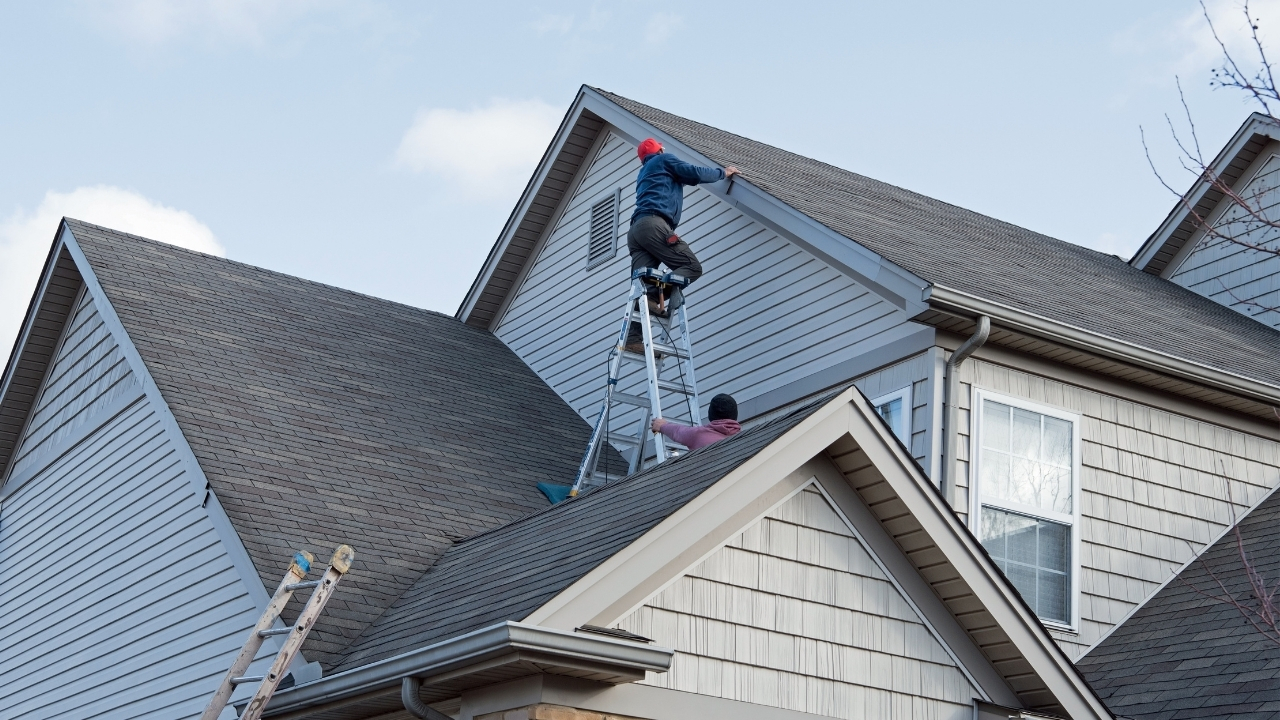
Among all the upkeep questions you now face, one detail is surfacing again and again: whether you have a structured, documented program for inspecting and maintaining your building’s core systems, especially water, roof, and electrical. Insurers have learned that slow leaks, neglected roofs, and outdated wiring drive a disproportionate share of large losses, so they are asking if you routinely check for those issues and keep proof of what you find. That is why consumer guidance now highlights habits like using a monthly checklist to Inspecting your plumbing system regularly so you catch small problems before they become major water damage claims.
On the commercial side, the same maintenance detail shows up in more formal language. Property market outlooks urge buyers to “double down” on risk engineering and to treat maintenance as a strategic tool, not a back-office chore. When analysts talk about Limit Correction: Many insureds are rethinking how much coverage they buy, they also stress that the best price cuts and coverage offers are going to organizations that can show a disciplined approach to inspections, repairs, and capital projects. In other words, the maintenance detail that matters most is not a single repair, it is whether you can demonstrate a repeatable system for keeping your property sound.
How climate risk and renovation complexity raised the stakes
Climate risk has turned that maintenance question from a technicality into a frontline underwriting filter. Commercial real estate specialists now flag Climate Risk, Natural Perils, Coverage Gaps as a defining issue for 2026, pointing to floods, wildfires, extreme heat, and storms that are both more frequent and more severe. For insurers, a building with a well maintained roof, cleared gutters, updated defensible space, and hardened openings is statistically less likely to suffer catastrophic damage in those events, so they are pressing owners to prove that those measures are not just installed once but maintained over time.
Renovation projects have also become more complicated, which feeds directly into how carriers view maintenance. Business insurance analysts note that Renovation projects are more challenging because lenders and insurers are layering on stricter conditions, including requirements that upgrades meet specific standards and that owners document how they will maintain new systems. If you are replacing a roof, for example, you may now be asked not only which materials you chose but also how often you plan to inspect it, who will do the work, and how you will record those visits.
From premiums to eligibility: how maintenance data is being used
As carriers collect more detail about your upkeep habits, they are using that information in three main ways: pricing, coverage terms, and basic eligibility. Auto and property forecasts show that many insurers are responding to higher claim costs with Higher deductibles, more use of data, and tighter underwriting across lines of coverage. If you can demonstrate that you maintain your property proactively, you are more likely to qualify for lower deductibles, broader water damage coverage, or better terms on wind and hail, because your risk profile looks more controlled than a similar property with no maintenance record.
In some cases, maintenance is now a gatekeeper for whether you can get or keep coverage at all. Rate forecasts warn that Many forecasts call for another year of upward pressure on premiums, which is pushing insurers to walk away from risks that show signs of chronic neglect. That can mean nonrenewal if you ignore repeated recommendations to replace aging plumbing, or a refusal to insure a property until you complete specific repairs and agree to ongoing inspections. In that environment, the maintenance detail you disclose is not just a rating factor, it can be the difference between having a policy and shopping in the surplus lines market.
Resilience programs and FORTIFIED standards reshape expectations
Insurers are also leaning on formal resilience frameworks to define what “good maintenance” looks like, especially in catastrophe exposed regions. The Insurance Institute for Business & Home Safety has set an explicit goal to expand its FORTIFIED programs, including a plan to double total program FORTIFIED Home designations and to develop better solutions for inland states facing severe convective storms and hail. Those standards do not stop at initial construction; they require ongoing maintenance of roofs, attachments, and openings so the building continues to perform under stress. As more carriers recognize and reward FORTIFIED designations, they are effectively baking those maintenance expectations into their underwriting playbooks.
Home insurance specialists are already signaling that this kind of resilience focused maintenance will influence pricing. Analysts who track 2026 home insurance trends note that Insurance is playing a much bigger role in housing outcomes, with carriers using property level data to predict future claims and loss severity. If your home or building meets FORTIFIED style standards and you can show that you maintain those features, you are more likely to be seen as a lower risk, which can translate into better access to coverage in regions where some insurers are pulling back.
What this means for your renovation, auto, and property decisions
The maintenance detail insurers are focused on is not limited to static buildings, it also shapes how they view your renovation and fleet choices. Business insurance guidance points out that Rising repair costs, parts shortages, and labor constraints are driving auto claim severity higher, which makes routine servicing and documented repairs on vehicles more important. If you run a small delivery fleet of 2020 Ford Transit vans, for example, being able to show oil change intervals, brake inspections, and tire replacements can help your insurer distinguish you from operators who run their vehicles hard and fix them only when something breaks.
On the property side, renovation planning now needs to start with a conversation about how you will maintain what you install. If you are upgrading a 1980s office building with a new HVAC system and a reflective roof, your lender and insurer may ask for a written plan that spells out inspection frequencies, filter changes, and who is responsible for monitoring performance. Analysts who map out Renovation projects are more challenging now tie those questions directly to loan and coverage requirements, so if you cannot answer them, you risk delays or less favorable terms.
How to get ahead of the maintenance questions before your next renewal
If you want to turn this new scrutiny into an advantage, you need to treat maintenance as a data asset, not a stack of invoices in a drawer. Start by building a simple log that captures what you inspect, when you do it, who performed the work, and what they found, whether you are checking a sump pump in your basement or commissioning a roof inspection on a 50,000 square foot warehouse. Consumer checklists that encourage you to Check smoke alarms, plumbing, and filters every month are a good starting point for homeowners, while commercial owners can adapt the same idea into a digital maintenance calendar tied to work orders.
Next, bring that documentation into your insurance conversations instead of waiting to be asked. When you meet your broker to discuss renewal, be ready to show photos of recent roof work, receipts for upgraded electrical panels, and a schedule for future inspections. Property market outlooks that emphasize Strategies for Insureds in a softening cycle consistently highlight risk engineering as the lever that separates buyers who simply accept whatever terms they are offered from those who can negotiate. If you can prove that the maintenance detail carriers care about is firmly under control, you give your broker the evidence they need to argue for better pricing and more stable coverage, even as the broader market remains volatile.
Like Fix It Homestead’s content? Be sure to follow us.
Here’s more from us:
- I made Joanna Gaines’s Friendsgiving casserole and here is what I would keep
- Pump Shotguns That Jam the Moment You Actually Need Them
- The First 5 Things Guests Notice About Your Living Room at Christmas
- What Caliber Works Best for Groundhogs, Armadillos, and Other Digging Pests?
- Rifles worth keeping by the back door on any rural property
*This article was developed with AI-powered tools and has been carefully reviewed by our editors.