The maintenance habit inspectors say makes things worse
Home inspectors are clear about one thing: some of the “quick fixes” you rely on to keep your place looking presentable are exactly what set you up for bigger, more expensive trouble. The habit that tops their list is not neglect, but the urge to cover problems so they look solved when they are not. Instead of protecting your investment, that instinct can hide damage until it spreads into the structure of your home.
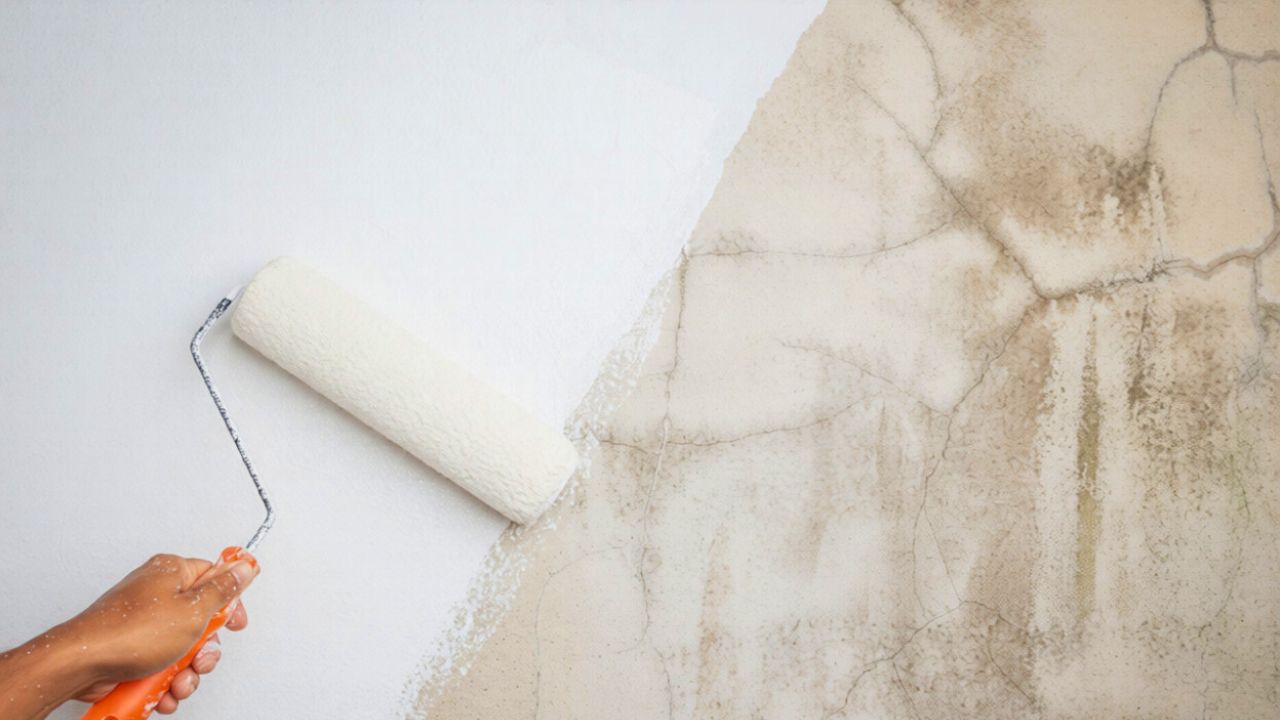
Cosmetic coverups, especially with paint and caulk, are the maintenance moves inspectors say most often make things worse. When you seal over stains, cracks, and leaks without addressing the cause, you are not just fooling a future buyer, you are blinding yourself to warning signs that could have given you time to act.
The “fresh paint” fix that fools you first
The single most damaging habit inspectors flag is painting over water damage to make a room look clean and updated. A new coat can absolutely brighten a space, but if you roll it directly over brown ceiling rings, bubbled drywall, or peeling trim, you are trapping moisture and rot behind a pretty surface. Inspectors note that Painting over those clues does not erase them, it just makes the underlying problem harder and more expensive to reach.
Professionals are trained to look past that fresh coat. They read subtle ripples in drywall, mismatched texture, and the outline of old stains that bleed through even high quality primer. One inspector-driven guide warns that Here are recurring mistakes, and cosmetic painting over damage is high on that list because it lets leaks keep working behind the scenes. Another trade source on exterior work is blunt: You cannot paint over problems and expect them to disappear, They will just get worse underneath that fresh coat.
Why hiding issues backfires with inspectors
From an inspector’s perspective, a home full of coverups is more concerning than a home that shows its scars. When you patch, paint, or caulk purely for appearances, you erase the visual history that helps a professional understand how water, air, and movement travel through the building. One inspection-focused advisory notes that You might think a minor issue can simply be covered, but a home inspector will not see it that way and will instead flag the need to take care of the issue at its source.
Attempts to disguise damage also raise questions about what else has been concealed. When an inspector finds one area where stains have been painted over or soft wood has been filled and coated, they look more aggressively for hidden leaks, mold, or structural movement. A broader maintenance guide warns that a house can feel calm and reliable until something you did not expect happens, and that a minor leak, a hairline crack, or skipping a repair can escalate long before things get worse, as highlighted in Jan. By the time those problems resurface through your cosmetic fixes, the repair scope is often far larger than it would have been if you had left the evidence visible and addressed it early.
The small leaks you “ignore” with paint and caulk
Many homeowners reach for paint or caulk when they see a faint stain or hairline crack, assuming the issue is minor and temporary. That instinct is especially risky around plumbing lines, windows, and roofs, where even a slow drip can saturate framing and insulation. One home protection guide singles out Ignoring Small Leaks as a common error, noting that it is easy to dismiss a minor leak as old plumbing or a temporary issue. However, leaving it unaddressed can lead to extensive and costly repairs or replacements.
When you seal over the visible signs of that moisture, you remove your own early warning system. Instead of seeing a stain grow or a crack widen, you see a clean surface and assume the problem is gone. Another maintenance overview explains that a house can feel steady until a minor leak or skipped repair suddenly becomes a crisis, and that catching those issues early is what protects both your property and your peace of mind, as detailed in Home Maintenance Habits That Protect Your Property and …. By covering instead of investigating, you trade a small, manageable fix for the kind of hidden rot that inspectors are trained to uncover.
When “controlling” humidity quietly damages your home
Another way cosmetic thinking creeps into maintenance is through how you manage indoor air. You might run a dehumidifier nonstop in a damp basement or crank up a humidifier in winter to make the air feel more comfortable, then paint over any minor warping or discoloration that appears. Yet specialists warn that Humidity that is too high or too low can damage wood moldings, furniture, paintings, and other expensive décor, and that the la test stages of that damage can even lead to water damage.
When you respond to that damage with more paint instead of adjusting the moisture level, you are again masking the symptom instead of fixing the cause. Over time, trim that repeatedly swells and shrinks can pull away from walls, caulk joints can fail, and finishes can peel, all of which inspectors read as signs of chronic moisture imbalance rather than isolated cosmetic flaws. The same inspection oriented advice that warns against ignoring leaks also stresses that a calm, reliable feeling at home can be misleading if you are quietly skipping the routine checks that keep humidity in a healthy range, as outlined in Home Maintenance Habits That Protect Your Property and …. If you are constantly repainting trim or patching nail pops, it is worth treating indoor moisture as a root cause, not just a comfort issue.
How to replace coverups with real maintenance
Inspectors are not asking you to live with ugly stains and cracks, they are urging you to treat those marks as diagnostic clues before you reach for cosmetic fixes. That starts with slowing down when you see a problem: trace a ceiling stain back to its source in the roof or plumbing, check whether a crack is following a seam or cutting through solid material, and look for patterns in where and when moisture appears. One set of inspection tips emphasizes that professionals see the same maintenance mistakes repeatedly and that the most effective homeowners are the ones who respond to early signs instead of hiding them, as described Here.
Once you understand the cause, you can still use paint and caulk, but as the final step, not the first. Fix the leak, dry the materials thoroughly, replace any compromised drywall or trim, then prime and paint. If you are preparing for a sale, resist the temptation to rush through cosmetic upgrades that might look like concealment. One real estate focused advisory notes that inspectors will not ignore maintenance shortcuts and that trying to cover a minor issue instead of taking care of it properly can backfire during a transaction, as highlighted in Home Inspectors Won’t Ignore These Three Maintenance …. The habit that truly protects you is not making your home look flawless at a glance, but letting small flaws guide you to the repairs that keep bigger problems from ever taking shape.
Like Fix It Homestead’s content? Be sure to follow us.
Here’s more from us:
- I made Joanna Gaines’s Friendsgiving casserole and here is what I would keep
- Pump Shotguns That Jam the Moment You Actually Need Them
- The First 5 Things Guests Notice About Your Living Room at Christmas
- What Caliber Works Best for Groundhogs, Armadillos, and Other Digging Pests?
- Rifles worth keeping by the back door on any rural property
*This article was developed with AI-powered tools and has been carefully reviewed by our editors.