The maintenance shortcut that ends up costing homeowners later
You can get away with skipping a chore once or twice, but in homeownership, the “I’ll deal with it later” habit quietly compounds into four and five figure repair bills. The shortcut that feels clever in the moment, whether it is closing vents, ignoring gutters, or stretching an aging system one more season, usually shifts costs into the future instead of eliminating them. If you treat maintenance as optional, you are not saving money, you are financing a much larger problem at a painful interest rate.
The seductive logic of shortcuts
Most costly maintenance mistakes start with reasonable intentions: you want to cut your utility bill, free up a weekend, or avoid calling a contractor for something that does not feel urgent. You tell yourself you are being efficient, trimming “waste” by closing off unused rooms or postponing a cleaning that looks cosmetic. The pattern is the same across homes of every size and price point, because the shortcut is less about the house and more about your tolerance for inconvenience in the short term.
What you rarely see in that moment is how the building responds. Airflow changes, moisture accumulates, and small cracks widen while you are busy with other priorities. Professionals repeatedly warn that the longer you leave damage unattended, the more expensive it becomes to fix, a pattern that shows up everywhere from residential properties to commercial facilities where deferred upkeep eventually demands major structural interventions. Your home is no different: every “later” quietly increases the final invoice.
The HVAC myth that strains your system
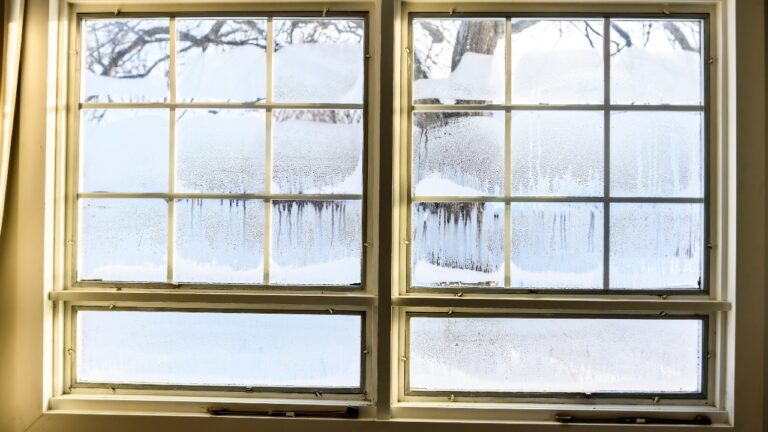
One of the most common shortcuts is closing supply vents in rooms you rarely use, on the theory that it will “push” more air to the spaces you care about and cut energy use. In reality, you are not rerouting water in a garden hose, you are interfering with a balanced system that was designed for a specific volume of airflow. When you shut vents, static pressure rises in the ductwork, your blower has to work harder, and the equipment can cycle in ways that shorten its life instead of trimming your bill, a pattern technicians describe when they hear homeowners talk about this habit in Dec.
The same mindset shows up when you skip routine service on the unit itself, assuming you will deal with it only if it fails. That gamble is stacked against you. Service companies point out that When the system finally breaks down, the repair or replacement cost is far higher than the modest price of regular cleaning and inspection. In other words, the shortcut does not avoid expense, it simply converts a predictable, budget friendly line item into an emergency that can wipe out your savings in a single visit.
Gutters: the “invisible” chore that protects your foundation
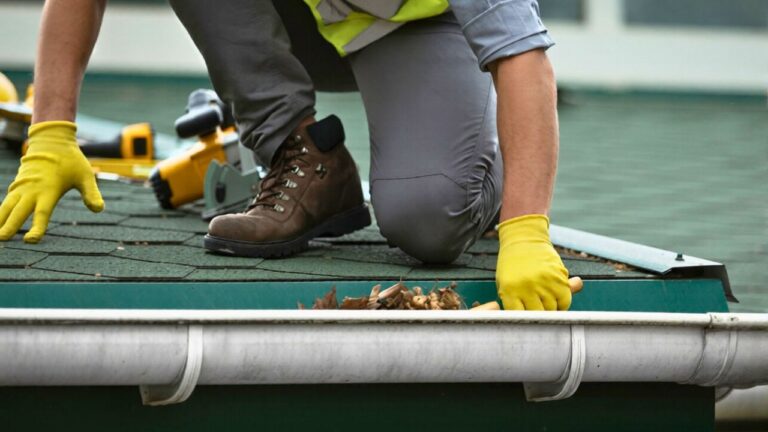
Gutters are easy to ignore because they sit at the edge of your vision, literally and figuratively. You might glance up after a storm, see no obvious waterfall, and assume everything is fine. Yet professionals repeatedly warn that clogged channels quietly redirect water into fascia boards, siding, and foundations, turning a simple cleaning into rot, mold, and basement leaks. Real estate salesperson Anselmo Alamillo Jr has stressed that When homeowners overlook gutter maintenance, they set themselves up for exactly this kind of hidden damage, and However small the clog looks, the downstream repair can be anything but.
The math is unforgiving. One detailed breakdown notes that professional gutter cleaning averages $162 nationally, rising to $390 for multi story homes, while water damage from neglected gutters can easily run into the thousands. Another guide that begins, Aug and continues with “Let” before outlining “Gutter Cleaning” as a key task, underscores that this is one of the simplest, highest return chores you can schedule. Skipping it is the classic maintenance shortcut: you save a couple hundred dollars now and quietly accept the risk of a five figure foundation repair later.
Cheap fixes that actually work in your favor
Not every shortcut is a mistake. The key distinction is whether you are avoiding maintenance or making it easier to do. Small, targeted purchases can dramatically reduce the odds that you will face a catastrophic repair, precisely because they remove friction from your routine. One list of smart buys highlights “7 $20 Purchases That Can in Repairs,” pointing to items like Gutter Guards that keep Clogged debris from building up in the first place.
These are the kinds of shortcuts you want: they reduce the time and effort required to stay ahead of problems without ignoring the underlying need. A simple water sensor under your washing machine, a programmable thermostat that prevents extreme temperature swings, or a basic inspection mirror for tight spaces all fall into this category. They are not glamorous upgrades, but they quietly protect you from the kind of “Repairs” that show up only after years of neglect. The difference is that these tools help you do the maintenance you might otherwise skip, instead of pretending you can skip it altogether.
Dryer vents and other hidden fire risks
Some of the most dangerous shortcuts involve systems you rarely see. Dryer exhaust is a prime example, because the duct runs behind walls and ceilings where you cannot easily check it. You might clean the lint trap on the appliance itself and assume you are covered, but that is only the first line of defense. A detailed safety guide titled “Jul” and focused on “Dryer Vent Cleaning: A Critical Safety Task” explains that Lint buildup in the vent line does not just reduce efficiency, it is one of the leading causes of dryer related fires.
Here, the shortcut is subtle. You might notice that loads are taking longer to dry and simply run the machine again, or you might push the appliance back against the wall after a renovation without checking whether the duct is kinked. Each of those decisions feels trivial, but together they increase heat, strain the motor, and raise the risk that a spark will find fuel in the accumulated fibers. The same guide notes that a professional cleaning costs a fraction of the fire damage that can run into the tens of thousands, and it recommends treating slower drying times as a warning sign that your usual routine is no longer safe.
Cosmetic upgrades that hide structural trouble
Another costly shortcut is prioritizing what you can see over what actually keeps the building standing. It is tempting to spend on new countertops, fresh paint, or trendy fixtures while postponing work on sagging floors, hairline foundation cracks, or a roof that is past its rated life. One renovation advisory bluntly warns that Focusing solely on aesthetic improvements while neglecting Structural issues can lead to significant problems, and it urges homeowners to address critical defects before embarking on cosmetic upgrades.
When you reverse that order, you do not just risk larger repairs, you also waste the money you spent on appearances. A foundation repair that requires lifting part of the house will crack your new tile. A roof leak that goes unaddressed will stain the fresh drywall you just paid to install. The shortcut of “making it look nice first” is emotionally satisfying, but it is financially backwards. If you instead direct your budget to the unglamorous work that keeps water out and loads properly supported, you protect every future design choice you make.
When deferred maintenance becomes a financial crisis
For households under financial stress, putting off maintenance can feel like the only option. You might delay servicing your furnace, ignore a small leak, or hope that a failing appliance will last until your next bonus. Legal practitioners who work with distressed homeowners see the pattern up close. One foreclosure analysis notes that it is common for people in financial distress to put off maintenance and repairs for vehicles or appliances as long as possible, only to face sudden breakdowns that are incredibly costly to.
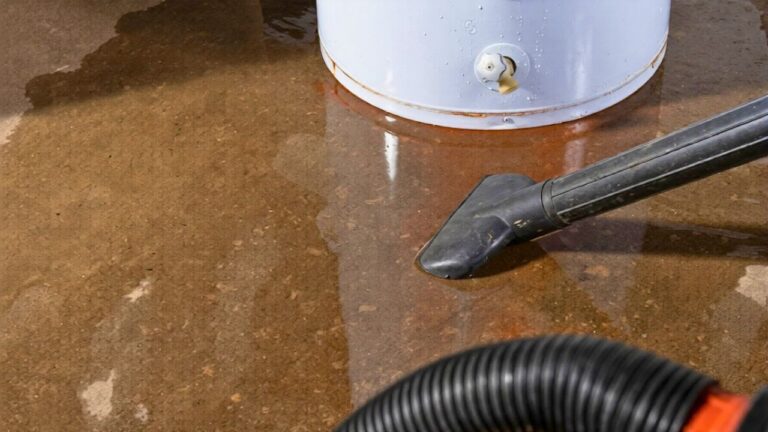
Those spikes in expense can be the final straw in a fragile budget, especially when they coincide with other pressures like job loss or medical bills. A failed water heater that floods a finished basement, a collapsed sewer line, or a dead HVAC system in the middle of a heat wave can force you to choose between urgent repairs and your mortgage payment. The shortcut of “waiting until it breaks” is not just a home maintenance issue, it is a financial risk factor that can push you toward default if you have no cushion. Treating routine upkeep as a non negotiable line item, even in lean years, is one of the quietest forms of foreclosure prevention you control.
What commercial facilities teach you about timing
If you want a clear picture of how timing affects maintenance costs, look at how commercial property managers handle their assets. In large car parks, for example, operators track cracks, stains, and surface wear precisely because they know that early intervention is cheaper than waiting for failure. One technical review explains that Higher maintenance costs long term are the inevitable result of leaving damage unattended, since small defects eventually require full resurfacing projects.
Your home may be smaller, but the physics are the same. A hairline crack in a driveway that could be sealed for a modest fee becomes a trip hazard and drainage problem if you ignore it. A minor roof leak that could be patched turns into widespread rot and insulation damage when it is left to spread. Commercial managers do not wait for catastrophic failure because they are accountable for the total cost of ownership over decades. If you adopt that mindset, you stop asking whether you can get away with skipping a task this season and start asking how to minimize the lifetime cost of the building you live in.
Building a maintenance habit that actually saves you money
The real shortcut, if you want one, is to make maintenance automatic enough that you no longer debate it every month. That starts with a simple calendar and a realistic budget. Map out the tasks that protect your biggest systems, from HVAC service and gutter cleaning to roof inspections and dryer vent work, then spread them across the year so you are never hit with all of them at once. Resources that walk through “Aug” checklists and say “Let” us explore “Gutter Cleaning” and other tasks, like the guide at Gutter Cleaning, can help you prioritize what truly matters.
Once you have that framework, use small tools and services to keep yourself honest. Set recurring reminders in your calendar app, sign up for service plans that include annual inspections, and consider those low cost devices that make problems visible before they explode. The goal is not perfection, it is consistency. If you treat your home the way a good mechanic treats a fleet of vehicles, catching issues early and addressing them before they escalate, you transform maintenance from an annoying chore into a disciplined strategy that protects both your property and your financial stability.
Like Fix It Homestead’s content? Be sure to follow us.
Here’s more from us:
- I made Joanna Gaines’s Friendsgiving casserole and here is what I would keep
- Pump Shotguns That Jam the Moment You Actually Need Them
- The First 5 Things Guests Notice About Your Living Room at Christmas
- What Caliber Works Best for Groundhogs, Armadillos, and Other Digging Pests?
- Rifles worth keeping by the back door on any rural property
*This article was developed with AI-powered tools and has been carefully reviewed by our editors.