The maintenance shortcuts that are quietly costing homeowners
You probably think of home maintenance as a list of chores you squeeze in when you have time. In reality, the shortcuts you take with that list are quietly turning into some of the biggest, most avoidable costs in your budget. When you skip small tasks or delay basic upkeep, you are not just risking inconvenience, you are setting yourself up for repairs that can run from a few thousand dollars to eye watering five figure hits.
The pattern is the same across foundations, roofs, heating systems, and even appliances: you save a little effort today, then pay a lot more tomorrow. By looking closely at where you tend to cut corners, you can see how those habits translate into real numbers and use a simple, repeatable plan to keep that money in your pocket instead.
The hidden math of “I’ll deal with it later”
Every time you decide to ignore a dripping faucet, a drafty window, or a strange noise from your furnace, you are making a financial decision, whether you admit it or not. Industry data shows that annual upkeep is already expensive, with routine home maintenance costs now able to climb above $10,000 a year once you factor in repairs and replacements. When you avoid those small, scheduled tasks, you do not erase that number, you shift it into emergency work that is more disruptive and far more expensive, especially once secondary damage spreads through walls, flooring, and mechanical systems.
That is why so many experts keep coming back to the same idea: Preventative Home Maintenance is not a slogan, it is a cost control strategy. When Erb talks about staying ahead of small issues, the point is that dust, moisture, and wear that accumulate in your filters, seals, and joints eventually trigger failures that are far more complex to fix. You might feel as if you are saving a few hundred dollars by skipping a service call or stretching a filter change, but the math flips quickly once you are facing structural repairs, mold remediation, or a dead HVAC system in the middle of a heat wave.
Foundations: the quiet crack that becomes a five figure bill
Few shortcuts are more expensive than ignoring what is happening under your feet. Foundation problems often start with subtle signs that are easy to wave away: a hairline crack along a basement wall, a door that sticks when humidity rises, or a slight slope in a hardwood floor. If you decide to “watch it” instead of investigating drainage, soil movement, or plumbing leaks, you are effectively gambling with one of the costliest categories of home repair. Industry estimates put Foundations in a league of their own, with a typical Foundation repair starting around $2,200 and climbing to $30,000 or more once structural stabilization and excavation are involved.
Those numbers are not hypothetical. When water is allowed to pool around your house because gutters are clogged or grading slopes toward the walls, hydrostatic pressure builds against the concrete and small cracks widen. If you ignore that early warning, you can end up paying not only for piers or underpinning but also for repairing damaged finishes, reframing doors and windows, and even addressing issues flagged during a future buyer’s inspection. By contrast, redirecting downspouts, maintaining gutters, and checking for soil erosion are low cost habits that protect you from the $2,200 to $30,000 range that Discovered through repair cost data.
Gutters and drainage: the shortcut that floods your budget
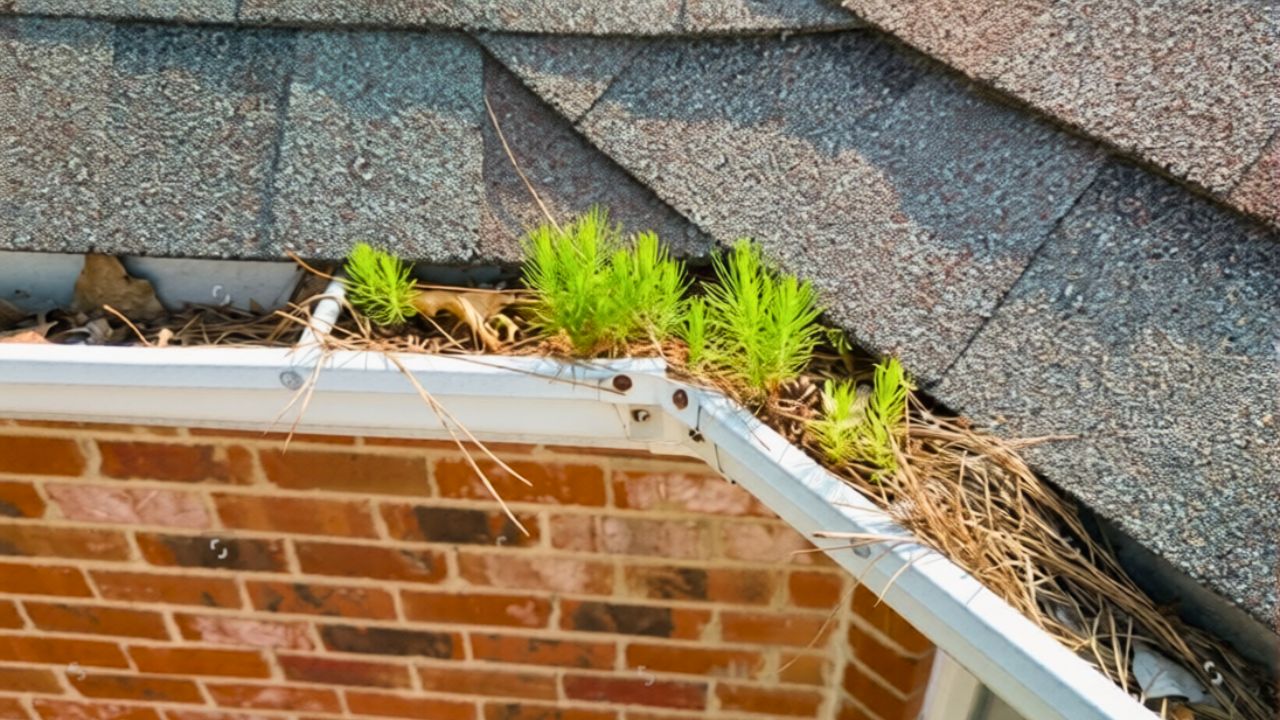
Gutter cleaning is one of the first tasks you are tempted to push off, especially when the ladder is heavy and the leaves keep falling. Yet the shortcut of skipping that chore is precisely what turns a weekend job into a flooded basement or a rotten fascia board. When you let debris pile up, water spills over the edges, saturates the soil near your foundation, and can find its way into crawl spaces and lower levels. Some real estate professionals point out that a single overflow event can lead to repairs in the range of $4,300 for a, once you factor in cleanup, damaged belongings, and restoration work.
Advice around Clearing out your gutters is so frequently repeated because it is one of the cheapest insurance policies you can buy with your own time. When a guide tells you that Gutter Clean is an often skipped maintenance task that protects you from thousands in long term costs, it is not exaggerating, it is describing the compound effect of water that repeatedly attacks the same vulnerable spots on your roofline and foundation. You can reduce that risk dramatically with a seasonal routine that includes scooping out debris, flushing downspouts, and, if you live under heavy tree cover, installing guards to reduce future clogs.
HVAC neglect: when “fine for now” ends in Emergency repairs
Your heating and cooling system is another place where shortcuts quietly snowball. You might stretch the time between filter changes, ignore a musty smell when the air conditioner kicks on, or skip the annual tune up because everything “seems fine.” That habit directly undermines both comfort and equipment life. Guidance on how often to change filters stresses that a couple of minutes spent on maintenance every few months can save you hundreds or even thousands of dollars later, because restricted airflow forces the blower and compressor to work harder and shortens their lifespan. As one HVAC specialist puts it, small effort with.
When you keep pushing off that small effort, you drift toward the scenario where your AC is blowing warm air in the middle of a heat wave and you have no choice but to call for help. Technicians warn that Skipping routine care might save you a few hundred in the short term, but it can lead to Emergency repairs, higher energy bills, or even full system replacement that costs thousands. Over time, neglect can cause compressor burnout, and specialists caution that Neglecting a thorough burnout protocol when you replace a failed compressor in an HVAC system sets you up for more contamination and another costly failure.
Filters, indoor air, and the cost of forgetting what you cannot see
Filters are the classic place where you tell yourself you will change them “next month” and then forget. That shortcut shows up on your utility bill and in your repair history. Energy experts point out that the cheapest furnace filters are disposable, designed to be used once then thrown away, yet many homeowners treat them as semi permanent. When you do that, dust and debris accumulate, airflow drops, and your furnace or air handler runs longer to achieve the same temperature. You pay more every month and you also shorten the life of the blower motor and heat exchanger, which are among the most expensive components to replace.
Guidance on home comfort repeatedly stresses that heating and cooling systems are central to your property’s long term performance. A detailed look at Heating and cooling notes that they are vital to both air quality and equipment performance. When you ignore filter changes, duct cleaning schedules, and warning signs like loud or sudden popping, banging, thumping, or metallic scraping, you invite bigger failures. Technicians are clear that No HVAC system is completely silent, but ignoring sharp new sounds is a shortcut that trades a small diagnostic visit for a major repair later.
Water heaters and plumbing: sediment, leaks, and silent damage
Water heaters are out of sight, which makes them ideal candidates for your mental “later” list. You might notice slightly rusty water or hear a rumbling sound from the tank and decide it is not urgent. Over time, that shortcut allows sediment to build up at the bottom of the tank, which raises operating temperatures, stresses the metal, and eats away at the protective anode rod. Plumbing specialists explain that Over time, sediment accumulates at the bottom of your water heater tank, causing overheating, corrosion, and higher energy bills.
Simple guidance keeps repeating the same message: Again, remember to always flush your tank each year. Sediment buildup leads to corrosion of the anode rod and can quickly shorten your unit’s lifespan. When you skip this, you might feel as if you saved an hour of work, but you are increasing the odds of a tank failure that can flood a utility room, damage flooring, and require an unplanned replacement. The same pattern shows up in small plumbing leaks: ignoring a slow drip under a sink or a sweating pipe in the basement gradually rots cabinets and framing and can invite mold, which is far more expensive to remediate than a simple fitting replacement.
Roofs, tiles, and the debris that eats your equity
Roof maintenance is another area where shortcuts quietly erode your home’s value. You might see a few leaves piled in a valley or some moss near a shaded edge and decide it is cosmetic. Over time, that organic material traps moisture against shingles or tiles, accelerates wear, and can eventually create pathways for water to reach the underlayment and sheathing. Guidance on tile roofs stresses that you should keep surfaces clear so that water can drain correctly. Also, to minimize debris accumulation and ensure efficient water drainage, you should cut all extended tree branches that overhang the roof, or hire a roof cleaner to do the job right.
Skip those steps and you may not notice the cost until a storm drives water under a lifted tile or through a worn shingle. At that point, the shortcut of avoiding a small cleaning job can turn into stained ceilings, damaged insulation, and even structural rot in rafters or trusses. Water that runs where it should not can also find its way into wall cavities, where it feeds mold and compromises drywall. When you combine neglected roof debris with clogged gutters and poor grading, you create a perfect pipeline for moisture from the top of your house to the bottom, and every stop along that path can generate a separate repair bill.
Appliances, vents, and the myth that “clean enough” is safe enough
Many of your daily use appliances keep working long after you start cutting corners on maintenance, which can lull you into thinking your shortcuts are harmless. Clothes dryers are a prime example. You might clean the lint trap regularly and assume you are covered, while ignoring the exhaust pipe that snakes through a wall or crawl space. Yet safety guidance is blunt about this Mistake: You clean your clothes dryer’s lint trap but ignore the exhaust pipe, which is where highly flammable lint can build up and restrict airflow, increasing both fire risk and drying time.
Refrigerators tell a similar story. When you never pull the unit away from the wall to vacuum coils, the compressor runs hotter and longer than it should, raising your electricity use and shortening the life of the appliance. Guidance from home care experts highlights how a few dedicated monthly chores, such as checking smoke detectors and keeping vents clear, can elevate the overall cleanliness and comfort of your space. A reminder to Clean refrigerator coils is not about perfectionism, it is about avoiding the cost of an early replacement and the disruption when a fridge fails unexpectedly.
From burnout to routine: how to stop paying for procrastination
One reason you lean on shortcuts is simple exhaustion. After a full workweek and family responsibilities, the idea of spending your Saturday flushing water heaters or checking roof tiles can feel overwhelming. Psychologists sometimes compare chronic stress to an electrical problem: a brief surge might trip a breaker, but Burnout, on the other hand, is when the entire electrical system goes out. You then have to do far more work and repair to fix the system, and the same pattern plays out with your house when you postpone maintenance until something breaks.
Building a maintenance game plan that actually saves you money
Like Fix It Homestead’s content? Be sure to follow us.
Here’s more from us:
- I made Joanna Gaines’s Friendsgiving casserole and here is what I would keep
- Pump Shotguns That Jam the Moment You Actually Need Them
- The First 5 Things Guests Notice About Your Living Room at Christmas
- What Caliber Works Best for Groundhogs, Armadillos, and Other Digging Pests?
- Rifles worth keeping by the back door on any rural property
*This article was developed with AI-powered tools and has been carefully reviewed by our editors.