The mistake that turns small repairs into big ones
Every homeowner has a story about a tiny issue that quietly grew into a budget‑wrecking repair. The pattern is almost always the same: you notice something small, tell yourself you will get to it later, and by the time you finally act, the damage has spread behind walls, under floors, or into your home’s value. The real mistake is not the loose tile or faint stain itself, but the decision to ignore or cheap out on it until it becomes a major project.
If you want to protect both your property and your savings, you have to treat “little” problems as early warning systems instead of background noise. That means changing how you plan projects, how you hire help, and how you decide what can safely be a do‑it‑yourself job. The difference between a quick fix and a full‑scale renovation often comes down to what you do in the first 48 hours after you spot something wrong.
The quiet habit that wrecks your home’s value
The most common way you turn a small repair into a big one is by normalizing minor defects. A sticky window, a hairline crack in drywall, or a slow bathroom drain can feel too trivial to schedule, so you adapt instead of fixing. Over time, that habit of postponing becomes part of how you live in the house, and by the time you are ready to sell or refinance, those “little” issues have multiplied into a long inspection report and a lower appraisal.
Real‑estate pros warn that Skipping routine maintenance is one of the fastest ways to erode your home’s value because small repairs can quickly turn into big problems that buyers use as leverage. The same guidance flags over‑personalizing finishes and visible DIY fails as red flags that scare off offers or invite lowball bids. When you let minor issues linger, you are not just tolerating inconvenience, you are quietly discounting your own property.
When a tiny stain becomes a full ceiling disaster
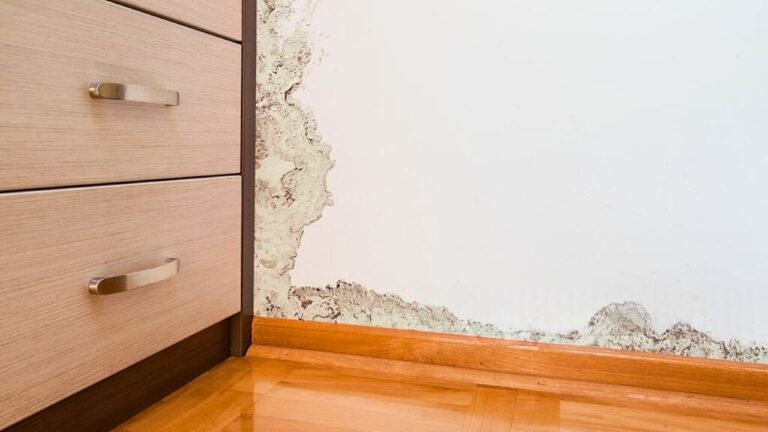
Water damage is the clearest example of how hesitation turns into a major bill. A faint yellow ring on the ceiling or a slightly soft spot in drywall rarely looks urgent, especially if it seems to dry out between storms. You might tell yourself it is just an old leak or a one‑time event, but that small mark is often the first visible sign of an active problem in your roof, plumbing, or upstairs bathroom.
Specialists point out that even the smallest stain on your ceiling is rarely just cosmetic, it is usually the first clue to a leak that can spread across joists, insulation, and finishes if you ignore it. By the time the damage is obvious, you may be paying to replace framing, insulation, and paint across an entire room because that smallest stain was treated as a cosmetic annoyance instead of a structural warning. Acting early, even with a simple moisture check and a targeted repair, is almost always cheaper than waiting for gravity to finish the job.
Why “doing it cheap” costs you the most
Even when you decide to tackle a problem, you can still set yourself up for a bigger repair by chasing the lowest possible price. It is tempting to buy bargain materials, skip permits, or hire the cheapest contractor you can find, especially for projects that feel straightforward. The trouble is that poor workmanship and substandard products often fail faster, which means you end up paying twice: once for the cut‑rate job and again for the professional who has to undo it.
Renovation experts warn that trying to save money by Trying to DIY complex work or hiring the absolute cheapest contractor usually becomes the most expensive option. When you cut corners on waterproofing, electrical work, or structural changes, you risk failures that damage other parts of the house and can even create safety hazards. Quality work does not just look better, it protects the systems around it, which is why the “cheap” route so often leads straight to a full‑scale redo.
The planning mistake that starts every renovation problem
Many costly repairs do not begin with a hammer, they begin with a rushed plan. You might jump into a kitchen update because a cabinet door broke, or start tearing out a shower because of a cracked tile, without mapping how the work will affect plumbing, ventilation, or future upgrades. When you skip that upfront thinking, you are more likely to open a wall and discover surprises that force you into a much larger project than you intended.
Seasoned investors stress that renovation problems rarely start on site, They usually start in planning. In their view, 80% of a successful renovation is decided before anyone steps onto the job site, through clear scopes, realistic budgets, and contingency plans. When you skip that level of preparation, you are far more likely to discover hidden damage mid‑project and feel pressured to expand the work, turning what could have been a contained repair into a full remodel.
The listing trap: ignoring small fixes before you sell
If you are preparing to sell, overlooking minor repairs is one of the fastest ways to shrink your net proceeds. Loose doorknobs, cracked outlet covers, dripping faucets, and scuffed baseboards all send the same message to buyers: if the visible details are neglected, what is happening behind the walls? That perception can be more damaging than the actual cost of the repairs, because it invites aggressive negotiation and longer days on market.
Agents note that Most sellers fall into the same pattern when prepping a home: Spending on the wrong upgrades, Ignoring small repairs, and wasting effort on cosmetic flourishes that do not move the price. A buyer will usually notice a sticking door or a cracked tile before they appreciate a new light fixture, and inspectors will certainly document every deferred repair. By tackling the punch list of small issues first, you protect your asking price and avoid last‑minute credits that can cost far more than the fixes themselves.
Focusing on looks while problems grow behind the walls
Another way small repairs balloon is when you prioritize aesthetics over function. It is easy to get excited about new countertops, trendy paint colors, or a statement light fixture while ignoring a slightly outdated electrical panel or a bathroom fan that barely works. That imbalance can leave you with a beautiful space that hides aging systems, which eventually fail and force you to rip out those fresh finishes to access the real problem.
Guides to Home Renovation Mistakes highlight that Focusing on Aesthetics Only is a classic misstep, because Everyone wants a beautifully redone kitchen or bathroom, but ignoring ventilation, waterproofing, and structural needs sets you up for mold, leaks, or cracks later. When you paint over water stains or tile over a spongy subfloor, you are not solving anything, you are simply delaying the moment when a small, manageable repair becomes a demolition job.
Hiring the wrong help for the job
Even if you are willing to spend for professional work, choosing the wrong person can turn a modest repair into a saga. A contractor who lacks the right license, experience, or insurance may misdiagnose the issue, apply a superficial fix, or create new problems while working. You might not notice immediately, but months later you can find yourself paying a second professional to correct the original mistake and address the additional damage.
Veteran renovators point out that One of the biggest errors homeowners make is not hiring the right contractor in the first place. Interior designer and home flipper Cortney Novogratz has seen how poor choices in tradespeople, sometimes documented as “Courtesy of Ro” in project photos, lead to uneven floors, misaligned cabinetry, and water issues that all trace back to rushed hiring decisions. When you vet credentials, check references, and insist on clear contracts, you reduce the odds that a simple repair spirals into a multi‑visit rescue mission.
Underestimating scope, cost, and your own bandwidth
Small repairs often grow because you misjudge what they really involve. Replacing a few cracked tiles can reveal a rotted subfloor, swapping a light fixture can expose outdated wiring, and moving a wall can uncover structural changes from a previous owner. If you start these projects without a realistic sense of scope and cost, you can run out of money or energy halfway through, leaving the house in worse shape than when you began.
Home insurance and renovation advisors warn that many owners get into trouble by ignoring the Table of Contents of common pitfalls, including Not reviewing coverage, Underestimating the project scope and cost, and Trying to tackle too many projects at once. When you underestimate the time and disruption involved, you are more likely to cut corners, skip inspections, or leave work unfinished, all of which can magnify the original problem. Building in a contingency budget and limiting how many projects you run at the same time keeps small repairs from snowballing into a house‑wide construction zone.
DIY misfires that create bigger problems than they solve
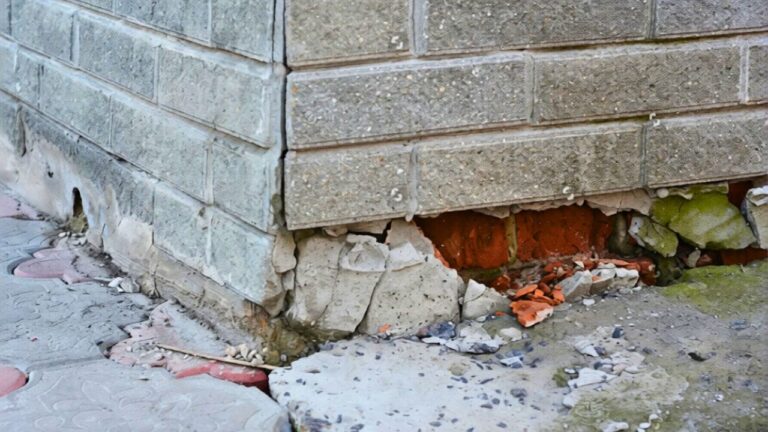
Do‑it‑yourself work can absolutely save money, but only when you match the task to your skills and tools. When you take on projects that require specialized knowledge, you risk creating hidden defects that are far more expensive to fix than the original issue. A mis‑sloped patio, a poorly sealed shower, or a makeshift drainage trench can quietly channel water toward your foundation or siding, turning a weekend project into a long‑term liability.
Professionals who are called in to repair botched jobs describe vivid examples, from Flower Beds Gone where decorative boxes were installed in ways that trapped moisture against siding, to interior projects where They used materials designed for exterior use inside the home. Another account of Poor Drainage Solutions describes how a homeowner’s DIY grading effort pushed water toward the foundation instead of away from it, causing damage that far exceeded what a proper system would have cost. When you are honest about where DIY ends and licensed expertise begins, you keep well‑intentioned fixes from becoming the next big repair on your list.
Like Fix It Homestead’s content? Be sure to follow us.
Here’s more from us:
- I made Joanna Gaines’s Friendsgiving casserole and here is what I would keep
- Pump Shotguns That Jam the Moment You Actually Need Them
- The First 5 Things Guests Notice About Your Living Room at Christmas
- What Caliber Works Best for Groundhogs, Armadillos, and Other Digging Pests?
- Rifles worth keeping by the back door on any rural property
*This article was developed with AI-powered tools and has been carefully reviewed by our editors.