The mower blade “upgrade” that usually cuts worse
You are constantly told that a sharper, more aggressive mower blade will transform your lawn overnight, yet many upgrades leave you with a rougher cut, more clumps and a mower that sounds like it is working harder than ever. The problem usually is not your grass, it is a mismatch between the blade you bolt on and the machine and yard you actually have. When you understand how blade design, balance and installation really affect cut quality, you can avoid the popular “upgrade” that quietly makes your mower perform worse.
Instead of chasing the flashiest new part, you are better off choosing a blade that fits your deck, your engine power and the way you like to handle clippings. Paired with basic maintenance and a few setup checks, the right choice delivers a cleaner cut, healthier turf and a mower that lasts longer, without wasting money on hardware that fights the rest of your system.
How marketing turns every blade into an “upgrade”
When you search for replacement blades, you are flooded with promises of “extreme lift,” “gator teeth” and “3-in-1 performance,” often attached to generic products that claim to fit dozens of different decks. On a typical search results page you might see a single product pitched as the answer for multiple brands and cutting widths. The message is simple and seductive: if your stock blade is “basic,” anything with more features must cut better.
In reality, those broad compatibility claims often gloss over details such as exact length, center hole shape and offset, which determine how the blade sits in your mower and how close it comes to the deck shell. When you treat every aftermarket option as an upgrade instead of a tradeoff, you are more likely to end up with a part that technically bolts on but quietly changes airflow, discharge pattern and even safety clearances. That can mean more uncut stragglers, more clumping and a mower that feels rougher in your hands, even though you paid extra for the privilege.
What your stock blade is already designed to do
Your factory blade is not just a piece of steel that happened to be nearby on the assembly line. It is chosen to match your deck size, chute design and engine power, and in many cases it is already a 3-in-1 style that can bag, mulch or side discharge. Many Troy, Bilt walk-behind mowers, for example, ship with blades that are meant to handle multiple tasks in one design, and the company explains that the difference between high lift and mulching profiles is about how they manage airflow and clippings, not about one being universally better than the other. With that in mind, your “plain” blade is usually a carefully balanced compromise.
On a typical consumer deck, the stock profile is tuned so the engine does not bog in average grass height, the discharge stays reasonably clean and the mower does not spray debris directly at you. Swap that for a more aggressive pattern without considering engine horsepower or deck shape and you can upset that balance. A high lift edge that works beautifully on a commercial deck with strong airflow can overload a small residential engine, even if the mounting holes line up perfectly.
High lift blades: great on paper, harsh in your yard
High lift blades are often marketed as the quickest way to a cleaner, more professional looking cut, because their tall, steep trailing edges create strong suction that stands grass upright. A distributor that focuses on professional equipment notes that a high lift pattern delivers maximum airflow for the best cut, but also points out that it needs a higher horsepower mower to perform, and that using it on an underpowered machine can cause clumping and poor discharge. When you bolt one of these blades to a modest walk-behind or lawn tractor, you ask the engine to spin a fan that is far more aggressive than the deck was built to handle.
If your mower does not have the power or deck volume to keep up, the strong vacuum that looked so appealing in a catalog can start to work against you. Instead of pulling each blade of grass cleanly into the cutting edge, the deck fills with clippings that recirculate, stick to the shell and leave behind heavy clumps. You may also notice more dust and debris thrown into the air, especially on dry soil, because the high lift design is literally pulling more material off the ground. On a windy suburban lot, that can mean more grit in your eyes and more time spent cleaning off siding and cars parked nearby.
Why mulching blades are not a cure‑all either
At the other end of the spectrum, you are told that mulching blades will fix almost every problem by chopping clippings into fine pieces that disappear into the turf. A parts supplier describes Mulching Blades as multifunction designs that are ideal if you do not plan to clean up clippings, since they cut and recut grass so it can return nutrients to the soil. That is accurate, but it also hints at the tradeoff: the same curved edges and extra cutting surfaces that boost recutting also add drag and keep clippings in the deck longer.
On a mower that is already near its limit, those features can turn into drawbacks. If you mow infrequently and tackle tall, wet grass, a mulching profile can bog the engine, leave windrows and force you to slow to a crawl. In some cases, you may see more uncut stragglers because the blade spends so much energy recirculating clippings that it cannot maintain tip speed under load. Unless your deck is specifically designed for mulching, with baffles that manage circulation, simply swapping in a mulching blade can produce a worse looking lawn than the simpler stock option you replaced.
Gator and “specialty” blades: when more teeth do not mean more quality
Gator Blades Gator style patterns, sometimes called serrated blades, promise to combine mulching and bagging into one aggressive package. A blade guide explains that Gator Blades Gator profiles use raised, toothed trailing edges to continually cut and recut clippings, which can make them attractive for a final cut of the season at the end of fall when you are chewing through leaves. For that specific use, they can work well, especially on a powerful zero turn with a deck built for heavy debris.
As an everyday upgrade on a small lawn tractor or 21 inch walk-behind, however, those same teeth can be overkill. The extra turbulence they generate can increase noise, lift more dust and require more power to spin at full speed. A comparison table titled What are the Differences Between Lawn Mower Blade Types lists these serrated designs as particularly useful for handling leaves, especially in the fall with leaves, which again shows how situational they are. If you rarely mulch leaves and mostly want a clean weekly cut on typical turf, you may find that a standard high lift or combination blade gives you a smoother, more consistent result than the flashier serrated option.
When the “wrong blade” is literally the wrong blade
Sometimes the upgrade fails not because of design philosophy but because the part simply is not the right fit for your mower. A repair guide points out that if your mower blades are not cutting properly, you should consider whether you have the Wrong Blade installed, since a pattern that is not meant for your deck can sit at the wrong height or angle even when it appears to bolt on correctly. The same source notes that if the blades are dull you should remove them and have them sharpened, but that step only helps if the underlying geometry matches what your mower was built around.
Using a blade that is slightly too long can cause it to strike the deck shell or leave minimal clearance, which affects airflow and safety. A pattern with the wrong center hole can wobble or clamp unevenly, which leads to vibration and an uneven cut. In some cases, the lift wings may be oriented for a different rotation direction, so they push air the wrong way and starve the deck of circulation. When you treat “fits this model” on a generic package as the only requirement, you increase your chances of ending up with a part that your mower can physically spin but cannot use effectively.
Sharpness and balance: the unglamorous upgrades that actually work
Before you chase exotic blade profiles, you get far more benefit from keeping your existing blade sharp and balanced. A service shop that focuses on lawn equipment explains that if you have dull or blunt mower blades, they create a ragged cut and tear the grass, which can lead to brown patches and an overall unhealthy appearance. That damage shows up as frayed tips that dry out, and no amount of high lift or fancy serrations will hide it if the edge itself is rounded off.
Sharpening is only half the story. A maintenance guide on Tips and Tricks for Keeping Your Mower Blades Sharp and Balanced states that Balanced blades help prevent excessive vibration, which can lead to uneven cuts and potentially damage your mower. Another tutorial on Balancing a lawnmower blade explains that balancing a lawnmower blade is extremely important for effectively mowing your lawn, since an unbalanced blade can cause uneven lawn wear, extra mechanical wear and excessive vibrations that you feel through the handle. When you invest a few minutes in balancing after each sharpening, you often gain more cut quality than you would from any off the shelf upgrade.
Installation mistakes that sabotage any blade
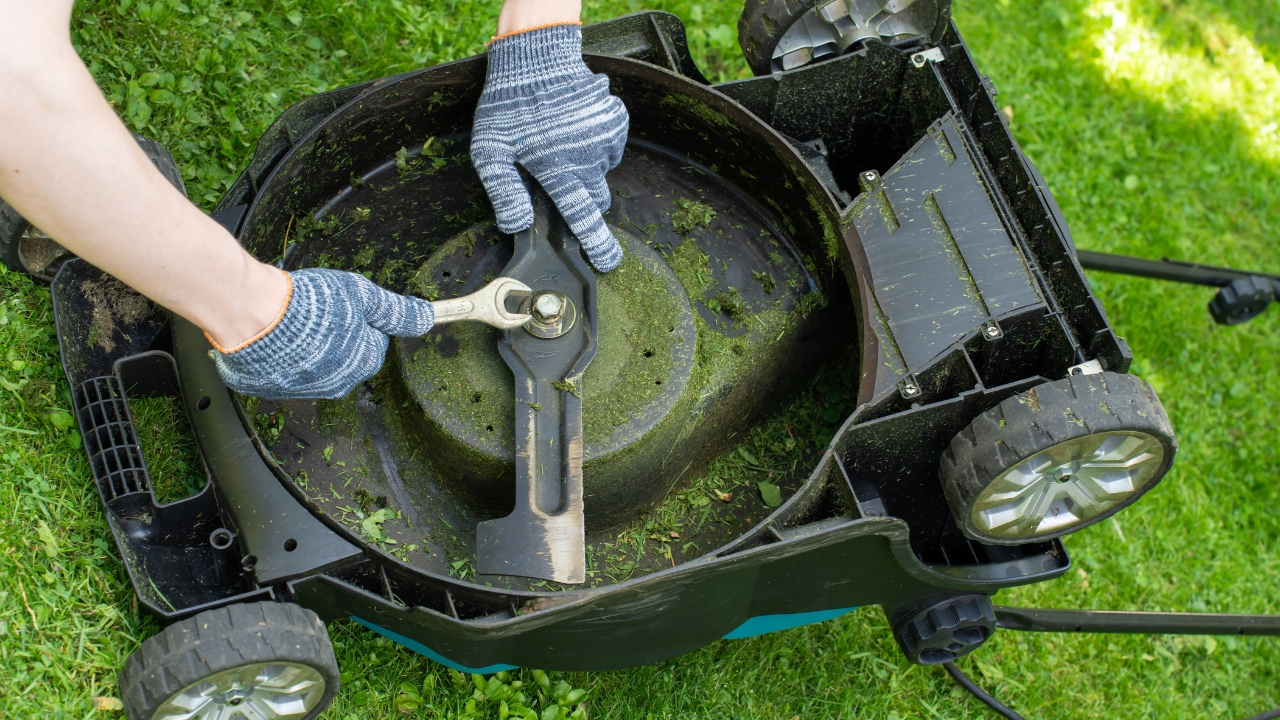
Even the best blade will perform badly if you install it incorrectly, and the most common mistake is also the most avoidable. A discussion in a lawn care forum highlights that the Number one mistake is installing the blade upside down, which puts the sharp edge facing the wrong direction and the lift wings pointing toward the ground. Another commenter notes that There should be clear markings on many blades, yet people still rush the job and forget to check before tightening the nut. When that happens, you can mow an entire yard before realizing why the grass looks shredded instead of cut.
Other small errors add up. If you fail to torque the mounting hardware properly, the blade can slip on the spindle and change orientation, which affects cut height and may lead to scalping. A Q&A on whether you can put lawn mower blades on upside down explains that if you put the blade the wrong way, it will not cut properly because the sharp part faces the wrong way, and Still, a lot of blades have stamped indicators that go ignored. Taking an extra minute to confirm orientation, torque and that you have reinstalled all spacers and washers often does more for cut quality than any advertised performance feature.
How mowing habits can make any upgrade look bad
Even with the right blade, sharp edge and perfect installation, your mowing habits can undo the benefits. A manufacturer that focuses on cut quality explains that Driving faster than the mower blades and deck can process overwhelms the deck and leaves behind stragglers and clumping, and that Slowing down lets the deck lift, cut and discharge grass clippings evenly. If you pair an aggressive high lift or mulching blade with a habit of racing across the yard, you are almost guaranteed to see uneven results, no matter how advanced the hardware looks in photos.
Your maintenance schedule matters just as much. A guide on Signs It’s Time To Replace Your Lawn Mower notes that Poor cutting performance is one of the most obvious signs that your mower is on its way out, and that a properly functioning mower should not leave patches of grass all over your yard. If you wait until the cut is visibly bad before checking blade condition, deck cleanliness or engine performance, you may blame the blade pattern for problems that actually come from a clogged deck, dull edge or tired engine. Consistent cleaning, timely sharpening and realistic ground speed often turn a so called basic blade into a reliable performer that quietly outcuts many of the upgrades you are offered.
Like Fix It Homestead’s content? Be sure to follow us.
Here’s more from us:
- I made Joanna Gaines’s Friendsgiving casserole and here is what I would keep
- Pump Shotguns That Jam the Moment You Actually Need Them
- The First 5 Things Guests Notice About Your Living Room at Christmas
- What Caliber Works Best for Groundhogs, Armadillos, and Other Digging Pests?
- Rifles worth keeping by the back door on any rural property
*This article was developed with AI-powered tools and has been carefully reviewed by our editors.