The nuisance animal mistakes that make the problem worse on rural land
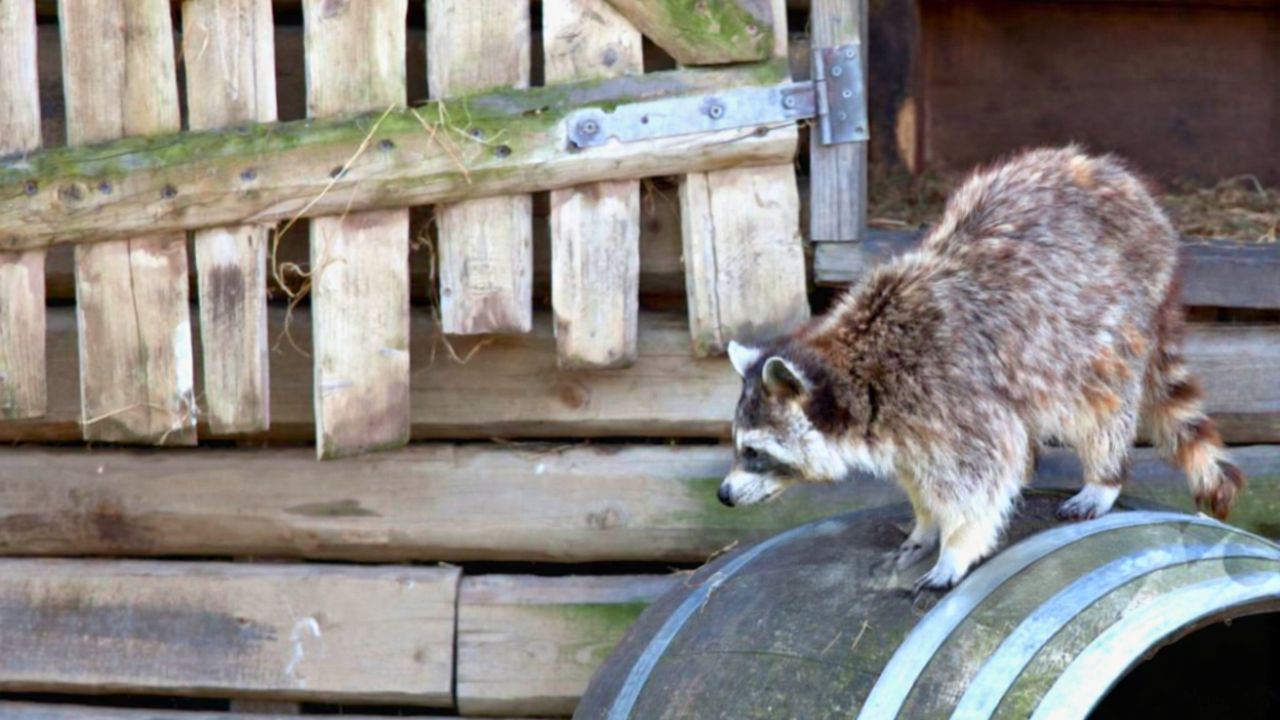
On working land, nuisance animals are rarely just a minor irritation. A raccoon in the feed room, feral hogs in the hay field, or groundhogs under a barn can quietly erode your margins, damage infrastructure, and create health risks for people and livestock. The costly twist is that many well‑intentioned responses actually train wildlife to stick around, turning a manageable issue into a chronic problem.
If you manage rural property, the real risk is not only the animals themselves but the avoidable mistakes that invite them back, season after season. By understanding where landowners commonly go wrong, you can swap quick fixes for strategies that protect your buildings, crops, and pastures over the long term.
1. Treating wildlife like a one‑off emergency instead of a recurring system
Most rural landowners react to nuisance animals as if they are isolated incidents, not symptoms of how the property is set up. You see a skunk under the shed or a raccoon in the corn, grab whatever trap or repellent is handy, and hope the problem disappears. That “put out the fire” mindset is exactly what many professionals warn against, because it skips the basic step of having a structured response that fits your land, your livestock, and your tolerance for risk. When you do not step back to ask why animals are choosing your place, you end up chasing symptoms instead of fixing causes.
Urban and suburban guidance translates directly to rural settings here. Many experts describe how Not Having a clear Plan leads people to bounce from one tactic to another without any measurable goal, which wastes time and money while animals keep learning your routines. On acreage, that might look like moving a trap from barn to barn, or swapping brands of deterrent, without ever mapping burrows, den sites, or food sources. A better approach is to treat nuisance control as a management system: document where you see sign, decide what level of damage you will tolerate, and set a schedule for inspection, exclusion, and follow‑up so you are not improvising every time something rustles in the feed room.
2. Misidentifying the animal and guessing at its behavior
Another mistake that quietly sabotages rural control efforts is assuming you know what you are dealing with based on a glimpse at dusk or a single track in the mud. Different species have very different habits, breeding cycles, and legal protections, and if you misread the culprit you can spend weeks targeting the wrong behavior. Professionals stress that you should Not Identifying the Pest Properly, because All wildlife problems hinge on the specific animal’s biology: a groundhog’s burrow pattern is not a skunk’s, and a rat’s gnaw marks are not a squirrel’s.
Extension specialists echo that point, noting that effective yard and garden protection starts with Identify first, because Different species respond to different exclusion methods, fencing heights, and repellents. On rural land, that means slowing down long enough to confirm whether the animal is a vole, rabbit, armadillo, or something larger before you invest in fencing, traps, or toxicants. Trail cameras, track plates, and careful inspection of droppings and damage patterns can save you from building the wrong fence or baiting the wrong burrow, which only teaches the real offender that your property is a low‑risk feeding ground.
3. Relying on over‑the‑counter gimmicks instead of fixing attractants
When wildlife starts chewing wiring or raiding feed, it is tempting to reach for whatever spray, granule, or gadget is on the shelf at the farm store. Those products promise quick relief, but they rarely address why animals are there in the first place. Professionals warn that Over the counter deterrents often mask the issue for a few days while animals simply shift to a new entry point or feeding area. Cheap devices can also fail at the worst time, leaving you with a false sense of security while damage continues out of sight.
On working land, the more durable fix is to remove what draws animals in. Wildlife agencies emphasize that Common food attractants like trash, pet feed, spilled grain, and unsecured compost are what keep raccoons, opossums, and rodents cycling through the same yards and barns. If you keep dog food in open pans on the porch, leave cracked corn under the auger, or let silage seep along a bunker wall, no amount of scented granules will convince animals to leave. Tight lids on feed bins, regular cleanup around augers and mixers, and secure trash handling do more to change wildlife behavior than any gadget that claims to “repel” everything from mice to coyotes.
4. Ignoring how your own routines attract wildlife
Many rural problems are self‑inflicted, not because you invite animals on purpose, but because daily habits create a buffet. Leaving grain in open wagons overnight, stacking firewood against the house, or letting fallen fruit rot under orchard trees all send the same message to raccoons, rats, and skunks: this is a safe, predictable place to eat. Local guidance notes that Many property owners Don unintentionally Attract Wildlife by how they store food in the pantry, manage trash, or leave pet dishes outside, and the same logic applies to feed rooms and equipment sheds.
State wildlife programs go further, explaining that you can Prevent Problems by Living with wildlife in mind and following each Rule that reduces access to food and shelter. That includes feeding pets indoors when possible, cleaning up spilled grain that would otherwise draw opossums, raccoons, and skunks, and keeping brush and lumber piles away from buildings so they do not become den sites. On rural land, it is easy to normalize clutter and leftovers because there is more space, but those “temporary” piles and open containers are exactly what turn a passing animal into a resident one.
5. Skipping inspection and hardening of buildings and edges
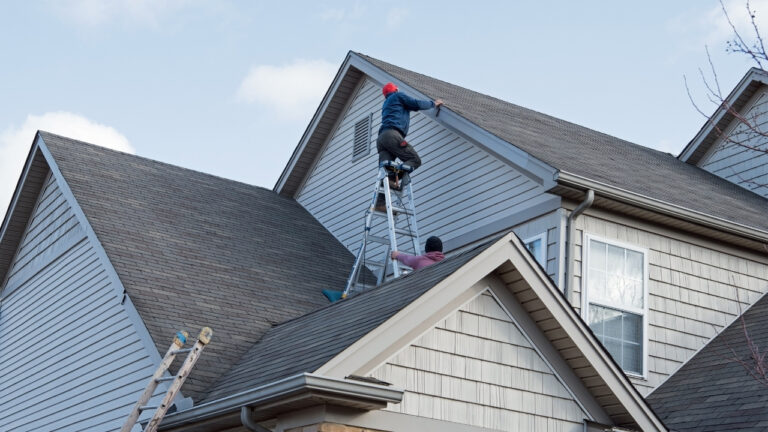
Another way landowners make problems worse is by treating wildlife as an outdoor issue only. In reality, barns, well houses, pump sheds, and crawlspaces are prime real estate for rodents, snakes, and larger mammals. If you never walk the perimeter with a critical eye, you miss the small gaps and rotted boards that let animals move from pasture to structure. Prevention specialists stress that thorough Home Inspection and Sealing Common Entry Points is the backbone of long term control, because Animals are clever but Most intrusions start with the same predictable weaknesses.
On rural properties, that inspection should extend beyond the house to every outbuilding, grain bin, and livestock shelter. Wildlife agencies outline What You Can Do to Prevent and Resolve Nuisance Wildlife Issues, noting that Calling a professional is not always necessary if You invest time in sealing gaps, repairing shoddy or weak shelters, and maintaining doors and vents. For a rural operator, that might mean adding hardware cloth to soffit vents, installing kick plates on barn doors to stop rodents, or pouring a small concrete lip under a feed room wall so burrowing animals cannot pop up inside. Every hole you close is one less place for wildlife to den, breed, and expand the problem.
6. Using the wrong traps, or using them carelessly
Trapping can be an effective tool on rural land, but only if it is done with the right equipment and attention to detail. Many landowners grab the cheapest cage or snap trap they can find, set it in a hurry, and then wonder why it is empty or, worse, why an animal escaped after being caught. Industry guidance points out that Cheap traps are frequently undersized, poorly built, or not suited to the target species, which leads to injuries, escapes, and animals that become trap shy and harder to manage in the future.
Technicians also warn that improper setup is a major source of failure. One analysis notes that in certain situations, failure to secure a cage trap to a solid base can let a strong animal roll or drag it until the door pops open, which is why you should pay attention to details like anchoring and choosing the right trap for your target animal. On rural land, that might mean staking a coyote trap to a heavy board so it cannot be flipped, or wiring a raccoon cage to a fence post so it stays level and stable. Checking traps frequently, shading them in hot weather, and following local regulations are not just legal requirements, they also keep you from creating suffering and stress that can spill over into more aggressive behavior around people and livestock.
7. Assuming relocation is the humane answer
When you finally catch a problem animal, it can feel kinder to haul it down the road and let it go. On rural land, where there is “plenty of space,” relocation seems like the obvious humane choice. Yet wildlife specialists increasingly warn that this instinct can do more harm than good, both for the animal and for the landscape you are dropping it into. Displaced animals face territorial fights, starvation, and disorientation, and they can carry diseases and parasites into new populations that have no immunity.
Reporting on raccoons illustrates the stakes clearly, explaining that Trapping and relocating a raccoon is both illegal in many jurisdictions and dangerous because it can spread parasitic organisms commonly found in raccoons to new areas. On working land, that risk is not abstract: you could be moving pathogens closer to your own livestock or to a neighbor’s poultry barns. A more responsible approach is to focus on exclusion, habitat modification, and, where necessary and legal, humane euthanasia carried out under local rules, rather than exporting your problem to someone else’s watershed.
8. Overlooking habitat edges and “small” attractants
Rural landowners often focus on big-ticket items like feed storage and fencing, while ignoring the subtle habitat features that keep wildlife close. A low spot that holds water, a clogged gutter, or a leaky spigot can provide the moisture that rodents, insects, and larger animals need, especially in dry periods. Prevention specialists emphasize that yard management and habitat modification, including fixing leaky spigots and unclogging gutters, is just as important as sealing buildings, because water is often the limiting resource that concentrates wildlife activity.
Garden and landscape guidance adds that features like birdbaths, fountains, or pet water bowls can unintentionally support nuisance animals if they are not managed carefully, which is why experts pair advice on water with reminders to use repellents correctly and to always read the label. The same sources that urge you to Tips for yard care also stress that Different attractants, from standing water to dense groundcover, can turn the edges of fields, ditches, and fencerows into travel corridors and den sites. On a farm or ranch, walking those edges with a critical eye, mowing or thinning where appropriate, and managing water features can break up the “highways” that bring animals from wild habitat straight into your barns and gardens.
9. Expecting rules of thumb to work on every species
Finally, many rural landowners lean on simple rules of thumb that sound good but fall apart in the field. You might hear that a certain bait “always” works for groundhogs, or that a particular scare device will keep deer out of the orchard. Field technicians caution that wildlife does not read the rulebook, and that some species, like GROUNDHOGS, quickly adapt to patterns that humans repeat. One case study even notes that GROUNDHOGS HATE RULES, because they learn to ignore predictable tricks once they realize there is no real threat behind them.
State and extension programs reinforce that message by encouraging landowners to combine tactics instead of relying on a single gadget or habit. Guidance on how to Living with wildlife and each Rule for long term control stresses that flexibility is essential: you may need to rotate repellents, change trap locations, or adjust fencing as animals adapt. On rural land, that mindset shift is crucial. When you stop expecting one trick to solve everything and instead build a layered strategy that addresses food, water, shelter, and access, you turn nuisance control from a frustrating game of whack‑a‑mole into a manageable part of running productive ground.
Like Fix It Homestead’s content? Be sure to follow us.
Here’s more from us:
- I made Joanna Gaines’s Friendsgiving casserole and here is what I would keep
- Pump Shotguns That Jam the Moment You Actually Need Them
- The First 5 Things Guests Notice About Your Living Room at Christmas
- What Caliber Works Best for Groundhogs, Armadillos, and Other Digging Pests?
- Rifles worth keeping by the back door on any rural property
*This article was developed with AI-powered tools and has been carefully reviewed by our editors.