The one extension cord “upgrade” that makes overheating more likely
Extension cords promise a quick fix when an outlet is just out of reach, but the wrong “upgrade” can quietly turn that convenience into a fire risk. The most dangerous change you can make is not a fancy surge strip or a smart plug, it is treating your cord like a permanent, all‑purpose power solution and pushing it beyond what it was built to handle. When you combine more load, more length, and less ventilation, you create the perfect conditions for overheating.
Understanding why that happens gives you real leverage over your home’s safety. Once you see how heat builds inside the copper, insulation, and plastic housing, it becomes obvious which habits are safe and which “upgrades” are really downgrades in disguise.
The hidden risk behind “more outlets” upgrades
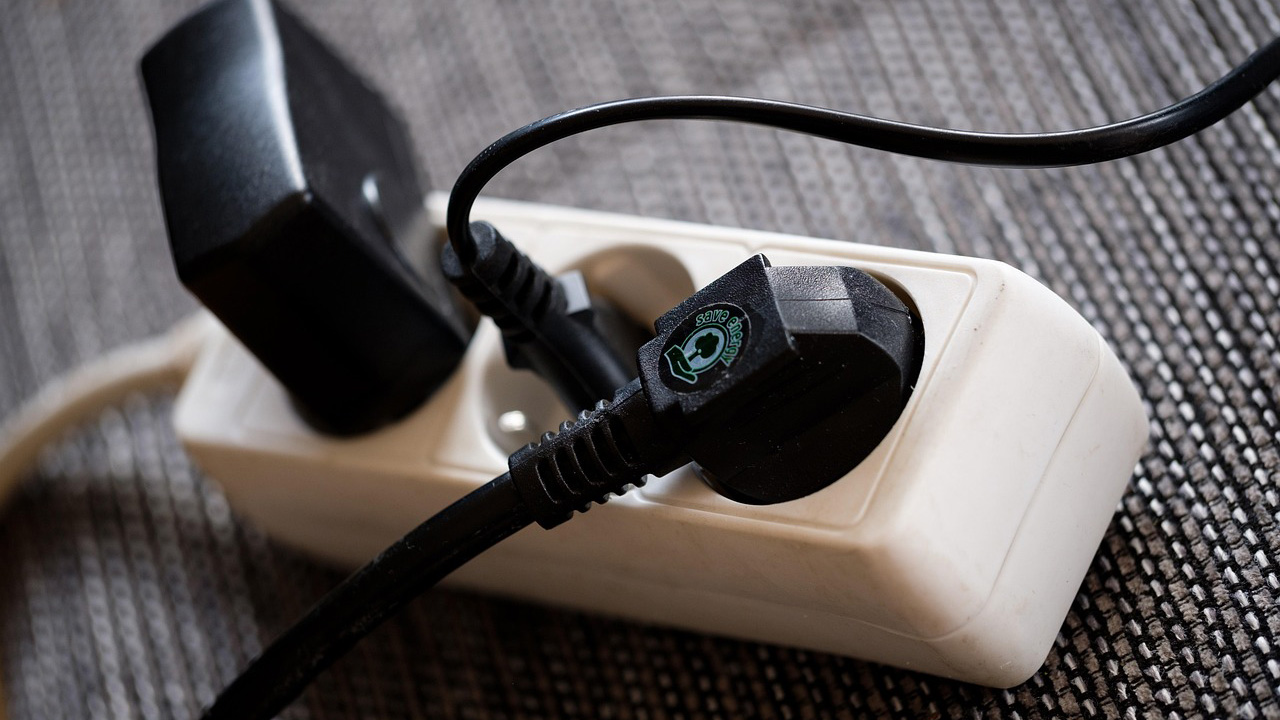
The extension cord “upgrade” that most reliably drives overheating is the one that seems most practical: adding more outlets so you can plug in more gear from a single wall receptacle. Whether you swap a basic cord for a multi‑outlet version or daisy‑chain a power strip into the end, you are inviting yourself to connect more devices than that cord was ever meant to carry. The cord does not care that the plastic head now has six sockets instead of one, it still has the same internal copper conductors and the same current limit.
Once you start filling those extra outlets with high‑demand devices, you are effectively overloading the cord. Guidance on Plugging multiple high‑wattage devices into one cord warns that this kind of “more outlets” setup can push the conductors past their safe temperature, especially if the wire gauge is not a lower AWG (thicker wire). The plastic housing might look like an upgrade, but the real capacity is set by the copper inside, and that does not change just because you added more places to plug in.
Why more load means much more heat
Once you understand how heat scales with current, the danger of that multi‑outlet upgrade becomes clearer. Electrical power lost as heat in a cord is proportional to the square of the current, so when you double the current, you do not just double the heat, you quadruple it. That means a cord that runs barely warm with a single lamp can become alarmingly hot when you stack on a space heater, a gaming PC, or multiple light strands, even if the total wattage still looks modest at a glance.
Analysis of cords used with multiple light strings explains that Heat generation increases exponentially with current and that if you Double the load, the heat output can jump by a factor of four. When you add outlets and then fill them, you are not just nudging the cord closer to its rating, you are multiplying the internal temperature rise. That is why a cord that feels only slightly warm under a single appliance can cross into unsafe territory once you treat it as a mini power strip.
Length, resistance, and the physics you cannot see
Another quiet side effect of “upgrading” to a longer, multi‑outlet cord is that you are increasing the distance electricity has to travel, and with it the resistance. Every extra foot of copper adds a little more opposition to current flow, which in turn creates more heat for the same load. You might not notice any difference in how your devices run, but inside the insulation, that extra resistance is turning more electrical energy into warmth.
Technical explanations of Extension Cord Resistance note that the material, length, and thickness of the wire all determine how much the cord heats up because the current has to travel a greater distance. When you “upgrade” from a short, heavy‑duty cord to a much longer, thinner one just to reach a distant outlet, you are trading away safety margin. Combine that with extra outlets and you have more resistance, more current, and more heat all working against you at once.
Coiling and bundling: the silent heat trap
Even if you pick a cord with the right rating, the way you physically arrange it can turn a safe setup into a hazard. Many people treat excess length as clutter to be tamed, so they coil the cord tightly, loop it on a hook, or stuff it behind furniture. That neat‑looking bundle is exactly what you should avoid when the cord is under load, because it traps heat and can push the insulation to temperatures it was never designed to withstand.
Guidance on Why Does a Coiled Extension Lead Heat Up explains that The Heating Effect of Coiled Extension Leads comes from Increased Resistance and reduced air circulation. When the cord is wrapped on itself, each loop warms the next, and the lack of airflow blocks heat dissipation. The recommendation is simple and strict: Uncoil the Extension Cord Completely when it is in use so air circulation and heat dissipation can keep up with the load.
High‑wattage appliances and the “just this once” mistake
The most dangerous way to exploit that extra outlet capacity is to plug in high‑wattage appliances that were never meant to run through a cord in the first place. Space heaters, portable air conditioners, and large dehumidifiers can draw close to the maximum a typical household circuit can provide. When you route that kind of load through a flexible cord, you are asking a relatively small bundle of copper to carry current that can quickly overheat the insulation.
Fire safety guidance on space heaters is blunt: Using an extension cord with high wattage appliances can start a fire because the wire in the cord is not sized for that sustained current. The instruction is to plug heaters directly into a wall outlet and to avoid any cord unless absolutely necessary. When you “upgrade” your cord to a multi‑outlet strip and then park a heater, a hair dryer, and a clothes steamer on it, you are stacking the deck in favor of overheating.
Covering cords and hiding the evidence of heat
Once you have more outlets and more devices, the next temptation is to hide the mess. Rugs, furniture, and cable covers seem like tidy solutions, but they also smother the cord and trap the very heat you need to let escape. A cord that might have run only warm in open air can become dangerously hot when you bury it under a carpet or wedge it behind a sofa where air barely moves.
Electrical safety advice is explicit that you should Don’t Cover Extension Co because these key differences illustrate why cords are not designed to be run under rugs or through walls. If anything flammable is nearby, the combination of trapped heat and combustible material can turn a minor overload into a serious fire. When you pair a multi‑outlet “upgrade” with the instinct to hide the clutter, you are effectively insulating the cord in all the wrong ways.
Choosing the right cord instead of the wrong upgrade
The safer alternative to adding outlets is to match the cord to the job instead of stretching one cord to do everything. That starts with understanding amperage and wattage ratings and then picking a cord whose capacity exceeds what you plan to plug in. A thicker, shorter cord with a lower AWG number can carry more current with less voltage drop and less heat, which gives you a buffer if your load fluctuates.
Guidance on Extension Cord Ratings explains that Extension cords vary in rating based on the amperage they can safely carry and the wattage the insulation can handle. Things get more complicated when you start adding length or using cords outdoors, and a cord that looks sturdy can still be undersized for the job. Instead of upgrading to more outlets, you are better off upgrading to a cord that is properly rated for the specific appliances you intend to run.
Why daisy‑chaining cords multiplies the danger
Another common “upgrade” is to connect cords together to reach a distant shed, holiday display, or backyard workstation. It feels like a modular solution, but electrically you are creating a longer, higher‑resistance path that is more likely to overheat. Each connection point is also a potential weak spot where poor contact can create additional heat and even arcing.
Outdoor safety guidance warns that Connecting multiple extension cords together increases electrical resistance, leading to overheating and a higher risk of failure. The recommendation is to use a longer, appropriately rated extension cord instead of daisy‑chaining several shorter ones. When you combine that chain with multi‑outlet heads at the end, you are stacking resistance, load, and poor ventilation in exactly the way that makes overheating more likely.
Daily habits that quietly keep cords cooler
Once you recognize that the real hazard is overloading and overextending a cord, the practical fixes are straightforward. Treat extension cords as temporary tools, not permanent wiring. Plug high‑wattage appliances directly into wall outlets, uncoil cords fully when they are in use, and keep them visible so you can feel for warmth and spot damage. If a cord ever feels hot to the touch, disconnect it and reassess the load instead of assuming it is normal.
Safety checklists on Extension Cord Safety Mistakes Every Homeowner Must Avoid highlight Mistake #9: Forgetting to Unplug and remind you that leaving cords energized around the clock keeps heat and wear accumulating even when nothing is running. Using a cord only when you need it, then unplugging it to cut power when not needed, is a simple habit that reduces both overheating risk and the chance that a hidden fault will turn into a fire. The safest “upgrade” is not more outlets, it is more discipline in how, when, and where you use the cords you already own.
Like Fix It Homestead’s content? Be sure to follow us.
Here’s more from us:
- I made Joanna Gaines’s Friendsgiving casserole and here is what I would keep
- Pump Shotguns That Jam the Moment You Actually Need Them
- The First 5 Things Guests Notice About Your Living Room at Christmas
- What Caliber Works Best for Groundhogs, Armadillos, and Other Digging Pests?
- Rifles worth keeping by the back door on any rural property
*This article was developed with AI-powered tools and has been carefully reviewed by our editors.