The one place mold keeps starting that nobody checks until it’s too late
Mold rarely starts where you expect it. You scrub the shower, run the fan, and still end up with a musty smell that seems to come from nowhere. The real culprit is often a hidden, moisture soaked zone in your home that you almost never inspect until discoloration, odor, or health symptoms force you to rip things open.
The one place that fits that description in most homes is the space behind and beneath your bathroom fixtures, especially the toilet and the flooring around it. That tight, humid pocket combines plumbing, porous materials, and poor airflow, which makes it a perfect incubator for mold long before you see a single spot on the wall.
Why mold keeps winning the battle in modern bathrooms
You live with mold spores all the time, but they only become a problem when they land on a damp surface and stay wet long enough to grow. Bathrooms give mold exactly what it wants: warm air, frequent water exposure, and plenty of cellulose in drywall, subflooring, and caulk. When you add a toilet or vanity that hides the wall and floor, you create a sheltered microclimate where moisture lingers and air barely moves.
Guidance on how mold occurs notes that fungi thrive where humidity is high, ventilation is poor, and materials stay damp after leaks or flooding. That description fits the area behind a toilet or under a bathroom cabinet almost perfectly, especially when you have slow seepage from a wax ring, a sweating tank, or supply lines. Over time, that trapped moisture can turn the hidden side of your bathroom into a quiet mold factory even while the visible tile looks spotless.
The overlooked danger zone: behind and beneath your toilet
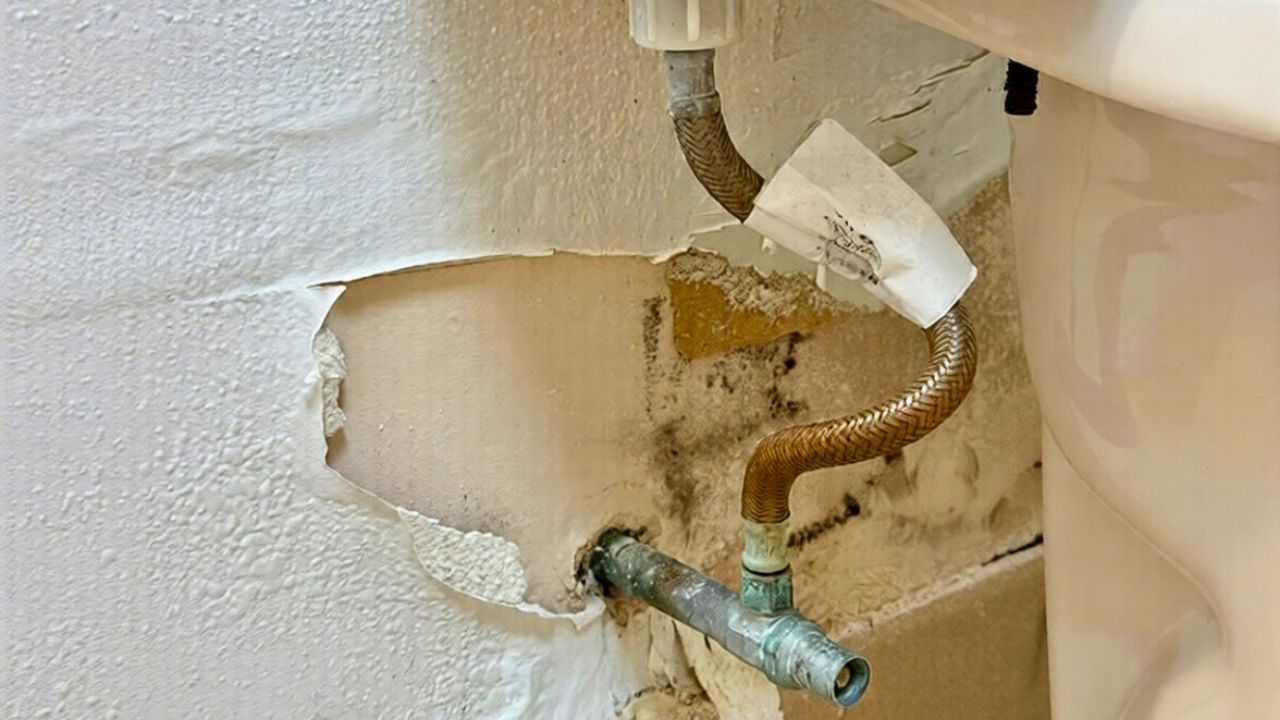
The gap behind your toilet is the one place mold keeps starting that you almost never check until it is too late. The base and tank sit just far enough from the wall to let humid air and stray splashes collect, but not far enough to let you see what is happening. Any tiny leak at the wax ring, shutoff valve, or supply line can soak the subfloor or drywall for months, and the porcelain fixture then blocks light and airflow, which lets mold colonize the backside of the wall and the top of the subfloor.
Specialists who track warning signs of mold point out that colonies often appear on the walls directly behind the toilet or inside adjacent cabinets, usually after a musty odor has been present for some time. By the time you notice bubbling paint, soft flooring, or staining around the base, the hidden side of the wall can already be covered in growth. Because you rarely move a toilet unless something fails catastrophically, this cramped zone becomes the perfect place for mold to gain a foothold before you ever think to look.
How hidden bathroom mold quietly spreads through your home
Once mold takes hold behind a toilet or vanity, it rarely stays put. Spores ride air currents created by exhaust fans, HVAC vents, and even the simple act of opening the bathroom door. From there, they can settle in other damp pockets, such as under carpets, inside closets, or behind baseboards, turning a small, localized problem into a house wide issue that is much harder and more expensive to fix.
Experts who map common places where hidden mold appears note that it often migrates from one moisture source to another, showing up as peeling or bubbling paint, warped trim, or subtle discoloration long after the original leak began. Federal guidance on suspicion of hidden mold stresses that any history of plumbing leaks, roof leaks, or insufficient insulation should prompt you to look beyond obvious surfaces. A toilet that has been sweating or seeping for years can therefore seed mold into wall cavities, ceiling voids below the bathroom, and even nearby closets without ever showing dramatic surface staining.
Why you rarely see the problem until it is advanced
The main reason this bathroom hot spot escapes your attention is simple: you are not supposed to move a toilet or built in vanity casually. Unlike a shower curtain or bathmat, these fixtures are bolted down and sealed, so you rely on what you can see around them. That means you focus on grout lines, caulk joints, and visible tile, while the real moisture damage unfolds on the hidden side of the wallboard and under the finished flooring.
Guides to common hidden mold locations in homes emphasize that mold often grows in places that are out of sight, such as behind walls, under floors, and inside insulation, where condensation and small leaks create an ideal setting for mold growth. A broader look at common places to check for mold highlights bathrooms as a frequent trouble spot, but most homeowners still limit their inspections to shower surrounds and window sills. That blind spot lets the area behind and beneath your toilet quietly deteriorate until you are forced into a full scale repair.
Other hidden mold traps that behave the same way
The same pattern that makes the back of your toilet risky repeats in other parts of your home: moisture, darkness, and limited airflow behind a fixed surface. Behind wallpaper, for example, steam from hot showers can slip through seams and feed mold on the paper backing, while the decorative surface hides any early staining. Under carpets and padding, a minor spill or chronic humidity can turn the subfloor into a damp sponge that never fully dries.
Investigations into unexpected places to check for mold point to areas behind furniture, inside closets with poor air circulation, and behind appliances as frequent surprises. Specialists who track hidden dangers where mold can hide list spots such as behind walls and wallpaper and under carpets and padding as classic examples of growth that can go unnoticed for months. Another review of hidden places mold loves to grow describes under carpets as a hidden oasis, where damp padding and limited airflow let colonies spread laterally across a room while the surface still looks clean.
How your HVAC and ventilation choices make things worse
Even if you clean diligently, the way you heat, cool, and ventilate your home can quietly feed mold behind bathroom fixtures. If your exhaust fan is undersized, rarely used, or vented into an attic instead of outdoors, humidity can linger after every shower. That moisture then condenses on the coolest surfaces, which often include the toilet tank, supply lines, and the wall behind them, especially in older homes with less insulation.
Guidance that cites the EPA notes that HVAC systems and ducts can harbor mold when condensation forms inside them, and that closets with poor air circulation are similarly vulnerable. Broader advice on where mold grows explains that, according to Rainbow Restoration, mold thrives in damp, humid environments and can colonize almost any surface that stays wet. If your bathroom fan does not clear steam within about 20 minutes, or if your central air system fails to control indoor humidity, the area behind your toilet becomes one of the first places that trapped moisture will settle.
Why bathrooms beat basements as the first mold starting point
Basements have a reputation as moldy spaces, but in many modern homes the first serious growth actually starts in bathrooms. You use these rooms multiple times a day, generate intense bursts of steam, and often close the door for privacy, which traps moisture. At the same time, you tend to store towels, bathmats, and cleaning supplies in tight cabinets and drawers, where damp fabrics and limited airflow create more opportunities for mold to spread from a hidden leak.
Analyses of the most common places your home could be harboring mold single out the bathroom as a prime location, especially where towels are frequently put away wet and surfaces stay damp. Another breakdown of how mold might be growing in your home highlights mold growth in the bathroom, including in showers and bathtubs, as one of the most visible problems. Yet the same conditions that make grout lines darken also exist behind the toilet and under the vanity, where you are far less likely to notice early warning signs.
Practical ways to inspect the one spot you never check
You do not need to unbolt your toilet every month, but you can build a simple inspection routine around the area that is most likely to hide trouble. Start by running your hand along the wall behind the tank and the baseboard after showers, checking for dampness or cool spots. Look closely at the flooring around the base for discoloration, soft spots, or gaps in caulk, and pay attention to any musty odor that lingers even after you clean.
Guides to unwelcome mold growth recommend inspecting surprising places such as under sinks, behind appliances, and inside cabinets, which mirrors the logic of checking behind your toilet. Advice on surprising places you need to check for hidden mold stresses looking behind wallpaper and wall coverings, inside window frames, and around plumbing penetrations, all of which behave like the narrow gap behind a toilet. If you notice any bubbling paint, cracked caulk, or persistent odor in that zone, it is time to bring in a plumber or remediation specialist before the damage spreads further into the wall or subfloor.
When a musty smell means you are already late
By the time you smell mold around your bathroom, the growth behind your fixtures is usually well established. Odor comes from volatile compounds that mold releases as it digests organic material, which means the colony has already found a steady food source in drywall paper, wood framing, or dust. If that smell intensifies when you close the bathroom door or run hot water, it is a strong sign that the source is inside the room rather than in a distant part of the house.
Specialists who outline common places mold is hiding in your home note that if there is a musty smell near plumbing fixtures, there is often mold behind or under them, including around sinks in your laundry room and bathrooms. Broader discussions of how worried you should be about indoor mold emphasize that health impacts vary, but any persistent odor or visible staining warrants investigation. If you catch that smell early and focus your attention on the one place you usually ignore, you have a much better chance of stopping mold at the bathroom before it spreads into the rest of your home.