The one room buyers should check first when they suspect a flip
When you walk into a freshly renovated listing, the glossy finishes can make it hard to see where a flipper cut corners. Yet one space tends to reveal the truth faster than any other: the kitchen. If you start your inspection there, you can often tell within minutes whether you are looking at a thoughtful renovation or a cosmetic rush job that could leave you paying for hidden problems later.
By treating the kitchen as your early warning system, you give yourself a practical way to separate solid work from shortcuts before you fall in love with staging. From cabinet doors to plumbing under the sink, the details in this room usually mirror the overall quality of the flip, and they can help you decide how aggressively to negotiate, what to ask your inspector to probe, or whether to walk away altogether.
Why the kitchen tells you the most about a flip
Flippers know buyers focus on kitchens, so they pour a disproportionate share of their budget into this room to create a strong first impression. Guides on Focusing renovation dollars emphasize that a modern-looking kitchen helps a property sell faster and for more money, which is exactly what a flipper wants. That incentive structure means the kitchen is usually where you will see the most new materials, the most recent workmanship, and the clearest evidence of whether the crew knew what it was doing.
Because the kitchen concentrates plumbing, electrical work, cabinetry, flooring, and often structural changes, it also compresses many potential failure points into one space. Advice aimed at buyers of renovated homes stresses that you should Check every appliance and faucet, since much of the work in flipped homes happens in kitchens and baths. If the kitchen shows sloppy tile, misaligned cabinet doors, or questionable electrical choices, you can safely assume the same standards were applied in less visible areas, from the attic to the crawlspace.
First impressions: layout, surfaces, and basic function
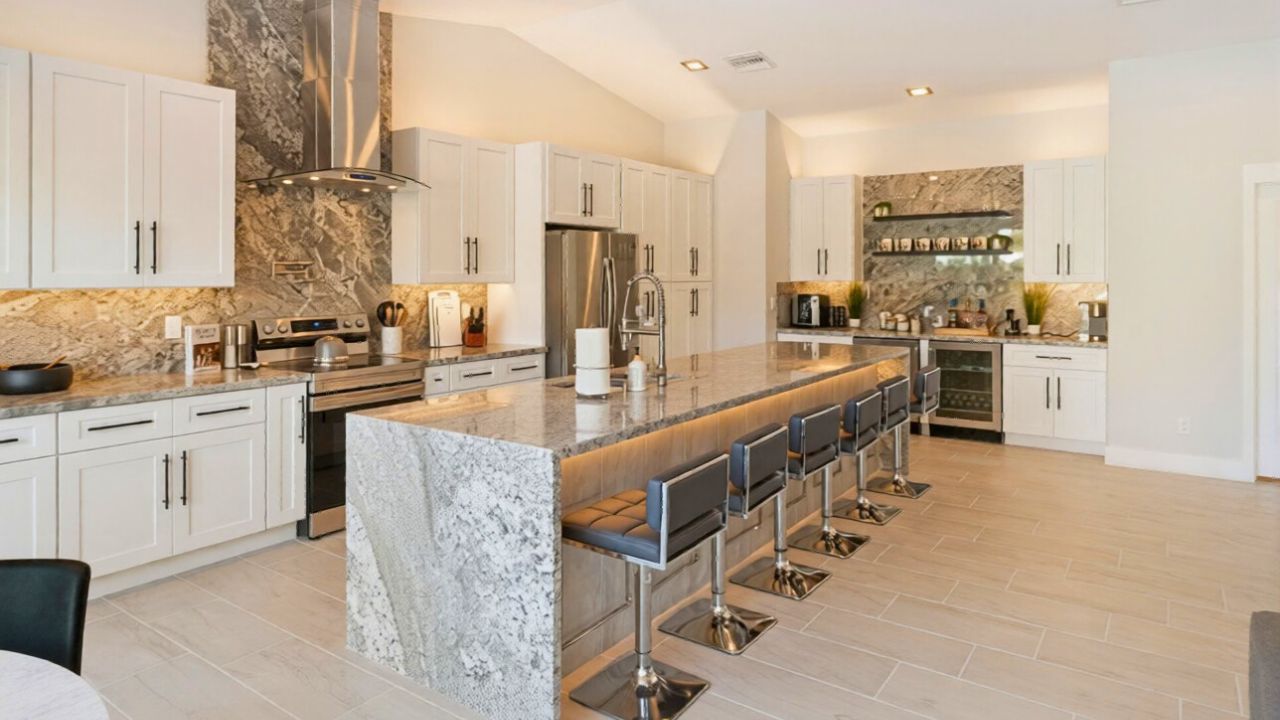
Your first pass through the kitchen should be about how the space feels and functions, not just whether the finishes look expensive. Stand in the classic work triangle between sink, stove, and refrigerator and see if the layout makes sense or if it feels like appliances were shoved wherever they fit. Renovation checklists for buyers of flips urge you to Check for obvious mistakes in design and installation, such as doors that bang into each other or drawers that cannot open fully because of poor planning.
Once you have a sense of the layout, look closely at the surfaces that dominate your field of view. Countertops that appear high end but have poorly finished edges, backsplashes with uneven grout lines, or flooring that already shows gaps suggest a rushed job. Guidance on spotting Lack of attention to detail notes that corners are the truest test of a flipper’s care, so run your eyes along inside corners of tile and trim to see whether they line up cleanly or look jagged and improvised.
Cabinets, drawers, and the “open everything” test
Cabinetry is one of the fastest ways to tell whether a kitchen was built to last or simply dressed up for photos. You should literally Open every drawer and cabinet door, paying attention to whether they glide smoothly, close evenly, and sit level. Experienced homeowners advising first time buyers stress that you should also Check for ease of operation and whether hardware feels solid or flimsy.
Look inside the boxes, not just at the doors. Thin particleboard, unsealed raw edges, or mismatched hinges are all signs that the flipper chose the cheapest option that would photograph well. Advice on identifying Signs of a cheap flip points to trim that does not match up and doors that are slightly off as red flags that extend beyond aesthetics, because they often indicate poor measuring and rushed installation that can shorten the life of the cabinetry.
The sink and plumbing: where cosmetic meets structural
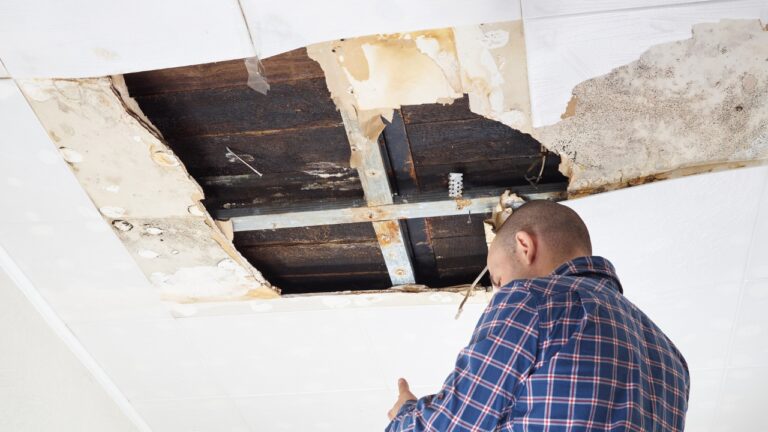
Under the sink is where a pretty kitchen most often collides with the reality of plumbing. Open the doors, shine a light, and look for stains, swelling, or mold that could signal past leaks. Inspectors who specialize in flipped properties warn that a property with previous moisture damage can be expensive to repair, so some sellers try to disguise it rather than fix it, which is why they urge buyers to look for Attic and cabinet defects that hint at hidden water issues.
Pay particular attention to how the sink itself is attached. Guidance on unethical renovation practices notes that you should watch for Glued undermount sinks, since a properly installed undermount is usually supported with clips or brackets rather than whatever adhesive happened to be on hand. The same source explains that, typically, an undermount kitchen sink should not rely on caulk or any old glue as its primary support, so if you see that kind of shortcut in such a central feature, you have to wonder what is happening behind the walls.
Appliances, outlets, and the hidden electrical story
Appliances are often the most visible “upgrade” in a flip, but they can also be a distraction from outdated or overloaded wiring. You should test every stove burner, run the dishwasher through at least a quick cycle, and confirm that the refrigerator and microwave actually work, echoing the advice to Things you should Do Before Buying a Flipped House, which starts with checking all appliances and faucets. If anything trips a breaker or behaves unpredictably, that is a sign to dig deeper.
Electrical clues are not limited to the panel. Buyers swapping notes on what to look closely at in a flip urge you to Look closely at the electrical in the kitchen, including whether outlets near the sink are properly protected and whether there are enough circuits for modern loads. The same discussion recommends that you Get permits pulled and, if needed, bring in someone who specializes in flips to review the work, since unpermitted electrical changes can be both unsafe and expensive to correct.
Floors, walls, and the subtle signs of water damage
Once you have checked the obvious fixtures, shift your attention to the surfaces that can reveal past leaks or structural movement. Run your hand along the walls and feel for irregularities, following the advice to Run your hand along freshly painted areas and ask yourself, Can you feel bubbling spots that may be hiding water damage, and Step firmly on the corners of the floor to see if anything feels soft. That guidance is aimed at catching moisture problems that could have been covered with new paint or vinyl but still lurk underneath.
Look down the length of the floor from a low angle to spot dips or ridges that might indicate subfloor issues. Broader advice on how a home’s exterior can reveal mistakes tells you to Pay attention to sagging crawl spaces and misaligned materials, and the same principle applies inside the kitchen. If the floor slopes noticeably toward one corner or tiles are already cracking, you may be looking at structural movement or poor prep work, not just a cosmetic flaw.
Windows, doors, and how the kitchen connects to the rest of the house
The kitchen is often where you will find a back door, a sliding patio door, or a large window over the sink, which makes it a useful place to judge how carefully openings were installed. Practical advice on evaluating flips suggests you Give the windows a try, opening and closing them to see if they stick or wobble. Another inspection guide urges you to look at Windows and Take note of how old they are, since a house can have brand new cabinets sitting under windows that are already twenty years old.
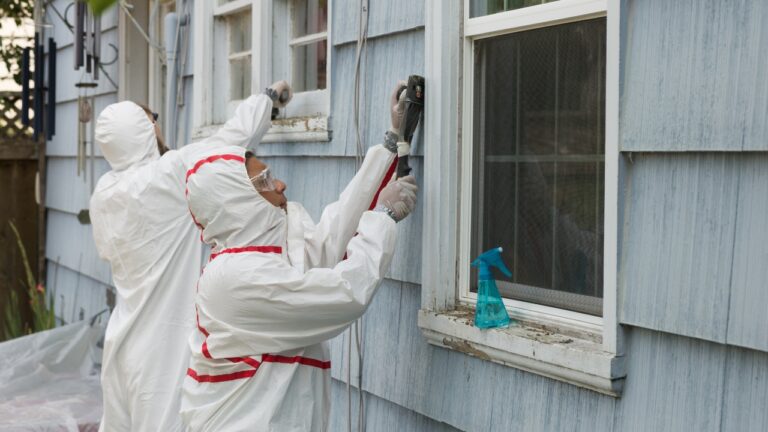
Weatherstripping and caulking around these openings can also tell you a lot about workmanship. Renovation red flag lists advise you to Check the weather stripping and caulking, because sloppy work here indicates a rushed or incompetent installation job. If you see daylight around a door, or if a sliding door scrapes and shudders instead of gliding, that is consistent with broader advice to There are signs you can look for in a badly flipped house, including poor finish work around openings.
What the kitchen reveals about the rest of the flip
Once you have taken the kitchen apart with your eyes and hands, use what you have learned to guide the rest of your walk through. If the kitchen shows careful planning, solid materials, and clean details, that is a good sign, but you should still verify that the same standards extend to systems you cannot see. Advice on While you are evaluating a flipped house suggests checking for obvious mistakes in multiple rooms and making sure major systems, from plumbing to electrical, are working properly.
If the kitchen raises doubts, treat that as a prompt to investigate more aggressively. Construction professionals who warn buyers about misleading “improvements” explain that How to spot flipped homes from the construction side often comes down to whether the seller upgraded visible finishes while ignoring essentials like the heating system in a hurry. That is why broader due diligence checklists urge you to note if floors are uneven or misaligned and to remember that Buying a flipped house can be smart only if you verify that it is actually a good deal.
Beyond the kitchen: tying in inspections, questions, and your senses
Starting in the kitchen does not replace a full inspection, but it gives you a sharper lens for that process. If you see red flags, you can ask your inspector to spend extra time on moisture readings around the sink, electrical loads on kitchen circuits, or the quality of any structural changes that opened up the space. Seasoned inspectors remind buyers that you should Especially on flips, consider how the previous owner used the house, since the prior occupant may have been 87 years old and run appliances lightly, while your family might push systems much harder.
You should also ask direct questions about what was done and why. Guidance on crucial questions for renovated homes notes that Ask for information about the age of the roof, the furnace, and any history of water damage and old wiring, rather than assuming the shiny kitchen means everything else is new. At the same time, advice on spotting underlying problems in different climates points out that Homes in humid areas such as Miami and coastal regions face extra challenges from salt air and humidity, and Miltiadis Kasta recommends that you “Trust your nose” when you walk into spaces like the kitchen, because persistent musty smells can signal hidden mold even when everything looks new.
Using the kitchen check as part of a bigger strategy
Ultimately, treating the kitchen as the first room you scrutinize is about giving yourself a practical, repeatable strategy in a market where flipped homes are common. Resources for buyers note that While flipped properties are only a slice of total sales, the chances are high that you will encounter one in your search, so you need a way to separate solid investments from risky ones. Starting in the kitchen lets you quickly decide whether to invest more time, money, and emotional energy in the rest of the evaluation.
From there, you can expand your scrutiny to the exterior, attic, and mechanical systems with more confidence. Advice for untrained buyers emphasizes that you should Carefully inspect the attic and basement or crawlspace yourself and Don’t rely solely on an inspector’s report, especially if the kitchen has already given you reasons to be skeptical. Combined with broader guidance on how to Clues that a flipped home has underlying problems and practical tips on Buying or selling a home that has been renovated, that first room check becomes the anchor of a broader, more informed approach to evaluating any flip you consider.
Like Fix It Homestead’s content? Be sure to follow us.
Here’s more from us:
- I made Joanna Gaines’s Friendsgiving casserole and here is what I would keep
- Pump Shotguns That Jam the Moment You Actually Need Them
- The First 5 Things Guests Notice About Your Living Room at Christmas
- What Caliber Works Best for Groundhogs, Armadillos, and Other Digging Pests?
- Rifles worth keeping by the back door on any rural property
*This article was developed with AI-powered tools and has been carefully reviewed by our editors.