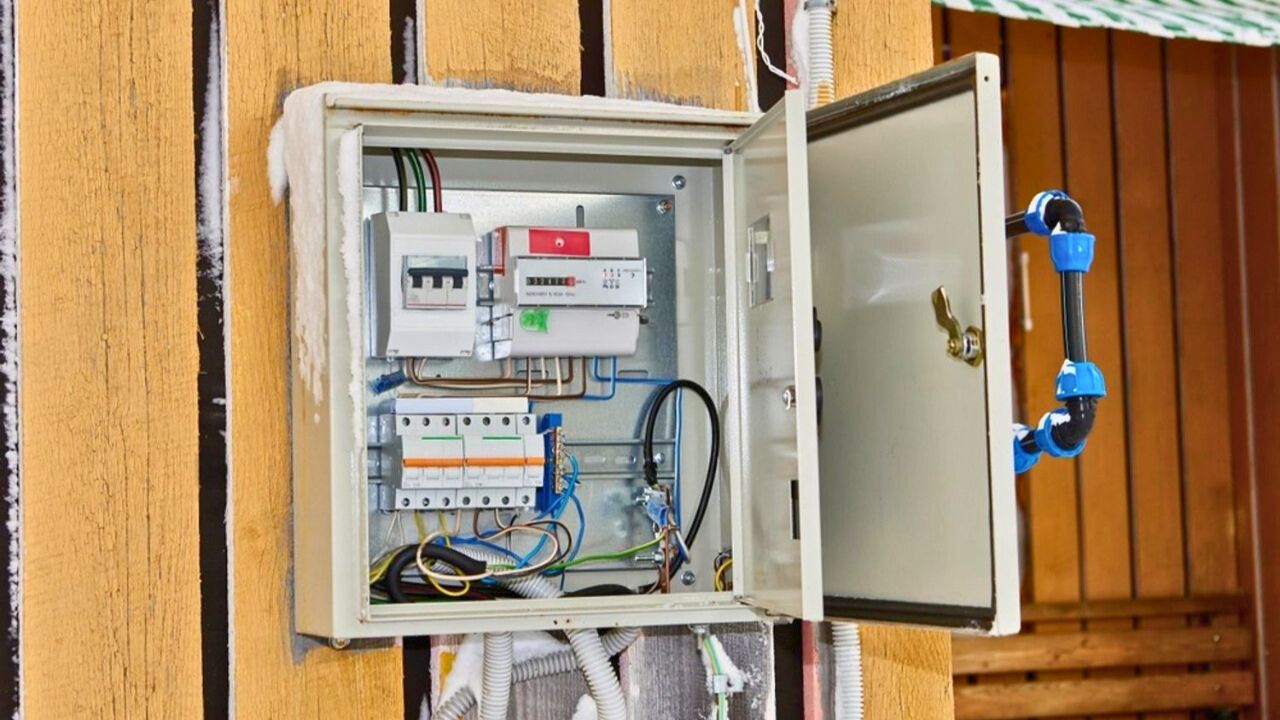
The one safety feature missing in most older houses
Older houses often charm you with thick trim, tall ceilings, and quirky details, but behind that character sits a gap that can turn a minor mishap into a life‑threatening emergency. The one protection most of these homes lack is modern, whole‑home defense against electrical shock, especially in wet or high‑risk areas. If you live in a pre‑1990s house, you are likely relying on wiring and outlets that were never designed to prevent electrocution the way today’s standards expect.
That missing layer is not a decorative upgrade or a nice‑to‑have convenience, it is a critical safety system built around ground fault protection and coordinated electrical safeguards. Understanding how your older home falls short, and how to close that gap, is one of the most important steps you can take to keep your family safe without sacrificing the history you love.
Why older homes feel solid but hide modern risks
When you walk into a century‑old house, the thick plaster walls and heavy doors can make the place feel indestructible. Yet the very age that gives the building its appeal also means its safety systems were designed for a different era of appliances, codes, and expectations. Inspectors who specialize in older properties routinely find structural and warning signs such as Cracks in foundations, Uneven floors, and Sagging ceilings that hint at decades of quiet deterioration. Those visible flaws are often paired with invisible ones inside the walls, where outdated wiring and missing safety devices quietly persist.
Unlike a cracked stair tread, you cannot see a ground fault or a deteriorated conductor until something goes wrong. Older circuits were installed long before today’s heavy electrical loads and before modern requirements for shock protection in kitchens, bathrooms, basements, and garages. That is why the most consequential missing feature in many older homes is not a railing or a smoke alarm, but a coordinated system that can sense dangerous current leakage and shut it down before it passes through your body.
The safety breakthrough older houses never received
Modern electrical codes assume that water and electricity will inevitably cross paths in a home, and they are written around a device that reacts faster than you ever could. That device is the ground fault safety system, built around specialized outlets and breakers that constantly compare the current flowing out on a circuit with the current returning. If even a small difference appears, the system interprets it as electricity escaping, often through a person, and cuts power in a fraction of a second.
When the first GFCI devices were introduced, they transformed household safety. Within about twenty‑five years of their rollout, the number of accidental electrocutions in the United States was cut roughly in half, a dramatic shift that did not come from people suddenly becoming more careful, but from technology that refused to let a fault continue. Yet most homes built before these requirements took hold were never retrofitted, which means you may be living in a house that simply does not have this life‑saving layer at all.
What a Ground Fault Circuit Interrupter actually does
To understand what your older home is missing, it helps to know how a Ground Fault Circuit Interrupter works in practice. A Ground Fault Circuit outlet constantly monitors the flow of electricity on its hot and neutral conductors. The moment it detects that the outgoing and returning current do not match, even by a tiny amount, the internal mechanism trips and opens the circuit.
That trip happens in milliseconds, far faster than your muscles can react if you accidentally become part of the path to ground. A properly installed GFCI does not wait for a breaker to heat up or for a fuse to melt, it responds to the imbalance itself, which is why it is so effective at preventing shocks in wet locations. Without these devices, an older home leaves you dependent on traditional breakers that are designed to protect wiring from overheating, not people from electrocution.
How outdated wiring multiplies the danger
Even if your older home has a few modern outlets, the wiring behind them may still reflect a time when households had a single television and a handful of small appliances. Today you are likely running multiple computers, high‑wattage kitchen gear, and electric vehicle chargers on circuits that were never sized or configured for that load. Inspectors who focus on Electrical System Hazards routinely find Outdated Wiring and in older houses, a combination that quietly erodes your margin of safety.
When circuits are pushed beyond what they were designed to handle, connections heat up, insulation becomes brittle, and the chance of arcing or fire increases. If those same circuits also lack ground fault protection, a single fault can expose you to both shock and fire risk at once. That is why modern codes pair GFCI devices with updated conductors and properly sized breakers, while many older homes still rely on original wiring that predates those expectations by decades.
The code violations hiding in plain sight
Building codes are often treated as a bureaucratic nuisance, but in older homes they function as a kind of time capsule, revealing what previous generations did not yet know about safety. If your house predates current standards, it may have been legal when it was built yet still fall far short of what is considered acceptable today. Inspectors who review older home installations frequently find missing or inadequate GFCI protection in kitchens, bathrooms, and exterior receptacles, along with outlets placed where they are more likely to be splashed or flooded.
Those gaps are not technicalities, they are exactly the scenarios where a ground fault is most likely to occur. A countertop outlet near a sink, a plug in a damp basement, or a receptacle on an exterior wall can all become energized surfaces if a fault develops. When codes require GFCI devices in those locations, they are acknowledging that you cannot rely on perfect behavior or dry conditions. If your older home has never been updated to meet those expectations, it is missing the single most important layer of defense in the places you need it most.
Other safety components that depend on GFCI
Ground fault protection does not exist in isolation, it is part of a broader set of electrical safeguards that work together to keep you safe. Modern panels often include devices dedicated to Electrocution Protection Your electrician can install, such as specialized breakers that combine overcurrent and shock protection. These components are designed with the assumption that downstream outlets and fixtures will also be protected, creating multiple opportunities to interrupt a dangerous fault.
In an older home, that layered approach is usually missing. You may have a basic breaker panel without any advanced protective devices, feeding circuits that lack GFCI outlets and that terminate in rooms where water, metal fixtures, and bare feet are part of daily life. Upgrading to modern electrocution protection in the panel is valuable, but it is most effective when paired with properly located ground fault devices throughout the house, especially in the rooms where you are most exposed.
Fire and shock risks beyond the main living space
When you think about electrical safety, you probably picture the kitchen or bathroom, but some of the most overlooked hazards sit at the edges of your property. Garages, workshops, and exterior structures often retain original wiring and hardware long after the main house has been updated. If you have an older garage door, for example, you may be relying on equipment that was not built with modern fire resistance or electrical safety in mind. Safety specialists note that Many older doors lack heat‑resistant materials and a fire‑resistant core, which can allow a small electrical fault in the garage to spread more quickly.
Those peripheral spaces are also where you are most likely to plug in high‑draw tools, space heaters, or charging equipment on circuits that do not have GFCI protection. A damp concrete floor, a metal workbench, and an overloaded outlet are a dangerous combination if a fault occurs. Extending ground fault protection and modern fire‑resistant components into these areas is just as important as upgrading the outlets near your kitchen sink.
Charming relics versus critical protections
Part of the appeal of an older house is the way it preserves features that no one would install today. Some New England properties, for example, still have what locals call a Coffin Door, a side entrance that Many colonial homes in New England used for funerals, sometimes called the death door. Videos that circulate on social media, including one posted in Nov, show how these doors allowed coffins to move directly from the parlor to the outside without navigating tight interior hallways.
Other nostalgic details, from built‑in ironing boards to milk doors and laundry chutes, are celebrated in walk‑throughs of “forgotten” home features that enthusiasts argue we should bring back, as in one popular video on 10 clever design touches. Those quirks are part of what makes an older house feel special, but they are not safety systems. The real gap in most of these homes is not the absence of a quaint door or niche, it is the lack of modern electrical protection that quietly prevents tragedies without drawing attention to itself.
How to bring your older home up to modern safety standards
Closing the safety gap in an older house starts with a clear assessment of what you have. A licensed electrician can test your outlets, panel, and wiring to identify where ground fault protection is missing and where circuits are overloaded or deteriorated. In many cases, the first step is to install GFCI outlets or breakers in every location where water is present, including kitchens, bathrooms, laundry rooms, basements, garages, and exterior receptacles, then to address any obvious wiring defects that could compromise those devices.
From there, you can work with the electrician to prioritize upgrades that align your home with current expectations, such as adding dedicated circuits for heavy appliances, relocating dangerously placed outlets, and integrating panel‑level protection that complements your new devices. The goal is not to strip away the character that drew you to the house, but to ensure that behind the plaster and trim, your electrical system quietly meets the same standard of safety that a new build would provide. When you combine that invisible infrastructure with the visible charm of an older home, you get the best of both worlds: history on display, and modern protection where it matters most.
Like Fix It Homestead’s content? Be sure to follow us.
Here’s more from us:
- I made Joanna Gaines’s Friendsgiving casserole and here is what I would keep
- Pump Shotguns That Jam the Moment You Actually Need Them
- The First 5 Things Guests Notice About Your Living Room at Christmas
- What Caliber Works Best for Groundhogs, Armadillos, and Other Digging Pests?
- Rifles worth keeping by the back door on any rural property
*This article was developed with AI-powered tools and has been carefully reviewed by our editors.