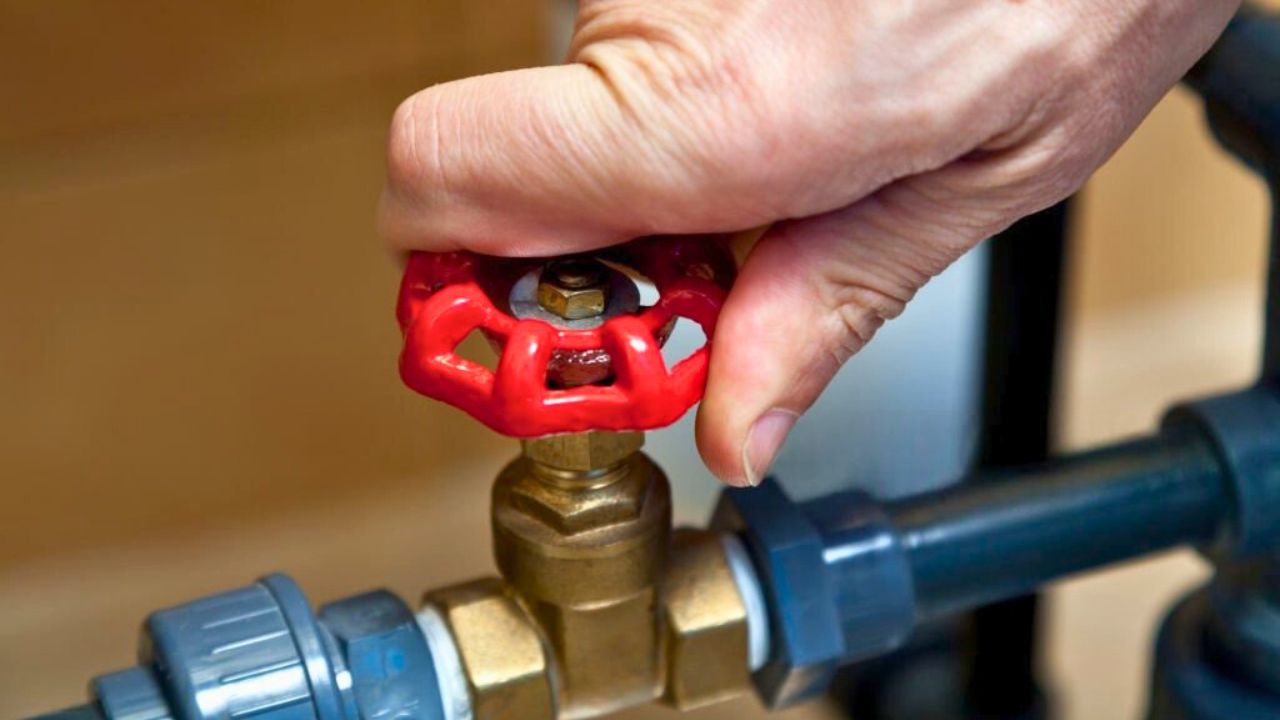
The one thing people forget during outages that ruins pipes before morning
When the lights go out on a bitter night, most people scramble for flashlights, phone chargers, and extra blankets, then try to ride it out until morning. What quietly gets overlooked is the water sitting still inside your plumbing, expanding as it freezes and setting you up for a flooded, expensive mess the moment power and heat return. The single most costly oversight is failing to manage that water before you go to bed, because a few simple moves can mean the difference between intact pipes and a ruptured line by sunrise.
Protecting your plumbing during an outage is less about gadgets and more about timing, habit, and knowing which valves and faucets matter most. If you understand how cold, pressure, and standing water interact inside your walls, you can buy your pipes crucial hours of safety even when your furnace is silent. The goal is not perfection, it is reducing risk enough that your system survives the night without a catastrophic break.
Why outages turn ordinary pipes into overnight hazards
In a normal cold snap, your heating system keeps indoor temperatures just high enough that pipes tucked in walls, basements, and crawl spaces stay above freezing. When a power failure knocks that heat out, the temperature in those hidden spaces can drop quickly, especially along exterior walls and uninsulated runs. Water inside the lines begins to cool, and as it approaches freezing, it expands and pushes outward on the pipe walls, which is why frozen plumbing is such a common companion to winter outages.
The real danger is not only the ice itself but the pressure that builds between frozen sections and closed fixtures. If water cannot move or relieve that pressure, it looks for the weakest point, often a joint or thin stretch of pipe, and that is where it bursts. Insurance and safety guidance repeatedly stress that you should keep thermostats at a steady setting in winter precisely to avoid these rapid swings, but an outage removes that safeguard. That is why you need a backup plan that treats your plumbing as a system under stress, not an afterthought.
The overlooked step: controlling water before you lose control
The most damaging mistake during a winter outage is leaving your plumbing system fully pressurized and sealed while temperatures fall. You might remember to grab candles and conserve phone battery, yet forget to touch a single valve or faucet. That inaction leaves every line in your home packed with still water, capped at both ends, and primed to expand against rigid metal or plastic until something gives.
Professionals routinely advise that you Shut Off the Main Water in certain emergencies to reduce strain on your plumbing system, and a prolonged winter outage is exactly that kind of scenario. When you close the main valve and then open a few key fixtures, you give cold water room to expand without building destructive pressure. Skipping this step is what ruins pipes before morning, because the system stays locked, the ice has nowhere to go, and the weakest section of pipe pays the price.
How freezing actually breaks pipes inside your walls
It is easy to picture ice simply cracking a pipe like a frozen soda can, but the mechanics are more subtle and more preventable. Water usually starts freezing in the most exposed sections first, such as near foundation vents, in unheated garages, or along exterior walls. As that ice forms, it creates a plug, and liquid water trapped between that plug and a closed faucet or valve is squeezed as temperatures continue to drop. The pipe often fails not at the frozen spot but several feet away where the pressure concentrates.
Guides on how to Prevent Frozen Pipes emphasize that there are a number of steps you can take before anything ruptures, including relieving pressure and gently thawing problem sections. Once a pipe bursts, however, the real disaster often waits until the power returns and water begins flowing again, turning a hidden crack into a sudden indoor waterfall. Understanding that sequence is what makes preemptive action so powerful: you are not just fighting ice, you are managing pressure long before it has a chance to split copper or PVC.
Why a slow drip can save an entire plumbing system
One of the simplest tools you have in a cold outage is gravity. By opening faucets slightly, you let water move instead of sit, and moving water is less likely to freeze solid. Experts explain that Still water is more likely to freeze, which is why a slow drip from faucets in vulnerable areas can be the difference between a minor nuisance and a major repair bill.
During a power loss, you should prioritize sinks on exterior walls, in unheated rooms, or above crawl spaces, and crack those taps just enough to produce a steady drip. Guidance on why to drip faucets notes that you do not need every fixture running, but you should focus on the faucets in those rooms most exposed to cold. That tiny flow does two things at once: it relieves pressure that might build behind forming ice and it pulls slightly warmer water from deeper in the system, buying your pipes more time until temperatures stabilize or service is restored.
Opening, closing, and insulating: small moves with big impact
Beyond dripping, you can reshape how heat and cold move around your plumbing with a few quick adjustments. One of the most effective is to expose pipes to whatever warmth remains in your home by opening cabinet doors under kitchen and bathroom sinks. When you Open Cabinet Doors and keep cabinet spaces from trapping cold air, you let residual heat circulate around pipes that might otherwise freeze first.
Longer term, you reduce your risk dramatically if you Insulate pipes that run through basements, attics, and exterior walls, because exposed pipes are more susceptible to freezing. Even inexpensive foam sleeves or wrap can create a buffer that slows heat loss enough to keep water above freezing for several extra hours. That margin matters when the power goes out overnight, because it gives your other tactics, like dripping and cabinet doors, more time to work before the cold reaches a critical point.
When you should shut off the main and drain down
Not every outage calls for the same level of response, but if you expect temperatures to stay below freezing for many hours, you should treat your plumbing like a system you can partially power down. The first step is to locate your main shutoff valve, usually near where the water line enters your home or close to the meter. Turning it off stops new water from entering and lets you control what remains in the lines, which is crucial if you plan to leave or if your home is already getting very cold.
Emergency guidance on your home’s main water line recommends keeping water running at a trickle to prevent frozen pipes while the power is out, but it also stresses knowing how to shut that line off if conditions worsen. Once the main is closed, you can open a basement sink or lowest-level tub to drain much of the remaining water, then crack higher faucets to relieve any lingering pressure. That combination, shutting off the supply and giving water somewhere to go, is what most people forget in the rush of an outage, yet it is exactly what protects pipes from splitting before dawn.
Toilets, drains, and the hidden risks of “business as usual”
Plumbing risk during an outage is not limited to frozen supply lines. Your drains and toilets can also become weak points, especially if your home relies on pumps to move wastewater. If your water removal system is powered by electricity, flushing the toilet during an outage can become problematic because the pump will not work, and waste can back up instead of clearing. That is why experts caution that If your water removal system depends on power, you should limit flushing until service returns.
More broadly, emergency plumbing advice during blackouts urges you to Avoid Flushing Toilets and Using Drains when possible, because every flush or long shower adds strain to systems that may not be able to move water away. In freezing conditions, that extra wastewater can also collect in exposed sections of pipe where it is more likely to freeze and block flow. Treating toilets and drains as limited resources, rather than business as usual, keeps both your supply and waste lines from becoming expensive repair jobs once everything thaws.
What to do when you have no heat at all
Sometimes an outage is only part of the problem and your heating system is offline even after power returns, or you are in a building with no backup heat source. In that scenario, you need to focus on creating microclimates around your most vulnerable pipes. One of the simplest tactics is to Open Cabinet Doors Keep kitchen and bathroom cabinet doors open so any available warmth in the room can circulate around the plumbing, creating a slightly warmer environment for your pipes.
You can also consolidate your household into a smaller area, closing doors to unused rooms so any portable heat, body warmth, or even cooking heat is concentrated where key plumbing runs are located. Guidance on how to prevent frozen pipes notes that if the power goes out and you rely on a sump pump or outdoors discharge, you should be especially cautious, since those systems can stop working and leave water sitting in vulnerable spots. In a no-heat situation, every degree counts, so combining cabinet doors, room consolidation, and careful water use gives your plumbing the best chance to ride out the cold.
Planning ahead so the next outage is just an inconvenience
The most effective outage protection starts long before the forecast turns ugly. If you insulate exposed plumbing, seal air leaks, and know exactly where your main shutoff is, you can move quickly when the lights blink off. Resources that explain how to There are number of steps to keep pipes from freezing emphasize that preparation is as important as emergency response, because once a pipe has burst, your options narrow to damage control.
It also helps to walk through a simple checklist with everyone in your household so you are not the only one who knows how to respond. That list might include locating the main valve, identifying which faucets to drip, deciding when to shut off the main entirely, and understanding how your toilets and sump pump behave without power. If you build those habits now, the next winter outage will still be inconvenient, but it will not catch your plumbing system fully pressurized, forgotten, and one cold night away from a flooded morning.
Supporting sources: Worried About Frozen Pipes During A Power Outage? Here’s ….
Like Fix It Homestead’s content? Be sure to follow us.
Here’s more from us:
- I made Joanna Gaines’s Friendsgiving casserole and here is what I would keep
- Pump Shotguns That Jam the Moment You Actually Need Them
- The First 5 Things Guests Notice About Your Living Room at Christmas
- What Caliber Works Best for Groundhogs, Armadillos, and Other Digging Pests?
- Rifles worth keeping by the back door on any rural property
*This article was developed with AI-powered tools and has been carefully reviewed by our editors.